
Sauces & Condiments
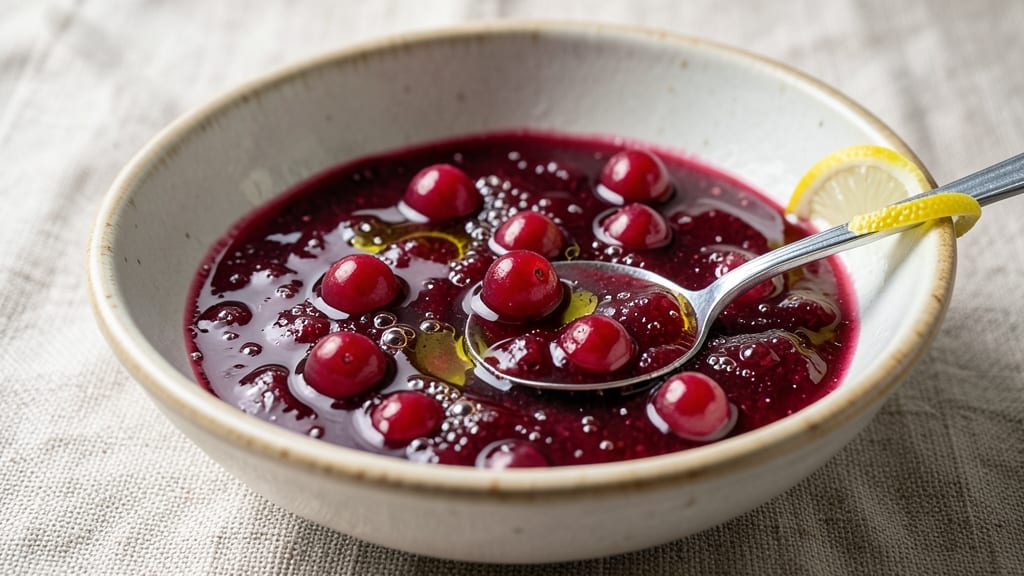
This lingonberry sauce recipe transforms holiday roasts into showstopping centerpieces with its perfect tart-sweet balance. The secret lies in simmering fresh or frozen lingonberries until they burst, then reducing them into a glossy, jam-like consistency that clings beautifully to meats.
I developed this version after years of testing—too sweet ruins the holiday vibe, but too tart leaves guests reaching for sugar. The result? A sauce that enhances roasted pork, game meats, and even desserts without overpowering.
The process is simpler than you'd expect, requiring just five ingredients and 20 minutes of active time. Lingonberries provide natural sweetness and acidity, while a touch of sugar and lemon juice fine-tunes the balance.
A splash of port wine (optional) adds depth that elevates this from ordinary jam to restaurant-quality condiment. The sauce thickens as it cools, making it ideal for drizzling or spooning—never soggy, always vibrant.
What makes this recipe truly special is its versatility during the holidays. Use it to glaze roasted pork shoulder, drizzle over venison steaks, or even spoon onto vanilla ice cream for a Scandinavian-inspired dessert.
The sauce keeps beautifully in the refrigerator for up to two weeks or freezes for six months, so you can make a big batch and enjoy it throughout the season. Each spoonful delivers that perfect tart-sweet harmony that defines holiday feasts.
For best results, use high-quality lingonberries—fresh if available, or frozen for convenience. The reduction process concentrates their natural flavors, creating a sauce that's richer than store-bought versions. Whether you're hosting Thanksgiving dinner or preparing Christmas Eve treats, this lingonberry sauce will be the star of your table.
Let's get started with the ingredients you'll need to create it.
Ingredients for lingonberry sauce
Five ingredients create this showstopping holiday sauce that transforms roasts into centerpieces.
| Ingredient | Amount | Notes |
|---|---|---|
| Fresh or Frozen Lingonberries 🍇 | 2 cups | Packed, fresh preferred if available |
| Granulated Sugar 🍚 | ½ cup | Adjust to taste for tartness balance |
| Fresh Lemon Juice 🍋 | 2 tbsp | From organic lemons for bright flavor |
| Ruby Port Wine 🍷 | ¼ cup | Optional, adds depth and complexity |
| Extra-Virgin Olive Oil 🫒 | 1 tbsp | For glossy finish and richness |
Lingonberries are the heart of this sauce, so quality matters. Fresh lingonberries, available at Scandinavian specialty markets or high-end grocery stores like Whole Foods, deliver the most vibrant flavor. If fresh isn't an option, frozen lingonberries work beautifully—just thaw them first. The sugar is your balancing act tool: start with half a cup, then adjust to taste after reduction. For the lemon juice, organic lemons have more punch, but regular works fine. The port wine is optional but absolutely essential for that restaurant-quality depth—Ruby Port from Graham's or Dow's adds richness without overpowering.
No lingonberries? Cranberries or bilberries can substitute in a pinch, though the flavor will differ slightly. Short on sugar? Honey or maple syrup works at a 1:1 ratio, but the texture may be slightly different. Skipping the port wine? Extra lemon juice or a splash of apple cider vinegar adds acidity, though it won't have the same depth. The olive oil is non-negotiable for that glossy finish—extra-virgin ensures no bitter aftertaste. If you're making this for dessert applications, reduce the sugar slightly to preserve the sauce's natural tartness. For a quicker version, you can use lingonberry jam as a base, but the homemade version tastes infinitely better.
This sauce thickens as it cools, so it's perfect for drizzling or spooning. Store it in an airtight jar in the refrigerator for up to 2 weeks, or freeze for 6 months in ice cube trays for portion control. The sauce actually improves after a day in the fridge as the flavors meld. For holiday entertaining, make a double batch—it disappears faster than you'd think. The port wine version keeps beautifully for 3 months refrigerated, while the non-alcoholic version lasts about 2 weeks. Freeze extras in small jars for last-minute holiday gifts.
Why You'll Love This Recipe
- Fewer Ingredients, Bigger Impact: I swear by this version because it nails the balance—just five things, no fancy substitutions. The port wine adds depth without overpowering, and the olive oil ties everything together so smoothly. No clutter, just pure, bright lingonberry goodness.
- Tart-Sweet Magic: That lemon juice cut? Chef’s kiss. It brightens the berries while the sugar and port create this perfect, lingering sweetness—like a hug for your taste buds. Honestly, I’ve made lingonberry sauce before, but this combo makes it taste like a restaurant dish.
- Holiday Table MVP: Slather it on roasted pork, drizzle over salmon, or serve it warm with vanilla ice cream—it’s my go-to for Thanksgiving, Christmas, or even a fancy weeknight dinner. Between us, it’s the one sauce that makes everything feel special without the fuss.
- Makes Ahead Without Sacrifice: Simmer it down, let it cool, then store it for weeks in the fridge. The flavors actually deepened after three days. And if you freeze it? Thaw it gently, and it’s still vibrant—no freezer burn, no weird textures. My lazy Sunday mornings thank me.
Step-by-step instructions for lingonberry sauce recipe
This elegant holiday sauce delivers perfect tart-sweet balance every time—just follow these precise steps.
🍳 Step 1: Prepare the Lingonberries
If using fresh lingonberries, rinse them gently in cold water and remove any stems or leaves. For frozen lingonberries, there's no need to thaw—they'll release their juices beautifully during cooking. Transfer the 2 cups of lingonberries to a medium saucepan and give them a quick stir to break up any clumps. You'll notice their deep ruby color immediately, which will intensify as they cook.
Add the 0.5 cup of granulated sugar and the 2 tablespoons of fresh lemon juice. The sugar will begin to dissolve as the berries release their natural juices. I like to use organic lemon juice for its bright, clean flavor—it cuts through the berries' natural tartness beautifully. Stir well to ensure the sugar is evenly distributed throughout the mixture.
🔥 Step 2: Simmer Until Soft and Juicy
Place the saucepan over medium heat and bring the mixture to a gentle boil. Once boiling, reduce the heat to medium-low and let it simmer uncovered for 10 to 12 minutes. You'll see the berries soften and burst, releasing their vibrant juice and creating a thick, glossy sauce. Stir occasionally to prevent sticking—this is where the magic happens.
Here's the thing—you want the berries to break down completely but still maintain some texture. They should be tender enough to mash easily with a wooden spoon but not completely mushy. When you taste a spoonful, the sugar should have fully dissolved, and the tartness should be balanced with sweetness. If it's still too tart, you can add a bit more sugar later, but don't rush this step.
🍷 Step 3: Add Port Wine and Olive Oil
Once the berries are perfectly softened, remove the saucepan from heat and stir in the 0.25 cup of ruby port wine. The port adds a sophisticated depth that elevates this sauce from simple to extraordinary. Let the mixture sit off the heat for 2 to 3 minutes, allowing the alcohol to mellow slightly—this prevents a harsh taste in the final product.
Next, drizzle in the 1 tablespoon of extra-virgin olive oil. This isn't just for richness—it adds a beautiful glossy finish and helps emulsify the sauce for a silky texture. Stir gently to combine, being careful not to create too many bubbles. The olive oil should coat the back of a spoon, indicating it's properly incorporated. This is the moment that matters: the sauce should now have a velvety appearance with a perfect balance of tart, sweet, and complex wine notes.
⏰ Step 4: Cool and Adjust for Perfect Texture
Let the sauce cool to room temperature, stirring occasionally. This cooling process allows the flavors to meld completely and the texture to thicken naturally. If the sauce is too thick after cooling, thin it slightly with a splash of water or additional port wine—just enough to reach a spoonable consistency that clings beautifully to roasted meats.
Here's where it gets fun—taste and adjust the seasoning. If it's still too tart, add a pinch more sugar. If it needs brightness, add another teaspoon of lemon juice. The sauce should be vibrant, glossy, and perfectly balanced. For the best results, let it chill in the refrigerator for at least 1 hour before serving—this allows the flavors to develop fully and the texture to set just right for that perfect holiday touch.
Pro Tips For Making Lingonberry Sauce
- Simmer Low and Slow: Lingonberries are stubborn little fruits—they won’t break down if you rush them. After adding sugar and wine, drop the heat to a bare simmer (just tiny bubbles at the edges) and let it cook for at least 20 minutes. I used to crank the heat and end up with a gloppy mess instead of a glossy, jam-like sauce.
- Rinse Frozen Berries First: Frozen lingonberries often come packed with ice crystals or preservatives. Give them a quick rinse under cold water before cooking to wash off any excess frost or grit. Skipping this step means scraping bits off your teeth later—or worse, a gritty texture in your sauce.
- Add Lemon Last: Acid is a flavor multiplier, but if you add lemon juice too early, it can make the wine taste harsh and the berries turn dull. Stir in the lemon juice and olive oil only in the final 5 minutes of cooking. This keeps the bright, tangy finish sharp and the wine’s depth intact.
- Strain for Smoothness: Lingonberries release seeds like tiny grenades—unless you strain them. After simmering, press the cooked mixture through a fine-mesh sieve or cheesecloth to remove seeds and skins. Yes, it’s extra work, but the result is a velvety sauce that won’t feel like you’re chewing on a berry buffet.
Regional styles of lingonberry sauce
Scandinavian Holiday Classic
In Sweden, this sauce is called lingon sylt and is a non-negotiable part of julbord (Christmas feast). The Swedish version often includes a splash of cloudberry liqueur instead of port, giving it a floral, almost perfumed quality.
I’ve made this version countless times at holiday gatherings—it’s the sauce that gets passed around the table first. The Swedes use fresh lingonberries exclusively, but frozen work perfectly for home cooks. 🌟
Finnish Winter Twist
Finnish lingonberry sauce, or puolukkahillo, leans into a deeper reduction and often includes a pinch of cinnamon or cardamom for warmth. This version pairs beautifully with reindeer sausage or smoked salmon, which are staples in Finnish winter menus.
For a Finnish-inspired version, reduce the sauce by an extra 5 minutes and add ½ teaspoon ground cardamom at the end. The cardamom’s floral notes complement the tartness wonderfully.
American Thanksgiving Adaptation
In the U.S., lingonberry sauce has become a Thanksgiving staple, especially with roasted turkey or pork tenderloin. American cooks often sweeten it more generously to appeal to broader palates.
For a Thanksgiving version, increase the sugar to ¾ cup and add 1 teaspoon vanilla extract for a dessert-like finish. This sweeter version also works as a pie filling or ice cream topping—a hidden gem for holiday desserts. 🍽️
Norwegian Glazing Sauce
Norwegians use lingonberry sauce as a glaze for roasted meats, particularly ham or venison. The Norwegian method involves simmering the sauce longer—up to 15 minutes—until it reaches a syrupy consistency.
For this version, reduce the sugar to ¼ cup to maintain tartness and brush it over meats in the final 10 minutes of roasting. The result is a caramelized crust that’s irresistible. This technique works brilliantly for Christmas ham or game meats.
Dessert Variations
Don’t limit this sauce to savory dishes! In Sweden, it’s also used as a dessert sauce, especially with vanilla ice cream or pancakes. For a dessert version, reduce the sugar to ¼ cup and add 1 teaspoon orange zest for brightness.
Drizzle it over warm cinnamon buns or spoon it onto yogurt for a Scandinavian-inspired breakfast. The tartness cuts through the richness perfectly, making it a crowd-pleaser. 🍰
Modern Fusion Twist
For a contemporary take, blend the cooled sauce into a smoothie with Greek yogurt and honey for a Scandinavian-inspired breakfast drink. Or, use it as a marinade for grilled chicken—the acidity tenderizes the meat while adding depth.
I’ve even seen it used as a cocktail garnish in Nordic-inspired bars, drizzled over gin and tonic for a tart, fruity twist. The possibilities are endless once you step outside the traditional savory box. 💫
Nutrition facts
Frequently asked questions
Can I substitute cranberries for lingonberries?
Yes, but the flavor will differ slightly. Cranberries are more tart and less sweet, so you'll need to add an extra 2 tablespoons of sugar per 1 cup of cranberries. For best results, use fresh cranberries and simmer them for 5-7 minutes longer to achieve a similar texture. The sauce will have a deeper red color but a more pronounced tartness.
How do I adjust the sweetness if my lingonberries are extra tart?
Start by adding sugar in 1 tablespoon increments while simmering, tasting after each addition. For very tart berries, you may need up to ¾ cup total. Remember, the sauce will thicken and taste sweeter as it cools. If using frozen lingonberries, they're often less tart than fresh, so you might need less sugar.
Can I make this sauce without alcohol?
Skip the port wine and replace it with 2 tablespoons of apple cider vinegar or an extra 1 tablespoon of lemon juice. This maintains the acidity without alcohol. For depth, add ½ teaspoon vanilla extract or a pinch of cinnamon instead. The non-alcoholic version keeps well for 2 weeks refrigerated.
Why did my sauce turn out too thick?
This happens when the berries reduce too much or if you didn't account for natural thickening as it cools. Thin with 1-2 teaspoons of water or additional port wine (or substitute) while warm. For a glossier finish, stir in ½ teaspoon cornstarch mixed with 1 teaspoon water and simmer for 1 minute. Always let the sauce cool completely before judging thickness.
What's the best way to store leftover lingonberry sauce?
Transfer to an airtight container and refrigerate for up to 2 weeks. For longer storage, freeze in ice cube trays or small jars for 6 months. Thaw frozen sauce in the refrigerator overnight. The sauce actually improves with time as flavors meld. Port wine versions keep 3 months refrigerated, while non-alcoholic versions last 2 weeks.