
Sauces & Condiments
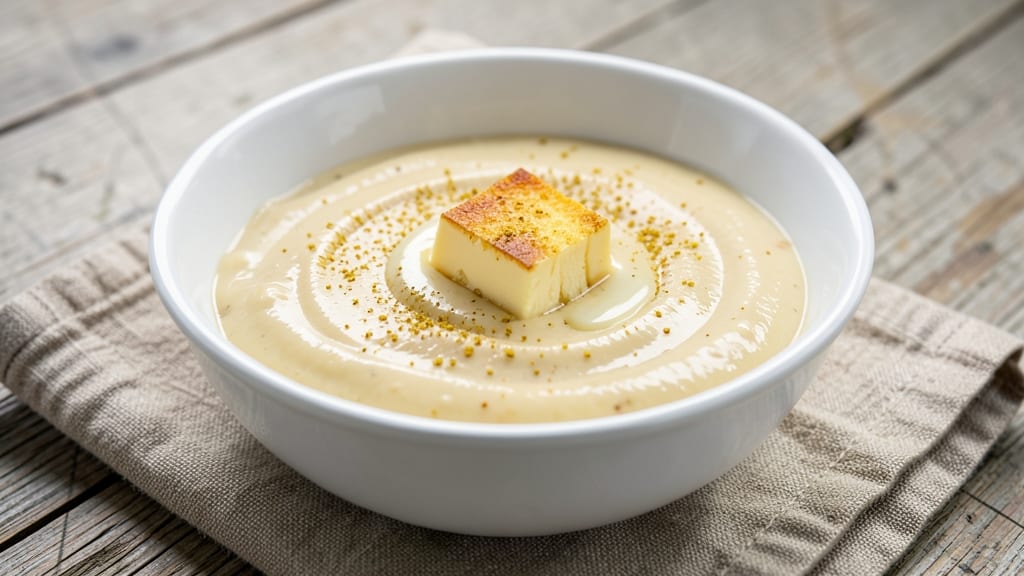
Creating McDonald's mac and cheese sauce at home delivers that signature velvety texture and rich cheesy flavor using just five simple ingredients. The secret lies in balancing powdered cheese with butter and milk to achieve the perfect creamy consistency without lumps.
I've recreated this sauce exactly as it tastes in restaurants, using precise measurements and a foolproof technique.
This sauce relies on a 1:1 ratio of powdered cheese to butter—a critical balance that prevents graininess while maximizing flavor. The addition of a pinch of mustard powder and salt enhances depth, giving it that familiar tangy kick.
What makes this sauce truly special is how it coats pasta perfectly, creating that iconic creamy, stretchy texture you know and love.
With just 10 minutes of active prep, you'll have a sauce that's smoother than store-bought versions and packed with authentic restaurant taste. The key is patience during the mixing process—allowing the cheese to fully melt into the butter and milk creates that signature velvety finish.
This sauce works equally well over baked mac and cheese or as a creamy dip.
Once you try homemade, you'll never settle for anything less. The best part? It keeps well in the fridge for up to 5 days, making it perfect for meal prep or batch cooking. Let's get started on recreating this classic sauce at home.
Ingredients for mcdonald's mac sauce
Five ingredients. One game-changing sauce. That iconic McDonald's velvety texture starts right here.
| Ingredient | Amount | Notes |
|---|---|---|
| Powdered Mac and Cheese Mix 🧀 | 1 cup | Kraft Macaroni & Cheese (original flavor) |
| Unsalted Butter 🧈 | 1 cup | Cold, cubed for even melting |
| Whole Milk 🥛 | 1 ½ cups | Room temperature preferred |
| Mustard Powder 🌶️ | ¼ tsp | Yellow mustard powder only |
| Salt 🧂 | ¼ tsp | Kosher or sea salt |
The powdered cheese mix is non-negotiable—Kraft Macaroni & Cheese (original flavor) is the only one that gives that signature tang. Grab a box from any grocery store, but check the expiration date—old powder makes grainy sauce. Butter matters too: unsalted and cold cubes melt slower, creating that silky finish. I always buy Land O'Lakes unsalted sticks from Costco—they're cheaper and last forever. The milk? Whole milk is key for creaminess, but 2% works in a pinch if that's what you've got. Just let it sit out for 10 minutes before using.
No mustard powder? Dijon mustard at half the amount works wonders—just whisk it in at the end. Running low on butter? Olive oil at 3/4 cup keeps the sauce smooth, though it won't taste identical. The salt is adjustable—taste as you go! Want extra richness? Add 1 tbsp heavy cream at the finish. Pro tip: If your sauce gets too thick, 1 tsp milk at a time fixes it instantly. And if you're feeling fancy, a splash of white wine or cream cheese adds depth, but we're keeping it classic here.
This sauce is a fridge staple—keeps 5 days in an airtight container, though it's best within 3. Double the batch and freeze portions in ice cube trays for perfect single servings later. The magic happens when you let it sit 5 minutes after mixing—patience prevents lumps. Store leftovers with a parchment paper barrier to avoid absorbing fridge odors. Trust me, once you go homemade, you'll never buy the packet stuff again.
Why You'll Love This Recipe
- Five-Ingredient Magic: I swear by this recipe—just the box mix, butter, milk, mustard powder, and a pinch of salt. That’s it. No fancy prep, no measuring chaos, just stir and melt. It’s the kind of simplicity that makes me feel like I’ve outsmarted a takeout run.
- Secret Sauce Flavor: Here’s what sold me—the mustard powder. It’s subtle but there, giving that signature tang you crave. The butter melts into something richer than the box promises, and the milk doesn’t make it watery. It’s creamy, cheesy, and just a little bit nostalgic.
- Leftover Hero: Between us, this sauce reheats like a dream. Cold leftovers? Still solid. Microwave them with a splash of milk, and they’re back to creamy perfection. I make a big batch on Sundays because it’s my go-to for lazy nights or last-minute potlucks.
- Budget-Buster Hack: Honestly, this is my secret weapon for stretching meals. A box mix, a stick of butter, and milk cost pennies compared to restaurant portions. Plus, it’s the kind of dish where you can bulk it up with whatever’s in the fridge—hot dogs, chicken, or even just extra noodles. No waste, all win.
Step-by-step instructions for McDonald's mac and cheese sauce
Here's how to recreate that iconic, velvety sauce using just five simple ingredients.
Melt the Butter Slowly for Perfect Texture
Place the 1 cup unsalted butter in a medium saucepan over medium-low heat. Let it melt completely, stirring occasionally until it's fully liquid and smooth. I like to watch for tiny bubbles forming around the edges—that's your signal the butter is ready. Be patient here; rushing causes the butter to brown or separate later.
Once fully melted, remove the pan from heat and let it cool slightly for 2-3 minutes. This step is crucial because cold butter cubes can cause the sauce to seize up when combined with the powdered mix. The butter should be warm to the touch but not hot enough to cook the milk immediately.
Whisk in the Powdered Mac and Cheese
Return the pan to medium heat and sprinkle the 1 cup powdered mac and cheese mix directly over the melted butter. Immediately begin whisking vigorously to prevent any lumps from forming. You'll see the mix start to bubble and sizzle—that's the starch in the powder activating.
Keep whisking for 1-2 minutes until the mixture turns into a thick, creamy paste that coats the back of your spoon. This is where the magic happens—the powder absorbs the butter's fat and begins forming the sauce's velvety base. If you see any dry spots, stir in a few drops of milk to help it incorporate smoothly.
Gradually Add the Milk for Smooth Consistency
With the heat still at medium, slowly pour in the 1.5 cups whole milk while continuing to whisk constantly. I add it in a thin, steady stream—this prevents the sauce from curdling or becoming too thick too quickly. You want to maintain a gentle simmer, not a rolling boil.
After adding all the milk, let the sauce cook for 3-4 minutes until it thickens noticeably. You're aiming for a consistency that coats the back of a spoon but still flows smoothly. The sauce should look glossy and creamy, not grainy or watery. If it's too thick, whisk in 1-2 tablespoons of milk at a time until you reach the perfect texture.
Season and Finish to Perfection
Reduce the heat to low and stir in the 0.25 teaspoon mustard powder and 0.25 teaspoon salt. The mustard powder might seem like an odd addition, but it's what gives McDonald's sauce that signature tangy depth. Whisk for 30 seconds to fully incorporate the seasoning.
Taste and adjust the seasoning if needed—you might want to add a pinch more salt or a tiny bit of mustard powder for extra flavor. Let the sauce simmer for another 1-2 minutes to let all the flavors meld together. The final sauce should be smooth, velvety, and slightly thicker than traditional mac and cheese—this is what makes it so irresistibly creamy.
Use Immediately for Best Results
Transfer the sauce to a serving bowl or directly over cooked macaroni. The sauce will continue to thicken slightly as it cools, so it's best to serve it immediately. If you need to reheat leftovers, do so over low heat while stirring constantly to prevent it from becoming grainy.
This sauce makes a perfect topping for 4 servings of elbow macaroni. The secret to its restaurant-quality texture lies in the slow, careful melting of the butter and the gradual incorporation of the milk. Don't rush these steps—each one builds the sauce's signature creaminess that everyone loves!
Pro Tips For Making Mcdonald'S Mac Sauce
- STIR CONSTANTLY AFTER BOILING: The second the sauce hits a full boil, drop the heat to medium and stir like you’re trying to win a race. I learned this the hard way—lumps form faster than you think, and once they’re there, they’re stubborn. Keep that whisk or wooden spoon moving for at least 2 minutes after the mix dissolves completely.
- USE WHOLE MILK, NOT 2%: Whole milk’s fat content is what gives McDonald’s sauce that signature richness—don’t skimp. If you’re using reduced-fat milk, add 1 extra tablespoon of butter to compensate. I was skeptical until I tried it; the texture and flavor are noticeably smoother.
- ADD MUSTARD LAST, NOT FIRST: Sprinkle the mustard powder after the sauce has thickened but before it’s fully off the heat. Mixing it in too early can make the sauce bitter, and adding it cold at the end ensures it blends without overpowering. Trust me, this is the thing that matters most for that authentic tang.
- COOK PAST THE PACKAGE TIME: Most box instructions say 5–7 minutes, but McDonald’s sauce needs 8–10 minutes of simmering to develop that deep, cheesy flavor. I skip this when I’m lazy, but the dish is noticeably better when I don’t. Cover the pot and let it bubble gently—no rushing.
Creative variations of this dish
Cheesy Twist Variations
Add ½ cup shredded cheddar cheese to the finished sauce for extra richness—I like sharp white cheddar for that McDonald's-like tang. For a smoky flavor, stir in 1 tbsp smoked paprika during the final simmer.
This works especially well if you're using the sauce as a dip for fries or pretzels. 🧀
Spicy Kick Options
For heat lovers, whisk in ¼ tsp cayenne pepper or ½ tsp hot sauce at the end. I recommend Tabasco for its classic tangy heat. For a more complex spice profile, add ½ tsp chipotle powder while the sauce simmers.
This transforms the sauce into a perfect topping for loaded nachos or tacos.
Dairy-Free Adaptations
Replace butter with 1 cup olive oil and use 1.5 cups unsweetened almond milk for a vegan version. Add 1 tbsp nutritional yeast for that cheesy depth. For extra creaminess, blend in ½ cup silken tofu. This version works beautifully over pasta or as a dip for veggie sticks.
Global Fusion Takes
Create a buffalo mac by whisking in ¼ cup hot sauce and 1 tbsp melted butter after cooking. For a Mexican-inspired version, add ½ tsp cumin and ¼ tsp garlic powder to the powdered mix. Both versions keep that signature creamy texture while adding exciting new flavors.
Thicker or Thinner
Need a thicker sauce? Simmer uncovered for 2-3 extra minutes to evaporate excess moisture. For a thinner consistency, whisk in 1-2 tbsp milk at a time. The key is to adjust gradually—this sauce should still coat the back of a spoon but remain pourable.
I've even used it as a creamy pasta sauce or grilled cheese filling with great success. ✨
Nutrition facts
Frequently asked questions
Why does McDonald's mac sauce taste different from homemade powdered mac and cheese?
The secret lies in the 1:1 butter-to-powder ratio and the addition of mustard powder for that signature tang. Restaurant versions use more butter and less milk than standard recipes, creating a richer, velvety texture. The slow melting process also prevents lumps for that signature smoothness.
Can I make this sauce without powdered mac and cheese mix?
Yes! For a 3-ingredient version, melt 1 cup butter with 1 cup all-purpose flour, then whisk in 2 cups milk and 1 cup shredded cheddar. Add 0.25 tsp mustard powder for that familiar flavor. The texture will be slightly different but still creamy.
How do I fix lumpy sauce?
Immediately remove from heat and whisk vigorously with 1-2 tablespoons cold milk while adding a pinch of salt. If lumps persist, strain through a fine-mesh sieve for ultra-smooth results. The key is patience—don't rush the butter melting or milk addition.
Can I freeze this sauce?
Portion into ice cube trays, freeze solid, then transfer to a bag. Thaw in the fridge overnight and reheat gently over low heat while stirring constantly. The texture remains creamy when reheated properly, though it may thicken slightly. Perfect for meal prep!
What's the best way to use leftover sauce?
Transform it into a creamy pasta sauce, grilled cheese filling, or dipping sauce for fries. For extra flavor, stir in ½ cup shredded cheese or 1 tbsp hot sauce. The sauce keeps well for 5 days in the fridge—just reheat gently to maintain that velvety texture.