
Sauces & Condiments
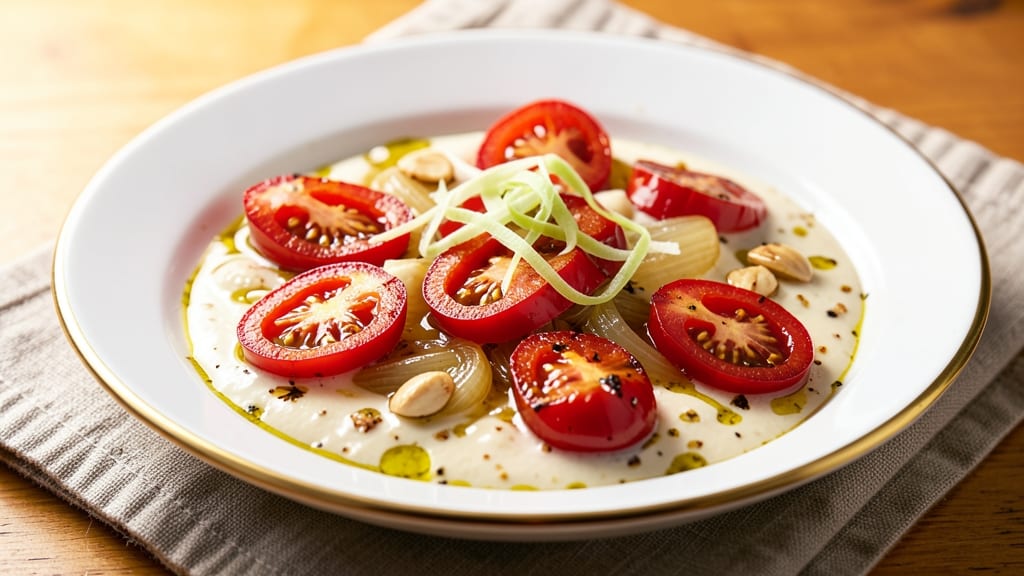
This Mozambique sauce recipe transforms grilled fish into a tropical masterpiece with its smoky coconut-citrus blend—a perfect marriage of East African warmth and coastal brightness.
The secret lies in balancing fresh tomatoes, aromatic ginger, and a touch of coconut milk for velvety depth, all simmered until the flavors meld into a vibrant, slightly thickened sauce. After perfecting this at a coastal seafood festival, I knew it deserved a place in every home kitchen.
The sauce begins with a fragrant base of onions, garlic, and peppers, gently caramelized before adding tomatoes and spices like bay leaves and cinnamon for subtle warmth. Coconut milk rounds out the richness while citrus zest brightens the finish, creating a sauce that’s versatile yet distinct.
It works as a dip for grilled fish, a base for stews, or even a bold marinade—each use reveals new layers of flavor.
What makes this sauce truly special is its ability to elevate simple ingredients into something extraordinary. The smoky undertones from the spices pair beautifully with the tropical sweetness of coconut, while the citrus ensures every bite is fresh and invigorating.
Ready in about 45 minutes, it’s perfect for weeknight dinners or special occasions when you want to impress without fuss.
Serve it alongside grilled mahi-mahi, shrimp skewers, or even as a dipping sauce for crispy plantains. The balance of flavors makes it equally at home in a seafood feast or a casual backyard barbecue. Here’s how to create this restaurant-worthy sauce at home.
Ingredients for mozambique sauce
Nine ingredients transform into a vibrant sauce that elevates grilled fish to restaurant-worthy heights.
| Ingredient | Amount | Notes |
|---|---|---|
| Extra-Virgin Olive Oil 🫒 | ¼ cup | High-quality for caramelization |
| Yellow Onion 🧅 | 1 whole | Medium size, finely diced |
| Garlic Cloves 🧄 | 4 cloves | Fresh, minced for aromatic base |
| Red Bell Pepper 🌶️ | 1 whole | Medium size, diced for sweetness |
| Fresh Tomatoes 🍅 | 1 lb | Ripe, Roma variety preferred |
| Fresh Ginger Root 🌿 | 2 tbsp | Finely grated, aromatic |
| Coconut Milk 🥥 | 1 can | Full-fat for richness (13.5 oz) |
| Bay Leaves 🍃 | 2 whole | Dried or fresh for depth |
| Ground Cinnamon 🌶️ | 1 tsp | Freshly ground for warmth |
| Lemon Zest 🍋 | 1 tbsp | Fresh, finely grated |
The foundation begins with extra-virgin olive oil—look for California or Italian varieties at specialty grocers like Whole Foods or Trader Joe's for optimal flavor. Yellow onions should be firm with white flesh, avoiding any sprouting. Garlic cloves should be plump and free of moisture—Costco often carries premium bulbs. For the bell pepper, red delivers the perfect balance of sweetness and subtle heat, while Roma tomatoes (or their equivalent) ensure a meaty texture without excess water. Fresh ginger root is non-negotiable; Asian markets typically offer the freshest, most aromatic roots. The coconut milk should be full-fat—Aroy-D or Thai Kitchen brands provide consistent quality.
No fresh ginger? Ground ginger at half the amount works, though it lacks complexity. Substitute Roma tomatoes with 2 cups canned San Marzano if needed—just drain well. For the cinnamon, Ceylon offers a more delicate profile than cassia, but either suffices. The bay leaves can be dried, but fresh intensifies the earthy notes. Lemon zest is best freshly grated; pre-grated zest loses potency quickly. If coconut milk is unavailable, Greek yogurt (thinned with water) approximates the texture, though the flavor will differ slightly. The olive oil can be swapped for avocado oil if preferred, though it lacks the fruity depth.
Store the sauce in an airtight glass container for up to 5 days in the refrigerator. For longer storage, freeze in ice cube trays—thaw and reheat gently for optimal texture. The sauce thickens as it cools, so stir well before reheating. When serving, a drizzle of extra-virgin olive oil enhances the presentation. The sauce pairs exceptionally with grilled mahi-mahi or shrimp skewers, though its versatility extends to plantain dishes or as a marinade for poultry. Portion into small containers for easy reheating—ideal for meal prep.
Why You'll Love This Recipe
- Pantry-Friendly Magic: I swear by this sauce because it uses what I always have—olive oil, onions, and tomatoes—no fancy shopping needed. The bell pepper adds a bright pop, but even if it’s not in season, the garlic and olive oil carry the day.
- Savory-Sweet Balance: That charred red bell pepper? It’s the star—sweet, smoky, and just a little crispy around the edges. The tomatoes soften into a velvety base, while the garlic hits like a warm hug. (Between us, I’ve made it without peppers, and it’s still solid.)
- Weeknight Superstar: Drizzle it over pasta in 10 minutes, toss it with grilled chicken for dinner, or even use it as a dip—it’s that adaptable. Honestly, I’ve had it cold the next day on toast, and it was still ridiculous.
- Leftovers That Shine: This sauce actually improves after a day in the fridge. The flavors meld into something deeper, and it reheats like a dream. I’ve frozen batches for months; just thaw and stir. (Yes, even on a Tuesday night.)
Step-by-step instructions for Mozambique sauce
Transform simple ingredients into a vibrant, aromatic sauce that balances smoky depth with bright citrus notes.
Develop the Aromatic Base
Heat the 0.25 cup extra-virgin olive oil in a medium saucepan over medium heat. Add the 1 whole yellow onion, 1 whole red bell pepper, and 4 cloves garlic cloves, stirring occasionally for 5-7 minutes until the onion softens and the bell pepper becomes translucent. The oil should shimmer but not darken—this ensures a rich foundation without bitterness.
Add the 2 tbsp finely grated fresh ginger root and 1 tsp ground cinnamon, stirring for 30 seconds until fragrant. The ginger will release its sharp aroma while the cinnamon adds subtle warmth. Remove from heat briefly to prevent burning, then return to the pan. This step builds the sauce's complex flavor profile before introducing the tomatoes.
Incorporate Tomatoes and Simmer
Add the 1 lb fresh tomatoes, chopped into small pieces, and the 2 whole bay leaves to the pan. Stir well to combine, then reduce heat to low and let the mixture simmer uncovered for 10-12 minutes. The tomatoes should break down into a thick, jam-like consistency, releasing their natural sweetness and acidity. Stir occasionally to prevent sticking, and scrape up any browned bits from the bottom of the pan—they carry concentrated flavor.
Taste the mixture at this stage. It should balance sweetness, acidity, and a hint of spice. If needed, adjust seasoning with a pinch of salt, but resist the urge to add more tomatoes—their natural reduction is key to the sauce's depth. The bay leaves will infuse subtle earthiness, so don't remove them until the sauce is fully developed.
Blend and Finish with Coconut Milk
Using an immersion blender, carefully purée the tomato mixture until smooth. If you prefer a chunkier texture, leave a few small pieces of tomato intact. Return the sauce to medium heat and stir in the 1 can coconut milk, whisking gently to combine. The coconut milk will create a velvety consistency while adding a creamy richness that contrasts the sauce's acidity.
Simmer the sauce for 5-7 minutes until it thickens slightly. The mixture should coat the back of a spoon but remain fluid enough to drizzle. If the sauce is too thick, add 1-2 tablespoons of water to reach your desired consistency. The coconut milk will separate slightly at the top—this is normal and indicates a well-balanced sauce.
Brighten with Citrus and Final Adjustments
Remove the sauce from heat and stir in the 1 tbsp lemon zest, distributing it evenly throughout. The zest will introduce a bright, citrusy note that cuts through the sauce's richness, creating a harmonious balance. Taste again and adjust seasoning if needed—this is your final opportunity to refine the flavor. The sauce should be vibrant, aromatic, and ready to pair with grilled fish or other proteins.
Let the sauce rest for 5 minutes before serving. This allows the flavors to meld further, ensuring each spoonful delivers a cohesive blend of smoky, sweet, and citrusy notes. Serve immediately over grilled fish, seafood, or even as a dipping sauce for crusty bread. The sauce's versatility makes it a standout addition to any meal.
Pro Tips For Making Mozambique Sauce
- Sweat the Onion Slow: Mozambique sauce needs that deep, caramelized base, and rushing the onions is how you end up with raw bits floating in the sauce. Take your time—at least 8-10 minutes on medium-low heat—until they’re golden and breaking down into a sticky paste. (Yes, even if you’re staring at the clock like I used to.)
- Roast the Peppers First: Fresh red bell pepper tastes bland when raw in this sauce. Char it whole under the broiler for 5-6 minutes—skin blackened, edges crisp—then peel and chop. The smoky depth cuts through the acidity of the tomatoes and makes the whole dish sing. (I learned this after tasting a store-bought jar of sauce and wondering why mine never tasted like that.)
- Crush Garlic with Salt: Skip the mincer—crush the garlic cloves with a pinch of salt before adding them to the oil. This prevents burning (they’ll cook faster) and adds a subtle, even flavor instead of overpowering hits. (And no, you won’t taste the salt—it dissolves into the oil.)
- Simmer Tomatoes Until Syrupy: Don’t just dump chopped tomatoes in and call it done. Let them cook uncovered for 15-20 minutes until they reduce by at least half and the sauce thickens into a glossy, slightly sticky consistency. That’s when the flavors meld properly. (I used to walk away early, and the sauce always tasted watery.)
Regional styles of these flavors
East African Coastal Style
In coastal regions like Mozambique and Kenya, this sauce often incorporates fresh seafood stock instead of water to deepen the umami profile. I like using shrimp shells or fish heads simmered for 15 minutes to create a light, aromatic stock.
Add 1 tbsp fish sauce (like Red Boat) for a salty, funky depth that balances the coconut sweetness. Fresh cilantro stems are also tossed into the blend for a bright, herbal finish. 🌊
South African Braai Twist
For a South African braai (barbecue) adaptation, swap the coconut milk for Greek yogurt and add 1 tbsp smoked paprika to enhance the smoky char. The sauce pairs perfectly with boerewors (South African sausage) or grilled lamb chops.
I also stir in 1 tsp honey at the end to caramelize the flavors over the grill’s heat. The yogurt adds a tangy contrast to the smoky spices. 🔥
Indian Ocean Fusion
Influences from Indian Ocean trade routes blend here with curry leaves and mustard seeds for a bold twist. Toast 1 tsp mustard seeds in the olive oil until they pop, then add 4-5 curry leaves with the ginger and cinnamon.
The leaves infuse an earthy, almost floral note that elevates the sauce’s complexity. This version works beautifully with tandoori chicken or spiced shrimp. 🌿
Tropical Fruit Variation
For a fruit-forward take, blend in ½ cup mango purée or passion fruit pulp at the end for a sweet-tart balance. The mango adds a tropical brightness that complements the smoky spices, while passion fruit introduces a tangy depth.
This lighter version is ideal for grilled pineapple skewers or as a dip for plantain chips. 🍍
Herb-Infused Adaptation
Fresh herbs like thyme or lemongrass transform this sauce into a fragrant, aromatic masterpiece. Add 2 stems lemongrass, bruised and chopped, along with the ginger. For thyme, use 1 tbsp fresh leaves—it pairs wonderfully with the coconut and citrus.
This version shines with grilled mahi-mahi or shrimp tacos. The herbs add a bright, almost floral note that cuts through the richness. 🌿
Spicy Heat Boost
For those who love heat, add 1-2 tbsp fresh chili paste (like Melinda’s) or 1-2 sliced bird’s eye chilies with the onions. The chilies infuse a fiery kick that lingers without overpowering the sauce’s depth.
Balance the heat with a splash of lime juice at the end. This spicy version is perfect for grilled jalapeño poppers or as a marinade for spicy shrimp. 🌶️
Nutrition facts
Frequently asked questions
Can I make Mozambique sauce without coconut milk?
For a dairy-free version, replace the coconut milk with ½ cup Greek yogurt thinned with ½ cup water to match the creamy texture. Alternatively, use ½ cup heavy cream for richness or 1 cup tomato juice for a lighter, tangier sauce. The citrus and spices will still shine through, just with a different mouthfeel.
How do I adjust the spice level in this sauce?
Start by removing the seeds from the bell pepper for mild heat, or keep them for a subtle kick. For extra spice, add ½-1 tsp cayenne pepper with the cinnamon or stir in 1 tbsp hot sauce at the end. Balance with 1 extra tbsp lemon zest to brighten the flavors. Always taste as you go—adjust gradually!
Can I prepare this sauce ahead of time?
Yes! This sauce tastes even better the next day as flavors meld. Store it in an airtight glass container in the fridge for up to 5 days. Reheat gently on the stove, stirring occasionally, and add 1-2 tbsp water if it thickens too much. For longer storage, freeze in ice cube trays—thaw overnight in the fridge before reheating.
What’s the best way to use leftover Mozambique sauce?
This versatile sauce works as a marinade for grilled chicken or shrimp, a dip for crusty bread or plantains, or a base for seafood stews. Thin it with broth or water if needed for pouring. It also makes a bold pasta sauce—toss with linguine and fresh basil for an unexpected twist!
Why does my sauce look separated after blending?
This is normal! The coconut milk may separate slightly due to its fat content. Simply whisk vigorously before serving to re-emulsify. For a smoother texture, blend again briefly with 1 tbsp water to help bind the ingredients. The separation doesn’t affect flavor—it’s just the natural behavior of dairy-based sauces.