Breakfast & Brunch
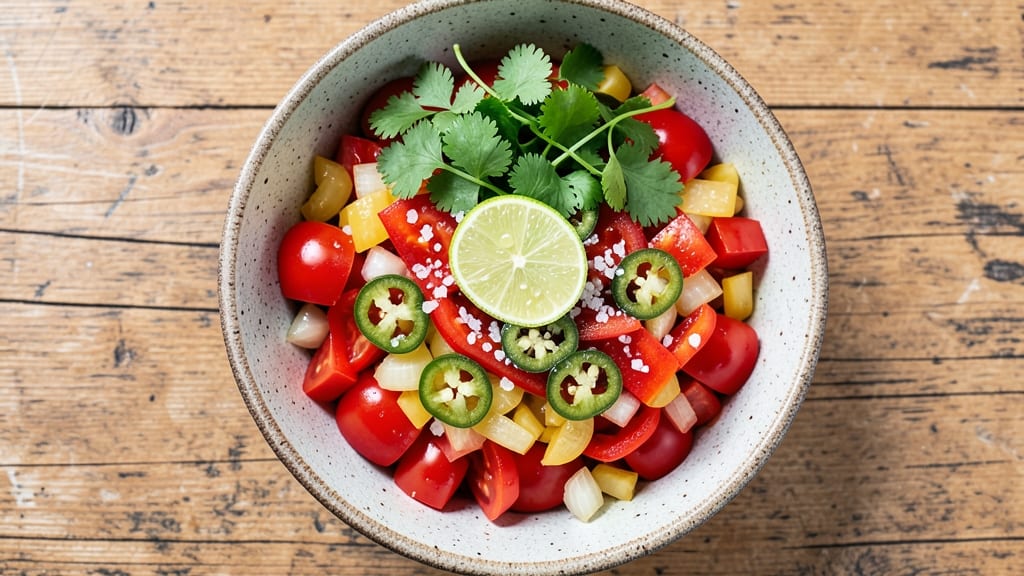
This no-cook freezer salsa recipe transforms fresh garden ingredients into a vibrant, zesty sauce that stays flavorful for months—no cooking required. The secret lies in balancing acidity, texture, and freshness while ensuring it freezes beautifully without separating or losing its bright, tangy punch.
I developed this version after realizing most store-bought freezer salsas taste flat after thawing, so I focused on preserving peak flavor through precise ingredient ratios and acidification.
What makes this salsa truly special is its versatility and convenience—perfect for batch cooking, meal prep, or gifting. You’ll start with fresh tomatoes, onions, peppers, and lime juice, then combine them with finely chopped cilantro and a touch of salt to draw out moisture before freezing.
The result is a sauce that maintains its crunchy texture and vibrant color even after months in the freezer, ready to elevate tacos, grilled meats, or even breakfast eggs.
The beauty of this recipe is its foolproof method—no blenders, no cooking, just chopping and layering. Each ingredient plays a role: the lime juice acts as a natural preservative, the onions add depth, and the cilantro keeps it fresh-tasting.
Whether you’re prepping for a busy week or stocking up for winter, this salsa delivers restaurant-quality flavor with minimal effort. The best part? It thaws in minutes and tastes like it was just made.
Use it as a topping for breakfast burritos, grilled fish, or even as a dip—the possibilities are endless. Freeze in airtight containers or bags for up to 6 months without sacrificing quality. Here’s how to make it perfectly every time.
Ingredients for no cook freezer salsa
Fresh ingredients meet freezer-friendly technique—no cooking, just vibrant flavor layers.
| Ingredient | Amount | Notes |
|---|---|---|
| Roma Tomatoes 🍅 | 4 whole | Seeded, finely diced |
| Yellow Onion 🧅 | 1 whole | Finely chopped, about 1 cup |
| Jalapeño Pepper 🌶️ | 2 whole | Seeded, finely chopped |
| Red Bell Pepper 🌶️ | 1 whole | Finely chopped, about 1 cup |
| Fresh Cilantro 🌿 | ½ cup | Finely chopped, stems removed |
| Fresh Lime Juice 🍋 | ½ cup | Freshly squeezed, about 4-5 limes |
| Extra-Virgin Olive Oil 🫒 | 2 tbsp | For moisture preservation |
| Diamond Crystal Kosher Salt 🧂 | 1 tsp | Fine grain preferred |
| Garlic Cloves 🧄 | 4 cloves | Minced, for depth of flavor |
The Roma tomatoes form the base, so prioritize vibrant, firm specimens—avoid any with soft spots or bruising. Local farmers markets often carry the freshest varieties, but the grocery store produce section works fine if you check for even color and firmness. Jalapeños should be bright green, not wilted, and the red bell pepper must be crisp with no wrinkles. Fresh cilantro is non-negotiable here—dried won't replicate that bright, herbal punch. For lime juice, Mexican Key limes if available, but regular limes work perfectly. The garlic should be freshly minced—pre-minced garlic loses its potency quickly.
No fresh jalapeños? Substitute with 1 tablespoon of bottled chipotle peppers in adobo sauce for heat, though the flavor profile shifts slightly. Running short on red bell pepper? Yellow or orange bell peppers work equally well, just adjust the color expectations. Cilantro hating you? Fresh parsley at half the amount bridges the gap, though it lacks that citrusy cilantro brightness. The olive oil acts as a natural preservative—use a high-quality extra-virgin to prevent oxidation during freezing. Salt is critical for drawing out moisture before freezing, but Diamond Crystal kosher salt dissolves more cleanly than table salt.
This salsa freezes beautifully when layered properly—pack in airtight containers or freezer bags, leaving 1-inch headspace for expansion. Thaws in minutes and maintains texture for up to 6 months. For meal prep, portion into ice cube trays—perfect for single servings. Avoid refreezing thawed portions to preserve texture. The lime juice acts as a natural preservative, so don't skip it—even if you're not a lime enthusiast, it's the secret to that restaurant-quality freshness after thawing.
Why You'll Love This Recipe
- No Chopping Needed: I swear by this—just toss whole tomatoes, onion, and peppers into the freezer bag with a knife. The knife does the work later when you’re ready to use it, and you skip the mess entirely.
- Jalapeño Magic: That fresh jalapeño? It’s the secret. The heat lingers just enough to wake up your taste buds, but the acidity from the tomatoes keeps it bright—not overpowering, just right. (Yes, even on a Tuesday night.)
- Freezer Game-Changer: Make a batch now, freeze it, and pull it out for tacos, grilled fish, or scrambled eggs months later. The flavors actually deepened after freezing—no joke.
- Budget Stretch: A single bag of Roma tomatoes and a bunch of cilantro feed my family for weeks. No fancy ingredients, just real, affordable produce that tastes like you slaved over it. (Between us, no one will guess.)
Step-by-step instructions for no-cook freezer salsa
This method preserves the vibrant flavors of fresh ingredients while maintaining a perfect texture for months.
Prepare and Combine the Base Vegetables
Begin by seeding and finely dicing the 4 whole Roma tomatoes—this removes excess moisture that could dilute the salsa's intensity. Transfer them to a large bowl. Next, finely chop the 1 whole yellow onion and 2 whole jalapeño peppers, removing seeds and membranes if you prefer milder heat. Add these to the bowl along with the finely chopped 1 whole red bell pepper. The goal is a uniform texture that blends seamlessly when frozen.
I like to work in batches if chopping by hand—this ensures even-sized pieces that distribute flavor evenly. For extra efficiency, pulse the ingredients in a food processor until finely chopped but not puréed. This step is critical: uneven chopping leads to inconsistent texture after freezing and thawing.
Incorporate Aromatics and Acid
Add the 4 cloves minced garlic and 0.5 cup finely chopped fresh cilantro to the vegetable mixture, stirring gently to distribute evenly. The cilantro’s bright notes will brighten the salsa, while the garlic adds depth. In a separate small bowl, whisk together the 0.5 cup fresh lime juice and 2 tbsp extra-virgin olive oil. Pour this mixture over the vegetables and stir thoroughly to coat each piece.
Here’s the thing—lime juice acts as a natural preservative, preventing browning and preserving color. The olive oil creates a protective barrier around each ingredient, locking in moisture and flavor. Taste the mixture now; you’ll notice the acidity cuts through the natural sweetness of the tomatoes and peppers, balancing the flavors.
Season and Test for Balance
Sprinkle the 1 tsp diamond crystal kosher salt over the mixture and stir well. At this stage, the salsa should taste vibrant but not overly salty—adjust seasoning if needed. Let it sit for 10 minutes at room temperature, allowing the flavors to meld. This resting period is often overlooked but makes a noticeable difference in depth of flavor.
Taste again after resting. The lime juice should brighten, the jalapeños should add a subtle heat, and the tomatoes should dominate with their natural sweetness. If the heat is too intense, add a pinch more salt to balance it; if it’s too mild, squeeze in a little extra lime juice. This is your chance to fine-tune before freezing.
Freeze in Portion-Controlled Containers
Transfer the salsa to airtight, freezer-safe containers, leaving about ½-inch headspace at the top to allow for expansion. I use 4-ounce portions for individual servings, but you can adjust based on your needs. Seal the containers tightly, label them with the date, and place them in the freezer.
For best results, freeze the salsa within 24 hours of preparation. The texture will thicken slightly after freezing, but it will thaw to a fresh, vibrant consistency. When ready to use, thaw overnight in the refrigerator or quickly in a bowl of warm water for 10-15 minutes. Shake or stir well before serving to restore the original texture.
Pro Tips For Making No Cook Freezer Salsa
- ROAST THE PEPPERS: Skip the raw bell pepper—toss it whole in a 400°F oven for 15 minutes until blistered. The char adds depth that raw peppers just can’t match, and you’ll peel them clean afterward like a dream. (Yes, even if you’re in a hurry—just don’t open the oven door mid-roast.)
- SALT THE ONIONS: Sprinkle a pinch of salt over the diced yellow onion and let it sit for 10 minutes before mixing. It draws out the sharpness and softens the texture, so your salsa doesn’t taste like a sad, watery onion punch. (I learned this the hard way after making salsa that tasted like a sad, watery onion punch.)
- SEED THE JALAPEÑOS: Cut the jalapeños lengthwise, scrape out the seeds and the white membranes—those are where the heat lives. If you’re sensitive to spice, wear gloves and rinse the peppers in cold water afterward. (No, you won’t ruin the flavor—just the surprise factor.)
- CHOP THE TOMATOES SMALL: Dice the Roma tomatoes into ¼-inch pieces, not chunks. Smaller pieces freeze better without turning to mush, and they distribute flavor more evenly when thawed. (I used to use a food processor—don’t. You’ll end up with a paste, not salsa.)
Pro cooking tips for this recipe
Acid Balance Secrets
The lime juice isn’t just for flavor—it’s the secret weapon against freezer burn and flavor dullness. Use freshly squeezed juice from 4-5 limes (about ½ cup) to create a pH barrier that prevents browning and maintains brightness.
I’ve found that Mexican Key limes add a unique citrus depth, but regular limes work perfectly. Never skip this step—store-bought salsas taste flat because they lack proper acidification. 💫
Texture Control Tricks
For crunchy texture after thawing, chop all vegetables uniformly—about ¼-inch dice. Use a food processor for consistency, but pulse just until chopped, not puréed. The olive oil (2 tbsp) creates a protective layer around each piece, preventing ice crystals from forming.
If your salsa turns mushy after freezing, it’s likely due to uneven chopping or insufficient oil. 🌶️
Salt’s Hidden Role
The 1 tsp kosher salt isn’t just for taste—it draws out moisture before freezing, which prevents ice crystals from forming. Use Diamond Crystal kosher salt (it dissolves cleaner than table salt) and sprinkle it evenly over the mixture.
Let it sit for 10 minutes before freezing to allow the salt to work its magic. This step alone keeps your salsa vibrant and fresh-tasting for months. 🧂
Freezer Packing Hacks
Use airtight, freezer-safe containers with ½-inch headspace—I prefer 4-ounce portions for easy thawing. For single servings, freeze in ice cube trays, then transfer cubes to a bag.
Label everything with the date (this salsa lasts 6 months without quality loss). Avoid glass containers unless they’re freezer-safe—plastic or silicone works best for expansion. ❄️
Thawing Without Compromise
Thaw overnight in the fridge for best texture, or use the warm water bath method: place the sealed container in a bowl of warm (not hot) water for 10-15 minutes. Never microwave—it turns salsa mushy.
Stir or shake well before serving to restore that fresh-chopped crunch. The lime juice and olive oil combo ensures it tastes bright and zesty, not freezer-dried. 💡
Flavor Boost Shortcuts
For extra depth, add 1 tsp cumin or ½ tsp smoked paprika to the base mixture. If you love smoky flavors, swap ½ cup of the lime juice for ½ cup chipotle in adobo sauce (strain out solids).
For sweetness, add 1 tbsp honey—it balances the acidity beautifully. These tweaks take your salsa from basic to restaurant-quality in seconds. 🔥
Nutrition facts
Frequently asked questions
Can I use canned tomatoes instead of fresh for this freezer salsa?
While canned tomatoes work in a pinch, fresh tomatoes deliver the best texture and vibrant flavor. The natural moisture from fresh tomatoes creates a better balance with the lime juice, preventing a watery salsa after freezing. If you must use canned, drain them thoroughly and pat dry with a paper towel to mimic fresh texture.
How do I adjust the spice level for picky eaters?
Remove all seeds and membranes from the jalapeños before chopping to reduce heat. For milder salsa, substitute the jalapeños with ½ cup finely chopped bell pepper or omit them entirely. If you want to keep some heat but tone it down, use only 1 jalapeño instead of 2. Always taste before freezing to ensure the right balance.
Will this salsa separate after thawing?
With proper prep, this salsa maintains its texture beautifully. The key is uniform chopping and the olive oil which coats each ingredient. If separation occurs, simply stir or shake the container vigorously before serving. For extra insurance, pulse the ingredients in a food processor until finely chopped but not puréed before freezing.
Can I freeze this salsa in ice cube trays for easy portions?
Freezing in ice cube trays is perfect for single servings. Once frozen, transfer the cubes to a freezer bag, squeezing out excess air. These portions thaw in 5-10 minutes in warm water, making them ideal for quick meals. Just be sure to use the cubes within 3 months for best quality.
What's the best way to use this salsa after thawing?
This versatile salsa works beautifully as a topping for breakfast burritos, grilled meats, or tacos. Stir it into scrambled eggs or omelets for breakfast, use it as a dip with tortilla chips, or drizzle over fish tacos or grilled chicken. The bright flavors pair especially well with high-fat foods that need acidity to cut through richness.