
Sauces & Condiments
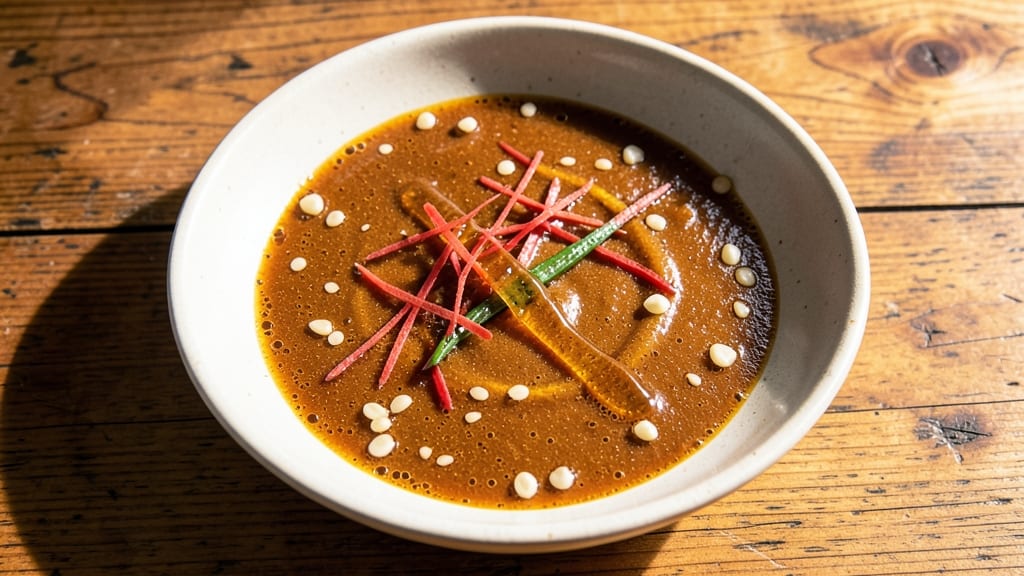
Creating an oriental sauce recipe that delivers restaurant-quality depth in minutes is simpler than you think—this umami-packed blend transforms any dish with just a few pantry staples. The secret lies in balancing sweet, salty, and tangy flavors through precise ingredient ratios and a quick simmering process.
I’ve refined this version over countless stir-fry nights, ensuring it’s foolproof for both beginners and home cooks looking to elevate their meals.
This sauce builds on classic oriental foundations but simplifies the process with a 5-ingredient base that comes together in under 15 minutes. No complicated techniques—just a saucepan, a whisk, and a taste for bold flavors. The result?
A glossy, aromatic sauce with layers of soy, garlic, ginger, and a touch of sweetness that clings perfectly to noodles, meats, or vegetables. It’s the kind of sauce that turns a simple weeknight dinner into a flavor experience.
The beauty of this recipe is its versatility—use it as a dipping sauce for spring rolls, a marinade for grilled chicken, or a finishing drizzle over steamed rice.
The sauce keeps well in the fridge for up to 5 days, so you can make a batch ahead and have it ready whenever cravings strike. Whether you’re cooking for one or feeding a crowd, this oriental sauce delivers professional results without the fuss.
Ready to transform your next meal? The ingredients are straightforward, the method is simple, and the payoff is undeniable. Let’s get started—your taste buds will thank you.
Ingredients for oriental sauce
Five core ingredients transform into a restaurant-worthy oriental sauce that clings to everything.
| Ingredient | Amount | Notes |
|---|---|---|
| Soy Sauce 🍶 | ½ cup | High-quality, reduced variety preferred |
| Sesame Oil 🫒 | 2 tbsp | Toasted, not flavored |
| Fresh Ginger Root 🌿 | 2 tbsp | Finely grated, fresh preferred |
| Garlic Cloves 🧄 | 4 cloves | Minced, fresh for best flavor |
| Honey 🍯 | 2 tbsp | Pure, light variety |
| Rice Vinegar 🍶 | 1 ½ tbsp | Seasoned preferred |
| Toasted Sesame Seeds 🥜 | 1 tbsp | For garnish, optional |
| Cornstarch 🌾 | 1 tsp | For thickening |
| Red Chili Flakes 🌶️ | ½ tsp | Adjust for heat preference |
The soy sauce is your flavor foundation—Kikkoman or Lee Kum Kee are my go-tos, but any high-quality brand works. Look for reduced soy sauce if you want deeper umami. Fresh ginger and garlic are non-negotiable here; pre-minced jars lose their punch fast. For the sesame oil, toasted varieties add nutty depth—skip the flavored kind, it’s overpowering. If you’re using a vinegar substitute, apple cider vinegar works but lacks the subtle sweetness of rice vinegar. And honey? Manuka or clover both work, but avoid artificial sweeteners—they’ll ruin the balance.
No sesame oil? Neutral oil plus a pinch of toasted sesame seeds mimics the flavor, though it’s not identical. Short on ginger? Ginger powder at half the amount gets you close, but fresh is ideal. The cornstarch is key for that glossy finish—arrowroot powder works too, but cornstarch is more accessible. Too spicy? Skip the chili flakes or swap for a pinch of sugar. Want extra depth? Add a dash of fish sauce (like Red Boat) or a splash of mirin for brightness. This sauce is forgiving, but those five core ingredients are your anchors—don’t skimp on quality there.
This sauce peaks after 3-4 days in the fridge, so make a batch and keep it on hand. Store it in a glass jar with a tight seal—plastic can absorb odors. Freezes beautifully for up to 3 months if you portion it into ice cube trays first. Garnish with toasted sesame seeds right before serving, or keep them separate for a pop of texture. A little goes a long way—start with 1-2 tablespoons per serving and adjust to taste. It’s the kind of sauce that tastes even better the next day as flavors meld.
Why You'll Love This Recipe
- Pantry Magic: I swear by this sauce because it’s made with things I already have—no special shopping trips. That first splash of sesame oil? Instant aroma upgrade. Honestly, I make it weekly just to keep my soy sauce from gathering dust.
- Umami Bomb: The garlic and ginger sizzle in the pan until they’re fragrant but not burnt, then the honey cuts through the saltiness like a perfect balance. Between us, this sauce turns even plain rice into something worth celebrating.
- Double-Duty Sauce: I use it for stir-fries, drizzle it on grilled chicken, and even toss cold noodles in it. My kids ask for it on pizza night—yes, even on a Tuesday night. It’s the kind of sauce that makes you want to cook everything in sight.
- Budget-Friendly Staple: A little goes a long way, and I’ve stretched one batch into three meals without breaking the bank. The honey keeps it from being too heavy, so I can use it liberally. My wallet and taste buds thank me every time.
Step-by-step instructions for oriental stir-fry sauce
This vibrant sauce comes together in minutes with bold flavors that elevate any stir-fry.
Prepare the Aromatics and Base
In a small bowl, finely grate the 2 tablespoons fresh ginger root using a microplane or the smallest holes of a box grater. The ginger should resemble wet sand—this ensures even distribution and maximum flavor infusion. In the same bowl, mince the 4 cloves garlic cloves into a fine paste using a sharp knife or garlic press. Set both aside.
In a medium saucepan, combine the 0.5 cup soy sauce and 1.5 tablespoons rice vinegar. Bring to a gentle simmer over medium heat, then immediately reduce to the lowest heat setting. This low-and-slow approach allows the flavors to meld without overcooking the delicate vinegar notes. Let the mixture simmer for 3-4 minutes until it begins to reduce slightly—you'll see the liquid level drop by about 1 tablespoon. This reduction concentrates the umami flavor and balances the acidity.
Sweeten and Thicken the Sauce
Add the 2 tablespoons honey to the simmering soy-vinegar mixture and stir gently to dissolve completely. The honey will create a beautiful glossy sheen and add depth to the sauce. Let it cook for another 2 minutes, stirring occasionally, until the mixture becomes slightly syrupy. This is where the sauce starts to transform from a simple base into something truly special.
In a separate small bowl, whisk together the 1 teaspoon cornstarch with 1 tablespoon cold water until smooth. This slurry is your thickening agent—cornstarch works better than flour here because it creates a glossy, translucent finish rather than a cloudy one. Slowly drizzle the cornstarch mixture into the sauce while stirring constantly with a wooden spoon. The sauce will thicken almost immediately, but keep stirring for 1-2 minutes until it reaches a smooth, velvety consistency that coats the back of a spoon. If it thickens too much, add 1 teaspoon hot water at a time until you achieve the perfect balance between cling and flow.
Infuse with Heat and Depth
Remove the sauce from heat and let it cool slightly for 1 minute. This brief rest prevents the sesame oil from immediately breaking and creating a greasy texture. Then, slowly drizzle in the 2 tablespoons sesame oil while whisking continuously. The oil should emulsify into the sauce, creating a silky texture rather than separating. If the sauce looks broken or oily, place the pan back over low heat for 30 seconds while whisking vigorously to re-emulsify.
Add the 0.5 teaspoon red chili flakes and stir to distribute evenly. The chili flakes will add a subtle heat that brightens the entire sauce. Taste and adjust the seasoning—you may want to add a pinch more soy sauce for saltiness or a drop more rice vinegar for acidity. For extra depth, I sometimes add a splash of 1 teaspoon toasted sesame seeds at this stage, though I save most for garnishing later. Let the sauce sit at room temperature for 5 minutes to allow all the flavors to fully meld together.
Finish and Store
Before using, give the sauce one final taste and adjust as needed. The ideal balance should have bright acidity from the rice vinegar, deep umami from the soy sauce, subtle sweetness from the honey, and a gentle warmth from the chili flakes. The sauce should coat a spoon smoothly without being gluey—if it's too thick, thin with 1 teaspoon hot water; if too thin, simmer for another 1 minute to reduce.
For immediate use, drizzle the sauce over your stir-fry and toss to coat evenly. For garnish, sprinkle with the remaining 1 tablespoon toasted sesame seeds just before serving. If storing, transfer to an airtight container and refrigerate for up to 1 week. The sauce actually improves with a day or two of resting as the flavors continue to develop. When reheating, warm gently over low heat and stir frequently to prevent separation—never microwave, as this can break the emulsion.
Pro Tips For Making Oriental Sauce
- MINCE THAT GINGER: Fresh ginger loses its punch when it sits in the pan too long—it turns bitter fast. Grate it just before tossing it in, then stir it in last so it infuses flavor without overcooking. (Yes, even if you’re impatient like me.)
- LOW HEAT FOR SESAME OIL: Sesame oil burns in seconds if you’re not careful. After adding it, immediately turn the heat to lowest and let the sauce simmer gently—just enough to warm through, not deep-fry. (I learned this the hard way when my kitchen smelled like smoke for an hour.)
- GARLIC FIRST, SOY LAST: Cook the minced garlic in a dry pan for 30 seconds until fragrant but not brown—burnt garlic ruins everything. Then add the ginger and honey, and only pour in the soy sauce at the very end to keep it from turning bitter. (This is the thing that matters most.)
- HONEY IN SMALL BATCHES: Dumping all the honey at once makes the sauce clump like glue. Stir in just 1 teaspoon at a time, letting it dissolve between additions, or whisk vigorously if it thickens. (Your future self will thank you—trust me.)
Pro cooking tips for this dish
Emulsify Like a Pro
The secret to that glossy, restaurant-quality finish lies in how you handle the sesame oil. Always remove the sauce from heat for 1 minute before adding it—this prevents the oil from immediately breaking and creating a greasy texture.
Drizzle it in slowly while whisking continuously. If the sauce looks oily or separated, return it to low heat for 30 seconds and whisk vigorously. I’ve found that a handheld immersion blender works wonders here for stubborn emulsions. 💡
Balance the Flavors
Taste as you go! The ideal sauce should have bright acidity (rice vinegar), deep umami (soy sauce), subtle sweetness (honey), and gentle heat (chili flakes). If it tastes flat, add a pinch of fish sauce (like Red Boat) for extra umami depth.
Too salty? Thin with 1 teaspoon warm water. Too thin? Simmer for another 1-2 minutes to reduce. I keep a small bowl of salted water nearby to adjust seasoning on the fly—it’s my go-to trick for perfect balance.
Thicken Without Lumps
Cornstarch is your best friend for thickening, but the key is cold water. Whisk the 1 teaspoon cornstarch with 1 tablespoon cold water until smooth—this creates a slurry that dissolves seamlessly. Drizzle it into the sauce gradually while stirring constantly.
If it thickens too much, add 1 teaspoon hot water to loosen. For a smoother finish, strain the sauce through a fine-mesh sieve after cooking to remove any grit from the ginger or garlic. 🌶️
Garnish for Texture
Toasted sesame seeds aren’t just for looks—they add nutty crunch and visual appeal. Toast 1 tablespoon sesame seeds in a dry pan over medium heat for 1-2 minutes until golden, then sprinkle over the sauce just before serving.
For extra flair, add a few thinly sliced scallions or a drizzle of extra sesame oil. I like to garnish individual bowls so everyone can customize their heat level with a sprinkle of red chili flakes on the side.
Reheat Without Ruin
Never microwave this sauce—it’ll break the emulsion and turn greasy. Instead, warm it gently over low heat in a small saucepan, stirring frequently. If it thickens too much, add 1 teaspoon water or broth.
For leftovers, I like to reheat just enough to coat my stir-fry or noodles—this way, the sauce stays glossy and clings perfectly. Pro tip: Store it in small portions (like ice cube trays) so you only reheat what you need. ✨
Flavor Boost Hacks
Want to take your sauce to the next level? Add 1 teaspoon grated fresh ginger or 1 minced garlic clove right before serving for extra brightness. For a peanut twist, stir in 1 tablespoon smooth peanut butter and a splash of hot water to emulsify.
If you love umami bombs, a dash of miso paste (like white miso) adds depth. I also keep a bottle of chili crisp on hand for a spicy, tangy kick—just a ½ teaspoon does the trick. Experiment and make it your own!
Nutrition facts
Frequently asked questions
Can I make this oriental sauce without fresh ginger?
Yes, but fresh ginger adds the best flavor. For a substitute, use 1 teaspoon ground ginger or 1.5 teaspoons ginger powder—though it won’t be as aromatic. If you’re in a pinch, a pinch of ground cardamom can mimic some of the warmth, but fresh is ideal for that signature zing.
How do I fix a separated sauce?
If your sauce separates, whisk in 1 teaspoon cornstarch mixed with 1 tablespoon cold water while reheating over low heat. Stir constantly until smooth. If it’s still oily, add a splash of rice vinegar to help re-emulsify. For stubborn separations, a quick blend with an immersion blender works wonders.
What’s the best way to store leftover sauce?
Transfer to an airtight glass jar and refrigerate for up to 5 days. For longer storage, freeze in ice cube trays—thaw overnight in the fridge before using. Always reheat gently over low heat to preserve the glossy texture. Never microwave, as it breaks the emulsion.
Can I use this sauce for marinades?
This sauce works perfectly as a marinade for chicken, shrimp, or tofu. Let it sit with your protein for 30-60 minutes before cooking for maximum flavor penetration. For extra tenderness, add 1 tablespoon honey or 1 teaspoon fish sauce to the marinade. Just reduce the sauce’s cornstarch by ½ teaspoon since marinades don’t need thickening.
Is this sauce gluten-free?
Not traditionally, since it contains soy sauce. For a gluten-free version, replace the soy sauce with tamari or a mix of coconut aminos and 1 teaspoon rice vinegar. Keep the rest of the recipe the same—just adjust the saltiness to taste. The flavor will be slightly different but still delicious.