
Sauces & Condiments
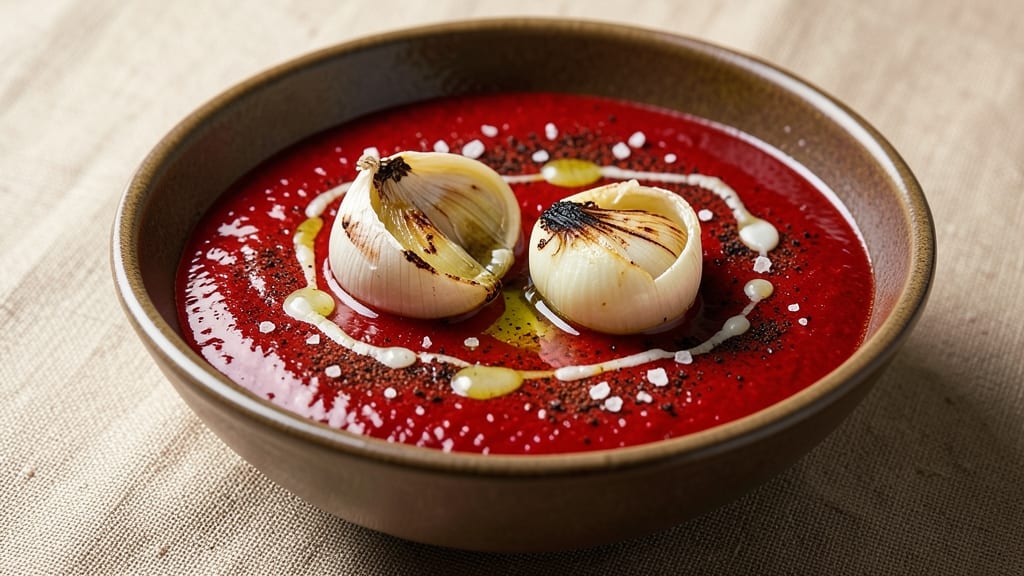
This paprika sauce recipe transforms simple ingredients into a smoky-sweet elixir that elevates roasts, grilled meats, and even eggs with restaurant-quality depth.
The secret lies in balancing sweet and smoky paprika with a touch of acidity—creating a sauce that clings to proteins like a second skin while adding layers of flavor.
I developed this after years of experimenting with dry rubs and realized the missing piece was a liquid base that could be drizzled, brushed, or even used as a marinade.
The beauty of this sauce is its versatility—it works as a finishing touch for seared steaks, a glaze for roasted vegetables, or even a dip for warm bread.
What sets it apart is the slow reduction of vinegar and oil, which intensifies the paprika’s natural sweetness while developing a deep, caramelized smokiness. No special equipment is needed, just patience to let the flavors meld together over 10 minutes of gentle simmering.
By the time you’re done, you’ll have a smooth, velvety sauce with a glossy finish that signals professional results. The aroma alone—smoky with a hint of sweetness—will have everyone asking for seconds.
It keeps well in the fridge for up to 2 weeks, making it perfect for meal prep or gifting. This isn’t just a sauce; it’s a flavor multiplier that turns ordinary dishes into standout meals.
Pair it with grilled chicken, roasted pork tenderloin, or even scrambled eggs for an instant upgrade. The possibilities are endless, and the effort is minimal. Let’s make this sauce—the kind that turns good meals into unforgettable ones.
Ingredients for paprika sauce
Nine ingredients transform into a smoky-sweet sauce that elevates everything from grilled meats to roasted veggies.
| Ingredient | Amount | Notes |
|---|---|---|
| Sweet Paprika 🌶️ | ½ cup | High-quality, finely ground |
| Smoked Paprika 🌶️ | ¼ cup | For deep smoky flavor |
| Extra-Virgin Olive Oil 🫒 | ¾ cup | Fruity, high-quality preferred |
| Apple Cider Vinegar 🍎 | ¼ cup | For tangy balance |
| Garlic Cloves 🧄 | 4 cloves | Freshly minced for aroma |
| Shallots 🧅 | ¼ cup | Finely chopped, not minced |
| Honey 🍯 | ¼ cup | Wildflower preferred |
| Diamond Crystal Kosher Salt 🧂 | ¾ tsp | Adjust to taste |
| Freshly Ground Black Pepper 🌶️ | ½ tsp | For subtle heat |
| Red Wine Vinegar 🍷 | 1 tbsp | For depth and acidity |
The paprika duo is non-negotiable here. Penzeys or Trader Joe's carry excellent blends, but if you're buying separately, go for Hungarian sweet paprika and Spanish smoked paprika—they've got the most complex flavor profiles. The olive oil matters too; California extra-virgin with fruity notes works best, but avoid anything that smells like soap. Shallots add subtle sweetness without overpowering the paprika's star quality. I always grab the organic shallots from the produce section—they're sweeter and more flavorful than the regular ones.
No smoked paprika? Substitute with 1 tbsp of liquid smoke plus 1 tbsp extra sweet paprika—it won't be identical, but it'll get you close. Apple cider vinegar gives that tangy brightness, but white wine vinegar works too if that's what you've got. Short on shallots? Double the garlic and use a pinch of sugar to balance. The honey should be wildflower or clover—avoid processed honey if you can, as it lacks complexity. Want more depth? Add 1 tsp of balsamic vinegar to the mix. This sauce is all about balancing sweet, smoky, and tangy—adjust to your taste, but don't skip the vinegar entirely.
This sauce keeps beautifully in a glass jar in the fridge for up to 2 weeks. The flavors actually improve over time as everything melds together. For gifting, I pour it into small amber glass bottles—they look stunning and protect the sauce from light. Need to store longer? It freezes perfectly for 6 months. Just thaw it in the fridge overnight. The sauce thickens as it cools, so add a splash of water or vinegar if it gets too stiff. Trust me, you'll want to make extra—it disappears fast.
Why You'll Love This Recipe
- Here’s what sold me: this sauce is my go-to for busy nights. A quick stir, a simmer, and suddenly, your simplest proteins or grains feel restaurant-worthy. I keep a jar in the fridge for when I’m scrambling to throw dinner together—it’s my secret weapon for turning bland into bold in minutes.
- I’ll be real: this sauce costs me pennies to make, but it feels like a splurge. The olive oil and vinegar elevate everything, but the paprika? A single jar lasts forever, and you’re not sacrificing quality. Plus, it stretches across meals—drizzle it on tonight’s dinner, save some for tomorrow’s eggs, and you’ve just saved yourself a grocery run.
Step-by-step instructions for smoky-sweet paprika sauce
Here's how to blend rich, smoky depth with sweet balance for a versatile sauce that elevates everything from roasts to grilled meats.
Toast the Paprika for Enhanced Flavor
Heat a dry skillet over medium-low heat and add the 0.5 cup sweet paprika and 0.25 cup smoked paprika. Stir constantly for 3-4 minutes until the spices release their aroma and deepen in color. You'll notice the scent intensify—this is your cue to remove from heat immediately. Toasting the paprika removes any bitterness and brings out its natural sweetness and smoky notes.
Transfer the toasted paprika mixture to a small bowl and let it cool for 5 minutes. This cooling step prevents condensation when you combine it with the other ingredients later. The paprika should now have a rich, almost nutty aroma that's more complex than store-bought blends.
Sauté Shallots and Garlic
In a medium saucepan, heat 0.75 cup extra-virgin olive oil over medium heat. Add the 0.25 cup finely chopped shallots and cook for 4-5 minutes until they become translucent and just begin to soften. Don't let them brown—they should remain pale golden.
Add the 4 cloves freshly minced garlic and cook for an additional 30 seconds until fragrant. The garlic should sizzle gently but not burn. Remove the pan from heat and let the aromatics cool for 2 minutes. This prevents the garlic from cooking further when you add the vinegars and honey later.
Combine Wet Ingredients
Return the saucepan to medium heat and add the 0.25 cup apple cider vinegar and 1 tbsp red wine vinegar. Stir constantly for 2-3 minutes until the mixture begins to simmer gently. The vinegars will help balance the richness of the olive oil and honey while adding tangy depth.
Gradually whisk in the 0.25 cup honey until fully dissolved. Add the 0.75 tsp diamond crystal kosher salt and 0.5 tsp freshly ground black pepper. Let the mixture simmer for an additional 3-4 minutes until it thickens slightly. You're looking for a consistency that coats the back of a spoon—this ensures the sauce will cling beautifully to meats.
Blend and Finish
Remove the saucepan from heat and let the mixture cool for 5 minutes. Then, using an immersion blender, blend until completely smooth. If you don't have an immersion blender, transfer the mixture to a blender and blend until silky. The sauce should now have a rich, velvety texture with no visible chunks.
Taste and adjust the seasoning if needed. For more depth, add a pinch of smoked paprika. For extra tang, add another teaspoon of red wine vinegar. The sauce should balance sweet, smoky, and tangy flavors perfectly. Let it cool completely before using to allow all the flavors to meld together.
Store and Use
Transfer the sauce to a clean, airtight jar or container. It will keep in the refrigerator for up to 2 weeks or can be frozen for 3 months. This versatile sauce works beautifully as a marinade, glaze, or drizzle for roasted meats, grilled vegetables, or even as a dip for crusty bread.
When using, gently reheat the sauce over low heat and stir occasionally to prevent it from separating. The sauce is best used when warm, as the flavors intensify with heat. You can also thin it with a splash of water or broth if needed for a lighter consistency.
Pro Tips For Making Paprika Sauce
- Bloom the Garlic First: Toss your minced garlic into the olive oil 30 seconds before the paprika—this prevents burning and lets the flavor meld deeper. I used to add it all at once, and the sauce always tasted bitter from overcooked garlic. Trust me, that extra half-minute pays off.
- Toast the Paprika: Heat the paprika in the oil for 30 seconds before adding vinegar—it deepens the flavor and mutes the raw taste. I learned this the hard way by skipping it; the sauce just tasted like dust. Keep the heat medium-low so it doesn’t scorch.
- Use Aged Vinegar: Skip the cheap apple cider vinegar—opt for something aged at least 6 months if possible. The tang is smoother, and the acidity balances the smokiness better. I was skeptical until I tried it; the difference is noticeable, even in a small batch.
- Strain for Smoothness: If you’re making this for dipping or drizzling, strain out the garlic bits after cooking. It’s not necessary for a rustic sauce, but it makes a world of difference when you’re serving it over creamy dishes. Use a fine-mesh sieve—your future self will thank you.
Best sauces and condiments for these flavors
Sweet Glaze Adaptation
For a caramelized finish, reduce the sauce by half after simmering—simply simmer uncovered over medium-low heat for 10-15 minutes until syrupy. Stir occasionally to prevent sticking. This creates a perfect glaze for grilled pork chops or ham steaks.
I like to brush it on in the last 2 minutes of cooking for maximum stickiness and shine. 🍯
Spicy Kick Version
Add 1 tbsp cayenne pepper or 1-2 tsp chili flakes to the toasted paprika mixture for heat. For smoky-spicy depth, include 1 tbsp chipotle powder in the initial blend. This works amazingly with grilled chicken thighs or spicy meatballs.
Balance the heat with extra honey if needed—about 1 extra tbsp smooths the intensity while keeping the smokiness intact.
Creamy Paprika Dip
Blend ½ cup sour cream or Greek yogurt into the finished sauce for a dip that’s perfect with crudités or pita chips. Thin with 1-2 tbsp milk if needed for spreadability.
Garnish with chopped fresh dill or smoked paprika for extra flair. This version is a crowd-pleaser at parties—it disappears fast!
Herb-Infused Twist
Stir in 1 tbsp fresh rosemary or thyme leaves during the final simmer for an aromatic twist. For Mediterranean flair, add 1 tsp dried oregano with the vinegars.
This pairs beautifully with lamb chops or roasted eggplant. The herbs mellow as they cook, adding subtle complexity without overpowering the paprika’s star quality.
Sweet and Tangy Marinade
Use the full recipe as-is for a marinade—coat chicken, beef, or tofu and marinate for 4-6 hours (or overnight for deeper flavor). The acidity in the vinegars tenderizes proteins while the paprika adds a smoky crust when grilled.
I love using this on boneless pork chops before searing them in a cast-iron skillet. 🔥
Nutrition facts
Frequently asked questions
Can I make this sauce without honey?
Yes! Replace the honey with 1/4 cup maple syrup or agave nectar for a vegan option. For a fruity twist, try 1/4 cup apricot jam (strained) or 2 tbsp balsamic reduction. The sweetness is key to balancing the smoky paprika—just adjust to taste.
How do I fix a sauce that's too thick or separated?
For thickening, whisk in 1-2 tsp warm water or vinegar until smooth. If it separates, gently reheat over low heat while stirring constantly. For stubborn separation, blend with 1 tsp olive oil or Greek yogurt to restore emulsification. Always reheat slowly to avoid curdling.
What's the best way to use this sauce on eggs?
Drizzle 1-2 tsp over scrambled eggs or fried eggs just before serving. For extra richness, mix 1 tbsp sour cream into the sauce first. The smoky-sweet flavor pairs perfectly with runny yolks or poached eggs—it adds depth without overpowering.
Can I make this sauce in a slow cooker?
Combine all ingredients in your slow cooker and cook on low for 2-3 hours, stirring occasionally. The slow cooking enhances the flavors but may require thinning with water if too thick. For best results, finish by simmering on the stovetop for 5 minutes to intensify the aroma.
What's the difference between this sauce and a dry paprika rub?
This sauce is a liquid condiment with emulsified texture, while a dry rub uses only spices. The sauce adds moisture, clings to proteins, and can be used as a marinade or glaze. A rub creates a crusty exterior but requires extra fat (like oil or butter) to develop flavor. Both work well together!