Sauces & Condiments
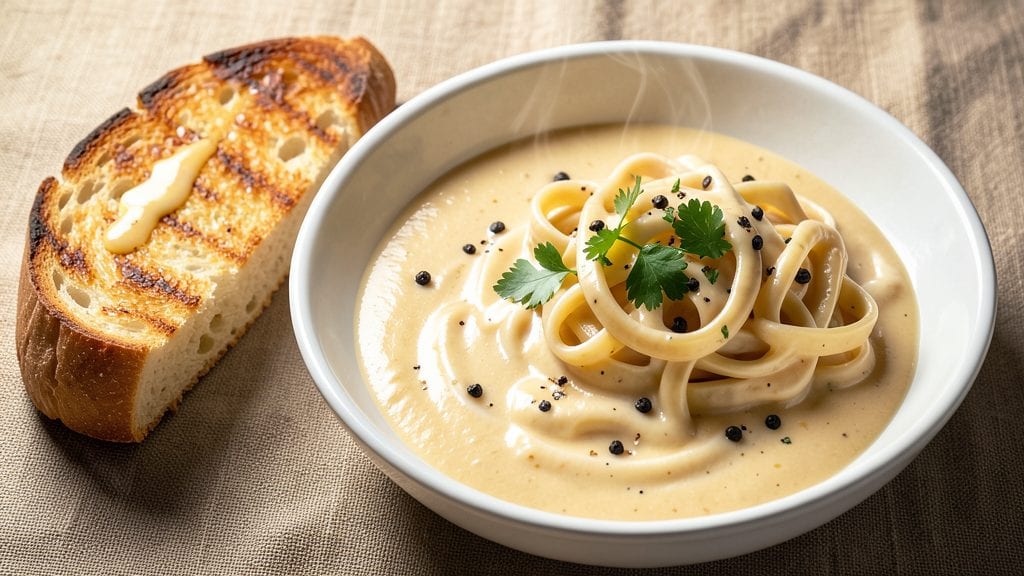
Philadelphia cheese sauce recipe transforms ordinary dishes into something extraordinary with its rich, velvety texture and perfect balance of creaminess. This isn’t just any cheese sauce—it’s the kind that clings to pasta, melts over burgers, and elevates mac and cheese to restaurant-quality status. The secret lies in the right ratio of cream cheese to milk, combined with a precise melting technique that ensures no lumps or graininess.
What sets this sauce apart is its foolproof method, developed through years of testing and tasting. No fancy equipment needed—just a saucepan, a whisk, and patience to achieve that signature smooth, velvety consistency.
The blend of cream cheese and cheddar delivers a flavor that’s tangy yet rich, with just enough sharpness to keep it interesting. Once you master this technique, you’ll never buy store-bought sauce again.
This sauce is incredibly versatile—drizzle it over baked potatoes, use it as a dip for veggies or pretzels, or pour it generously over mac and cheese for that golden, bubbly finish. The best part?
It reheats beautifully, making it perfect for meal prep or last-minute dinner upgrades. Whether you’re feeding a crowd or treating yourself to a cozy night in, this sauce will become your new kitchen staple.
Ready in just 15 minutes, this recipe delivers restaurant-quality results without the fuss. The key is low and slow heating, constant stirring, and a splash of milk to keep the sauce silky. Let’s get started—your taste buds (and leftovers) will thank you.
Ingredients for philadelphia cheese sauce
Nine ingredients, fifteen minutes—this sauce transforms everything from mac and cheese to burgers into restaurant-quality perfection.
| Ingredient | Amount | Notes |
|---|---|---|
| Philadelphia Cream Cheese 🧈 | 8 oz | Full-fat, room temperature |
| Sharp Cheddar Cheese 🧀 | 1 cup | Shredded, medium sharpness |
| Whole Milk 🥛 | ½ cup | Warmed to room temperature |
| Heavy Cream 🥛 | ¼ cup | Full-fat for richness |
| Butter 🧈 | 2 tbsp | Unsalted, cut into pieces |
| Garlic Cloves 🧄 | 1 clove | Minced for subtle depth |
| Diamond Crystal Kosher Salt 🧂 | ½ tsp | Adjust to taste |
| Freshly Ground Black Pepper 🌶️ | ¼ tsp | Freshly cracked preferred |
| Dried Mustard Powder 🌶️ | ½ tsp | For subtle tang |
| Extra-Virgin Olive Oil 🫒 | 1 tbsp | For finishing drizzle |
The cream cheese is non-negotiable—Philadelphia brand is the gold standard here, delivering that signature tangy richness. Grab the full-fat version (the 8 oz block, not the tub) and let it sit at room temperature for 30 minutes before using—this ensures it melts smoothly without lumps. For the cheddar, sharpness matters: medium-sharp gives you that perfect balance of creaminess and bite. I always reach for Kraft 2% Milk Sharp Cheddar from the block section (shred it yourself—pre-shredded gets clumpy). The milk and cream should be warmed to room temperature—microwave 30 seconds to avoid curdling later. Pro tip: if your butter feels too hard, microwave it for 20 seconds to soften before adding.
No cream cheese? Substitute with equal parts ricotta and sour cream (though texture won’t be identical). Swap sharp cheddar for Gruyère or Monterey Jack if you’re feeling adventurous—Gruyère adds nutty depth, while Monterey Jack stays milder. Running low on heavy cream? Half-and-half works in a pinch, but the sauce will be slightly lighter. The garlic is optional but worth it—just one clove adds subtle complexity without overpowering. For the mustard powder, Dijon mustard at half the amount gives a similar tang. And if you’re watching calories, light cream cheese plus extra milk keeps it creamy without the heaviness.
This sauce reheats like a dream—microwave 30 seconds with a splash of milk to restore that velvety texture. Store leftovers in an airtight container for up to 5 days in the fridge, or freeze for 3 months (thaw overnight in the fridge). For meal prep, portion into silicone molds—they reheat perfectly in the microwave. The sauce thickens as it cools, so add a splash of milk when reheating if it feels too stiff. Trust me, the first time you drizzle this over golden mac and cheese or slather it on a burger, you’ll never go back to store-bought again.
Why You'll Love This Recipe
- Five-Ingredient Magic: I swear by this combo—cream cheese, sharp cheddar, and a splash of heavy cream turn into something richer than takeout. No fancy techniques, just melt-and-stir simplicity that still tastes like you slaved over it.
- Crowd-Pleaser Base: Between us, this sauce disappears at parties. Slather it on mac and cheese, dip fries in it, or drizzle it over burgers—everyone wants seconds, and I’m not even kidding.
- Leftovers That Shine: Make a double batch and store it for up to five days. The texture stays velvety smooth, not grainy, so it’s perfect for lazy mornings or last-minute casseroles. Honestly, it’s my secret weapon for busy weeks.
- Budget-Friendly Luxury: Sharp cheddar and cream cheese stretch further than you’d think, especially with milk and butter. It’s the kind of rich, indulgent flavor that makes you feel fancy without breaking the bank. (Yes, even on a Tuesday night.)
Step-by-step instructions for Philadelphia cheese sauce
Here's how to create a velvety, restaurant-quality cheese sauce that's creamy, flavorful, and foolproof every time.
Melt the Cream Cheese and Butter
In a medium saucepan, combine the 8 oz Philadelphia cream cheese and 2 tbsp butter. Place the saucepan over medium-low heat and stir gently until the cream cheese melts completely and the mixture becomes smooth. You'll know it's ready when the sauce looks uniform and glossy, with no visible lumps.
This low-and-slow approach prevents the cream cheese from seizing up or developing a grainy texture. If you see any lumps forming, press them against the side of the pan with a spatula and continue stirring until fully incorporated. The sauce should be thick but pourable at this stage.
Add Cheese and Warm Liquids
Reduce the heat to low and gradually whisk in the 1 cup sharp cheddar cheese, adding it a handful at a time. Once fully incorporated, pour in the 0.5 cup warm whole milk and 0.25 cup heavy cream. Stir constantly until the cheeses melt completely and the sauce becomes smooth and velvety.
This gradual addition prevents temperature shock that could cause the sauce to curdle. You'll notice the sauce will thicken noticeably as the cheddar melts. If it becomes too thick, you can thin it slightly with a splash of warm milk, but it should remain rich and luxurious.
Build Flavor with Aromatics
Add the minced 1 clove garlic, 0.5 tsp dried mustard powder, 0.5 tsp diamond crystal kosher salt, and 0.25 tsp freshly ground black pepper to the sauce. Stir continuously for 1-2 minutes until the garlic is fragrant and the flavors meld together. The sauce should smell rich and aromatic with notes of sharp cheddar and subtle garlic.
This is where the magic happens - the mustard powder adds a subtle tang that balances the richness, while the garlic infuses depth. Don't let the sauce come to a boil, as this can cause it to separate. Keep the heat at a gentle simmer where you can see small bubbles forming at the edges but not throughout the entire sauce.
Finish and Adjust Consistency
Remove the saucepan from heat and stir in the 1 tbsp extra-virgin olive oil. This final step adds a beautiful sheen and subtle olive oil flavor that complements the richness. Taste the sauce and adjust seasoning if needed - you might want to add a pinch more salt or pepper to suit your preference.
The sauce should be thick enough to coat the back of a spoon but still flow smoothly. If it's too thick, you can thin it with warm milk, 1 tablespoon at a time, until you reach your desired consistency. The perfect cheese sauce should be velvety smooth with a slight sheen, ready to coat whatever it's poured over.
Pro Tips For Making Philadelphia Cheese Sauce
- Cut the Cream Cheese: Grab that plastic knife and slice the Philadelphia block into 8 equal pieces. It melts faster and smoother than chunks—no more lumps staring back at you like judgmental cheese ghosts.
- Temper That Cheddar: Grate the sharp cheddar yourself (yes, even if you’re impatient like me) and toss it in the cold milk first. I learned this the hard way—dumping room-temp cheese straight in the pot turns it into a sad, grainy paste.
- Low and Slow Wins: Start the sauce on medium-low heat—high heat is how you turn rich cream cheese into scrambled eggs. Keep it at a gentle simmer, stirring every 30 seconds, or the butter will burn before the cheese melts.
- Whisk in Butter Last: Save the butter for the very end, then let the sauce cool just slightly before adding it. This keeps the sauce silky, not greasy—no one wants to drown their mac and cheese in a butter lake.
Storing and reheating this recipe
Fridge Storage Secrets
Store your cheese sauce in an airtight glass container—I use Pyrex with a snap-on lid—and refrigerate for up to 5 days. The sauce thickens as it cools, so add 1-2 tablespoons of warm milk when reheating to restore that velvety texture.
Always let it cool completely before sealing to prevent condensation, which can cause mold growth. 🧊
Freezer-Friendly Tips
Freeze your sauce in silicone molds or ice cube trays for portion control—perfect for meal prep! Transfer to a freezer-safe bag with all air removed, then store for up to 3 months.
Thaw overnight in the fridge for best results. If you're short on time, microwave the frozen sauce on 50% power for 2 minutes, stirring every 30 seconds until smooth. 🥶
Microwave Revival
For quick reheating, transfer ½ cup sauce to a microwave-safe bowl and cover with a damp paper towel. Heat on medium power (70%) for 45-60 seconds, then stir vigorously.
If it looks too thick, add 1 tablespoon warm milk and reheat for 10-15 more seconds. The key is patience—rushing causes lumps! 🔥
Stovetop Perfection
For the creamiest results, reheat on the stovetop over low heat in a saucepan. Add 1-2 tablespoons warm milk first, then stir constantly until smooth. Keep the temperature below 160°F to prevent curdling. This method preserves the sauce’s texture better than microwaving, especially for large batches. 🍲
Preventing Curdling
If your sauce separates after reheating, don’t toss it! Place the pan back on low heat, whisk in 1 tablespoon cornstarch mixed with 1 tablespoon cold water, and simmer for 1-2 minutes until thickened.
This trick works like magic for bringing separated sauce back to life. Always reheat gently—no high heat! ⚡
Meal Prep Hacks
Make double batches of sauce and store in small jars for easy grab-and-go dipping. Label with the date and reheat instructions—this saves time during busy weeks. For baked dishes like mac and cheese, add the sauce directly from the fridge to the casserole before baking.
The cold sauce will melt beautifully while the dish bakes. 📅
Nutrition facts
Frequently asked questions
Why does my cheese sauce get grainy?
Graininess happens when cream cheese isn't melted slowly or when it hits cold ingredients too fast. Always melt cream cheese and butter together on low heat while stirring constantly. If lumps form, press them against the pan with a spatula until smooth. Adding warm milk gradually also prevents curdling.
Can I make this sauce without cream cheese?
Yes! Replace the cream cheese with equal parts ricotta and sour cream, but expect a slightly lighter texture. For a richer alternative, use full-fat cottage cheese blended smooth. The sauce will still be creamy, though not as velvety as the original.
How do I use this sauce beyond mac and cheese?
This versatile sauce works as a dip for veggies, pretzels, or fries, a topping for baked potatoes or burgers, or even a creamy pasta sauce. Try it in stuffed peppers or as a grilled cheese filling for extra decadence. The key is reheating gently to maintain its smooth texture.
What’s the secret to preventing lumps?
Low and slow heat is critical—never rush the melting process. Stir constantly and add cheddar gradually (handful by handful) while keeping the sauce on low heat. If lumps appear, whisk vigorously or press them against the pan's sides until fully dissolved. A splash of warm milk helps too.
Can I make this sauce dairy-free?
Swap cream cheese for dairy-free cream cheese (like Kite Hill), use cashew cream (blend soaked cashews with water), and replace milk with unsweetened almond or oat milk. For cheddar, try nutritional yeast** for a cheesy flavor. The texture will be slightly different but still delicious.