
Sauces & Condiments
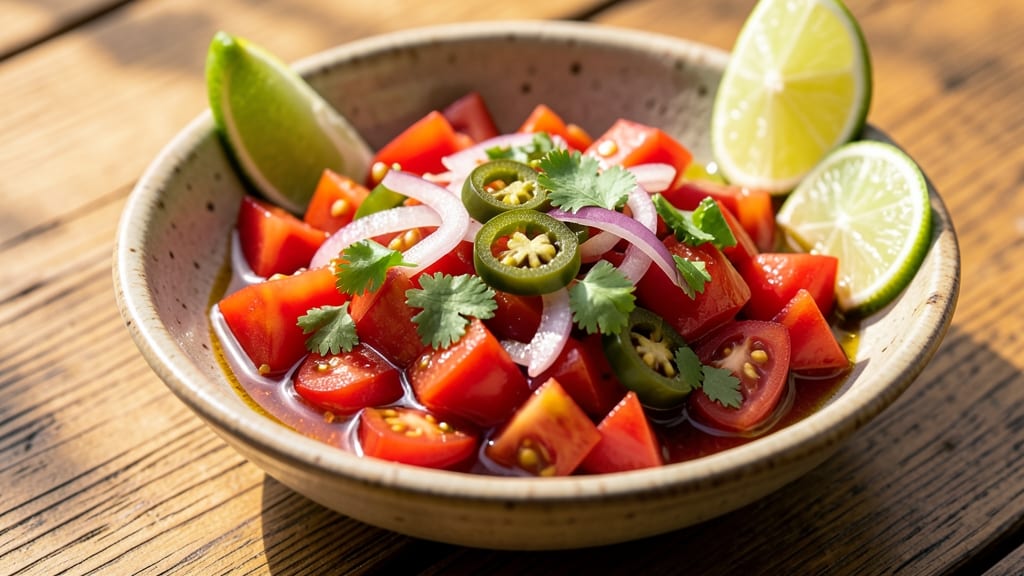
This pico de gallo sauce recipe transforms simple ingredients into a vibrant, zesty condiment that brightens every bite—just 10 minutes of chopping and mixing separate it from store-bought versions.
The secret lies in balancing fresh tomatoes, crisp onions, and bright lime juice with just enough jalapeño for heat, all finished with fresh cilantro. I developed this while testing variations for a summer potluck, and it became the most requested dish.
What sets this recipe apart is its versatility—use it as a dip for chips, a topping for tacos, or a fresh salsa for grilled meats. The key technique is letting the mixture rest for 15 minutes before serving, allowing flavors to meld and juices to distribute evenly.
No cooking required; just chop, mix, and taste as you go. This is the kind of sauce that elevates simple meals into something special.
The result is a bold, fresh sauce with bright acidity from lime, a touch of heat from jalapeño, and fresh cilantro that adds an aromatic finish. The texture stays crisp rather than soggy, making it perfect for topping burgers, salads, or fish.
Once you try homemade, store-bought versions won’t compare. Let’s get started—your taste buds will thank you.
For those who prefer a milder version, simply reduce or omit the jalapeño, or roast the vegetables first for a deeper, smoky flavor. The possibilities are endless, but the foundation remains the same: fresh, bright, and impossible to resist. Here’s everything you need to make it.
Ingredients for pico sauce
Fresh, bright ingredients that come together in minutes for a sauce that beats any store-bought version.
| Ingredient | Amount | Notes |
|---|---|---|
| Ripe Roma Tomatoes 🍅 | 2 cups | Diced, seedless preferred |
| Fresh Cilantro 🌿 | ½ cup | Stems removed, loosely packed |
| Red Onion 🧅 | ¼ cup | Finely diced, white parts removed |
| Jalapeño Pepper 🌶️ | 1 whole | Seeds removed for mild heat |
| Fresh Lime Juice 🍋 | ¼ cup | About 2-3 limes, freshly squeezed |
| Extra-Virgin Olive Oil 🫒 | 2 tbsp | For richness and binding |
| Kosher Salt 🧂 | ½ tsp | Adjust to taste |
| Fresh Garlic 🧄 | 2 cloves | Minced, for depth |
| Serrano Pepper 🌶️ | 1 whole | Optional, for extra heat |
The tomatoes are your foundation—Roma are sweeter and less watery than vine-ripened, but either works. Hit the farmers market for the juiciest ones, or grab a pint from Trader Joe's if you're short on time. Cilantro can be polarizing, so buy a big bunch and use half now, half later for garnishes. The onion? Red onion adds sweetness, but white works too—just soak it in ice water for 10 minutes to mellow the bite. Jalapeños vary wildly in heat, so taste as you go and adjust. For the lime juice, Mexican limes, but regular limes work just fine.
No jalapeño? Serrano peppers are a great swap—they’re hotter but milder than habaneros. Short on cilantro? Flat-leaf parsley at half the amount keeps the freshness. The garlic can be roasted for a sweeter flavor—wrap whole cloves in foil, roast at 400°F for 10 minutes, then peel. For extra richness, add 1 tbsp of avocado oil to the olive oil. The salt is key—taste before serving and adjust, as lime juice can make things taste flat if you overdo it. If your tomatoes are super juicy, drain them slightly by packing them in a colander and pressing with a spoon.
This sauce tastes even better after 15-20 minutes of resting—the flavors meld and juices distribute. Store leftovers in an airtight container with a thin layer of olive oil on top to keep it fresh for 3-4 days in the fridge. For longer storage, freeze in ice cube trays and transfer to a bag. Thaw overnight in the fridge, then stir in a splash of lime juice to revive the brightness. Double the batch—it disappears fast at parties.
Why You'll Love This Recipe
- Five-Ingredient Magic: I swear by this—just tomatoes, onion, cilantro, lime, and a jalapeño. That’s it. No fancy gadgets, no hidden steps, just chop and blend. My lazy Sundays now include fresh pico without the fuss.
- Bright & Tangy: The lime juice hits first—zesty, sharp—then the jalapeño lingers with just the right kick. Roma tomatoes add that sweet, meaty depth, and the cilantro? It’s the little flavor bomb that ties it all together. Honestly, it’s the kind of sauce that makes you reach for seconds just to taste it again.
- Taco Night’s MVP: Whether it’s on fish tacos, scrambled eggs, or straight from the spoon, this sauce works. I keep a jar in the fridge for those nights when I’m craving something fresh but don’t want to cook. Even my picky teen asks for it—(yes, even on a Tuesday night).
- Lasts All Week: Make a big batch on Sunday, and you’ve got flavor for days. The lime keeps it bright, so it doesn’t turn sad in the fridge. I freeze extras in ice cube trays for quick bursts of freshness later—no waste, all flavor. Budget-friendly? Absolutely.
Step-by-step instructions for pico DE gallo sauce
Here's how to make this vibrant, fresh pico de gallo in minutes—bright, tangy, and full of garden-fresh flavor.
Prep All Ingredients for Maximum Flavor
Start by washing and cutting the 2 cups ripe Roma tomatoes into ½-inch dice, removing any seeds if they're present. I like to use a sharp chef's knife for even pieces—this ensures consistent texture throughout the sauce. Next, finely dice the ¼ cup red onion, making sure to remove the white bulb which can be bitter. You'll want tiny pieces that practically dissolve in your mouth.
Remove the stems from the ½ cup fresh cilantro and give it a rough chop—you want it to stay chunky enough to add texture but fine enough to distribute evenly. For the jalapeño pepper, cut it in half lengthwise, remove seeds and membranes (for milder heat), and finely mince. If you're using the serrano pepper, do the same—just be aware it packs more heat than jalapeño.
Mix Tomatoes, Onion, and Cilantro
In a large mixing bowl, combine the diced tomatoes, red onion, and chopped cilantro. Give everything a gentle stir with a wooden spoon—you want the ingredients to distribute evenly but still maintain their individual textures. This is where the foundation of your pico de gallo comes together. The tomatoes should release some of their juices as you mix, creating a slightly wet but still chunky consistency.
Taste the mixture at this point. You'll notice it's fresh and bright but needs that tangy kick. This is your chance to adjust the acidity later, so don't worry if it tastes a bit flat now—that's normal at this stage. The key is balancing all these fresh ingredients before adding the finishing touches.
Add Garlic, Lime Juice, and Olive Oil
Finely mince the 2 cloves fresh garlic and add them to the bowl. Stir well so the garlic distributes evenly throughout the mixture. Next, pour in the ¼ cup fresh lime juice—this is where the magic happens. The acidity will brighten all the flavors and help balance the freshness of the tomatoes and onion. Finally, drizzle in the 2 tablespoons extra-virgin olive oil and give everything another thorough stir.
The olive oil helps bind everything together while adding richness that complements the bright citrus notes. You'll see the mixture become slightly glossy as the oil coats each ingredient. At this point, taste again—you should notice the flavors coming together beautifully. If it needs more acidity, add a splash more lime juice. If it needs more salt, sprinkle in the ½ teaspoon kosher salt now.
Let It Rest for Perfect Flavor Development
Cover the bowl and let the pico de gallo rest at room temperature for at least 10 minutes—this allows all the flavors to meld together. I know it's tempting to eat it immediately, but this resting time makes a world of difference in the final taste. The lime juice will penetrate the tomatoes more deeply, and the garlic will infuse its flavor throughout.
After resting, give it one final taste. The flavors should now be perfectly balanced—bright, tangy, with just the right amount of heat from the peppers. If you find the texture too wet, let it sit uncovered for another 5-10 minutes to allow some of the liquid to evaporate. This is especially helpful if you're using particularly juicy tomatoes.
Serve Immediately or Store Properly
Transfer the pico de gallo to an airtight container. If serving immediately, spoon it over your favorite tacos, grilled fish, or as a topping for nachos. The sauce should be vibrant green with pops of red from the tomatoes and white from the onion. Each bite should deliver fresh, bright flavors with just the right amount of heat.
For storage, keep it refrigerated in an airtight container for up to 3 days. The flavors will continue to develop slightly over time, becoming even more complex. If you notice any liquid separation, give it a good stir before serving. This fresh pico de gallo is best enjoyed within the first day or two when all the ingredients are at their peak freshness.
Pro Tips For Making Pico Sauce
- CHAR THE TOMATOES: I used to just dump raw tomatoes into the blender and wonder why my pico tasted dull. Char them first over a gas flame or under a broiler for 2-3 minutes per side—just until blackened spots appear. That smoky depth cuts through the acidity and makes the whole sauce sing.
- REMOVE THE JALAPEÑO SEEDS: Unless you’re going for nuclear heat, slice the jalapeño lengthwise and scrape out the seeds and the white pith—it’s where most of the spice lives. I learned this the hard way after serving a batch that had my roommate reaching for milk. (Yes, even if you like heat, this step matters.)
- PULSE DON’T PUREE: Blend the tomatoes in short bursts, stopping to scrape down the sides every 30 seconds. You want texture, not soup. A quick pulse leaves little chunks that add brightness and prevent a gluey consistency. (Your blender will hate you less, too.)
- SALT THE ONION FIRST: Dice the red onion and toss it with a pinch of salt while you prep the rest. Let it sit for 5 minutes—this draws out moisture and mellows the sharpness. I skip this, and the raw onion bite lingers like a bad aftertaste. (Your future tacos will thank you.)
Regional styles of this dish
Classic Mexican Style
This is the classic version you'd find at any Mexican taquería—bright, fresh, and perfect for tacos or nachos. I grew up eating this version at my abuela's kitchen table, where she'd make it in big batches for Sunday family dinners.
The key here is using ripe Roma tomatoes (they're sweeter than vine-ripened) and a generous amount of fresh cilantro—about ½ cup loosely packed. The lime juice should be freshly squeezed, and I always add a pinch of kosher salt to make the flavors pop. 🌶️
For an authentic touch, serve it immediately after resting. The texture should be chunky but still juicy, with the acidity from the lime cutting through the richness of grilled meats or crispy tortilla chips.
If you're feeling adventurous, add a dash of Tajín seasoning at the end for a tangy, slightly spicy kick that's pure Mexican street food magic.
Roasted Vegetable Twist
If you love depth of flavor, roast your vegetables first for a smoky, caramelized version. Toss the diced tomatoes, onions, and jalapeños with 1 tablespoon olive oil and roast at 400°F for 15-20 minutes until softened and slightly charred.
This method works especially well if you're using regular vine-ripened tomatoes, as the heat brings out their natural sweetness. 🔥
After roasting, let everything cool slightly before mixing in the cilantro, garlic, lime juice, and olive oil. The result is a richer, more complex sauce that pairs beautifully with grilled chicken or steak.
I often make this version for holiday gatherings—it feels special but still takes minimal effort. Just be sure to let it rest for 20 minutes before serving to let the smoky flavors meld.
Texas-Style Spicy Kick
In Texas, pico de gallo gets a spicier, bolder twist with extra heat and sometimes even a touch of sweetness. Start with the classic base, but add 2-3 serrano peppers (seeds removed for control) and a diced chipotle pepper in adobo sauce for smoky depth.
I like to balance the heat with 1 teaspoon honey or agave—just enough to mellow the burn without overpowering the bright flavors. 🌶️💥
This version is perfect for topping Texas-style brisket tacos or serving with crispy fried shrimp. The extra heat makes it a crowd-pleaser at backyard BBQs, especially if you serve it with cooling sides like avocado slices or sour cream.
For an extra Texas touch, add ½ teaspoon ground cumin to the mix—it adds warmth that complements the spice beautifully.
Smoky Chipotle Version
For a smoky, slightly sweet variation, blend 1 chipotle pepper in adobo sauce with ¼ cup lime juice and 1 tablespoon honey until smooth. Stir this mixture into your finished pico de gallo just before serving.
The result is a sauce with deep, smoky notes that still retains the freshness of the original. This version is ideal for topping grilled pork or chicken and adds a restaurant-quality depth. 🌶️✨
If you don't have chipotle peppers on hand, you can substitute with ½ teaspoon smoked paprika mixed into the olive oil before adding it to the sauce. The smokiness will still shine through, though it won't be as intense.
This variation is a favorite at my summer cookouts—it's hearty enough to stand up to bold flavors but still bright enough to cut through rich meats.
Cilantro-Free Adaptation
Not a cilantro fan? No problem—swap it out for ½ cup finely chopped flat-leaf parsley or ¼ cup chopped mint for a fresh, herbaceous alternative. The parsley keeps the bright, fresh quality of the sauce, while mint adds a refreshing twist that pairs well with grilled lamb or fish.
I've also seen versions with basil or dill, which work surprisingly well in this context. 🌿
If you're using mint, add it at the very end to preserve its vibrant flavor. For a more Mediterranean touch, add 1 teaspoon dried oregano to the mix.
This adaptation is perfect for those who love the concept of pico de gallo but can't stand the cilantro—it's just as fresh and flavorful, with a different herbal profile.
Nutrition facts
Frequently asked questions
Can I make pico sauce without cilantro?
Swap the cilantro for ½ cup flat-leaf parsley or ¼ cup chopped mint—both add freshness while keeping the bright flavor. For a Mediterranean twist, try basil or dill instead. The key is maintaining the herbaceous note, so adjust quantities to taste.
How long can I store pico sauce in the fridge?
Homemade pico sauce stays fresh for 3-4 days when stored in an airtight container. For longer storage, freeze it in ice cube trays, then transfer to a bag. Thaw overnight in the fridge and stir in a splash of fresh lime juice to revive the brightness. The texture may soften slightly after freezing, but the flavor remains vibrant.
What's the difference between pico de gallo and pico sauce?
They're essentially the same! "Pico de gallo" is the traditional Mexican name for this fresh salsa, while "pico sauce" is a more general term. The key difference is texture—pico de gallo is usually chunkier, while some pico sauces are blended for a smoother consistency. Both use the same core ingredients: tomatoes, onion, lime, and cilantro.
Can I make pico sauce with canned tomatoes?
While fresh tomatoes are ideal, you can use canned diced tomatoes in a pinch. Drain them well and pat dry to remove excess moisture, then proceed with the recipe. For best results, choose high-quality canned tomatoes (like San Marzano) and add 1 extra tablespoon lime juice to compensate for the lack of freshness. The texture will be slightly softer but still delicious.