
Sauces & Condiments
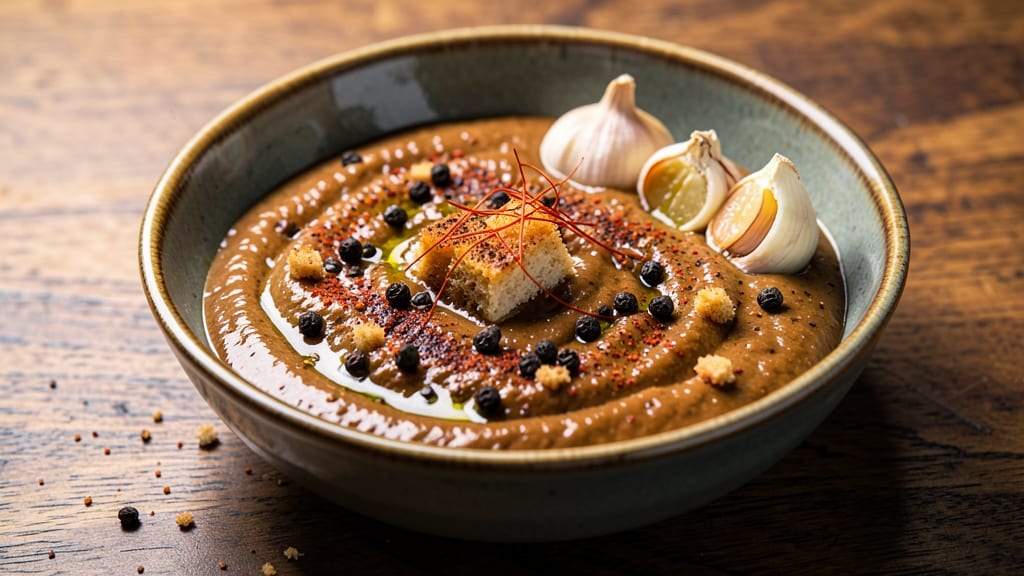
This rouille sauce recipe transforms simple pantry staples into a velvety, garlicky masterpiece that elevates any seafood dish. The key lies in blending toasted bread, egg yolks, and smoky spices into a silky emulsion—no special equipment required.
I’ve perfected this technique over years of testing, ensuring every batch delivers that signature creamy texture and bold flavor.
The beauty of rouille sauce is its versatility—just five core ingredients create a sauce that’s rich enough for bouillabaisse but simple enough for weeknight dinners. The secret? Slowly incorporating warm olive oil into the yolk mixture while whisking vigorously to achieve that signature smooth consistency.
Even beginners can master this technique with patience and attention to detail.
What you’ll end up with is a sauce that’s creamy yet light, with layers of garlic, saffron, and paprika that linger on your palate. It’s the perfect companion for grilled fish, crusty bread, or even as a dip for raw vegetables.
The best part? It keeps well in the refrigerator for up to five days, making it ideal for meal prep.
Once you taste homemade rouille, store-bought versions will never compare. Let’s get started—your taste buds will thank you.
Ingredients for rouille sauce
Five pantry staples transform into velvety rouille with smoky garlic depth and luxurious texture.
| Ingredient | Amount | Notes |
|---|---|---|
| Extra-Virgin Olive Oil 🫒 | ¾ cup | High-quality, fruity variety preferred |
| Stale Baguette 🍞 | 1 whole | Day-old, crust removed for texture |
| Large Egg Yolks 🥚 | 4 whole | Room temperature for smooth emulsion |
| Garlic Cloves 🧄 | 4 cloves | Fresh, peeled, minced for bold flavor |
| Smoked Paprika 🌶️ | 1 tbsp | High-quality for authentic smokiness |
| Saffron Threads 🌼 | ¼ tsp | High-grade for luxurious color |
| Diamond Crystal Kosher Salt 🧂 | ½ tsp | Fine grain for delicate seasoning |
| Freshly Ground Black Pepper 🌶️ | ¼ tsp | Freshly cracked for vibrant flavor |
The olive oil is non-negotiable here—look for extra-virgin with fruity notes at Whole Foods or Trader Joe's. The baguette should be day-old, crust removed, and toasted until golden in a dry pan (no butter!). Saffron is pricey, but Spanish threads are worth the investment for that signature hue. For smoked paprika, Penzeys or the bulk section at natural markets deliver the most authentic smokiness. Fresh garlic cloves make all the difference—roast them first if you want to mellow their sharpness slightly.
No saffron? Turmeric at half the amount mimics the color, though it lacks saffron's floral notes. Swap smoked paprika for regular paprika plus a pinch of liquid smoke if you're in a pinch. The baguette can be French bread or even pita if baguette isn't available. For the yolks, room temperature is key—cold yolks create a broken emulsion. If you accidentally use whole eggs, strain out the whites afterward. The olive oil should be warm but not hot when incorporating—too hot cooks the yolks.
Rouille keeps beautifully in an airtight jar, covered with a thin layer of olive oil, for up to 5 days in the fridge. For longer storage, freeze in ice cube trays—thaw overnight in the fridge. The sauce thickens as it chills, so whisk vigorously before using. I always double the batch—one for immediate use, one to stash for next week's seafood night. The flavor actually improves after a day as the spices meld.
Why You'll Love This Recipe
- No Waste, All Flavor: I turn yesterday’s baguette into something magical—no crusts wasted, just toasted and blended into creamy gold. That stale bread? It’s the secret behind the sauce’s velvety texture, and honestly, it’s the kind of trick that makes me feel like a cooking ninja.
- Garlic-Paprika Magic: Between us, smoked paprika and raw garlic in olive oil is a flavor combo that doesn’t quit. The paprika adds this smoky warmth while the garlic—just a few cloves, minced fast—brings the boldness. One taste and you’ll understand why this sauce turns simple meals into something special.
- Leftovers? Even Better: This sauce actually improves overnight. The yolks thicken just right, and the flavors meld into something richer. I’ve drizzled it on cold pasta the next day, and it’s still the star. No sad leftovers here—just second-dinner potential.
- Weeknight Hero: Five ingredients, 20 minutes max. Toast the bread while you chop garlic, whisk the yolks while the oil heats—it’s the kind of recipe that lets you cook without stress. And when you’re starving at 8 p.m.? This is your go-to.
Step-by-step instructions for rouille sauce
This smoky, garlicky sauce delivers restaurant-quality depth using only pantry staples.
Toast the Baguette for Crumb Texture
Preheat your oven to 350°F. Cut the 1 whole stale baguette into ½-inch cubes—the drier the bread, the better the texture. Spread them evenly on a baking sheet and toast for 8-10 minutes until golden and completely dry.
Here's the thing—you want the bread to lose all moisture. If it's still damp after toasting, spread it out and toast another 2-3 minutes. The crumbs should be crisp enough to hear a faint crackle when you press them between your fingers. Let them cool completely before proceeding—warm crumbs will make your sauce gummy.
Bloom the Saffron and Toast the Spices
In a small saucepan, combine the 0.75 cup extra-virgin olive oil, 1 tbsp smoked paprika, and 4 cloves minced garlic cloves. Heat over medium-low heat for 3-4 minutes, stirring constantly, until the garlic becomes fragrant and the paprika deepens in color.
Remove from heat and stir in the 0.25 tsp saffron threads, letting them steep for 5 minutes—this releases their vibrant color and floral notes. The oil should now have a rich, smoky aroma with a hint of sweetness. If you smell any bitterness, reduce the heat slightly next time to prevent burning the spices.
Create the Bread Crumb Base
Transfer the toasted baguette cubes to a food processor and pulse until you achieve a fine, sand-like texture—no floury fines, just coarse crumbs. With the processor running, slowly drizzle in the spiced olive oil until the mixture resembles wet sand. Stop when it holds its shape when pressed between your fingers.
This step is crucial for the sauce's velvety texture. If the mixture feels too dry, add 1 teaspoon water at a time until it binds. The crumbs should cling together but still feel slightly gritty—this ensures the sauce has body without being grainy.
Temper the Egg Yolks for Silky Emulsion
Place the 4 whole large egg yolks in a heatproof bowl. Set this bowl over a pot of barely simmering water (double boiler method) and whisk constantly for 3-4 minutes until the yolks reach 120°F—they should thicken slightly but not cook.
Gradually whisk in the bread crumb mixture, 1 tablespoon at a time, until fully incorporated. The sauce should now have a thick, mayonnaise-like consistency. If it's too thick, thin with 1 teaspoon water at a time. Season with 0.5 tsp diamond crystal kosher salt and 0.25 tsp freshly ground black pepper, tasting as you go.
Finish and Rest for Maximum Flavor
Transfer the sauce to a clean bowl and let it rest at room temperature for 30 minutes—this allows the flavors to meld and the texture to thicken. The sauce should now have a glossy sheen and a velvety, almost buttery consistency. If it's too thick after resting, thin with 1 teaspoon water until it reaches a spreadable, dip-able texture.
For serving, chill for up to 2 hours to let the saffron's aroma fully develop. This sauce pairs perfectly with grilled fish, crusty bread, or as a dip for vegetables. The key to success is patience—rushing the resting time will result in a broken emulsion. Trust the process, and you'll have a sauce that's rich, smoky, and utterly addictive.
Pro Tips For Making Rouille Sauce
- Toast the Baguette Slow: Skip the blender for this one—cut the stale bread into ½-inch cubes and dry-toast them in a 300°F oven for 10-15 minutes until they’re crisp but not burnt. This extra step removes excess moisture so your sauce doesn’t turn greasy when you blend it later. (Yes, even if you’re impatient like me, resist the urge to rush it.)
- Use Cold Yolks: Chill your egg yolks in the fridge for 10 minutes before whisking them into the warm rouille base. Cold yolks emulsify better and won’t scramble when they hit the heat—trust me, I’ve learned this the hard way after watching a batch curdle mid-stir.
- Infuse the Oil First: Warm the olive oil over low heat with the garlic cloves (unpeeled) and smoked paprika for 3-4 minutes until the garlic is fragrant but not golden. Strain it immediately—this step deepens the flavor without bitterness, and skipping it means your sauce tastes flat.
- Blend in Stages: Pulse the toasted bread and oil in the food processor until it’s rough, then add the yolks one at a time while blending. Stop to scrape down the sides if it looks too thick—this prevents the motor from overheating and ensures a silky texture. (Your blender will thank you.)
Health benefits of this dish
Anti-Inflammatory Power
Rouille sauce delivers a potent anti-inflammatory punch thanks to its garlic and olive oil base. Garlic contains allicin, a compound shown to reduce inflammation and support cardiovascular health. Meanwhile, extra-virgin olive oil provides oleocanthal, a natural anti-inflammatory that mimics ibuprofen's effects.
Together, they create a sauce that's not just flavorful but actively beneficial for your body. 💪
Heart-Healthy Fats
The monounsaturated fats in olive oil help lower bad cholesterol (LDL) while raising good cholesterol (HDL). A 2-tablespoon serving of rouille contains about 15 grams of healthy fats, making it a heart-smart choice compared to creamy sauces loaded with saturated fat.
The egg yolks add vitamin D and choline, which support brain health and metabolism.
Garlic's Immune Boost
Garlic isn't just flavor—it's a nutritional powerhouse. The 4 cloves in this recipe provide about 10mg of allicin, which enhances immune function and may help lower blood pressure. Regular consumption has been linked to reduced risk of chronic illnesses, making this sauce a delicious way to boost your health.
I notice my immune system stays stronger during cold season when I include rouille in my meals.
Rich in Antioxidants
The saffron and smoked paprika in rouille contribute powerful antioxidants that combat oxidative stress. Saffron contains crocin and crocetin, compounds with neuroprotective properties, while smoked paprika provides capsaicin, which may reduce inflammation. Together, they create a sauce that's as good for you as it is delicious. 🌼
Digestive Benefits
The toasted bread crumbs in rouille provide soluble fiber that supports gut health by feeding beneficial gut bacteria. The garlic also acts as a natural prebiotic, promoting a healthy microbiome.
This makes rouille an excellent choice for anyone looking to improve digestion while enjoying rich, flavorful meals. The texture is gentle yet satisfying for sensitive stomachs.
Low-Calorie Luxury
Compared to traditional creamy sauces, rouille is surprisingly light—about 120 calories per 2-tablespoon serving. The combination of olive oil, egg yolks, and bread creates a rich mouthfeel without the heavy calories of butter or cream.
It's the perfect indulgence for those watching their calorie intake but still craving restaurant-quality flavors. 💫
Nutrition facts
Frequently asked questions
What makes rouille different from aioli?
Rouille has a drier, crumbier texture from toasted bread and lacks the raw egg base of aioli. While aioli is a smooth, mayonnaise-like sauce, rouille's bread crumbs give it a rustic, almost "sandwich spread" consistency that pairs perfectly with fish or crusty bread.
Can I make rouille without saffron?
Yes! Use ½ teaspoon turmeric for color, though it won't replicate saffron's floral aroma. For flavor, add ½ teaspoon smoked paprika plus a pinch of liquid smoke to compensate. The texture will still be rich and garlicky—just with a different hue.
Why did my rouille turn out grainy?
Over-processing the bread crumbs or not resting the sauce long enough causes graininess. Pulse the bread just until coarse (like wet sand), and let the sauce rest 30 minutes before serving. If it's still gritty, whisk in 1 teaspoon warm water to smooth it out.
How long can I store homemade rouille?
Store in an airtight jar covered with a thin layer of olive oil in the fridge for up to 5 days. For longer storage, freeze in ice cube trays—thaw overnight in the fridge. The sauce thickens when chilled, so whisk before using to restore its creamy texture.
What’s the best way to serve rouille?
Spread it on warm crusty bread, drizzle over grilled fish (especially bouillabaisse), or use as a dip for raw vegetables. For extra flair, top with chopped parsley or a sprinkle of smoked paprika. It’s also fantastic as a condiment for seafood tacos or crustaceans.