
Sauces & Condiments
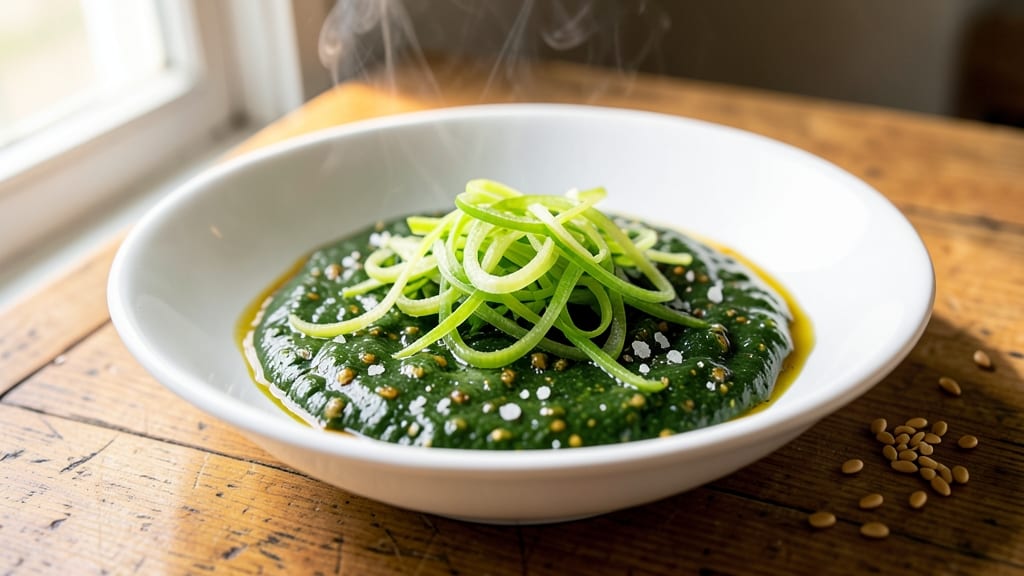
This scallion sauce recipe transforms simple ingredients into a versatile, bright green condiment that elevates everything from dumplings to noodles. The secret lies in blending fresh scallions with a neutral oil base, creating a sauce that's both delicate and deeply flavorful—perfect for dipping or dressing.
I developed this recipe after years of searching for a scallion sauce that didn't taste like straight onion powder or watered-down green paste.
The beauty of this sauce is its adaptability—use it as a dip for spring rolls, a dressing for salads, or a finishing touch for stir-fries. With just five ingredients and 10 minutes of prep, you'll have a sauce that's infinitely better than store-bought versions.
The key is using high-quality scallions and blending them finely for maximum flavor without bitterness.
What you'll end up with is a luminous green sauce with a clean, fresh onion taste that brightens any dish. It stays fresh in the fridge for up to one week, making it ideal for meal prep.
The texture is smooth yet vibrant, ensuring every bite or drizzle delivers that signature scallion punch.
This sauce works equally well as a standalone condiment or incorporated into recipes—think dumpling dipping sauce, noodle dressing, or even a marinade for grilled meats. Let's make it!
Ingredients for scallion sauce
Five core ingredients transform into a luminous green sauce with restaurant-quality freshness.
| Ingredient | Amount | Notes |
|---|---|---|
| Fresh Scallions 🧅 | 1 ½ cups | White and green parts, finely chopped |
| Neutral Flavor Oil 🫒 | ½ cup | Light olive oil or refined sesame oil |
| Low-Sodium Soy Sauce 🍶 | 2 tbsp | Kikkoman preferred for balance |
| Rice Vinegar 🍶 | 1 tbsp | Seasoned or unseasoned works |
| Granulated Sugar 🍚 | 1 tsp | Balances acidity in sauce |
The scallions are non-negotiable—farmers market bunches with vibrant green tops yield the best results. Look for scallions with crisp white bulbs and no wilting; Whole Foods or local Asian markets typically carry the freshest selections. For optimal flavor, chop the scallions finely using a sharp knife or food processor to avoid bitterness. The oil base is equally critical: light olive oil provides neutral flavor, while refined sesame oil adds subtle depth without overpowering the delicate onion notes. Store scallions unwrapped in the fridge for up to one week to preserve freshness.
No neutral oil? Avocado oil or grapeseed oil work equally well—just avoid strong-flavored oils like extra-virgin olive oil. Substituting for scallions? Green onions at half the quantity provide similar flavor, though with slightly more texture. The soy sauce can be swapped for coconut aminos at a 1:1 ratio for a gluten-free option. For a touch of heat, add a pinch of chili flakes or a dash of sriracha. The sugar is essential—it rounds out the acidity from the vinegar, creating that signature balance.
This sauce maintains peak freshness for one week when stored in an airtight container in the refrigerator. For longer storage, transfer to a sterile jar and freeze for up to three months. The texture will thicken slightly upon reheating, so stir in a splash of water or oil to restore consistency. Portion into small containers for easy use as a dipping sauce or dressing. The vibrant green color is your indicator of freshness—if it dulls, it's time to remake.
Why You'll Love This Recipe
- Five-Ingredient Magic: I swear, this sauce is the kind of recipe that makes me feel like a genius—just chop, stir, and boom. The scallions add that bright, fresh punch without needing anything fancy, and the sugar cuts through the saltiness like a dream. Honestly, it’s the kind of thing I make when I’m too tired to think but still want flavor.
- Umami Bomb: That balance of soy sauce and vinegar? It’s like a little flavor explosion in your mouth. The rice vinegar keeps it bright, while the sugar rounds out the sharpness—no weird aftertaste, just pure, addictive goodness. I’ll be real: I’ve drizzled this on everything, and it never lets me down.
- Pantry Staple Power: Between us, this recipe is my secret weapon for lazy nights and last-minute meals. A little goes a long way, so I keep it in the fridge for when I’m scrambling to throw together noodles, dumplings, or even grilled chicken. It’s the kind of sauce that turns ordinary food into something special without breaking the bank.
- Leftovers That Don’t Suck: Here’s what sold me—this sauce actually improves over time. The flavors meld together in the fridge, so any extra I make tastes even better the next day. I freeze it in ice cube trays for quick drizzles later, and it’s always a hit. No sad, wilted leftovers here.
Step-by-step instructions for scallion sauce
A bright, aromatic sauce that elevates everything from dumplings to grilled meats.
Finely Chop the Scallions
Separate the white and green parts of the 1.5 cups fresh scallions. The white portions should be chopped into a fine, almost paste-like consistency—this is where the sauce gets its signature depth. Use a sharp chef's knife and work in batches if needed, as scallions release moisture quickly. The green parts can be chopped slightly coarser, about 1/8-inch pieces, to retain some texture and color contrast.
As you chop, taste a small amount of the white portion raw—it should be sharp and pungent. This is your flavor baseline. If using the white and green parts together, blend them thoroughly to distribute the flavors evenly. Keep the chopped scallions in a bowl until ready to combine with other ingredients.
Whisk Oil and Sugar for Emulsion
In a medium bowl, combine the 0.5 cup neutral flavor oil and 1 teaspoon granulated sugar. Whisk vigorously for about 30 seconds until the sugar fully dissolves and the mixture becomes slightly cloudy. This step is critical—it creates a stable emulsion that prevents the sauce from separating later. The sugar also helps balance the acidity from the rice vinegar and adds a subtle sweetness that rounds out the sharpness of the scallions.
Let the mixture sit for 2 minutes while you prepare the remaining ingredients. This brief rest allows the sugar to fully integrate with the oil, ensuring a smooth texture when combined with the scallions. If you notice any sugar granules remaining, whisk again briefly to dissolve them completely.
Combine Wet Ingredients
Add the 2 tablespoons low-sodium soy sauce and 1 tablespoon rice vinegar to the oil-sugar mixture. Stir well to combine, then fold in the chopped scallions using a silicone spatula. Work gently to avoid crushing the scallions further—you want to preserve some texture while ensuring even distribution. The sauce should immediately take on a vibrant green hue with visible flecks of scallion throughout.
Taste the mixture now. It should be tangy from the vinegar, salty from the soy sauce, and sharp from the scallions. If the flavor feels too acidic, add a pinch more sugar. If it’s too mild, a splash of additional vinegar or a dash of soy sauce will balance it. Adjust gradually—you can always tweak the seasoning at the end if needed.
Rest and Adjust for Texture
Cover the bowl with plastic wrap and let the sauce rest at room temperature for 15 minutes. This resting period allows the flavors to meld and the emulsion to stabilize. During this time, the scallions will release more of their moisture, and the oil will fully incorporate, creating a silky, cohesive texture. Stir gently once or twice during the rest to redistribute any settled ingredients.
After resting, give the sauce a final taste. The ideal consistency should be smooth yet slightly textured, with a balance of sharp, salty, and tangy flavors. If the sauce is too thick, whisk in 1 teaspoon of water at a time until it reaches a pourable consistency. If it’s too thin, let it sit uncovered for an additional 5 minutes to allow excess moisture to evaporate. The sauce should coat the back of a spoon lightly without being overly runny.
Serve Immediately or Store Properly
Transfer the scallion sauce to a clean jar or airtight container. If serving immediately, drizzle it over steamed dumplings, grilled meats, or fresh noodles. For best results, use the sauce within 2 days when stored in the refrigerator. The flavors will continue to develop slightly over time, but the texture may thicken further—whisk in a splash of water or oil to restore it if needed.
For longer storage, the sauce can be frozen for up to 3 months. Thaw in the refrigerator overnight and whisk gently to re-emulsify before use. This sauce is incredibly versatile—use it as a dipping sauce for spring rolls, a dressing for salads, or a finishing touch for soups and stir-fries. The key to its success lies in the balance of ingredients and the patience to let the flavors marry.
Pro Tips For Making Scallion Sauce
- SWAP THE VINEGAR LAST: I used to add rice vinegar at the end like an afterthought—big mistake. Stir it in just before serving so the bright acidity doesn’t fade into the oil. The sauce should smell tangy, not flat.
- CHOP SCALLIONS UNIFORM: Cut the whites into ¼-inch slices and the greens into ½-inch pieces—consistency matters. Uneven bits look messy and cook at different rates, leaving some raw or overdone.
- SALT THE OIL FIRST: Toss a pinch of flaky salt into the hot oil before adding scallions. It seasons the oil itself, not just the greens, and prevents the sauce from tasting one-note when drizzled.
- SWEAT THE SCALLIONS LOW: Cook the scallions on medium-low for 2-3 minutes until just softened, not browned. High heat burns them fast, turning the sauce bitter—you want caramel notes, not smoke.
Dietary considerations for these flavors
Gluten-Free Adaptations
The original recipe uses soy sauce, which contains gluten, but you can easily adapt it for gluten-free diets. Swap the 2 tablespoons low-sodium soy sauce for 2 tablespoons coconut aminos—it provides the same salty umami depth without gluten.
Brands like Coconut Secret or Annie Chun's work perfectly. Taste after substituting, as coconut aminos have a slightly sweeter profile, and adjust with an extra ¼ teaspoon sugar if needed. 🌱
Allergen-Friendly Swaps
For those avoiding vinegar, replace the 1 tablespoon rice vinegar with 1 teaspoon lemon juice or 1 teaspoon apple cider vinegar (if vinegar allergies are mild). If you're sensitive to sulfites, use a sulfite-free soy sauce like San-J Tamari, which is naturally gluten-free and lower in sulfites.
Always check labels, as some vinegars may contain added preservatives.
Low-Sodium Options
If you need to reduce sodium, cut the soy sauce to 1 tablespoon and add ½ teaspoon garlic powder and ½ teaspoon onion powder to compensate for flavor depth.
For extra umami without salt, stir in 1 teaspoon fish sauce (ensure it’s gluten-free if needed) or ½ teaspoon nutritional yeast. These swaps keep the sauce vibrant while lowering sodium content by up to 30%.
Vegan-Friendly Adjustments
This sauce is already vegan, but if you’re using store-bought ingredients, double-check that your soy sauce and vinegar are certified vegan. For added richness, blend in 1 teaspoon tahini or ½ teaspoon miso paste (ensure it’s gluten-free if needed) to deepen the savory notes.
The tahini adds a subtle nutty undertone that pairs beautifully with the scallion’s sharpness.
Sugar-Free Version
To eliminate sugar, omit the 1 teaspoon granulated sugar entirely and increase the rice vinegar to 1 tablespoon and ½ teaspoon to balance acidity. Alternatively, use ½ teaspoon erythritol or monk fruit sweetener for a zero-calorie option.
The sauce will still taste bright and tangy, though slightly more acidic—adjust to taste with a pinch of salt if needed. 💡
Nutrition facts
Frequently asked questions
Can I use green onions instead of scallions?
Yes, but with a slight difference. Green onions have a milder flavor and slightly larger stems. Use 1 cup of green onions instead of 1.5 cups of scallions, and chop the white parts finely for maximum flavor impact. The green tops can stay slightly coarser for texture. The sauce will still work, but it may lack the intense punch of traditional scallions.
How do I fix a separated scallion sauce?
If your sauce separates, whisk in 1 teaspoon of warm water or oil gradually until it re-emulsifies. For stubborn separation, blend the sauce briefly with an immersion blender to break up any oil or water layers. The 15-minute rest time in the recipe helps prevent this, but it can still happen if ingredients aren't fully combined.
What's the best way to store leftover scallion sauce?
Transfer to an airtight container and refrigerate for up to 1 week. For longer storage, freeze in ice cube trays or small portions for easy use. Thaw overnight in the fridge and whisk gently to restore texture. Avoid freezing in metal containers, as they can react with the acidity. The sauce's vibrant green color fades slightly over time, but flavor remains intact.
Can I make this sauce spicier?
Add ½ teaspoon of chili flakes or 1 teaspoon of sriracha to the finished sauce. For heat lovers, blend in 1 teaspoon of finely minced fresh chili (like Thai bird's eye) or a pinch of cayenne pepper. Adjust to taste—start small, as scallions already pack a punch. The heat will complement the sauce's brightness beautifully.
Is this sauce suitable for raw dishes?
Yes, but with precautions. The rice vinegar and soy sauce combination creates a safe acidic environment for raw applications. Use this sauce as a dressing for fresh salads or a dip for raw veggies. However, avoid using it on dishes that will sit at room temperature for more than 2 hours due to the oil base. For maximum safety, refrigerate raw dishes immediately after serving.