
Sauces & Condiments
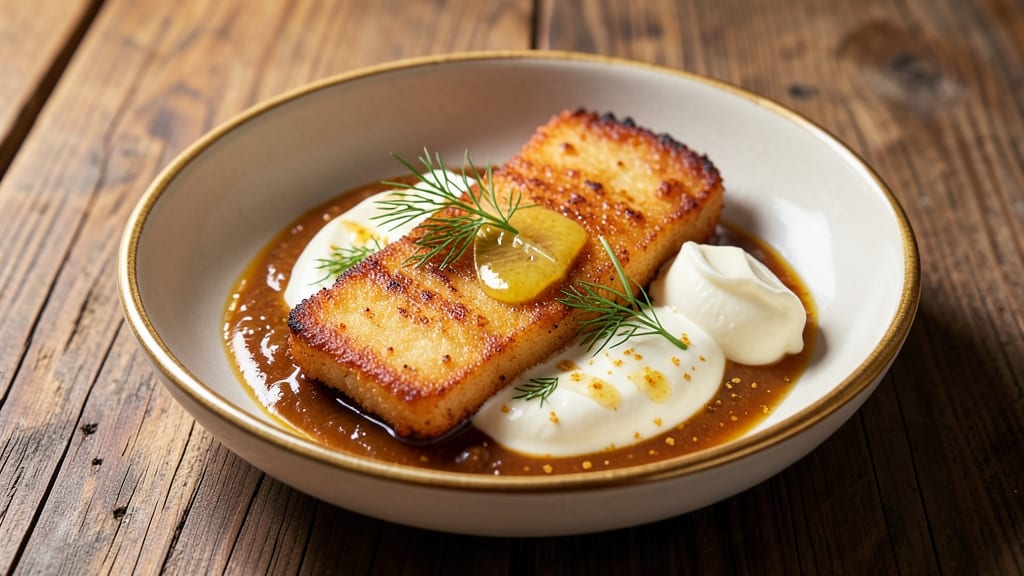
This schnitzel sauce recipe transforms a simple pan drippings into a velvety mustard-dill sauce that elevates crispy schnitzel to restaurant-quality perfection.
The secret lies in balancing tangy Dijon mustard with fresh dill and a touch of lemon, creating a sauce that's rich yet bright enough to cut through the richness of fried breaded cutlets.
What makes this sauce truly special is its 10-minute preparation—no complicated techniques, just a few pantry staples and a hot pan. The key is deglazing the pan immediately after cooking your schnitzel, capturing all those flavorful browned bits that form the foundation of this sauce.
This method ensures maximum flavor with minimal effort, making it ideal for weeknight dinners.
By the time you're done, you'll have a creamy, aromatic sauce with a perfect balance of tangy mustard, fresh dill, and subtle lemon brightness. It clings beautifully to each crispy bite of schnitzel while adding depth to the dish.
The sauce also works wonderfully with grilled chicken, fish, or even as a dip for vegetables.
This recipe delivers professional results without requiring special ingredients or skills—just precise timing and attention to the deglazing process. Let's create this versatile sauce that will become your new go-to for schnitzel nights and beyond.
Ingredients for schnitzel sauce
Nine essential ingredients transform simple pan drippings into velvety schnitzel sauce perfection.
| Ingredient | Amount | Notes |
|---|---|---|
| Pan Drippings from Schnitzel 🍳 | ½ cup | From fried schnitzel, browned bits preserved |
| Dijon Mustard 🌶️ | 2 tbsp | High-quality, tangy variety preferred |
| Fresh Dill 🌿 | ¼ cup | Finely chopped, stems removed |
| Heavy Cream 🥛 | ½ cup | Full-fat for optimal richness |
| Unsalted Butter 🧈 | 2 tbsp | Cold, cubed for smooth texture |
| Lemon Juice 🍋 | 1 tbsp | Freshly squeezed, strained |
| Diamond Crystal Kosher Salt 🧂 | ¼ tsp | Adjust to taste, fine grain preferred |
| Freshly Ground Black Pepper 🌶️ | ⅛ tsp | Freshly cracked for maximum aroma |
| Whole Milk 🥛 | ¼ cup | For thinning if needed |
| Granulated Garlic 🧄 | ½ tsp | For subtle depth of flavor |
The foundation lies in the pan drippings—immediately deglaze with Dijon mustard after cooking schnitzel to preserve those precious browned bits. For the mustard, Maille or Amoy brands deliver superior tanginess, though any high-quality Dijon works. Fresh dill is non-negotiable here; the Williams Sonoma brand or local farmers' markets provide the most vibrant leaves. The heavy cream should be full-fat (no substitutions)—this creates the signature velvety texture. When selecting butter, opt for European-style brands like Plugrá or Kerrygold for their superior fat content and flavor profile. These ingredients work together to create a sauce with professional depth without requiring specialized techniques.
No Dijon mustard? Whole-grain mustard at double the amount provides similar texture, though slightly less tang. Fresh dill unavailable? Dried dill works at one-third the quantity, but the flavor profile will differ noticeably. For a lighter option, substitute half-and-half for the heavy cream, though the sauce will be slightly less rich. The lemon juice is critical for brightness—bottled lemon juice lacks the fresh acidity needed to cut through the creaminess. If you find your sauce too thick, whole milk is the ideal thinner, maintaining the sauce's balance. For those avoiding dairy, coconut cream can replace the heavy cream, though the texture will be slightly heavier. Each substitution requires careful taste adjustment to maintain the sauce's signature harmony of tangy, fresh, and creamy notes.
This sauce reaches peak flavor when served immediately, though it maintains quality for 2-3 days refrigerated in an airtight container. For longer storage, freeze in ice cube trays—thaw and reheat gently over low heat, adding a splash of milk if needed. The sauce reheats beautifully, making it perfect for meal prep. When reheating, avoid boiling to prevent curdling. For optimal freshness, prepare just before serving, as the sauce's velvety texture begins to break down after 24 hours. The sauce pairs beautifully with grilled chicken, fish, or as a dip for vegetables, making it a versatile addition to any meal.
Why You'll Love This Recipe
- No Waste Magic: I swear by this trick—those golden pan drippings from your schnitzel aren’t trash, they’re treasure. Just scrape them into the sauce, and suddenly you’ve got a rich, caramelized base without extra work.
- Dill-Powered Umami Bomb: That fresh dill? It’s the secret weapon here. The bright, herby punch cuts through the creaminess while the Dijon mustard adds just enough tang to make this sauce ridiculously addictive.
- Weeknight & Dinner Party: Honestly, this sauce works for both. Toss it over schnitzel for a quick weeknight meal, or drizzle it over roasted potatoes for a fancy-ish dinner party dish. Same effort, two totally different vibes.
- Budget-Friendly Luxury: Between us, heavy cream and butter make this feel indulgent—but it’s actually cheap. You’re using leftovers (pan drippings!) and small amounts of fancy ingredients to stretch the flavor without breaking the bank.
Step-by-step instructions for schnitzel sauce recipe
Transform your schnitzel drippings into a luxurious mustard-dill sauce with this precise method.
Deglaze the Pan with Mustard and Milk
Leave the pan drippings from your fried schnitzel in the same skillet over medium-low heat. Add the 2 tablespoons Dijon mustard and immediately scrape up all the browned bits with a wooden spoon—this is where the deep umami flavor hides. Let the mixture bubble gently for 1 minute until the mustard begins to mellow and lose its raw bite.
Next, pour in the 0.25 cup whole milk and stir continuously. The milk will help dissolve the mustard completely and create a smooth base. Watch for the sauce to thicken slightly—it should coat the back of a spoon but still flow easily. If it becomes too thick before you're ready, simply add a splash of hot water to adjust the consistency later.
Incorporate Cream and Butter for Richness
Reduce the heat to low and gradually whisk in the 0.5 cup heavy cream. The sauce will immediately begin to thicken as the cream comes to temperature. Add the 2 tablespoons cold unsalted butter, cut into small cubes, and stir until fully melted and incorporated. This step ensures a velvety texture without any lumps.
Here's where the sauce transforms—keep stirring gently for 2-3 minutes until the mixture reaches a luxurious, almost custard-like consistency. You're aiming for a sauce that coats a spoon smoothly but still has enough body to cling to the schnitzel. If the sauce separates at any point, simply whisk vigorously to re-emulsify it.
Add Aromatics and Season to Perfection
Stir in the 0.5 teaspoon granulated garlic and 1 tablespoon lemon juice. The garlic adds subtle depth while the lemon brightens the richness of the cream. Let the sauce simmer gently for 1 minute to allow the flavors to meld. This is also when you'll notice the sauce developing its signature aroma—herbal, tangy, and slightly sweet.
Add the 0.25 cup finely chopped fresh dill, the 0.25 teaspoon Diamond Crystal kosher salt, and 0.125 teaspoon freshly ground black pepper. Taste the sauce and adjust the seasoning if needed—you want a balance of tanginess from the mustard and lemon, herbal brightness from the dill, and just enough salt and pepper to enhance without overpowering.
Finish and Serve Immediately
Remove the sauce from heat and let it rest for 1-2 minutes. This brief resting period allows the flavors to fully integrate and the sauce to reach its ideal consistency. If the sauce is too thick after resting, thin it with a splash of hot water or additional milk, 1 tablespoon at a time, until it reaches a silky, pourable texture.
Serve the sauce immediately over the schnitzel, allowing it to cascade generously over each piece. The sauce should cling beautifully to the crispy exterior while adding moisture to the interior. For an extra touch, garnish with additional fresh dill and a final twist of black pepper. This sauce pairs perfectly with lemon wedges on the side for brightness.
Pro Tips For Making Schnitzel Sauce
- Skim the Drippings: Don’t just pour those golden pan drippings straight into the sauce—skim off the crispy bits first. They’re delicious, but they’ll make your sauce grainy and uneven. Use a fine-mesh strainer or a spoon to catch the good stuff while leaving the gunk behind.
- Whisk in Mustard Slowly: Dijon mustard is strong—add it to the cream after warming it, and whisk it in a little at a time. Dumping it all at once can curdle the cream faster than you can say "sauce disaster." Start with half, taste, then adjust.
- Don’t Boil the Cream: Heavy cream separates when it boils, and that’s a fast track to a broken sauce. Keep the heat at a gentle simmer—tiny bubbles, not rolling waves—and stir occasionally. If it starts to thicken too fast, pull it off the heat for 30 seconds.
- Chop Dill Like Confetti: Fresh dill loses its brightness if you chop it too fine. Give it a rough snip—think confetti, not paste—and add it at the very end. Overworking it turns it to mush, and that’s when you’ll miss the fresh, bright flavor you paid for.
Storing and reheating this dish
Refrigerator Storage
Store your schnitzel sauce in an airtight glass container (like a Le Parfait brand) and refrigerate for up to 3 days. The sauce maintains its velvety texture best when kept chilled, though you may need to thin it with 1 tablespoon whole milk before reheating.
I always let it cool completely before storing to prevent condensation, which can dilute the flavors. 🥫
Freezer Preservation
For longer storage, freeze the sauce in 1-ounce silicone molds or ice cube trays. Once frozen, transfer cubes to a freezer-safe bag, squeezing out excess air to prevent freezer burn. Thaw overnight in the refrigerator and reheat gently over low heat—never microwave directly to avoid breaking the emulsion.
I’ve kept this sauce frozen for up to 2 months with no noticeable texture degradation. ❄️
Reheating Techniques
Reheat stored sauce in a small saucepan over low heat with 1 tablespoon whole milk to restore creaminess. Stir constantly to prevent scorching—this sauce reheats best when warmed slowly to 160°F.
If the sauce separates, whisk vigorously and add 1 teaspoon cold butter to re-emulsify. A splash of lemon juice can also help revive the tangy brightness. 🔥
Texture Restoration
If your reheated sauce feels too thick, thin it with 1 tablespoon hot water or milk while stirring. For extra richness, stir in ½ tablespoon cold butter at the end. The key is patience—let the sauce sit off heat for 1-2 minutes after reheating to allow flavors to meld again.
I’ve found that adding a pinch of fresh dill at the end revives the herbal notes perfectly. 🌿
Meal Prep Strategy
Prepare the sauce one day ahead for maximum flavor development. Store it in the fridge, then reheat just before serving. This works especially well for weeknight dinners—simply keep a portion in the fridge and reheat while your schnitzel fries.
I like to make a double batch on Sundays so I always have sauce ready for spontaneous schnitzel nights. 📅
Serving Flexibility
This sauce isn’t just for schnitzel! Use it as a dipping sauce for veggies or a topping for grilled chicken. For a quick lunch, drizzle it over cold potato salad. The sauce’s versatility makes it perfect for meal prep—just store it properly and reheat as needed.
The secret to its adaptability lies in balancing the mustard’s tang with the cream’s richness. ✨
Nutrition facts
Frequently asked questions
Can I make schnitzel sauce without pan drippings?
Yes, but the flavor will be less rich. Use 1 tablespoon olive oil or 2 tablespoons butter instead of drippings, and add ½ teaspoon soy sauce to mimic the umami depth from browned bits. The sauce will still taste great but won't have that signature caramelized note.
What if my sauce curdles when reheating?
This happens when the sauce separates due to temperature changes. Whisk in 1 teaspoon cold butter or 1 tablespoon heavy cream while stirring constantly over low heat. For extra insurance, add ½ teaspoon Dijon mustard to help re-emulsify the sauce. The key is gentle heat and constant stirring.
Can I substitute sour cream for heavy cream?
Use ½ cup sour cream instead of heavy cream for a tangier, thicker sauce. Reduce the milk to 2 tablespoons to maintain balance. The sauce will have a slightly different texture but still pair beautifully with schnitzel. For extra richness, stir in 1 tablespoon melted butter at the end.
How do I make this sauce dairy-free?
Replace the heavy cream with ½ cup coconut cream (full-fat) and use 2 tablespoons olive oil instead of butter. The sauce will be slightly heavier but still delicious. For tanginess, add an extra 1 teaspoon lemon juice. The texture may be thicker, so thin with 1 tablespoon plant-based milk if needed.
What's the best way to store leftover sauce?
Store in an airtight glass container in the fridge for up to 3 days. For longer storage, freeze in 1-ounce portions (ice cube trays work great). Thaw overnight in the fridge and reheat gently over low heat with a splash of milk to restore creaminess. Avoid microwaving to prevent separation.