
Breakfast & Brunch
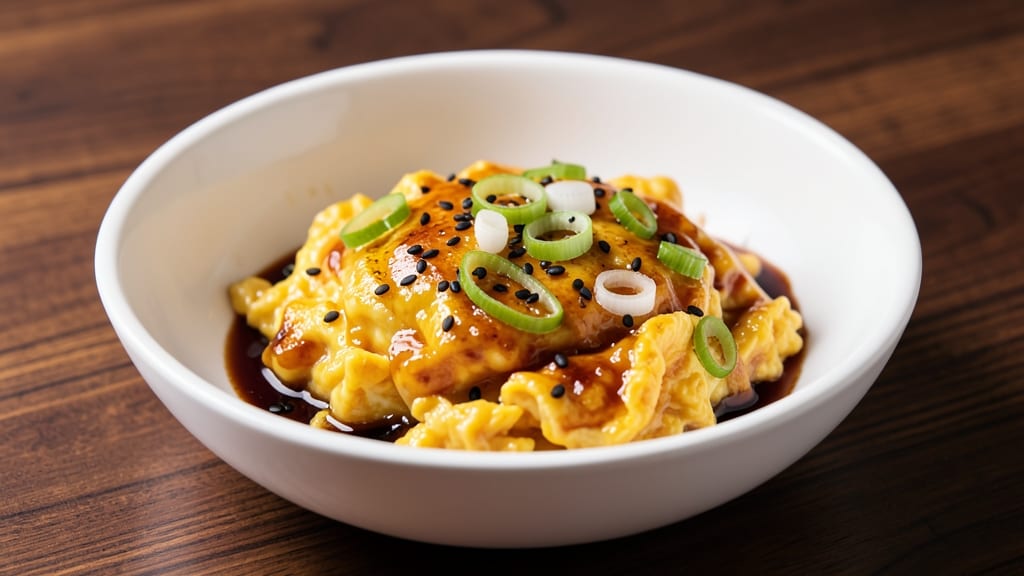
This scrambled eggs soy sauce recipe transforms a simple breakfast into a restaurant-worthy dish with just 10 minutes of active time. The secret lies in balancing soy sauce's umami depth with creamy eggs and a touch of fat—creating a silky, flavorful texture that stays tender.
I developed this technique after years of experimenting with Asian-inspired breakfasts, and it never fails to impress.
The key is using light soy sauce (about 1 tablespoon per 2 eggs) and incorporating it gently into the eggs as they cook. This method preserves the eggs' natural creaminess while infusing them with savory richness. A low, steady heat prevents overcooking, ensuring every bite remains velvety and perfectly seasoned.
What you'll achieve is a dish that's far more complex than traditional scrambled eggs—golden, tender curds with a subtle salty-sweet undertone from the soy sauce. The eggs maintain their moisture while developing a delicate crust at the edges, creating contrast in every bite.
This recipe proves breakfast can be both quick and sophisticated.
Serve with steamed rice or toasted baguette slices to soak up the extra sauce, or pair with fresh herbs for brightness. The technique scales perfectly for one or two servings, making it ideal for any morning. Let's get cooking with this elevated breakfast classic.
Ingredients for scrambled eggs soy sauce
Ten simple ingredients elevate basic eggs into a restaurant-quality umami masterpiece.
| Ingredient | Amount | Notes |
|---|---|---|
| Large Eggs 🥚 | 4 whole | Room temperature for even cooking |
| Light Soy Sauce 🍶 | 2 tbsp | Kikkoman preferred for balance |
| Unsalted Butter 🧈 | 2 tbsp | Cold, cut into small cubes |
| Neutral Oil 🫒 | 1 tbsp | Vegetable or canola for stability |
| Green Onions 🧅 | 2 whole | Thinly sliced, white and green parts |
| Sesame Oil 🫒 | ½ tsp | Toasted sesame for aroma |
| Diamond Crystal Kosher Salt 🧂 | ¼ tsp | Fine grain for delicate seasoning |
| Freshly Ground Black Pepper 🌶️ | ⅛ tsp | Cracked peppercorns preferred |
| Steamed White Rice 🍚 | 1 ½ cups | Warm, for serving |
| Toasted Baguette Slices 🍞 | 4 pieces | For soaking excess sauce |
The light soy sauce is non-negotiable—Kikkoman delivers the perfect balance of salt and sweetness without overpowering. Japanese grocery stores carry superior brands like Yamasa, but the standard supermarket version works fine for weeknight cooking. For the eggs, room temperature is critical; cold eggs cook unevenly and break apart. The unsalted butter must be cold when cubed—this creates the ideal fat base for silky curds. If you're short on time, a 5-minute microwave session warms them perfectly without overcooking. The green onions add brightness, but scallions work identically if that's what you have on hand.
No light soy sauce? Tamari or reduced dark soy sauce at half the amount provides depth, though the color will darken more. Substituting regular soy sauce works but may make the eggs too salty—taste as you go. The sesame oil adds aroma, but toasted sesame seeds sprinkled at the end give similar visual appeal without altering the texture. For the rice, jasmine or short-grain varieties absorb the sauce best, but any steamed white rice suffices. The baguette can be replaced with toasted sourdough or even crispy fried shallots for garnish, though the texture contrast is key for soaking up excess sauce.
Store any leftover eggs in an airtight container for up to 3 days, though reheating scrambles can make them rubbery. The soy sauce-infused eggs actually improve overnight as flavors meld. For the rice, keep it covered in the pot for 1 hour post-cooking to maintain moisture. The butter cubes can be prepped ahead and stored in the freezer for 3 months—just let them sit at room temperature for 10 minutes before using. This recipe scales perfectly for one or two servings, making it ideal for solo mornings or intimate breakfasts.
Why You'll Love This Recipe
- Five-Ingredient Magic: I swear by this combo—eggs, soy sauce, butter, oil, and green onions. That’s it. No fancy gadgets, no last-minute grocery runs, just pantry staples that transform into something ridiculously good in minutes.
- Umami Bomb: One teaspoon of light soy sauce does what hours of seasoning can’t. It cuts through the richness of the butter, giving those eggs a deep, savory punch that sticks with you. Honestly? It’s the kind of flavor that makes you pause mid-bite.
- Office-to-Table Hero: Make a double batch on Sunday—these eggs reheat like a dream. Pack them cold for lunch or warm them up in a pan for a 5-minute dinner. Between us, this is my secret weapon for days when I’d rather be anywhere but the kitchen.
- Budget Breakfast Win: Eggs are cheap, butter is cheap, soy sauce is always cheap. For under $3, I feed my whole family (plus leftovers for me). It’s the kind of meal that doesn’t drain your wallet but still feels like a treat.
Step-by-step instructions for umami-packed scrambled eggs
Here's the method for silky, flavorful scrambled eggs with a perfect soy sauce balance every time.
Prepare the Base Ingredients for Optimal Texture
First, slice the 2 whole green onions into thin rings, separating the white and green parts. Set aside. Cut the 2 tablespoons unsalted butter into small cubes and place them in a nonstick skillet over medium-low heat. Allow the butter to melt completely before adding anything else—this ensures even heat distribution and prevents hot spots that can cause uneven cooking.
While the butter melts, crack the 4 whole large eggs into a medium bowl. Add the 2 tablespoons light soy sauce, 0.25 teaspoon diamond crystal kosher salt, and 0.125 teaspoon freshly ground black pepper. Whisk vigorously for 30 seconds until the yolks and whites are fully combined. The eggs should be uniform in color with no streaks remaining. This step guarantees consistent texture and flavor distribution throughout the dish.
Cook the Eggs on Gentle Heat for Creamy Results
Once the butter has melted and is foaming gently, add the 1 tablespoon neutral oil to the skillet. This combination of butter and oil creates a stable cooking environment that prevents the eggs from sticking while allowing for even heat transfer. Pour the egg mixture into the skillet and let it sit undisturbed for 10 seconds—this initial waiting period allows the eggs to set slightly at the bottom before you begin stirring.
Using a silicone spatula, gently push the eggs from one side of the skillet to the other in small sections, allowing the unset egg to flow into the gaps. Continue this motion for 2-3 minutes until the eggs are softly set but still slightly runny in the center. The key here is patience—over-stirring creates a dense, rubbery texture, while under-stirring leads to dry edges. You're aiming for a creamy, custard-like consistency with no visible liquid egg remaining.
Incorporate Aromatics and Finish with Sesame Oil
When the eggs are 80% set but still slightly moist, remove the skillet from heat. Add the white parts of the green onions and stir gently to distribute them evenly. Return the skillet to low heat and cook for an additional 30 seconds, just enough to warm through the onions without burning them. This step adds a subtle sweetness that complements the umami from the soy sauce.
Drizzle in the 0.5 teaspoon sesame oil and stir once more to combine. The sesame oil should infuse immediately, adding a nutty aroma that enhances the overall flavor profile. Remove the skillet from heat once again and let the eggs rest for 1 minute—this final resting period allows any remaining moisture to redistribute, resulting in eggs that are silky and cohesive rather than dry or grainy.
Serve Immediately with Complementary Components
Transfer the scrambled eggs to a serving plate and arrange them over the 1.5 cups steamed white rice. The rice should be warm but not steaming, as excess moisture can dilute the flavors of the eggs. Place the 4 pieces toasted baguette slices on the side for soaking up any excess sauce. The toasted baguette not only adds texture but also absorbs the rich, umami-packed egg mixture beautifully.
Garnish with the green parts of the green onions for a pop of color and freshness. Serve immediately while the eggs are still warm, as they continue to set slightly as they cool. Each bite should deliver a harmonious balance of creamy eggs, savory soy sauce, nutty sesame, and subtle onion sweetness, all complemented by the neutral base of the rice and the crisp texture of the toasted baguette.
Pro Tips For Making Scrambled Eggs Soy Sauce
- Whisk Eggs Cold: Crack eggs straight from the fridge into a chilled bowl—no warm hands, no warm water. The shock keeps them from cooking prematurely in the pan, so they scramble faster and stay silky when you hit them with soy sauce. I learned this the hard way after making rubbery eggs from lukewarm yolks.
- Butter First, Oil Last: Melt 1 tablespoon of butter in the pan until it foams, then add ½ tablespoon neutral oil. The butter adds richness, but the oil prevents burning when you toss in soy sauce (which lowers the pan’s tolerance for heat). Skip this, and you’ll end up with bitter, sticky eggs.
- Soy Sauce in Stages: Add half the soy sauce before the eggs hit the pan—it preheats and flavors the butter. Drizzle the rest after the eggs are mostly set but still slightly wet. This balances saltiness without overpowering the texture. I used to dump it all at once and regretted it every time.
- Green Onions Last: Chop the whites and greens separately, then fold in the whites first when the eggs are just off the heat. Toss in the greens right before serving—they wilt instantly, turning the dish from "meh" to "wow." Sounds fussy, but it’s the difference between garnish and actual flavor.
Troubleshooting your scrambled eggs soy sauce
Overcooked Eggs
If your eggs turn out dry or rubbery, you likely cooked them too hot or stirred too aggressively. I’ve found that medium-low heat is critical—any higher, and the eggs release moisture too quickly, creating a grainy texture.
For the best results, use a nonstick skillet (I recommend All-Clad Stainless Steel) and stir only until the eggs are 80% set, then remove from heat. 🔥
Underseasoned Flavor
The soy sauce might not be shining if you didn’t incorporate it properly. Whisk the 2 tbsp light soy sauce into the eggs before cooking to distribute flavor evenly.
If the eggs taste bland, add a pinch more salt (¼ tsp Diamond Crystal kosher salt) or a splash of toasted sesame oil at the end. Taste as you go—soy sauce varies in saltiness, so adjust to preference.
Uneven Cooking
Cold eggs or inconsistent heat causes uneven doneness. Always use room-temperature eggs (let them sit out for 10 minutes) and maintain steady medium-low heat throughout.
If your stove lacks precision, preheat the skillet for 1 minute before adding butter. A thermometer (like Thermoworks Smoke) helps—ideal pan temp is 275–300°F.
Soy Sauce Overpowering
Too much soy sauce can make the eggs taste salty or bitter. Start with 1 tbsp per 2 eggs and reduce if needed. For a deeper flavor without excess salt, reduce 1 tbsp soy sauce with ½ tsp sugar in a small saucepan until syrupy, then whisk into the eggs.
This balances umami with subtle sweetness. 💫
Sticky or Burnt Butter
Burnt butter ruins the dish—always melt it gently over low heat before adding eggs. If the butter browns too quickly, reduce heat further or use a smaller skillet (I prefer 10-inch) for better control.
Cold butter cubes also help—let them sit at room temp for 5 minutes before cooking to prevent temperature shocks.
Leftover Eggs Too Dry
Reheating scrambled eggs can turn them dry, but a simple fix works: Add 1 tbsp water or milk per 2 eggs to a skillet over low heat, then gently fold in the leftovers.
Cover for 1–2 minutes to steam and restore creaminess. For extra richness, stir in ½ tbsp butter at the end. Store leftovers in an airtight container for up to 3 days.
Nutrition facts
Frequently asked questions
Can I use dark soy sauce instead of light?
Dark soy sauce will give your eggs a deeper color and slightly sweeter flavor, but it's much saltier. Use only 1 teaspoon per 2 eggs and reduce the regular soy sauce by 1 tablespoon to avoid overpowering the dish. The texture remains the same, but the color will be richer and more golden.
How do I make these eggs vegetarian?
Replace the eggs with 4 large firm tofu cubes (pressed and crumbled) or ½ cup chickpea flour batter. For the soy sauce flavor, add 1 tablespoon nutritional yeast to mimic the umami depth. The cooking method remains identical—just use the same gentle heat technique to achieve a creamy texture.
Why do my soy sauce eggs turn out rubbery?
Overcooking or stirring too aggressively releases moisture too quickly, creating a dense texture. Always cook on medium-low heat and stir only until the eggs are 80% set. Remove from heat immediately and let them rest for 1 minute to redistribute moisture. A nonstick skillet helps prevent sticking that can also contribute to dryness.
What's the best way to reheat leftovers?
Add 1 tablespoon water or milk per 2 eggs to a skillet over low heat, then gently fold in the leftovers. Cover for 1-2 minutes to steam and restore creaminess. For extra richness, stir in ½ tablespoon butter at the end. Never microwave—it makes eggs rubbery. Store in an airtight container for up to 3 days.
Can I make this recipe ahead of time?
Yes! Prepare the eggs up to 2 days ahead and store in an airtight container in the fridge. Reheat gently with a splash of water or milk, as mentioned above. The flavors actually improve overnight as the soy sauce infuses more deeply. For best texture, serve with freshly steamed rice and toasted baguette.