
Sauces & Condiments
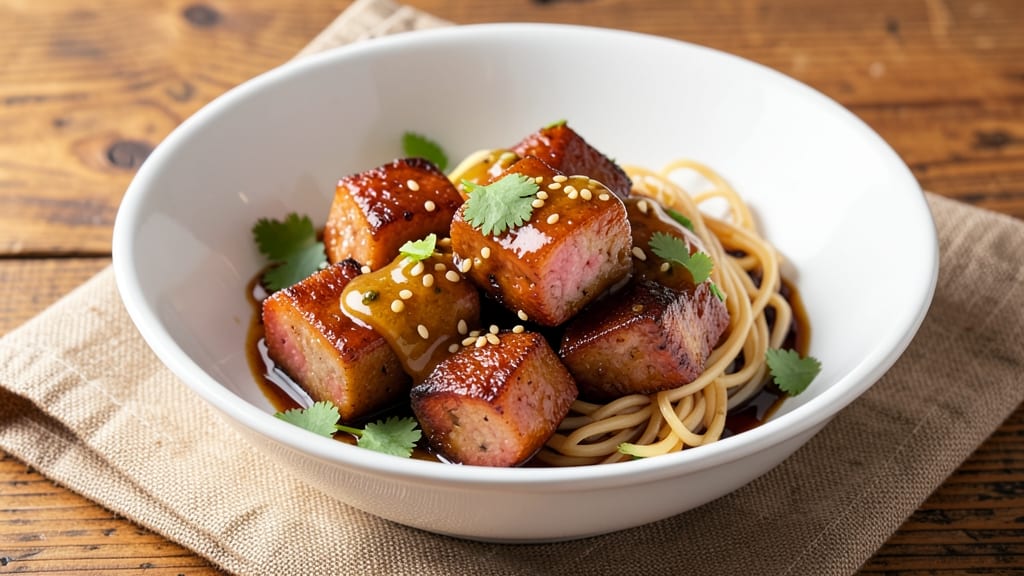
This Spam sauce recipe transforms canned Spam into a rich, umami-packed condiment that elevates everything from fried rice to grilled meats in just 15 minutes. The secret lies in balancing sweet, tangy, and savory flavors—soy sauce, brown sugar, and vinegar create depth while garlic and ginger add aromatic warmth.
I developed this sauce after craving something quick yet restaurant-quality to drizzle over my favorite dishes.
The beauty of this recipe is its versatility—use it as a dipping sauce for fries, a glaze for grilled chicken, or a stir-in for noodles. One-pot preparation means minimal cleanup, and the ingredients are likely already in your pantry.
The sauce thickens slightly as it cools, making it perfect for meal prep or last-minute flavor boosts.
What you’ll end up with is a glossy, aromatic sauce with layers of caramelized sweetness and bold umami that clings beautifully to food. The texture is silky yet slightly sticky, ideal for coating or drizzling. This isn’t just a condiment—it’s a flavor multiplier that turns simple meals into standout dishes.
Pair it with anything from ramen to burgers, or even use it as a marinade. The possibilities are endless, and the process couldn’t be simpler. Let’s get cooking!
Ingredients for spam sauce
Pantry staples plus one can of Spam—this sauce comes together faster than takeout.
| Ingredient | Amount | Notes |
|---|---|---|
| Canned Spam 🍖 | 6 oz | Diced into small cubes |
| Soy Sauce 🥢 | ½ cup | Light or dark variety |
| Brown Sugar 🍚 | ¼ cup | Packed, not scooped |
| Rice Vinegar 🍶 | ¼ cup | White or seasoned |
| Fresh Ginger 🌿 | 2 tbsp | Finely grated, peel on |
| Garlic Cloves 🧄 | 4 cloves | Minced, not pressed |
| Sesame Oil 🫒 | 1 tbsp | Toasted, not flavored |
| Honey 🍯 | 1 tbsp | Wildflower preferred |
| Cornstarch 🌾 | 1 tsp | For thickening |
| Red Pepper Flakes 🌶️ | ½ tsp | Adjust for heat |
The Spam is the star here, so grab a can of the classic variety—not the honey or bacon flavors. Trader Joe's and Costcojarred minced garlic works. The soy sauce? Kikkoman or La Choy are solid choices, but any brand will do. For the brown sugar, pack it tightly—that extra bit of volume matters for the caramelized flavor. Sesame oil adds depth, but if you don't have it, neutral oil plus a pinch of sesame seeds can mimic the effect.
No rice vinegar? Apple cider vinegar or balsamic works in a pinch, but the flavor will be slightly different. Swapping out the honey? Maple syrup or agave keeps things sweet, but honey’s floral notes are ideal. The cornstarch is key for that silky texture—don’t skip it unless you’re okay with a thinner sauce. Red pepper flakes can be omitted if you’re sensitive to heat, but they add a nice kick. If you’re making this ahead, stir in a splash of water to loosen it up before reheating.
This sauce keeps for 5 days in the fridge and freezes beautifully for 3 months. Store it in an airtight container, and it’ll stay glossy and flavorful. I like to portion it into small jars—perfect for drizzling over meals or packing in lunches. If it thickens too much, just add a splash of water or vinegar to thin it out. Trust me, the leftovers taste even better the next day.
Why You'll Love This Recipe
- Pantry in Minutes: I swear, this sauce comes together faster than I can say "open can." Five ingredients, one pot—no chopping, no fuss. The Spam dices itself while I measure soy and sugar, and by the time ginger’s grated, it’s ready to go.
- Umami Bomb: That salty-sweet balance? Chef’s kiss. The soy and brown sugar caramelize into something rich, while the ginger and rice vinegar cut through with a bright, tangy kick. It’s the kind of flavor that makes you reach for another spoonful without thinking.
- Secret Weapon: Between us, this sauce is my lazy night’s best friend. Drizzle it over rice for a quick meal, toss it with noodles, or even slather it on grilled cheese. Honestly, I’ve used it in everything from stir-fries to sandwiches—it just works.
- Budget Magic: A single can of Spam stretches into multiple meals, and the rest of the ingredients cost pennies. I made a double batch last week and still have jars stashed for emergencies. (Yes, even on a Tuesday night.)
Step-by-step instructions for Spam sauce recipe
Here's how to make this bold, umami-packed sauce in one pot with zero fuss.
Dice and Sear the Spam
Open the 6 oz canned spam and drain it well, then cut it into small, even cubes about ½-inch in size. Heat 1 tablespoon sesame oil in a medium saucepan over medium-high heat until shimmering. Add the diced spam and cook for 3-4 minutes, stirring occasionally, until the edges start to brown and the pieces release easily from the pan.
Don't skip this step—browning the spam builds deep flavor. If it sticks, just add a splash of water and scrape it up. The goal is to get that caramelized color without burning, so keep an eye on it. Once golden, remove the spam with a slotted spoon and set it aside temporarily.
Build the Sauce Base
In the same saucepan, add the 2 tablespoons finely grated fresh ginger and 4 minced garlic cloves. Cook for 30 seconds until fragrant—you'll smell that bright, zesty aroma. Immediately pour in the 0.5 cup soy sauce and 0.25 cup brown sugar, stirring to dissolve the sugar completely.
Bring the mixture to a gentle boil over medium heat, then reduce to medium-low. Let it simmer uncovered for 2 minutes, stirring occasionally, until the sauce thickens slightly and coats the back of a spoon. This is where the sweet and salty flavors meld together beautifully.
Add Acid and Sweetness
Pour in the 0.25 cup rice vinegar and 1 tablespoon honey, stirring well to combine. The vinegar will make the sauce bubble up—let it simmer for another 2 minutes until the mixture reduces slightly and becomes glossy. Taste it now—you should get a balance of tangy, sweet, and umami flavors.
If you want more heat, sprinkle in the 0.5 teaspoon red pepper flakes and stir for 10 seconds to toast them slightly. This releases their capsaicin and adds a subtle kick. Return the browned spam to the pan and stir to coat everything evenly in the sauce.
Thicken and Finish
Sprinkle the 1 teaspoon cornstarch over the sauce and stir vigorously for 1 minute. The cornstarch will absorb the liquid and start to thicken the sauce. Pour in ¼ cup water and stir constantly until the sauce reaches your desired consistency—it should coat the back of a spoon but still be pourable.
Let the sauce simmer for another 2 minutes to fully thicken. Taste and adjust seasoning if needed—you might want to add a touch more soy sauce for saltiness or honey for sweetness. The sauce should be glossy, balanced, and perfectly cling to the spam pieces.
Serve Immediately
Transfer the sauce to a serving bowl or keep it warm in the saucepan. Serve over steamed rice, noodles, or even as a dipping sauce for spring rolls. The sauce will continue to thicken slightly as it cools, so don't worry if it looks a little thin right after cooking.
This sauce is best enjoyed fresh, so don't make it too far ahead. If you need to store it, keep it in an airtight container in the fridge for up to 5 days, reheating gently on the stove with a splash of water to restore its glossy texture.
Pro Tips For Making Spam Sauce
- CHOP GINGER SMALL: I learned this the hard way—big chunks of ginger just sit there like stubborn guests. For this sauce, you want it finely minced so it blends right in and dissolves into the heat. A microplane or the side of your knife works best; aim for pea-sized pieces or smaller.
- SAUTÉ SPAM UNTIL GOLDEN: Don’t rush this step. Slice the Spam into ¼-inch strips and cook them in a dry pan over medium-high heat until they’re crispy and golden on all sides. Skipping this means your sauce will taste raw and greasy—no one wants that.
- BALANCE SWEET AND SOUR: Brown sugar and rice vinegar are a match made in heaven, but too much of either throws off the sauce. Start with a 1:1 ratio (1 tablespoon each) and taste as you go. Adjust slowly—you can always add more, but you can’t take it out.
- STIR CONSTANTLY AFTER ADDING SOY: Once you pour in the soy sauce, keep that pan moving. Soy sauce burns faster than you think, and burnt soy sauce ruins everything. A wooden spoon works best—scrape the bottom every 30 seconds until it’s fully incorporated.
Wine and beer pairings for this dish
Asian-Inspired Beer Pairings
This sauce’s bold umami and sweet-savory balance pairs beautifully with Japanese lagers like Asahi Super Dry or Sapporo. The crisp, clean finish cuts through the richness without overpowering the sauce’s depth.
For a craft option, try a light Japanese pale ale—brands like Kona Big Wave work wonderfully. The subtle hop bit enhances the ginger and garlic notes in the sauce. 🍺
Sweet and Tangy Wine Matches
A dry Riesling from Germany or Alsace is my go-to wine pairing—its bright acidity and honeyed notes mirror the sauce’s sweet-savory profile. Look for Dr. Loosen Blue Slate or Trimbach Riesling.
For something bolder, a light-bodied Pinot Noir with red fruit undertones complements the caramelized flavors. Avoid heavy, oaky wines that would clash with the sauce’s delicate balance.
Craft Beer for Bold Flavors
If you prefer beer, a wheat beer like Blue Moon or Allagash White adds a refreshing contrast to the sauce’s richness. The citrusy notes in the beer brighten the dish, making it perfect for dipping or drizzling.
For a smokier option, try a lightly smoked porter—brands like Founders Kentucky Breakfast Stout (though stout is heavier, the smoke pairs surprisingly well with the caramelized Spam).
Unexpected Non-Alcoholic Pairings
Don’t overlook sparkling yuzu soda—its citrusy tang and effervescence cleanse the palate between bites. For a tea pairing, jasmine green tea with a splash of honey adds a floral, aromatic contrast to the sauce’s bold flavors.
Even a ginger ale works in a pinch, especially if you’re serving the sauce with fried dishes like spring rolls. 💫
Regional Adaptations for Pairings
In Hawaii, where Spam is a staple, pair this sauce with local craft beers like Kona Brewing Company’s Longboard Lager. The tropical maltiness enhances the sauce’s caramel notes.
In Korea, where Spam is often used in stews, a light Korean lager like Hite or Cass complements the dish’s umami depth. For a fusion twist, try pairing it with a sake cocktail—just mix sake with a splash of yuzu juice for a refreshing match.
Pro Tips for Pairing
Serve the sauce slightly warm—its flavors open up more when paired with cold beverages. If using wine, chill it to 45-50°F to preserve its crispness. For beer, serve at 40-45°F to balance the sauce’s richness.
And here’s a secret: a dash of sesame oil in your drink (even beer or iced tea) can bridge the flavors and make the pairing even more cohesive. 💡
Nutrition facts
Frequently asked questions
Why does my homemade Spam sauce turn out too thin?
The cornstarch is your secret weapon for thickness! If your sauce is too thin, simply mix ½ teaspoon cornstarch with 1 tablespoon cold water, stir into the simmering sauce, and cook for 1-2 minutes until it thickens. For extra insurance, simmer uncovered slightly longer to reduce excess liquid.
Can I make this sauce without sesame oil?
Swap it for neutral oil like vegetable or canola, then add ½ teaspoon toasted sesame seeds at the end for aroma. For deeper flavor, use 1 teaspoon of toasted sesame paste (like tahini) mixed into the sauce. The texture won't be identical, but the taste will still shine.
How can I use this sauce beyond Asian dishes?
This versatile sauce works as a glaze for grilled chicken or pork, a dipping sauce for fries or spring rolls, or even a marinade for tofu. Try drizzling it over tacos or mixing it into scrambled eggs for a savory breakfast twist. The sweet-savory balance elevates almost any protein!
What's the best way to reheat leftover sauce?
Gently reheat on the stove over low heat with 1 tablespoon water or vinegar to restore its glossy texture. Stir constantly to prevent burning. Microwaving works too—just heat for 20-30 seconds and stir well. Avoid high heat, which can make the sauce separate.
Can I substitute honey with another sweetener?
Yes! Use 1 tablespoon maple syrup or agave for a similar sweetness level. For a deeper caramel flavor, try 1 teaspoon molasses. If you're avoiding sugar entirely, a dash of liquid stevia (to taste) will work, though the texture may be slightly thinner. Always adjust to taste after cooking.