
Sauces & Condiments
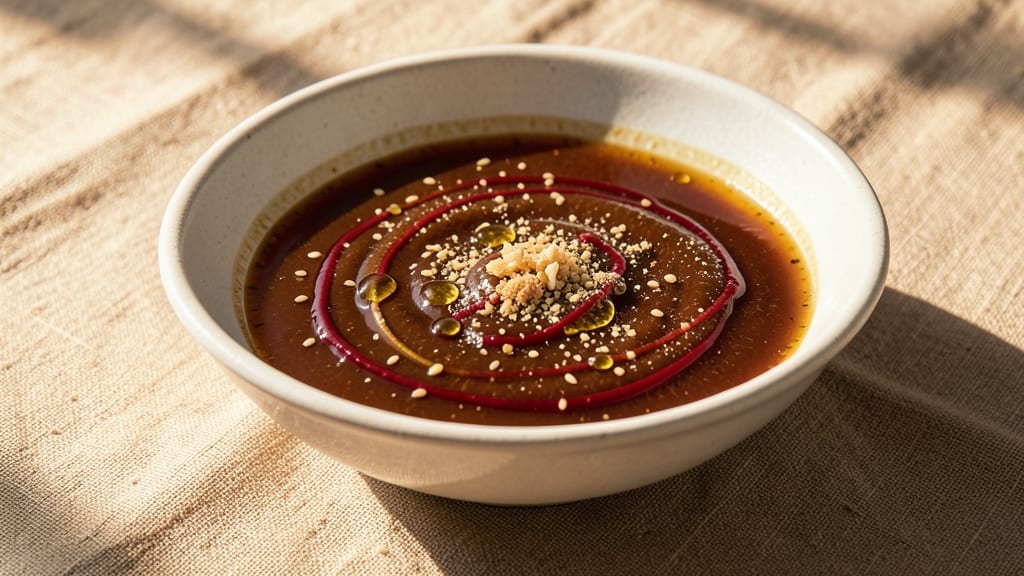
This vegan tamari sauce recipe transforms simple pantry staples into a glossy, umami-rich base that elevates stir-fries, marinades, and dipping sauces with professional depth. The key lies in balancing tamari’s saltiness with sweetness and acidity—creating a sauce that’s both versatile and restaurant-quality.
I developed this version after years of refining store-bought alternatives, and it never fails to impress.
The foundation is built on tamari, a gluten-free soy sauce alternative that delivers deep savory notes without the bitterness of traditional soy sauce. A touch of maple syrup or agave adds natural sweetness, while rice vinegar brightens the flavor profile.
Optional ingredients like sesame oil and garlic powder introduce layers of complexity, making this sauce adaptable to any dish.
What you’ll end up with is a glossy, velvety sauce that clings beautifully to noodles, vegetables, or proteins. It’s rich enough to stand alone as a dipping sauce but balanced enough to enhance marinades and stir-fry glazes.
The best part? It keeps well in the refrigerator for up to two weeks, making it a pantry essential.
Whether you’re prepping for a weeknight dinner or a special meal, this tamari sauce delivers consistent results. Let’s get started—your taste buds will thank you.
Ingredients for tamari sauce
Nine simple ingredients blend into a velvety, umami-packed sauce that transforms any dish.
| Ingredient | Amount | Notes |
|---|---|---|
| Tamari 🍶 | ½ cup | Gluten-free soy sauce alternative |
| Pure Maple Syrup 🍁 | ¼ cup | Grade B preferred for depth |
| Rice Vinegar 🍶 | ¼ cup | White or seasoned variety |
| Toasted Sesame Oil 🌰 | 1 tbsp | High-quality, nutty aroma |
| Garlic Powder 🧄 | 1 tsp | Freshly ground preferred |
| Ginger Powder 🌿 | ½ tsp | For subtle warmth |
| Sesame Seeds 🌱 | 1 tbsp | Toasted for garnish |
| Water 💧 | ¼ cup | Adjust for desired consistency |
| Agave Nectar 🍯 | 1 tbsp | Optional sweetener alternative |
| Diamond Crystal Kosher Salt 🧂 | ½ tsp | Fine grain preferred |
Tamari is the heart of this sauce—look for brands like San-J or La Choy in the Asian aisle, not the soy sauce section. Grade B maple syrup adds depth (the darker, the better), while Trader Joe's carries it affordably. Rice vinegar matters too—Kikkoman is my go-to, but any white vinegar works in a pinch. Sesame oil should smell nutty and fragrant, not stale. If your bottle's been open over a month, toss it. The garlic and ginger powders? Penzeys or bulk bins at Whole Foods are worth the splurge for that fresh-ground flavor. Toast your sesame seeds in a dry pan for 30 seconds—they'll add crunch and aroma to your finished sauce.
No tamari? Coconut aminos work in a 1:1 swap, though the flavor will be slightly milder. Skip the maple syrup? Agave nectar or date syrup keeps it vegan, but maple's caramel notes are irreplaceable. Rice vinegar missing? Apple cider vinegar adds fruity brightness. Sesame oil too pricey? Avocado oil at half the amount mimics the fat content, though it lacks the nutty depth. Fresh ginger or garlic? Minced and cooked down into the sauce for 2 minutes—just don't overcook or they'll turn bitter. The water is adjustable: add more for a thinner sauce, less for a glaze.
This sauce keeps for 2 weeks in an airtight container in the fridge, though I find the flavor actually improves after 48 hours as the ingredients meld. For long-term storage, freeze in ice cube trays—perfect for single-use portions. Shake well before each use, as the sesame seeds (if added) will settle. A splash of hot water revives the glossy texture if it thickens. Double the batch—you'll want it on hand for everything from stir-fries to marinades.
Why You'll Love This Recipe
- Five-Ingredient Magic: I swear, this sauce comes together faster than I can say "taste test." Just toss those five ingredients into a bowl—no chopping, no straining, no waiting for anything to simmer. Honestly, I’ve made it while scrolling through emails, and it still turns out perfect.
- Sweet-Savory Balance: That maple syrup and tamari combo? It’s the kind of harmony you didn’t know you needed. The garlic powder adds a subtle punch, while the sesame oil gives it this warm, nutty finish that makes every bite feel like a little reward. (Yes, even on a Tuesday night.)
- Pantry Staple Power: Between us, this sauce is my go-to for everything from quick stir-fries to drizzling over roasted veggies. It’s the kind of thing that turns a simple meal into something special without requiring a shopping spree. And because it’s just five ingredients, it’s also my budget-friendly secret weapon.
- Leftovers That Last: Make a big batch—it keeps for weeks in the fridge, and the flavor only gets better as it mellows. I’ve used the same jar for three different meals, and no one’s ever complained. Plus, if you mess up the ratios (like I did the first time), you can just tweak it next time. Not the prettiest, but the taste makes up for it.
Step-by-step instructions for tamari sauce recipe
Here's how to craft a velvety tamari sauce that balances sweet, savory, and umami perfectly.
Combine Wet Ingredients in a Saucepan
In a medium saucepan, pour in the 0.5 cup tamari, 0.25 cup pure maple syrup, 0.25 cup rice vinegar, and 0.25 cup water. I like to use a saucepan with sloped sides—this helps prevent spattering when the mixture heats up. Place the pan over medium heat and bring everything to a gentle simmer, stirring occasionally to ensure the maple syrup dissolves completely.
Watch for tiny bubbles forming around the edges of the pan—this tells you the liquid is reaching 180°F, the ideal temperature for blending flavors without scorching. The rice vinegar will add a bright acidity that cuts through the richness of the tamari, while the maple syrup introduces subtle caramel notes. Let it simmer uncovered for 5 minutes to allow the flavors to meld together.
Add Aromatics and Sweeteners
Once the mixture is simmering gently, reduce the heat to low and stir in the 1 tbsp toasted sesame oil, 1 tsp garlic powder, 0.5 tsp ginger powder, and 1 tbsp agave nectar. The toasted sesame oil will infuse the sauce with nutty depth, while the garlic and ginger powders add aromatic warmth without overpowering the delicate balance. The agave nectar enhances the sweetness just enough to complement the tamari's natural umami.
Let the sauce simmer for another 3-4 minutes, stirring frequently. You'll notice the mixture thickens slightly as the starches in the maple syrup and agave begin to gel. The sauce should coat the back of a spoon smoothly—this is your signal that the flavors are integrating properly. If it starts to smell too strong, reduce the heat slightly to prevent overcooking.
Season and Finish
Taste the sauce and adjust the seasoning with the 0.5 tsp diamond crystal kosher salt. I usually add it gradually—start with half, taste, and then add the rest if needed. The salt should enhance the tamari's savory notes while balancing the sweetness. If the sauce feels too thick, add 1-2 tablespoons of water to reach your desired consistency; if it's too thin, simmer uncovered for another 2-3 minutes to reduce it.
Remove the pan from heat and let the sauce rest for 5 minutes. This resting period allows the flavors to fully develop and the sauce to thicken naturally. The texture should be glossy and coat the back of a spoon like a high-quality stir-fry sauce. If you're using it immediately, skip the resting step—but for best results, let it sit.
Garnish and Store
Transfer the sauce to a bowl and sprinkle with 1 tbsp toasted sesame seeds for texture and visual appeal. The seeds add a subtle crunch that contrasts beautifully with the smooth sauce. For immediate use, drizzle over stir-fries, noodles, or grilled proteins. If storing, let the sauce cool completely, then transfer it to an airtight container and refrigerate for up to 1 week or freeze for up to 3 months.
This sauce works wonders as a marinade, dipping sauce, or glaze. Its versatility comes from the harmony of tamari's depth, maple syrup's sweetness, and rice vinegar's brightness. The toasted sesame oil and seeds add layers of complexity that elevate simple dishes to restaurant-quality.
Pro Tips For Making Tamari Sauce
- Whisk in stages: Dump all the tamari, maple syrup, and vinegar into the pan first, then heat it up just until the syrup starts to shimmer—about 2 minutes on medium. Only then add the garlic powder and sesame oil, stirring constantly. I learned this the hard way: adding the sesame oil too early burns it before it even gets a chance to sing.
- Use real maple syrup: Skip the pancake syrup or imitation stuff—pure maple syrup adds depth and caramelizes better. If you’re pinching pennies, a high-quality Grade B (it’s darker, richer) works fine, but don’t cut corners here. The sauce will taste flat if you use anything less.
- Taste before the oil: Add the garlic powder and sesame oil last—they’re the seasoning, not the base. Taste the tamari-vinegar-maple mix first. You’ll need to adjust salt (tamari’s salty) and acid (vinegar’s sharp) before the oil mutes everything. Trust me, your sauce will thank you.
- Simmer, don’t boil: Once everything’s combined, keep the heat low and let it bubble gently for 3-4 minutes. Boiling burns the maple syrup and makes the sauce bitter. You’re not making candy—just a glossy, balanced glaze. Walk away if you have to; patience here makes all the difference.
Creative variations of this dish
Spicy Tamari Glaze
For a bold kick, stir in 1 tbsp gochujang (Korean chili paste) and ½ tsp red pepper flakes while simmering the wet ingredients. The gochujang adds fermented heat and depth, while the red pepper flakes bring sharp, bright spice.
I like to balance this with 1 extra tbsp maple syrup to soften the intensity. This glaze works perfectly on grilled chicken or tofu skewers—just brush it on during the last 2 minutes of cooking to prevent burning. 🌶️
Citrus-Inspired Marinade
Transform this sauce into a zesty marinade by adding 2 tbsp freshly squeezed lime juice and 1 tbsp grated lime zest to the simmering mixture. The acidity brightens the tamari’s umami, while the zest adds aromatic complexity.
Let the marinade rest for at least 1 hour before using it on shrimp or salmon. For extra tenderness, add 1 tbsp cornstarch to thicken it slightly—this helps the sauce cling better to delicate proteins. 🍋
Creamy Sesame Dressing
Blend this sauce into a creamy dressing by whisking in ¼ cup silken tofu (or 2 tbsp coconut yogurt) after it cools. The tofu adds a velvety texture, while the tamari keeps it savory. I also toss in 1 tsp toasted sesame paste for extra richness.
This dressing is perfect for noodle bowls or cold salads—just drizzle it over your dish and garnish with extra sesame seeds for crunch. 🥗
Sweet and Smoky BBQ Tamari
For a smoky twist, replace the rice vinegar with ¼ cup apple cider vinegar and stir in 1 tsp smoked paprika and ½ tsp liquid smoke (like La Choy) during the final simmer.
The paprika adds warmth, while the liquid smoke deepens the flavor profile. This sauce is ideal for pulled pork or jackfruit—simmer it for 5 extra minutes to intensify the smokiness. 🔥
Herb-Infused Dipping Sauce
Elevate your dipping game by stirring in 1 tbsp chopped fresh cilantro and 1 tsp fish sauce (or 1 tsp coconut aminos for vegan) after the sauce cools. The cilantro adds freshness, while the fish sauce (or coconut aminos) boosts umami.
Serve this with spring rolls, edamame, or crispy tofu. For extra vibrancy, top with thinly sliced scallions and a drizzle of chili oil. ✨
Sweet and Sticky Stir-Fry Sauce
Double the maple syrup to ½ cup and add 1 tbsp honey (or agave) for a thicker, stickier consistency. Simmer for 7-8 minutes until the sauce reduces to a glossy glaze.
This version is perfect for stir-fries—toss it with bell peppers, snap peas, and shrimp for a quick weeknight meal. The extra sweetness caramelizes slightly, adding depth to every bite. 💫
Nutrition facts
Frequently asked questions
Is tamari sauce the same as soy sauce?
No, they're closely related but distinct. Tamari is a gluten-free, fermented soy sauce alternative with a richer, deeper umami flavor and smoother texture. Traditional soy sauce often has a slightly bitter edge, while tamari delivers pure savory depth. For this recipe, tamari's clean profile makes it ideal for balancing sweet and acidic elements without overpowering them.
Can I make this sauce without maple syrup?
Yes, but you'll notice a difference in depth. Substitute with agave nectar (1:1 ratio) for a neutral sweetness, or date syrup for caramel notes. If using honey, reduce the liquid by 1 tbsp since it's thicker. The sauce will still work, but maple syrup's Grade B variety adds that signature complexity.
How do I adjust the thickness of this sauce?
For a thinner consistency, add 1-2 tbsp water while warm and stir well. For a thicker glaze, simmer uncovered for 2-3 extra minutes or reduce the water by 1 tbsp in the initial mixture. The sauce should coat the back of a spoon smoothly—this is the ideal texture for both stir-fries and dipping.
Can I use this sauce as a marinade?
This sauce marries perfectly with proteins like chicken, tofu, or shrimp. For best results, marinate for at least 1 hour (or overnight for deeper flavor). Add 1 tbsp cornstarch to thicken it slightly if working with delicate fish or thin proteins. The tamari's saltiness helps tenderize while the sweetness caramelizes during cooking.
Why does my sauce smell too strong?
Overcooking the sesame oil or simmering too long can intensify flavors. Reduce heat immediately if the aroma becomes overpowering. For a milder version, cut the sesame oil to ½ tbsp or replace it with avocado oil. The sauce should smell nutty and aromatic, not harsh or burnt. Let it cool before tasting—flavors mellow as they rest.