
Sauces & Condiments
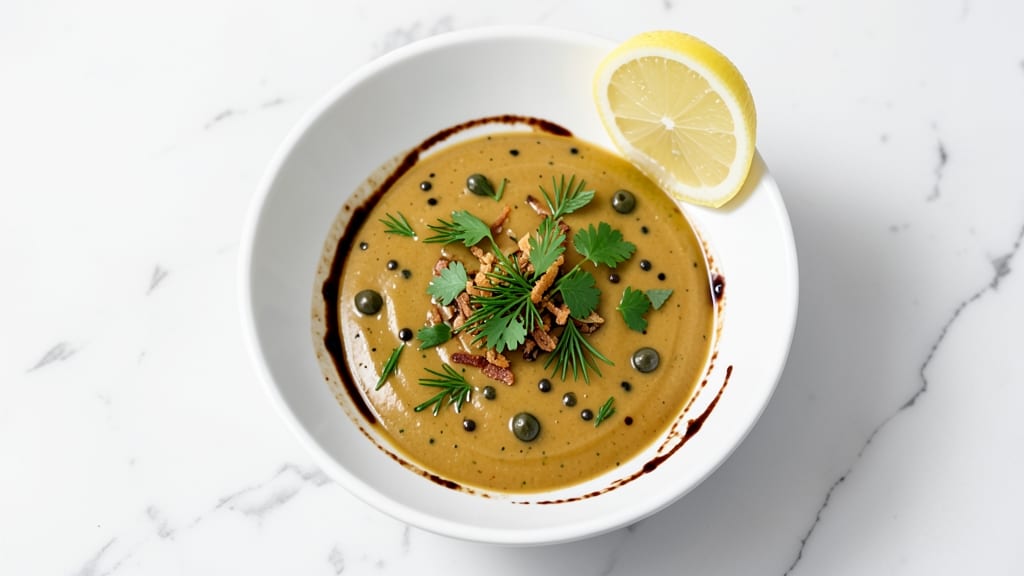
This tartar sauce recipe without pickles delivers bright, herbaceous creaminess that elevates every seafood dish. The secret lies in balancing fresh dill and parsley with tangy lemon and briny capers—no pickles needed for that signature zing.
I developed this version after realizing classic recipes often rely too heavily on pickles, which can overpower delicate fish flavors.
What makes this sauce stand out is its versatility—it works equally well as a dip for shrimp, a topping for fish tacos, or a spread for sandwiches. The texture remains smooth yet slightly textured from finely chopped herbs, while the lemon keeps it from becoming heavy.
Unlike store-bought versions, this recipe uses real ingredients and stays fresh for up to a week in the refrigerator.
The process is straightforward: mayonnaise serves as the base, while lemon juice and Worcestershire sauce add depth. Fresh herbs contribute vibrant color and aroma, while capers provide that essential briny kick. This isn't just another tartar sauce—it's a restaurant-quality condiment that transforms simple meals into something special.
For best results, let the flavors meld for at least 30 minutes before serving. Pair it with grilled salmon, crab cakes, or even as a spread for deviled eggs. The possibilities are endless, and the taste is consistently impressive. Let's get started!
Ingredients for tartar sauce recipe no pickles
Nine simple ingredients transform into restaurant-quality tartar sauce without pickles.
| Ingredient | Amount | Notes |
|---|---|---|
| Mayonnaise 🥛 | 1 cup | High-quality, smooth texture preferred |
| Fresh Dill Leaves 🌿 | ½ cup | Finely chopped, stems removed |
| Fresh Parsley Leaves 🌿 | ¼ cup | Finely chopped, flat-leaf preferred |
| Lemon Juice 🍋 | 2 tbsp | Freshly squeezed, no pulp |
| Capers 🫒 | 2 tbsp | Chopped, brined or salt-packed |
| Worcestershire Sauce 🍶 | 1 tbsp | High-quality brand recommended |
| Extra-Virgin Olive Oil 🫒 | 1 tbsp | For richness and balance |
| Garlic Cloves 🧄 | 1 clove | Minced, for subtle depth |
| Fresh Chives 🌱 | 2 tbsp | Finely chopped, for freshness |
| Sea Salt 🧂 | ½ tsp | Fine grain, to taste |
The mayonnaise is your foundation—Duke's or Hellmann's are my go-tos for that smooth, creamy texture. Fresh dill and parsley are non-negotiable here; garden-variety grocery store herbs work fine, but if you can find them, organic or farmers market herbs have that extra brightness. For capers, brined is ideal—just rinse and chop. If you're using salt-packed, soak them for 10 minutes first. The Worcestershire sauce adds depth, so Lea & Perrins is the gold standard, but any quality brand will do. Garlic should be fresh, not that pre-minced jar stuff—it's the difference between subtle flavor and overpowering bite.
No fresh dill? Dried dill at one-third the amount works in a pinch, but texture suffers. Short on parsley? Cilantro or basil can substitute, though flavor shifts slightly. Capers too pricey? Chopped cornichons or green olives mimic the briny kick (rinse well if using olives). The olive oil matters—use something fruity and peppery, not that bland cooking oil. For extra zing, add a pinch of cayenne pepper. This sauce is versatile enough to handle swaps, but the herbs and lemon are the soul—don't skimp there.
Store in an airtight container in the fridge for up to 1 week. The flavors actually improve after 30 minutes to 1 hour of chilling, so plan ahead. For longer storage, freeze in ice cube trays—perfect for single servings. If it thickens, stir in a splash of water or lemon juice. This sauce keeps its vibrancy for up to 3 days in the freezer, though texture may separate slightly. Always bring it to room temperature before serving for the best texture.
Why You'll Love This Recipe
- I’ll be real: fresh herbs intimidate a lot of people, but this sauce only needs roughly chopped dill and parsley—no precision required. The capers and lemon juice do all the work, so even if your knife skills are rusty, it’ll taste like you spent an hour in the kitchen.
- No-Chop Needed: I’ll be real: fresh herbs intimidate a lot of people, but this sauce only needs roughly chopped dill and parsley—no precision required. The capers and lemon juice do all the work, so even if your knife skills are rusty, it’ll taste like you spent an hour in the kitchen.
- Bright & Tangy: That lemon juice isn’t just for flavor—it cuts through the mayo’s richness and makes every bite pop. The capers add a salty, briny crunch, while the parsley and dill give it that fresh, herby brightness that keeps it from tasting heavy. Honestly, it’s the kind of sauce that makes you want to eat it straight from the bowl.
- Game for Any Meal: Slather it on fish tacos, use it as a dip for veggies, or toss it with grilled shrimp—this sauce doesn’t just belong on fish sticks. I’ve even used it as a sandwich spread when I’m craving something bold but easy. It’s my secret weapon for turning simple meals into something special.
Step-by-step instructions for herb-infused tartar sauce
This bright, herb-forward tartar sauce delivers restaurant-quality creaminess without pickles—just fresh flavors and perfect balance.
Finely Chop the Fresh Herbs
In a small mixing bowl, combine the 0.5 cup fresh dill leaves and 0.25 cup fresh parsley leaves. Use a sharp chef's knife to chop them into an ultra-fine texture—think almost paste-like consistency. This ensures the herbs distribute evenly throughout the sauce and infuse every bite with vibrant flavor. Remove and discard any tough stems.
For best results, I like to work in batches if needed, pressing down with the back of the knife to create a smooth, even chop. The goal is to eliminate any visible herb pieces—this sauce should look silky and homogeneous, not speckled. Set the chopped herbs aside until ready to mix.
Mix the Wet Ingredients
In a medium bowl, whisk together the 1 cup mayonnaise, 2 tbsp lemon juice, 1 tbsp Worcestershire sauce, 1 tbsp extra-virgin olive oil, and 0.5 tsp sea salt. The lemon juice should be freshly squeezed and strained to remove any pulp, which can make the sauce grainy. Mix until completely smooth—this base will carry all the other flavors.
Here's the thing—don't rush this step. The mayonnaise needs to be fully incorporated with the other liquids to create a cohesive foundation. If the mixture looks slightly separated at first, keep whisking gently until it comes together. This ensures your sauce will have a velvety texture rather than a broken one.
Add Garlic and Capers
Add the minced 1 clove garlic and 2 tbsp chopped capers to the mayonnaise mixture. Stir well to distribute evenly. The capers should be finely chopped—if they're too large, they'll create an uneven texture. The garlic adds subtle depth, while the capers provide that signature briny punch without relying on pickles.
Taste the mixture at this stage. You should detect bright lemon, a hint of garlic's sharpness, and the salty tang of capers. If the capers taste too strong, you can rinse them briefly under cold water before chopping to mellow their flavor. The Worcestershire sauce will tie everything together with its umami complexity.
Fold in the Herbs and Chives
Using a rubber spatula, gently fold in the finely chopped herbs and 2 tbsp fresh chives. Work carefully to maintain the sauce's smooth texture—overmixing can incorporate air and make it too light. The chives should be finely minced to distribute evenly. At this point, the sauce should look vibrant green with no visible herb chunks.
Give it one final taste and adjust the seasoning if needed. You might want to add a touch more lemon juice for brightness or a pinch of salt to balance the flavors. The sauce should be tangy, herby, and just slightly briny—complex enough to stand up to seafood but still approachable.
Rest and Serve
Cover the bowl with plastic wrap and refrigerate the sauce for at least 30 minutes before serving. This resting period allows the flavors to meld completely and the texture to settle. When ready to serve, give it one final stir to ensure everything is evenly distributed.
The sauce should be thick but still spreadable, with a glossy sheen from the olive oil. Serve it immediately with crispy fried fish, shrimp cocktails, or as a dip for golden fries. The bright herb notes will complement the richness of fried foods perfectly, creating a balanced bite every time.
Pro Tips For Making Tartar Sauce Recipe No Pickles
- CHOP HERBS FINELY: I learned this the hard way—big dill and parsley chunks just sit there like awkward guests. Use a sharp knife and go for tiny, even bits, almost like confetti. This lets the flavors blend smoothly instead of turning your sauce into a textural surprise.
- STRAIN CAPERS FIRST: Those little capers have a knack for hiding sand and grit. Rinse them well, then strain through a fine-mesh sieve before adding to the mayo. Trust me, nobody wants a mouthful of grit in their creamy sauce—especially when you’re going for that clean, bright finish.
- MIX IN STAGES: Dump everything in at once and you’re asking for a lumpy mess. Start with half the lemon juice and herbs, stir well, then add the rest. This way, the mayo stays stable and the acidity doesn’t curdle it like a bad breakup.
- LET IT REST: Stirring it now? Bad idea. Give the sauce 10 minutes to settle after mixing—this lets the flavors meld and the texture thicken just right. I know, I know, you’re impatient like me, but skipping this step means your sauce will taste like it’s still assembling itself.
Perfect pairings for these flavors
Seafood Pairings
This tartar sauce shines with fried or grilled fish like cod, halibut, or mahi-mahi, where its bright lemon and herbs cut through richness. I love serving it with crispy beer-battered cod—the sauce's tanginess balances the beer's maltiness beautifully.
For a lighter option, try it with seared scallops or shrimp skewers, where the sauce adds a fresh, herby contrast to the natural sweetness. 🍽️
Don’t overlook crab cakes or lobster rolls—this sauce elevates them instantly. The capers and Worcestershire add depth that complements the sweetness of crab meat, while the herbs keep it from feeling heavy. I even drizzle it over chilled seafood platters with shrimp, mussels, and clams for a restaurant-worthy touch.
Sandwich & Wrap Uses
Spread this sauce on grilled cheese sandwiches with smoked salmon and cream cheese for a New England-style twist. The herby brightness cuts through the richness, while the capers add a briny kick.
For a lighter option, use it in fish tacos—swap mayo for this sauce to keep it fresh and vibrant. 🥪
It’s also fantastic in Po’ Boy sandwiches alongside fried oysters or shrimp. The tangy, herby profile stands up to the bold flavors of Cajun seasoning, making every bite more dynamic.
I’ve even used it as a dip for golden fries—the lemon and herbs add a refreshing contrast to crispy potatoes.
Vegetarian Adaptations
While traditionally seafood-focused, this sauce works surprisingly well with grilled halloumi or marinated tofu. The capers and Worcestershire add umami depth that pairs beautifully with the mild cheesiness of halloumi.
I also use it as a dip for roasted eggplant or zucchini fries, where the herby brightness complements the smoky, charred flavors. 🌱
For a vegetarian charcuterie board, pair it with marinated artichokes, olives, and cheese cubes like goat cheese or brie. The sauce’s acidity cuts through the richness, while the herbs add a fresh, vibrant note. It’s a game-changer for plant-based meals!
Beverage Pairings
A crisp Sauvignon Blanc from New Zealand—like Cloudy Bay—is my go-to wine pairing. Its citrusy notes mirror the lemon in the sauce, while the herbaceous finish complements the dill and parsley. For a non-alcoholic option, try a sparkling lemonade with fresh mint—it refreshes the palate between bites. 🍷
If you prefer beer, a Belgian witbier like Hoegaarden works wonders. The coriander and citrus notes in the beer echo the lemon and herbs in the sauce, creating a harmonious pairing.
For a lighter option, a lager with a hint of lemon—like Heineken 0.0—keeps the meal feeling fresh and balanced.
Nutrition facts
Frequently asked questions
Why does this tartar sauce taste different without pickles?
The bright, herby flavors from fresh dill, parsley, and lemon take center stage, creating a more vibrant, citrus-forward profile. Capers provide the briny punch traditionally associated with pickles, while Worcestershire sauce adds umami depth. This version avoids the sharp, tangy pickle flavor while keeping the signature tanginess.
Can I make this sauce without Worcestershire sauce?
Yes, but the flavor will be less complex. Replace it with 1 tbsp Dijon mustard for tanginess or 1 tsp soy sauce for umami. The sauce will still work, but the depth of flavor will be slightly different. Worcestershire is optional but highly recommended for that signature savory note.
How do I adjust the thickness of this tartar sauce?
If the sauce is too thick, stir in 1-2 tsp water or lemon juice to thin it out. For a thicker consistency, chill it longer (up to 2 hours) to help it set. Avoid adding extra mayonnaise—it can make the sauce too heavy and overpower the delicate herb flavors.
Is this sauce safe to eat raw?
Yes, this tartar sauce is completely safe to eat raw as long as you're using fresh, high-quality ingredients. The mayonnaise should be pasteurized, and all herbs should be thoroughly washed. The acidity from lemon juice helps preserve freshness, but always store it properly in an airtight container in the fridge.
Can I make this sauce ahead of time?
This sauce actually tastes better after 30 minutes to 1 hour of chilling, as the flavors meld together. You can prepare it up to 1 week in advance and store it in the refrigerator. For longer storage, freeze in ice cube trays—thaw in the fridge before using.