Sauces & Condiments
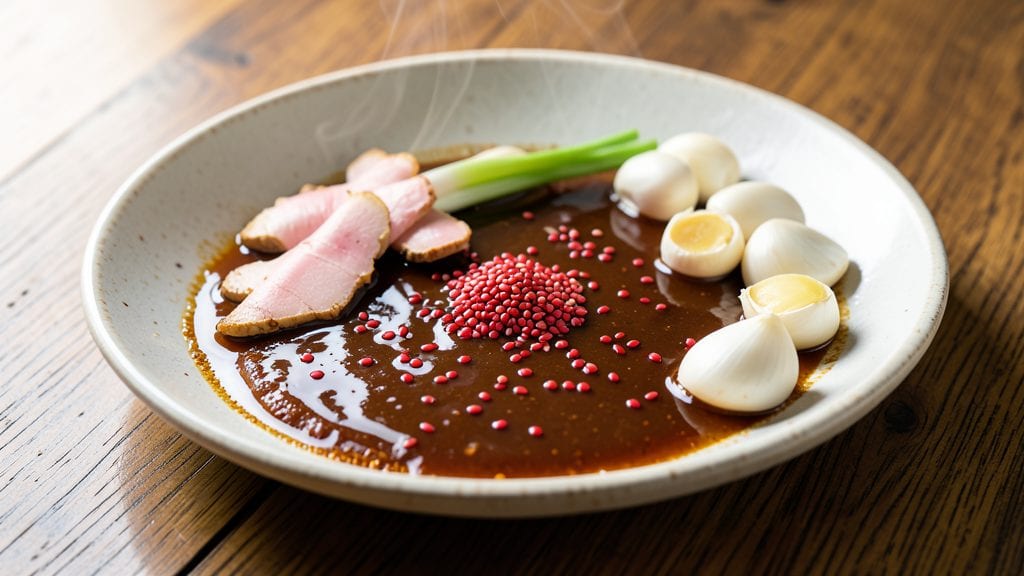
This teriyaki sauce marinade recipe transforms simple ingredients into a sticky-sweet glaze that caramelizes beautifully on the grill or in the oven. The balance of soy sauce, mirin, and brown sugar creates depth while garlic and ginger add aromatic warmth—perfect for tenderizing proteins or adding flavor to vegetables.
I developed this version after years of testing marinades that either fell flat or burned too quickly, and this one delivers consistent results every time.
The real magic happens when this marinade doubles as a glaze. After letting proteins soak up the flavors for at least 30 minutes (or overnight for maximum tenderness), you can brush the excess onto the grill or broiler.
The sugar caramelizes into a glossy, slightly crisp coating that adds texture while keeping the inside juicy. This works equally well for chicken, beef, tofu, or even pineapple skewers—versatility without sacrificing flavor.
What sets this apart is how it behaves under heat. Unlike store-bought versions that often separate or taste overly sweet, this marinade maintains its balance through cooking. The result is a dish with a perfect harmony of salty, sweet, and umami notes, with that coveted caramelized crust.
Whether you're grilling for a summer barbecue or baking for a weeknight dinner, this sauce elevates every bite.
Store leftovers in an airtight container in the refrigerator for up to 2 weeks, or freeze for 3 months. The flavors actually deepen over time, making this a pantry staple worth doubling. Ready to create a marinade that works as hard as you do? Let’s make it.
Ingredients for teriyaki sauce marinade
Nine simple ingredients. One versatile marinade-glaze that works on anything from chicken to pineapple.
| Ingredient | Amount | Notes |
|---|---|---|
| Soy Sauce 🥢 | ½ cup | Low-sodium preferred for balance |
| Mirin 🍶 | ¼ cup | Sweet rice wine, not cooking wine |
| Brown Sugar 🍚 | ¼ cup | Packed firmly for accuracy |
| Fresh Ginger 🌿 | 1 tbsp | Grated, not powdered |
| Garlic Cloves 🧄 | 4 cloves | Minced finely for depth |
| Sesame Oil 🫒 | 1 tbsp | Toasted sesame preferred |
| Rice Vinegar 🍶 | 1 tbsp | White or seasoned works |
| Honey 🍯 | 1 tbsp | Wildflower preferred |
| Ground Black Pepper 🌶️ | ¼ tsp | Freshly cracked for heat |
| Sesame Seeds 🌾 | 1 tsp | Toasted for garnish |
The soy sauce is your flavor base, so Kikkoman or La Choy are solid choices—avoid the super-salty varieties. Mirin isn't always easy to find, but Trader Joe's carries it, or you can use a mix of dry sherry and sugar (1 tbsp sherry + 1 tsp sugar = 1 tbsp mirin). Brown sugar adds that caramelized depth, but if you're using a light brown, pack it firmly—it's less dense than dark. Fresh ginger and garlic? No substitutions here—they're what give this marinade its aromatic punch. I always grab ginger from the produce section (not the jarred stuff), and buy garlic in bulk from Costco to save money.
No mirin? Dry sherry plus sugar works in a pinch, but it won't be quite as sweet or complex. Running out of sesame oil? Toasted peanut oil gives a similar nuttiness, though it won't have that signature sesame aroma. The honey can be swapped for maple syrup if you're avoiding refined sugar, but honey's floral notes play well with the umami. For extra richness, add a dash of butter (about 1 tsp) when brushing on the grill—it creates a luscious crust. And if you're using this on tofu or vegetables, reduce the soy sauce slightly (by 1 tbsp) to avoid overpowering.
This marinade keeps for 2 weeks in the fridge and freezes beautifully for 3 months. I like to make a double batch—one for immediate use and one to stash in the freezer. When reheating, add a splash of water to thin it out if it's gotten too thick. The flavors actually improve over time, so don't hesitate to make extra. For grilling, I always keep a small bowl of the marinade on hand to brush on during cooking—that's when the magic happens. The caramelized crust? Worth the extra minute of brushing.
Why You'll Love This Recipe
- Pantry Magic: I swear by this marinade because it uses things I always have—no last-minute grocery runs. The ginger and garlic add depth, but even if I forget to mince them finely, the sauce still tastes ridiculously good.
- Sweet-Savory Balance: That brown sugar and mirin combo? It’s the secret to a marinade that caramelizes just right. The soy sauce gives it umami punch, while the ginger keeps it bright—like a hug in a bottle.
- Weeknight to BBQ Hero: Slather it on chicken for dinner, then use the leftovers to glaze salmon the next day. It’s my go-to for grilling, stir-fries, or even roasted veggies—no fancy prep, just flavor.
- Budget-Friendly Flex: A little goes a long way, and the ingredients cost pennies. I make double batches, store them in the fridge, and use them for weeks—no waste, no guilt, just deliciousness.
Step-by-step instructions for teriyaki sauce marinade
Here's how to make a rich, caramelizing teriyaki marinade that transforms grilled meats into tender, flavorful masterpieces.
Combine Wet Ingredients for the Base
In a medium saucepan, pour in the 0.5 cup soy sauce, 0.25 cup mirin, and 1 tablespoon rice vinegar. Stir gently to mix these three liquids together—they'll form the foundational flavor profile of your marinade. I like to use a wooden spoon here because it won't react with the acidic components.
Next, add the 0.25 cup packed brown sugar and 1 tablespoon honey. These sweeteners will create that signature sticky-sweet glaze when caramelized. Bring the mixture to a gentle simmer over medium heat, then reduce the heat to low to maintain a steady bubble. You'll see the sugar begin to dissolve and the liquid start to thicken slightly—this is when the magic begins.
Infuse with Aromatics and Spices
While keeping the mixture at a gentle simmer, add the 1 tablespoon grated fresh ginger and 4 minced garlic cloves. Stir well to distribute these aromatic ingredients throughout the sauce. The ginger will add a warm, slightly spicy depth, while the garlic contributes a savory punch that balances the sweetness.
Let the mixture simmer for 5-7 minutes, stirring occasionally. You'll notice the sauce reducing slightly and developing a beautiful amber color. This is the perfect time to add the 1 tablespoon sesame oil and 0.25 teaspoon ground black pepper. The sesame oil adds nutty richness, while the pepper provides a subtle heat that cuts through the sweetness. Taste the mixture now—it should be balanced between sweet, savory, and slightly tangy.
Simmer to Perfect Consistency
Continue simmering the sauce for another 8-10 minutes, stirring occasionally to prevent sticking. You're looking for a sauce that coats the back of a spoon but isn't overly thick—it should be glossy and syrupy, with a consistency that will cling beautifully to grilled meats. If the sauce thickens too much, add 1 tablespoon water at a time until you reach the desired consistency.
As the sauce simmers, you'll start to smell that unmistakable teriyaki aroma—sweet, smoky, and umami-rich. This is when you know it's ready. Remove the sauce from heat and let it cool slightly. Once cooled, you can use it immediately as a marinade or store it in an airtight container in the refrigerator for up to 5 days. The flavors will deepen as it sits, making it even more delicious.
Use and Garnish for Maximum Flavor
To use the marinade, simply brush it onto your protein of choice—chicken, pork, or tofu—before grilling. For best results, marinate the protein for at least 30 minutes, or up to 4 hours in the refrigerator. When grilling, brush the marinade on during the last 5 minutes of cooking to create that beautiful caramelized glaze.
Before serving, sprinkle the 1 teaspoon toasted sesame seeds on top of the grilled dish. The seeds add a delightful crunch and a final nutty touch that elevates the entire presentation. Serve immediately while the sauce is still sticky and glossy—this marinade is best enjoyed fresh off the grill, where every bite delivers that perfect balance of sweet, savory, and smoky flavors.
Pro Tips For Making Teriyaki Sauce Marinade
- Simmer the Sugar First: Brown sugar clumps like a stubborn guest who won’t leave—start by melting it in the saucepan alone over medium heat for 2-3 minutes. This breaks up the sugar and prevents grainy lumps in your marinade. (Yes, even if it smells like a bakery at first.)
- Grind Ginger Like You Mean It: Skip the microplane if you’re in a hurry, but don’t just chop fresh ginger—smash it first with the flat side of your knife. This releases more oils and aroma, so you’ll taste it in every bite. (And no, pre-grated ginger from the jar doesn’t cut it.)
- Balance the Heat: If your sauce tastes too salty or sharp, it’s likely because the mirin and soy sauce are fighting for dominance. Taste as you go—add a splash of water or a pinch of sugar to soften harsh edges. (Trust me, you’ll know when it’s right.)
- Marinate Overnight, But Not Forever: Two hours is enough for chicken or tofu, but never leave protein in raw teriyaki sauce longer than 12 hours—it’ll turn mushy or even curdle. For beef, 4-6 hours max. (I learned this after a sad, rubbery pork chop incident.)
Essential equipment for perfect results
Saucepan Essentials
Start with a medium-sized stainless steel saucepan—I recommend All-Clad or Cuisinart for even heat distribution. Stainless steel won’t react with acidic ingredients like vinegar or soy sauce, preserving the marinade’s true flavor.
Avoid nonstick pans; they can’t handle the simmering heat needed for proper caramelization. A wooden spoon is ideal for stirring without scratching the pan or altering the sauce’s chemistry. 🔥
Precision Tools
For measuring ingredients accurately, use a digital kitchen scale (like OXO Good Grips) for the brown sugar and honey—packed measurements matter! A microplane is perfect for grating fresh ginger finely, while a garlic press ensures even mincing.
I keep a fine-mesh strainer handy to remove any unwanted pulp if needed. Precision here ensures consistent flavor every time.
Heat Control
Invest in a high-quality thermometer (I use Thermoworks Thermapen) to monitor your sauce’s temperature—ideal simmering is between 180-200°F. A gas burner gives you better control than electric for adjusting heat precisely.
If using electric, opt for a heavy-bottomed pan to prevent hot spots. The goal is a slow, steady simmer to develop depth without burning.
Storage Solutions
For leftovers, transfer the marinade to glass mason jars (like Ball canning jars) with airtight lids—they preserve flavor better than plastic. Label with the date and store in the fridge for up to 2 weeks or freeze for 3 months.
A small squeeze bottle (like OXO Good Grips) makes it easy to brush marinade on grilled foods without spills. 💡
Grilling Gear
When using your teriyaki as a glaze, keep a small ceramic brush (like Bastit) on hand—it handles high heat better than silicone. For grilling, a charcoal chimney (like Weber Smokey Joe) ensures consistent heat, while a meat thermometer (like Thermoworks Smoke) prevents overcooking.
A grill basket helps with smaller items like pineapple or tofu skewers.
Optional Upgrades
For extra richness, add 1 tsp butter when brushing on the grill—it creates a luscious crust. A mortar and pestle lets you crush whole spices (like star anise) for deeper flavor.
If you love texture, toast sesame seeds in a dry pan before garnishing. These upgrades aren’t mandatory, but they take your marinade to the next level. ✨
Nutrition facts
Frequently asked questions
Can I use this teriyaki marinade on vegetables?
This marinade works beautifully on vegetables like bell peppers, broccoli, or pineapple skewers. For best results, reduce the soy sauce by 1 tablespoon to avoid overpowering delicate flavors. Marinate vegetables for 15-30 minutes before grilling or roasting—they'll absorb enough flavor while keeping their natural texture.
How long should I marinate meat for maximum tenderness?
For chicken or pork, marinate for at least 30 minutes up to 4 hours in the refrigerator. Thin cuts like chicken breast benefit from 1-2 hours, while thicker cuts like pork chops can handle the full 4 hours. Never marinate longer than 6 hours—the acid in soy sauce can start breaking down proteins too much.
What's the best way to prevent burning when grilling with teriyaki?
Brush the marinade on during the last 5 minutes of grilling to create a caramelized crust without burning. Keep your grill at medium-high heat (375-400°F) and avoid flare-ups by trimming excess fat from meats. For extra insurance, preheat your grill for 10-15 minutes before cooking.
Can I substitute mirin if I don't have any?
Yes! Mix 1 tablespoon dry sherry with 1 teaspoon sugar as a 1:1 substitute. The alcohol will cook off during simmering, leaving behind sweetness. For a non-alcoholic option, use 1 tablespoon honey plus 1 tablespoon water. The flavor won't be identical, but it'll still work in a pinch.
Why did my teriyaki sauce separate when simmering?
This happens when sugar crystallizes or oil separates from the liquid. To fix it, whisk in 1 tablespoon warm water and stir gently over low heat until smooth. For prevention, stir frequently during simmering and avoid boiling. If using powdered sugar, dissolve it completely in a little water first before adding to the pan.