
Sauces & Condiments
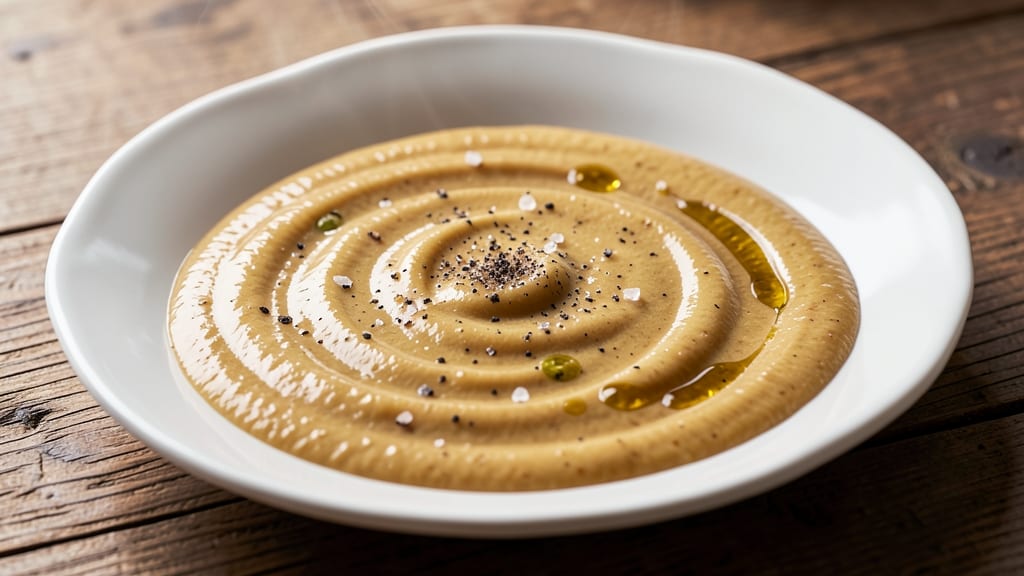
Mastering traditional bechamel sauce transforms ordinary dishes into restaurant-worthy creations—its velvety texture and rich flavor are the secret weapon behind countless classic recipes. This sauce builds on a simple roux foundation, where equal parts butter and flour create the base for a smooth, thickened emulsion when milk is gradually incorporated.
The key lies in patience and precise technique, ensuring no lumps form while developing that signature velvety consistency that clings beautifully to pasta, casseroles, or gratin dishes.
What sets this method apart is its reliability—no shortcuts, no substitutions, just the time-honored process that French cuisine perfected. The roux must cook until golden brown before adding milk, which should be warmed and poured slowly while whisking continuously.
Nutmeg and a pinch of salt elevate the flavor profile, while optional garlic or onion powder can add depth for specific dishes. This approach guarantees a sauce that's both traditional and versatile, ready to enhance everything from creamy soups to baked pasta dishes.
The result is a silky, medium-thick sauce that coats ingredients perfectly without overpowering them. When properly made, bechamel should be smooth enough to drizzle yet substantial enough to hold its shape on a spoon.
The slight nutmeg warmth and buttery richness create a foundation that lets other ingredients shine while adding an unmistakable elegance to any dish. Once you experience this version, store-bought alternatives will never compare.
This sauce keeps well in the refrigerator for up to 5 days or can be frozen for longer storage, making it ideal for meal prep. For best results, reheat gently over low heat while stirring constantly to prevent separation.
Whether you're preparing classic macaroni and cheese or a delicate gratin, this traditional method delivers professional-quality results every time.
Ingredients for traditional bechamel sauce
Equal parts butter and flour form the golden foundation of authentic bechamel sauce.
| Ingredient | Amount | Notes |
|---|---|---|
| Unsalted Butter 🧈 | ½ cup | Cold, cut into small cubes |
| All-Purpose Flour 🌾 | ½ cup | Sifted, for smooth roux |
| Whole Milk 🥛 | 2 cups | Room temperature preferred |
| Freshly Ground Nutmeg 🌿 | ¼ tsp | High-quality, aromatic |
| Fine Sea Salt 🧂 | ¼ tsp | Diamond Crystal preferred |
| Garlic Powder 🧄 | ¼ tsp | Optional, for depth |
| Onion Powder 🧅 | ¼ tsp | Optional, aromatic base |
| Extra-Virgin Olive Oil 🫒 | 1 tbsp | For finishing, optional |
The butter and flour ratio is non-negotiable for a proper roux—European-style unsalted butter (like Plugrá or Land O'Lakes) creates the richest flavor profile. Sifted all-purpose flour ensures no lumps form during the cooking process, while the butter should be cut into small cubes to melt evenly without scorching. For the milk, whole milk from grass-fed cows yields the creamiest texture, though any full-fat variety works. The nutmeg should be freshly grated—pre-ground loses potency quickly, and Penzeys or Mace brand are excellent sources for high-quality spices. If you're making this for a specific dish like macaroni and cheese, add the garlic and onion powders to the roux before incorporating the milk for deeper flavor development.
No whole milk? Heavy cream at half the quantity delivers similar richness, though the texture will be slightly heavier. Substituting low-fat milk results in a thinner sauce—add 1 tbsp cornstarch to the flour if you must use reduced-fat dairy. For nutmeg, ground mace at half the amount offers a similar warmth, though it's harder to find. If you're avoiding dairy entirely, unsweetened almond milk with 2 tbsp cornstarch can mimic the consistency, though the flavor will differ. The olive oil finishing is optional but adds a pleasant fruity note—California avocado or Italian extra-virgin brands work best for this purpose. For those with gluten sensitivities, gluten-free all-purpose flour can replace the regular flour, though the roux may require slightly longer cooking.
This sauce reaches peak flavor after 24 hours of refrigeration, allowing the ingredients to meld completely. Store in an airtight container with parchment paper pressed against the surface to prevent a skin from forming. Reheat gently over low heat, whisking constantly to maintain its silky texture—never boil, as this causes separation. For longer storage, portion into ice cube trays and freeze; thaw in the refrigerator before reheating. The sauce thickens as it cools, so add a splash of warm milk if it becomes too stiff after reheating. When properly made, this bechamel will keep its velvety consistency for up to 5 days refrigerated or 3 months frozen, making it ideal for meal prep.
Why You'll Love This Recipe
- Pantry Magic: I swear by this recipe—no fancy gadgets, just butter, flour, and milk you already have. The roux forms faster than you can say "nutmeg," and the whole thing simmers into creaminess while you chop veggies for dinner.
- Velvet Smoothness: That first taste of nutmeg-kissed milk melting into the roux? It’s the kind of rich, velvety texture that makes you pause mid-bite. Honestly, the salt and nutmeg balance turns this from a basic sauce into something ridiculously good.
- Endless Upgrades: Slather it over lasagna, stuff it into baked potatoes, or drizzle it on grilled fish—this sauce transforms meals without extra effort. I’ll be real: my lazy weeknights thank me for having it on standby.
- Budget BFF: Butter and flour stretch farther than you’d think, and milk is cheaper than takeout. Make a double batch, freeze half, and you’ve got a 30-second shortcut for months. My wallet and I both win.
Step-by-step instructions for traditional bechamel sauce
Mastering this classic French sauce begins with patience and precision—every step builds toward velvety richness.
Prepare the Classic Roux
In a medium saucepan, melt the 0.5 cup unsalted butter over medium-low heat. I use small cubes for even melting and better control. Once fully melted and foaming subsides, immediately whisk in the 0.5 cup all-purpose flour, creating a smooth paste. This is your roux foundation—critical for thickening and flavor development.
Cook the roux for 3-4 minutes, stirring constantly with a wooden spoon or whisk. You're aiming for a pale golden color—not browned, which would add bitterness. The mixture should thicken noticeably and smell nutty. This gentle cooking prevents gluten development while building the sauce's structural backbone. If you see any lumps, press them through a fine-mesh sieve immediately.
Gradually Incorporate the Milk
Reduce the heat to low and begin adding the 2 cups whole milk in a slow, steady stream. I use a ladle to control the flow while whisking vigorously to prevent lumps. The sauce will thicken immediately as the milk absorbs into the roux. This gradual addition is non-negotiable—adding milk too quickly creates clumps that won't dissolve.
After incorporating all the milk, increase heat to medium-low and continue whisking for 5-7 minutes until the sauce reaches a smooth, velvety consistency. You'll notice it coats the back of a spoon and leaves a clean trail when you draw your finger through it. This is the perfect texture for traditional bechamel—thick enough to cling but still pourable. If it thickens too much, whisk in 1-2 tablespoons of milk to adjust.
Season and Finish the Sauce
Remove the sauce from heat and immediately stir in the 0.25 tsp freshly ground nutmeg, 0.25 tsp fine sea salt, 0.25 tsp garlic powder, and 0.25 tsp onion powder. The nutmeg adds warmth while the powders provide subtle depth. Taste and adjust seasoning—traditional bechamel should be slightly sweet, nutty, and well-balanced, not overly salty or spicy.
For an optional finishing touch, stir in the 1 tbsp extra-virgin olive oil while the sauce is still warm. This adds a luxurious sheen and subtle olive notes that complement its richness. Return the sauce to low heat if needed to maintain warmth while serving, but never let it boil—this would break the emulsion and create a skin. The final texture should be silky smooth with no visible lumps, ready to elevate pasta, casseroles, or gratins.
Use Immediately or Store Properly
Bechamel sauce is best used immediately, but if you need to store it, let it cool to room temperature first. Transfer to an airtight container and refrigerate for up to 3 days. To reheat, warm over low heat while stirring constantly—never microwave, as this creates a skin and disrupts the texture. For longer storage, freeze in 1-cup portions for up to 3 months. Thaw overnight in the refrigerator and reheat gently.
This sauce forms the base for countless classics like macaroni and cheese, chicken pot pie, and lasagna. Its versatility comes from its neutral flavor profile and perfect thickening ability—the hallmark of true French technique. The key to success lies in the roux: cook it gently, whisk constantly, and never rush the process. Patience here ensures a sauce that's truly traditional in both method and result.
Pro Tips For Making Traditional Bechamel Sauce
- Whisk Like You Mean It: I used to think "whisking" just meant stirring faster—until my sauce broke into lumps like a bad soap opera plot. Now I go full arm circles, scraping the pot’s sides every 30 seconds. The goal is to keep that roux smooth as silk, not sandy like overworked pancake batter.
- Low and Slow Wins: Crank the heat to medium-high for the first 2 minutes to cook out the raw flour taste, then drop to lowest simmer once the butter stops sizzling. Rushing this step gives you a floury aftertaste that’s harder to fix than a burnt soufflé—trust me, I’ve been there.
- Salt the Butter First: Toss a pinch of salt into the melted butter before adding flour—it dissolves better and seasons the sauce from the start. Skipping this means you’ll end up chasing salt later, and no one wants to taste the difference between "just right" and "meh" in their mac and cheese.
- Warm the Milk Properly: Heat the milk to just under a simmer (160°F/70°C) before adding it to the roux—any hotter and you’ll shock the sauce into curdling. A quick thermometer check saves you from the heartbreak of a split sauce, or just eyeball it: tiny bubbles at the edges, not a full boil.
Creative variations of this dish
Creamy Mushroom Twist
For a luxurious twist, sauté 1 cup finely chopped cremini mushrooms in 1 tbsp butter until golden before adding the roux. The earthy umami depth pairs beautifully with the nutmeg and milk. I like to add 1 tsp fresh thyme during the roux stage for an aromatic boost.
This variation works perfectly with creamy mushroom risotto or as a sauce for wild game dishes. 🍄
Cheesy Fondue Fusion
Transform this sauce into a decadent fondue by whisking in 1 cup freshly grated Gruyère cheese and ½ cup heavy cream after the milk stage. Warm the mixture over low heat until fully melted, then finish with ½ tsp Dijon mustard for brightness.
Serve with crusty bread, apple slices, or roasted vegetables for dipping. This version rivals classic Swiss fondue but with a French technique twist.
Garlic & Herb Infusion
Boost the flavor profile by infusing the milk with 3 minced garlic cloves and 2 sprigs fresh thyme for 10 minutes before using. Strain out the solids before incorporating into the roux. Add 1 tbsp chopped fresh parsley at the end for vibrant color.
This variation shines in creamy pasta dishes like fettuccine Alfredo or as a sauce for roasted chicken. The garlic adds a subtle punch without overpowering the nutmeg.
Spiced Pumpkin Bechamel
For an autumnal version, blend ½ cup cooked pumpkin purée into the milk before adding to the roux. Add ¼ tsp ground cinnamon and pinch of cayenne pepper during the seasoning stage.
This velvety sauce pairs beautifully with roasted squash, turkey dishes, or even as a filling for pumpkin-shaped pasta. The pumpkin adds natural sweetness that balances the nutmeg warmth perfectly. 🎃
Lemon & Dill Brightener
Create a lighter, brighter variation by finishing the sauce with 1 tbsp fresh lemon juice and 1 tbsp chopped fresh dill. The acidity cuts through the richness while the dill adds a fresh herbal note.
This version works wonderfully as a sauce for poached fish, shrimp scampi, or as a creamy dressing for salads. The citrus notes make it feel fresh yet still luxurious. 🍋
Smoky Paprika Version
For a smoky depth, stir in ½ tsp sweet smoked paprika during the roux stage and finish with ½ tsp liquid smoke (optional). This variation adds complexity that pairs beautifully with grilled meats, smoked sausages, or even as a glaze for roasted vegetables.
The smoky notes complement the nutmeg warmth while adding a BBQ-inspired twist to this classic sauce. 🔥
Nutrition facts
Frequently asked questions about traditional bechamel sauce
Why does my bechamel sauce get lumpy?
Lumps form when milk is added too quickly or not whisked vigorously enough. Always pour milk in a slow, steady stream while whisking continuously to create a smooth emulsion. If lumps appear, immediately press them through a fine-mesh sieve or whisk vigorously over low heat until dissolved. Using cold milk can also cause separation—always warm it slightly first.
Can I make bechamel sauce without butter?
Yes, but the flavor and texture will differ. For a dairy-free version, replace butter with 1 tbsp olive oil or vegan butter per 0.5 cup flour, though the sauce will be less rich. For a lighter option, use 1 tbsp cornstarch mixed with cold water instead of flour to thicken the milk. The sauce will still work but won't have the same depth of flavor or velvety texture as the traditional method.
How do I adjust the thickness of bechamel sauce?
If your sauce is too thick, whisk in 1-2 tablespoons of warm milk at a time until it reaches a smooth, pourable consistency. For a thicker sauce, simmer uncovered for 2-3 minutes while stirring constantly—this evaporates excess moisture. The ideal texture should coat the back of a spoon but still flow easily. Always adjust gradually to avoid over-thickening, which can make the sauce grainy.
What's the best way to reheat leftover bechamel?
Never microwave bechamel—it creates a skin and disrupts the texture. Instead, reheat gently over low heat on the stovetop while whisking constantly. Add 1-2 tablespoons of warm milk if the sauce thickens too much. For best results, reheat only until warm (around 160°F), then adjust seasoning as needed. If the sauce separates, whisk vigorously until smooth again.
Can I make bechamel ahead of time?
Yes, but it's best made fresh for optimal flavor. If storing, let it cool to room temperature, then refrigerate in an airtight container for up to 5 days. For longer storage, freeze in 1-cup portions for up to 3 months. The sauce thickens as it cools, so whisk in a splash of warm milk when reheating. Flavor develops over time, making it perfect for meal prep—just reheat gently to restore its velvety texture.