
Sauces & Condiments
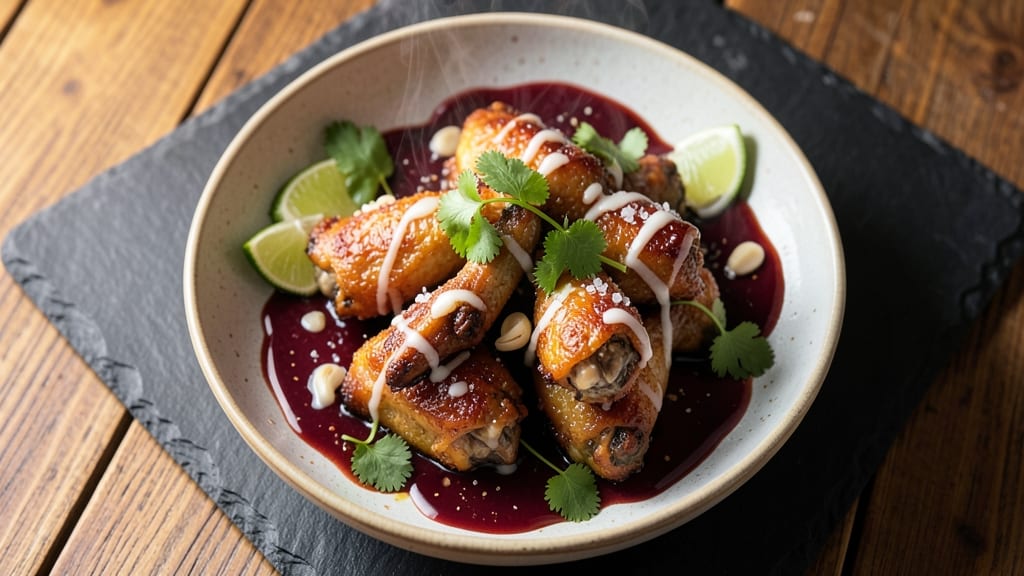
Transform ordinary wings into umami-kissed masterpieces with this Vietnamese fish sauce recipe that delivers crispy perfection in just 30 minutes. The secret lies in a marinade where fish sauce, garlic, and lime create a bold, savory foundation that penetrates every bite.
I developed this recipe after years of experimenting with Southeast Asian flavors—this version balances sweet, salty, and tangy notes without overpowering the natural taste of the wings.
What sets these wings apart is the marinating process, where fish sauce acts as the flavor anchor rather than a standalone sauce. The wings develop a crispy exterior while staying juicy inside, thanks to a precise blend of sugar and spices that caramelizes during cooking.
Whether you grill, bake, or air-fry, the technique ensures consistent results every time. This recipe works with chicken wings or shrimp for a pescatarian twist.
By the time you serve them, you'll have wings that are crispy on the outside with tender, flavorful meat beneath. The aromatic marinade creates a sticky, caramelized crust that clings to each piece, while the fish sauce adds depth that pairs beautifully with fresh herbs, lettuce wraps, or steamed rice.
The preparation is straightforward, but the flavor impact is anything but ordinary.
For an authentic experience, serve with a side of nuoc cham dipping sauce or a simple cucumber salad. The combination of textures and flavors makes this dish perfect for weeknight dinners or entertaining guests. Let's get started on these unforgettable wings!
Ingredients for vietnamese fish sauce wings
The foundation of these umami-kissed wings lies in authentic Vietnamese fish sauce and precise marinade ratios.
| Ingredient | Amount | Notes |
|---|---|---|
| Chicken Wings 🍗 | 2 lb | Split into drumettes and flats |
| Red Fish Sauce 🌊 | ½ cup | High-quality, 40% sodium content |
| Garlic Cloves 🧄 | 8 cloves | Minced, fresh preferred |
| Fresh Lime Juice 🍋 | ¼ cup | From 2-3 limes, freshly squeezed |
| Granulated Sugar 🍚 | ¼ cup | White cane sugar preferred |
| White Vinegar 🍶 | ⅛ cup | Distilled white vinegar |
| Ground Black Pepper 🌶️ | 1 tsp | Freshly cracked black pepper |
| Ground White Pepper 🌶️ | ½ tsp | For subtle peppercorn flavor |
| Sesame Oil 🫒 | 1 tbsp | Toasted sesame oil preferred |
| Cornstarch 🌾 | ¼ cup | For crispy coating |
| Vegetable Oil 🫒 | ½ cup | High smoke point for frying |
| Fresh Cilantro Leaves 🌿 | ¼ cup | Chopped, for garnish |
| Lime Zest 🍋 | 1 tsp | From 1 lime, for brightness |
| Red Chili Flakes 🌶️ | ½ tsp | Adjust to taste for heat |
The fish sauce is non-negotiable here—opt for Red Boat or Three Crabs brands, which offer the highest quality with proper sodium content. These premium options deliver that signature umami depth without overpowering. Fresh garlic and lime are essential; store-bought bottled lime juice lacks the brightness of freshly squeezed. For the sugar, white cane sugar provides the right caramelization without adding color. The white pepper adds subtle complexity that complements the fish sauce's boldness. Sesame oil should be toasted—look for brands like Kadoya or Lee Kum Kee for authentic flavor. If you can't find toasted, lightly toast regular sesame oil in a dry pan before using.
No red fish sauce? Red Boat Nuoc Cham works as a substitute, though it's slightly sweeter. Short on lime? Key lime juice has more intensity than regular limes. The cornstarch can be swapped for arrowroot powder at the same ratio. For a vegetarian version, mushroom powder (like Vegeground) can mimic umami depth, though the flavor won't be identical. The chili flakes can be omitted entirely for a milder version, or replaced with fresh Thai chilies for a different heat profile. Fresh cilantro is ideal, but dried will work at one-third the amount if you're in a pinch. The marinade should sit for at least 30 minutes, but overnight yields maximum flavor penetration.
The wings should be used within 2 days of purchase for optimal texture. Store the marinade in an airtight container in the fridge for up to 5 days—it actually improves as flavors meld. For the sesame oil, keep it in a cool, dark place to prevent rancidity. The cooked wings reheat beautifully in a 375°F oven for 10-15 minutes until crispy again. Portion into single-serving containers with a sprinkle of lime zest to maintain freshness for up to 3 days in the refrigerator. Freeze uncooked wings in the marinade for up to 3 months—thaw overnight in the fridge before cooking.
Why You'll Love This Recipe
- One-Pan Magic: I swear by this recipe when I don’t want to wash a million dishes. Toss the wings on a sheet pan, drizzle with fish sauce and lime, and bake—no flipping, no fuss. The garlic cloves roast right into the sauce, so you’re basically making flavor while you’re making dinner.
- Umami Bomb: That first bite? Chef’s kiss. The fish sauce cuts through the fat, the sugar caramelizes into a sticky glaze, and the lime keeps it bright. Honestly, it’s the kind of flavor that makes you reach for seconds without thinking—no heavy marinating required.
- Game Day Ready: Between us, these wings are my go-to for parties, tailgates, or lazy Sundays. Serve them with rice noodles for a quick meal, or just pile them on the table with cucumbers and pickled veggies. They’re easy to scale up (or down) and always disappear fast.
- Budget Win: Fish sauce is the MVP here—it’s cheap, potent, and lasts forever. A few cloves of garlic and a lime turn basic wings into something special without breaking the bank. Plus, leftovers reheat like a dream, so you’re not stuck eating sad takeout later.
Step-by-step instructions for Vietnamese fish sauce wings
Transform simple chicken wings into restaurant-quality crispy bites with this umami-packed marinade and frying technique.
Prepare the Umami Marinade
In a medium bowl, whisk together the 0.5 cup red fish sauce, 0.25 cup granulated sugar, and 0.125 cup white vinegar until the sugar dissolves completely. The mixture should be smooth and syrupy—this balance of salty, sweet, and acidic creates the signature Vietnamese flavor profile. Add the 8 cloves minced garlic cloves, 1 tsp ground black pepper, 0.5 tsp ground white pepper, and 0.5 tsp red chili flakes, stirring until fully combined.
For maximum flavor development, let the marinade sit at room temperature for 15 minutes while you prepare the wings. This allows the aromatics to meld together, intensifying the umami depth. I've found that using high-quality red fish sauce with 40% sodium content is crucial—it delivers that authentic salty-sweet complexity that defines Vietnamese cuisine.
Marinate and Coat the Wings
Separate the 2 lb chicken wings into drumettes and flats, discarding any excess fat or connective tissue. In a large resealable plastic bag, combine the wings with the prepared marinade, ensuring each piece is thoroughly coated. Seal the bag and massage it gently to distribute the marinade evenly. Let the wings marinate for at least 30 minutes in the refrigerator—this ensures deep flavor penetration and tender meat.
After marinating, transfer the wings to a clean bowl and pat them dry with paper towels. This crucial step removes excess moisture, which is essential for achieving that perfect crispy texture when frying. While the wings dry, create your crispy coating by whisking together 0.25 cup cornstarch and 1 tbsp sesame oil in a shallow dish. The cornstarch creates a golden, crunchy exterior while the sesame oil adds nutty depth.
Fry to Crispy Perfection
Heat 0.5 cup vegetable oil in a deep skillet or Dutch oven over medium-high heat until it reaches 350°F—use a thermometer for precision. The oil should shimmer but not smoke excessively. Working in batches to avoid overcrowding (which lowers oil temperature), carefully add the wings to the hot oil. Fry for 6-8 minutes, turning occasionally, until they reach an internal temperature of 165°F and develop a deep golden-brown color.
Here's the secret to crispy wings: maintain the oil temperature between 340-350°F throughout the frying process. If the oil gets too cool, the wings will absorb excess oil and become greasy rather than crispy. Drain the fried wings on a wire rack set over a baking sheet—this allows air circulation for maximum crispness rather than steaming in a paper towel.
Toss with Lime and Garnish
While the wings are still hot, transfer them to a large bowl and toss with 0.25 cup fresh lime juice and 1 tsp lime zest. This bright citrus cut prevents the fish sauce from overwhelming the palate and adds a refreshing contrast to the rich, umami flavors. The zest also introduces subtle floral notes that elevate the overall profile.
Finish by sprinkling with 0.25 cup chopped fresh cilantro leaves, which adds a fresh herbal element that balances the dish. Serve immediately while the wings are still crispy, accompanied by extra marinade for dipping. The combination of crispy texture, savory-sweet glaze, and bright citrus creates a perfect balance that's both complex and satisfying.
Pro Tips For Making Vietnamese Fish Sauce Wings
- Parboil First: Toss raw wings in boiling water for 3 minutes before marinating—this firms up the skin so it crisps properly later. I used to skip this step and ended up with soggy edges every time, no matter how hot the oven got.
- Mince Garlic Fine: Pulse garlic cloves into a paste instead of chopping them—this distributes flavor more evenly and avoids bitter chunks. My first few batches had one or two cloves that tasted raw, and it threw off the whole balance.
- Balance the Sauce: Taste the fish sauce-lime-sugar mix before tossing it on the wings—aim for a 1:1 ratio of sweet to sour, then adjust with a splash of water if it’s too thick. I’ve ruined wings with sauce that was either gloppy or too sharp, and neither is fun.
- Double-Check the Lime: Use freshly squeezed lime juice, not bottled—it’s brighter and cuts through the richness of the fish sauce better. I once grabbed a bottle of limeade concentrate by mistake, and the wings tasted like a sad, watered-down marinade. (Yes, I’ve made that error.)
Flavor customization for this vietnamese fish sauce wings
Sweet Heat Balance
Adjust the sugar-to-fish sauce ratio to control sweetness. For a milder profile, reduce sugar to 0.125 cup while keeping fish sauce at 0.5 cup. If you prefer extra caramelization, increase sugar to 0.375 cup—this creates a glossy, sticky glaze.
I often test batches with 1 tsp sugar increments until I hit the perfect balance between sweet and savory.
Spice Level Control
Skip the red chili flakes entirely for a gentle heat, or add 1 tsp fresh Thai chilies (minced) for a fruity, medium heat. For maximum spice, increase chili flakes to 1 tsp and add ½ tsp cayenne pepper to the marinade.
Always taste the marinade before applying—this helps avoid overpowering the delicate chicken flavor.
Umami Boosters
Enhance the fish sauce depth by adding 1 tbsp soy sauce or 1 tsp fish sauce powder to the marinade. For a smoky twist, include ½ tsp smoked paprika or 1 tsp toasted sesame seeds (ground).
I’ve found that adding 1 tsp miso paste (white or red) deepens the umami without altering the texture significantly.
Citrus Variations
Swap lime juice for lemon juice (use 0.25 cup) for a sharper tang, or try calamansi juice (if available) for a tropical brightness. For a sweeter citrus note, add 1 tsp honey to the marinade.
The zest can also be adjusted—try orange zest for a sweeter, floral aroma or grapefruit zest for a bitter contrast.
Texture Adjustments
For extra crispiness, toss the wings in 0.5 cup panko breadcrumbs mixed with 1 tbsp cornstarch before frying. To reduce oiliness, pat the wings extra dry with paper towels and chill them in the fridge for 15 minutes before frying.
For a lighter texture, bake the wings at 425°F for 20-25 minutes after marinating, brushing with 1 tbsp oil for crispiness.
Herbal Freshness
Garnish with mint leaves (chopped) for a refreshing contrast to the fish sauce, or add Thai basil for an anise-like depth. A sprinkle of toasted coconut flakes introduces a subtle sweetness, while bean sprouts add crunch.
I often mix ½ cup cilantro + ½ cup mint for a balanced herbal finish that cuts through the richness.
Nutrition facts
Frequently asked questions
Can I use shrimp or squid instead of chicken wings?
This recipe works beautifully with shrimp or squid for a pescatarian version. For shrimp, marinate peeled and deveined tails for 20-30 minutes (they cook faster than chicken). For squid, slice into rings or tentacles and marinate for 15-20 minutes. Fry at 375°F for 1-2 minutes per side until opaque. The fish sauce will pair especially well with seafood, enhancing their natural sweetness.
How do I prevent the wings from being too greasy?
Pat the wings extra dry with paper towels after marinating—this removes excess moisture that causes oil splatter. Maintain oil temperature between 340-350°F and avoid overcrowding the pan. For an even lighter texture, try air-frying at 400°F for 12-15 minutes, shaking halfway. Drain on a wire rack instead of paper towels to keep them crispy.
What's the best way to store leftover marinade?
Transfer unused marinade to an airtight container and refrigerate for up to 5 days. The flavors actually improve as they meld! For longer storage, freeze in ice cube trays for 3 months. Thaw overnight in the fridge before using. Never reuse marinade that's touched raw meat without boiling it first for 5 minutes to kill bacteria.
Can I bake these wings instead of frying?
Yes! Preheat oven to 425°F and line a baking sheet with parchment. Arrange wings in a single layer, brush lightly with 1 tbsp oil, and bake for 20-25 minutes, flipping halfway. For extra crispiness, broil for 2-3 minutes at the end. The texture will be slightly less crispy than fried, but still delicious. Baking reduces fat by about 30% while keeping the fish sauce flavors intact.
Why does my fish sauce smell so strong?
High-quality fish sauce has a pungent aroma due to its fermented anchovies and salt content. The smell fades during cooking, leaving only rich umami flavor. If the smell bothers you, reduce to 0.375 cup and add 1 tbsp soy sauce for depth. Always use 40% sodium content fish sauce (like Red Boat) for authentic results. The strong smell is normal and essential for the recipe's signature taste!