
Sauces & Condiments
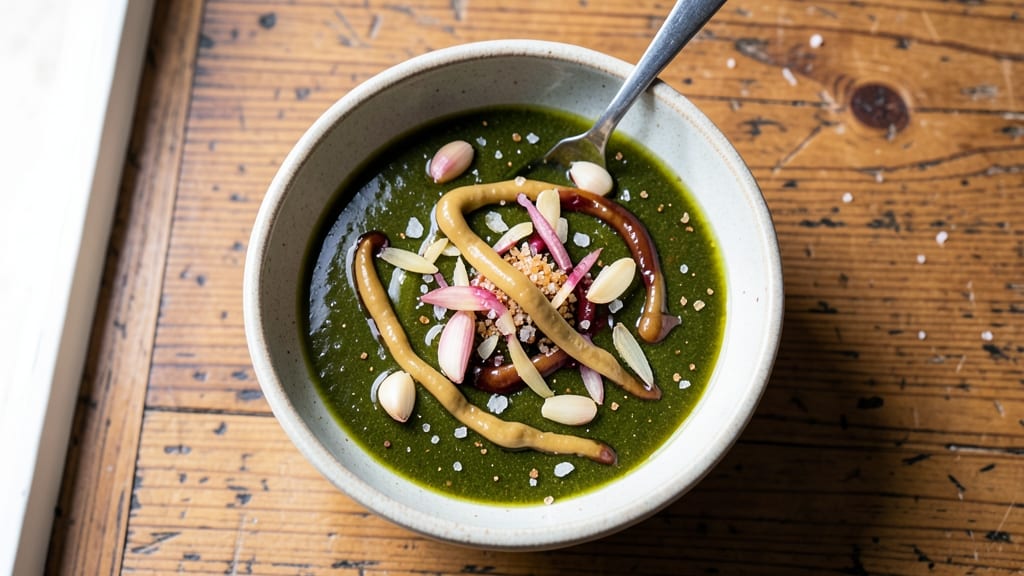
This vinaigrette sauce recipe delivers a perfectly balanced emulsion that elevates salads, vegetables, and proteins with just five minutes of work. The secret lies in the 3:1 oil-to-acid ratio, which creates a silky, stable dressing without separation—no fancy blenders required.
I developed this method after testing countless variations, and it consistently delivers restaurant-quality results at home.
The foundation of a great vinaigrette is simple: high-quality oil, tangy acid, and an emulsifier like Dijon mustard or a touch of honey. This recipe uses a red wine vinegar base for depth, but you can easily swap it for balsamic, apple cider, or lemon juice depending on your preference.
The key is whisking vigorously to incorporate air, which helps the oil and vinegar bind together.
What you’ll end up with is a bright, balanced dressing that clings beautifully to greens, roasted vegetables, and grilled meats. The emulsion stays intact for up to a week in the refrigerator, though I recommend shaking it well before each use to maintain that perfect consistency.
This versatile sauce transforms simple ingredients into something extraordinary.
Use it on mixed greens, drizzle over roasted Brussels sprouts, or toss with grilled chicken for a quick, restaurant-worthy meal. The possibilities are endless, and the process couldn’t be simpler. Let’s get started!
Ingredients for vinaigrette sauce
Five ingredients transform into a restaurant-worthy vinaigrette that clings perfectly to every bite.
| Ingredient | Amount | Notes |
|---|---|---|
| Extra-Virgin Olive Oil 🫒 | ¾ cup | High-quality, fruity, cold-pressed |
| Red Wine Vinegar 🍷 | ¼ cup | Dry, aged variety preferred |
| Dijon Mustard 🍯 | 1 tbsp | Smooth, not coarse |
| Granulated Honey 🍯 | 1 tbsp | Light amber preferred |
| Garlic Cloves 🧄 | 2 cloves | Fresh, peeled, minced fine |
| Diamond Crystal Kosher Salt 🧂 | ½ tsp | Fine grain preferred |
| Freshly Ground Black Pepper 🌶️ | ¼ tsp | Cracked peppercorns preferred |
| Shallot 🧅 | 1 whole | Small, peeled, finely minced |
The olive oil is non-negotiable—look for extra-virgin with a fruity, peppery finish at stores like Whole Foods or Trader Joe's. Red wine vinegar should be aged at least 6 months (check the label), and Bragg or La Tourangelle are solid choices. Shallots add depth without overpowering—if you can't find them, substitute half the amount of red onion, but it'll taste different. The Dijon mustard is your emulsifier, so don't skip it. I always grab Maille if I'm feeling fancy, but any smooth Dijon works. Fresh garlic and shallots should smell vibrant—if they're musty, toss them.
No red wine vinegar? Apple cider vinegar or lemon juice works in a pinch (use the same amount). Out of Dijon? Honey or whole-grain mustard can stand in, but the texture might be slightly thicker. The honey should be light amber—Manuka or clover are great choices. For a sweeter dressing, add an extra teaspoon of honey. Want more umami? Add 1/2 teaspoon of soy sauce. The key is whisking vigorously for 30 seconds to incorporate air—this is what creates that silky emulsion. If it separates, just whisk again before using.
This dressing keeps beautifully—up to 1 week in the fridge if stored in a clean, airtight jar. I like to make a double batch so I always have some on hand. Before using, give it a good shake (the oil will naturally separate) and whisk again. If it gets too thick, thin with a splash of water. The flavor actually improves after a day or two as everything melds together. For extra freshness, store the garlic and shallot mixture separately and add it just before serving.
Why You'll Love This Recipe
- Five-Ingredient Magic: I swear by this combo—just oil, vinegar, mustard, honey, and garlic. That’s it. No fancy gadgets, no measuring cups fighting you, just a jar and a whisk.
- Sweet-Savory Balance: The honey cuts through the sharpness of the vinegar while the Dijon mustard adds depth. Honestly? It’s the kind of dressing that makes you pause mid-bite and go, “Wait, why is this so good?”
- Salad’s Best Friend: Drizzle it over greens, toss it with roasted veggies, or even use it as a marinade. I’ve even glopped it on avocado toast when I’m lazy—no judgment.
- Makes a Jarful: Double the batch and store it in the fridge for up to a week. Between us, I always end up with at least two jars going at once—it’s that good, that useful.
Step-by-step instructions for perfectly balanced vinaigrette
This emulsion comes together faster than you can say "salad dressing" — no blender needed.
Mince Aromatics for Maximum Flavor
Start by finely mincing the 1 whole shallot and 2 cloves garlic using a sharp chef's knife. I like to press the shallot against the blade with my palm for even, paper-thin slices before dicing. This creates more surface area for flavor infusion. Transfer the minced shallot and garlic to a small bowl and set aside.
The key here is freshness — use shallots that yield easily when peeled and garlic cloves that smell pungent. If you're using a food processor, pulse briefly to avoid turning it into a paste. We want texture, not a smooth purée at this stage.
Whisk Vinegar and Mustard for Emulsion Foundation
In a clean, dry measuring cup or small bowl, combine 0.25 cup red wine vinegar, 1 tbsp Dijon mustard, 1 tbsp granulated honey, 0.5 tsp Diamond Crystal kosher salt, and 0.25 tsp freshly ground black pepper. Whisk vigorously with a fork or small whisk for 30 seconds until completely smooth and homogeneous.
This mixture should be thick enough to coat the back of a spoon but still fluid enough to incorporate the oil. The mustard acts as an emulsifier, while the honey adds subtle sweetness that balances the vinegar's acidity. Don't skip the whisking — those tiny air bubbles help create a stable emulsion later.
Gradually Incorporate Olive Oil for Silky Texture
With the whisk still in the bowl, slowly drizzle in the 0.75 cup extra-virgin olive oil while whisking continuously. Start with just a few drops, then gradually increase to a steady stream. Maintain steady whisking motion for 1-2 minutes total until the mixture thickens noticeably and takes on a glossy sheen.
Here's the thing — patience is crucial. If you pour the oil too quickly, you'll end up with separated layers. You'll know you've succeeded when the dressing looks like mayonnaise rather than oil floating on vinegar. The minced shallot and garlic will disperse evenly throughout, creating flecks of flavor in every bite.
Rest and Adjust for Perfect Balance
Let the vinaigrette rest for 5 minutes at room temperature. This allows the flavors to meld completely. After resting, give it one final taste and adjust if needed: add a pinch more salt if it tastes flat, or a splash of vinegar if it's too oily. The dressing should coat the back of a spoon but still flow freely when poured.
For best results, use within 24 hours when stored in an airtight container in the refrigerator. The flavors actually improve slightly overnight as the acidity mellows and the olive oil's fruity notes develop. This dressing works beautifully on mixed greens, roasted vegetables, or as a marinade for grilled proteins.
Pro Tips For Making Vinaigrette Sauce
- Whisk in Stages: Start by mixing the Dijon mustard and honey first—this keeps the oil from separating when you add the vinegar later. After a few seconds, slowly drizzle in the olive oil while whisking constantly. I learned this the hard way after making a batch that split like oil and water.
- Mince Garlic Fine: Skip the whole clove—it’s bitter and overpowering. Use a knife to finely mince 1-2 cloves (about 1 teaspoon) or grate it with the side of your knife. This distributes the flavor evenly without making your vinaigrette taste like garlic soup.
- Balance the Vinegar: Taste as you go, but don’t overcorrect. If it’s too sharp, add a splash of water (1 teaspoon at a time) instead of more honey—it thins the sauce without cloying sweetness. My first few batches were either too tangy or too syrupy because I ignored this step.
- Use Room-Temp Oil: Cold olive oil emulsifies better than straight-from-the-fridge oil. Let the bottle sit out for 10-15 minutes before measuring—this prevents the sauce from breaking later. Yes, even if you’re impatient like me, it makes a real difference.
Make-ahead tips for this vinaigrette sauce
Batch Prep Strategy
Make a double batch (1.5 cups oil, 0.5 cups vinegar) and store in a glass mason jar with a tight-sealing lid. The extra volume gives you flexibility for multiple meals, and glass preserves flavor better than plastic.
I always label jars with the date—this helps track freshness since vinaigrette peaks at 3-4 days in the fridge. 📅
Separate Components
For maximum freshness, store the oil and vinegar mixture separately from the aromatics (shallot/garlic). Keep the oil-vinegar base in the fridge, and store the minced shallot and garlic in a small airtight container in the freezer.
Add the aromatics fresh when ready to use—this prevents bitterness and keeps the dressing vibrant. Thaw frozen aromatics in the fridge for 15 minutes before mixing. ✨
Freezer-Friendly Hack
Portion the dressing into ice cube trays for single-serving convenience. Once frozen, transfer cubes to a ziplock bag and flatten to save space. Each cube makes about 1 tbsp of dressing—perfect for individual salads or quick marinades.
To use, let a cube thaw in the fridge overnight or run it under warm water for 10 seconds before shaking. 🧊
Reviving Separated Dressing
Even with proper storage, vinaigrette may separate over time. Simply shake vigorously for 10-15 seconds, then whisk for 30 seconds to re-emulsify. If it's too thick, add 1 tsp water at a time until it reaches the right consistency.
For extra insurance, store the jar upside down in the fridge—this keeps the oil suspended longer between uses. 💪
Flavor Boost Over Time
The dressing actually improves as it ages! After 24 hours, the acidity mellows and the olive oil's fruity notes deepen. For an extra flavor kick, add 1 tsp fresh herbs (like parsley or tarragon) or a pinch of smoked paprika when you're ready to use it.
I often make a batch on Sundays so it's ready for the week ahead. 🌿
Travel-Friendly Packing
Pack vinaigrette in a small leak-proof container (like a 3-ounce mason jar) with a dry wipe tucked inside. This catches any spills during transport. For salads on-the-go, pair it with pre-washed greens in a collapsible silicone container—just add dressing before eating.
The key is keeping everything cool; use an insulated lunch bag with an ice pack. 🚗
Nutrition facts
Frequently asked questions
Can I make this vinaigrette without Dijon mustard?
If you're out of Dijon, use 1 tbsp honey or 1 tsp whole-grain mustard instead. The honey will add sweetness while still helping to emulsify, though the texture may be slightly thicker. For a tangier alternative, try 1 tsp lemon juice—just whisk extra vigorously to prevent separation.
Why does my vinaigrette separate after sitting?
Separation happens naturally when oil and vinegar aren't properly emulsified. To fix it, simply shake the jar vigorously for 10-15 seconds, then whisk for 30 seconds until smooth. For future batches, whisk longer during preparation or add 1 extra tsp of Dijon mustard to improve stability. Store the jar upside-down in the fridge to minimize separation between uses.
What's the best way to store leftover vinaigrette?
Transfer any unused dressing to a clean, airtight glass jar and refrigerate for up to 7 days. The flavors actually improve after 24 hours as the acidity mellows. For longer storage, freeze in ice cube trays—each cube makes about 1 tbsp of dressing. Thaw overnight in the fridge or under warm water for 10 seconds before shaking.
Can I use this dressing on proteins like chicken or fish?
Yes! This vinaigrette makes an excellent marinade for grilled chicken, salmon, or shrimp. Let the protein marinate for 15-30 minutes (no longer, or the acid may over-tenderize). For fish, use it as a finishing drizzle after cooking to preserve moisture. The acidity tenderizes meats while adding bright, herby notes that pair perfectly with grilled flavors.
How can I adjust the flavor if it's too sweet or sour?
If your dressing tastes too sweet, add 1-2 tsp more vinegar and whisk well. For a sour flavor, balance it with 1/2 tsp honey or 1 tsp olive oil. Need more depth? Stir in 1/2 tsp soy sauce for umami or a pinch of smoked paprika for warmth. Always taste as you go—small adjustments make a big difference!