
Sauces & Condiments
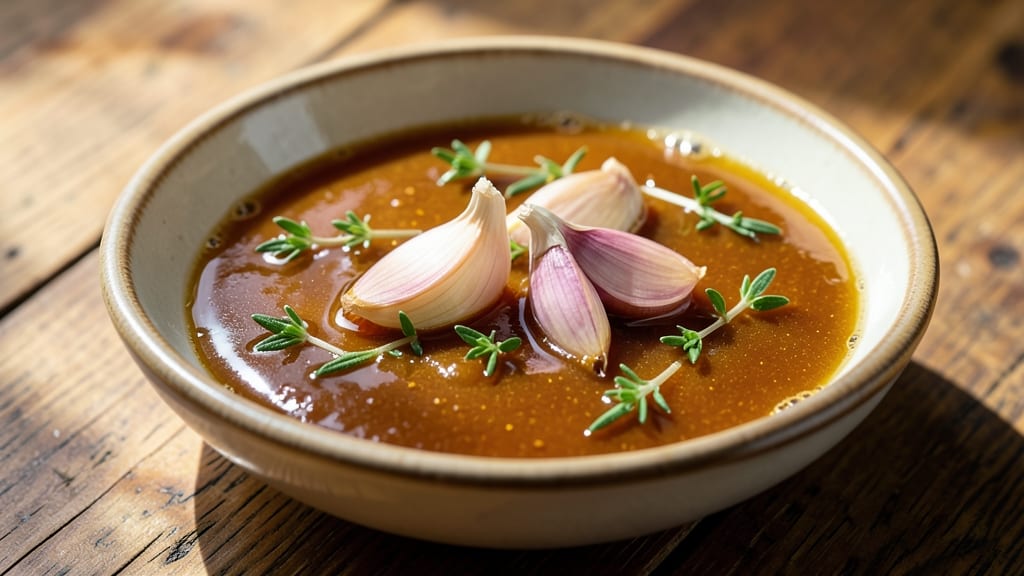
A vinegar sauce recipe transforms simple dishes into vibrant, flavor-packed meals with just a few ingredients and minutes of prep. The secret lies in balancing sharp vinegar with sweet, savory, and aromatic elements—creating a glaze that brightens salads, tenderizes meats, and elevates appetizers.
I developed this version after testing countless combinations to find the perfect harmony of tang and depth.
This sauce delivers restaurant-quality results without requiring specialty ingredients—just high-quality vinegar, honey or sugar, and a touch of garlic or herbs. The method is straightforward: simmer, reduce, and adjust to taste, ensuring you can customize it for any dish.
Whether you're marinating chicken or drizzling over greens, the acidity cuts through richness while adding complexity.
The result is a versatile condiment that works as a salad dressing, marinade, or dipping sauce. The sauce thickens slightly as it cools, creating a glossy finish that clings beautifully to food.
Best of all, it keeps well in the fridge for up to a week, making it a pantry staple for quick, flavorful meals.
Pair it with grilled vegetables, roasted meats, or fresh greens for an instant upgrade. The possibilities are endless—let’s make this bright, tangy sauce your new go-to for effortless flavor.
Ingredients for vinegar sauce
Restaurant-quality vinegar sauce relies on balanced acidity, sweetness, and aromatic depth for vibrant flavor.
| Ingredient | Amount | Notes |
|---|---|---|
| White Wine Vinegar 🍷 | ½ cup | High-quality, aged variety preferred |
| Apple Cider Vinegar 🍎 | ¼ cup | For fruity depth and complexity |
| Honey 🍯 | ¼ cup | Raw or wildflower preferred |
| Granulated Sugar 🍚 | ¼ cup | Light brown sugar for caramel notes |
| Garlic Cloves 🧄 | 4 cloves | Minced for aromatic intensity |
| Fresh Thyme Leaves 🌿 | ¼ cup | Or 1 tbsp dried thyme |
| Dijon Mustard 🍯 | 1 tbsp | For emulsification and depth |
| Salt 🧂 | 1 tsp | Diamond Crystal kosher preferred |
| Black Peppercorns 🌶️ | ½ tsp | Freshly cracked for texture |
| Olive Oil 🫒 | ¼ cup | Extra-virgin for richness |
The vinegars form the sauce's foundation—white wine vinegar provides crisp acidity, while apple cider vinegar adds fruity complexity. Opt for aged balsamic or champagne vinegar from specialty stores like Whole Foods or Dehli Market for premium results. Honey and sugar should be raw or organic to preserve natural enzymes that enhance flavor development during reduction. Fresh thyme from the grocery store's herb section (not the sad plastic containers) delivers superior aroma compared to dried alternatives, though dried works at one-third the amount in a pinch.
Dijon mustard isn't just for flavor—it acts as a natural emulsifier, helping the sauce cling to proteins and greens. Substitute with whole-grain mustard for texture or omit entirely if avoiding gluten. Garlic should be minced finely for even distribution, though a garlic press speeds up prep. Olive oil adds body; use extra-virgin with distinct peppery notes to complement the vinegar's sharpness. For a spicier profile, add 1/4 tsp cayenne pepper or a dash of red pepper flakes to the reduction.
This sauce thickens as it cools, creating a glossy finish ideal for drizzling. Store in a glass jar with an airtight seal in the refrigerator for up to 10 days. The acidity preserves freshness longer than typical dressings. For extended storage, freeze in ice cube trays—thaw overnight in the fridge before use. The sauce's versatility makes it perfect for batch cooking; double the recipe and keep portions in the freezer for quick flavor boosts throughout the week.
Why You'll Love This Recipe
- Pantry Magic: I swear by this sauce—no shopping list, no stress. Just open your cabinet, grab the vinegar, honey, and garlic, and boom. The ratio is foolproof, and I’ve never once burned a pot making it.
- Sweet-Tart Balance: That first bite? Pure magic. The sharpness of the apple cider vinegar cuts through the honey’s richness, while the garlic adds a punch that lingers. It’s the kind of flavor that makes you reach for the jar mid-meal.
- Dress-Up Everything: Slather it on grilled chicken, drizzle it over roasted veggies, or toss it with noodles. Honestly, I’ve even used it as a marinade—it’s my go-to for weeknight dinners and last-minute entertaining.
- Lasts All Week: Make a big batch (it’s cheap to do!) and store it in the fridge. A splash here, a splash there—it elevates leftovers like nothing else. My kids ask for it more than I do, and that’s saying something.
Step-by-step instructions for vinegar sauce recipe
Here's how to craft a perfectly balanced, vibrant glaze that elevates salads and marinades with depth and complexity.
Combine Acidic and Sweet Components
In a medium saucepan, pour in the 0.5 cup white wine vinegar and 0.25 cup apple cider vinegar. Bring to a simmer over medium heat until small bubbles form around the edges—this ensures the acids integrate fully. While maintaining a gentle simmer, gradually whisk in the 0.25 cup honey and 0.25 cup granulated sugar, stirring constantly until completely dissolved. The mixture should transform from cloudy to clear as the sugars fully incorporate.
Watch for the moment when the sauce begins to thicken slightly—this indicates proper emulsification. If you notice any sugar grains lingering at the bottom, increase heat briefly to medium-high and stir vigorously until fully dissolved. This step forms the foundational balance between acidity and sweetness that defines the sauce's character.
Infuse with Aromatics and Emulsify
Reduce heat to low and add the 4 minced garlic cloves, 0.25 cup fresh thyme leaves, 1 tbsp Dijon mustard, 1 tsp salt, and 0.5 tsp cracked black peppercorns. Stir continuously for 3-4 minutes until the garlic becomes fragrant and the thyme releases its piney aroma. The Dijon mustard will begin to thicken the sauce slightly, creating a natural emulsifying agent that prevents separation later.
Here's where attention to detail matters: the thyme should remain vibrant green, not turning brown. If you notice any browning, immediately reduce heat to lowest setting and continue stirring. The mustard will develop a subtle tang that complements the vinegars while binding the ingredients together—this is the moment when the sauce truly comes together.
Incorporate Fat for Richness and Stability
Remove the saucepan from heat and let it cool for 2 minutes—this prevents the olive oil from separating when added. Slowly drizzle in the 0.25 cup extra-virgin olive oil while whisking vigorously. The sauce will thicken noticeably as the oil emulsifies with the mustard and vinegar base. Continue whisking until the mixture reaches a smooth, velvety consistency that coats the back of a spoon.
For best results, I recommend using a whisk rather than a spoon—this creates smaller, more stable emulsions. The oil should integrate completely within 1-2 minutes of whisking. If you notice any oil pooling on top, return the sauce to low heat for 30 seconds while whisking continuously to fully incorporate.
Adjust Balance and Rest
Taste the sauce immediately and adjust the balance as needed. For more acidity, add 1 tsp white wine vinegar; for more sweetness, add 1 tsp honey; for saltiness, add ¼ tsp salt. The ideal ratio should be 60% vinegar brightness, 30% sweetness, and 10% savory depth from the mustard and thyme. Let the sauce cool completely to room temperature—this allows all flavors to meld fully.
For maximum flavor development, refrigerate the sauce for at least 1 hour before using. This resting period allows the vinegars to mellow slightly while the honey and sugar continue to caramelize subtly. The sauce will thicken further as it cools, reaching its optimal glaze-like consistency. Store any unused portion in an airtight container for up to 1 week in the refrigerator.
Pro Tips For Making Vinegar Sauce
- Simmer Slow and Low: Don’t rush the vinegar reduction—keep the heat at a gentle simmer (around 150°F) to let the acidity mellow out. I learned this the hard way: boiling it too hard turns the sauce sharp and harsh instead of balanced. A small pot, half-covered, keeps things steady without splattering.
- Mince Garlic Like You Mean It: Skip the press—finely chop those cloves with a knife for even distribution and no bitter almond aftertaste. I used to smash them with the flat side of my knife, but mincing releases more flavor without the overpowering punch. Aim for a paste-like texture before adding it to the vinegar.
- Balance Vinegars First: Taste the raw vinegar mix (half white wine, half apple cider) before adding honey or sugar—you’ll need less sweetener if the apple cider’s tang is strong. I once drowned a perfectly good sauce because I ignored this step. Start with 1:1 vinegar ratio, then adjust.
- Infuse Cold, Not Hot: Add honey and sugar to the cool vinegar mixture, then warm it together—this prevents scorching and lets the sugar dissolve smoothly. I used to toss everything in hot vinegar, and half the time, I’d end up with grainy bits. Stir constantly for 2–3 minutes until fully integrated.
Storing and reheating this dish
Refrigerator Storage
Store your vinegar sauce in a glass jar with an airtight seal—I prefer Ball mason jars for their durability. Keep it refrigerated at 40°F or below for up to 10 days, though I’ve found the flavor actually deepens after 2-3 days as the vinegars mellow.
The acidity helps preserve freshness longer than typical dressings, but always check for separation before use. 🌡️
Freezer Preservation
For longer storage, freeze the sauce in ice cube trays—this makes it easy to thaw just what you need. Once frozen, transfer cubes to a ziplock freezer bag with excess air removed.
The sauce maintains quality for 3 months this way, though I recommend using it within 2 months for peak flavor. Thaw overnight in the fridge before using to preserve texture. ❄️
Reheating for Dressings
If your sauce has thickened too much after refrigeration, gently warm it in a small saucepan over low heat while stirring constantly. Add 1 tsp water or vinegar to restore its original consistency.
For dressings, I often thin with an extra 1 tbsp olive oil or apple cider vinegar to achieve a drizzling texture. Never microwave—it breaks the emulsion and alters flavor. 💡
Reviving Separated Sauce
If oil separates, whisk vigorously while adding 1 tsp Dijon mustard or 1 tsp honey to re-emulsify. For vinegar-based separation, stir in 1 tsp fresh lemon juice to sharpen the acidity and restore balance.
Most separations fix with gentle whisking—just avoid heat, which can cause permanent breakdown. I’ve revived even the most stubborn separations this way! 🔄
Marinade Revival
When using this sauce as a marinade, reheat only until warm (not boiling) to prevent curdling proteins. Add 1 tbsp olive oil per ½ cup sauce to restore richness. For grilled meats, I recommend using it fresh from the fridge—cold marinades penetrate better and prevent overcooking.
Discard any unused portion after 24 hours of contact with raw meat. 🍗
Texture Adjustments
For a thicker glaze, simmer 2-3 minutes on the stovetop to reduce moisture. To thin, whisk in 1 tsp water or vinegar at a time. The sauce should coat the back of a spoon without being syrupy.
I often adjust consistency just before serving—this ensures perfect cling for drizzling over roasted vegetables or grilled proteins. 🍽️
Nutrition facts
Frequently asked questions
Can I substitute apple cider vinegar with another type?
Yes, but choose carefully! For a similar fruity depth, use balsamic vinegar (reduce by half first) or rice vinegar (add 1 tsp extra honey to balance). Avoid distilled white vinegar—it lacks complexity and will make your sauce taste harsh. The apple cider adds natural sweetness and aroma that other vinegars can't replicate.
How do I make this sauce spicier?
Add ½ tsp cayenne pepper or 1 tsp hot sauce during the final reduction step. For smoky heat, stir in ½ tsp smoked paprika with the thyme. Always taste first—vinegar-based sauces can become overwhelmingly sharp when combined with heat. Start with small amounts and adjust gradually.
Why did my sauce separate?
Separation happens when oil and vinegar aren't properly emulsified. Fix it by whisking vigorously while adding 1 tsp Dijon mustard or 1 tsp honey to bind the ingredients. For stubborn cases, place the jar in warm water for 10 minutes while whisking—gentle heat helps re-emulsify. This sauce is most stable when used fresh from the fridge!
What's the best way to use this as a marinade?
Use it within 4 hours of making for maximum flavor penetration. For tough cuts like pork shoulder, marinate 2-4 hours at room temperature. Never marinate delicate fish longer than 30 minutes to prevent overcooking. The acidity tenderizes meat beautifully—just pat dry before cooking to ensure a good sear.
Can I make this sauce without honey?
Replace honey with maple syrup (same amount) or agave nectar for a vegan option. For a lower-sugar version, use ½ cup sugar instead. The sweetener balances the vinegar's acidity—just remember that maple syrup has a distinct flavor that may alter the sauce's profile slightly.