
Sauces & Condiments
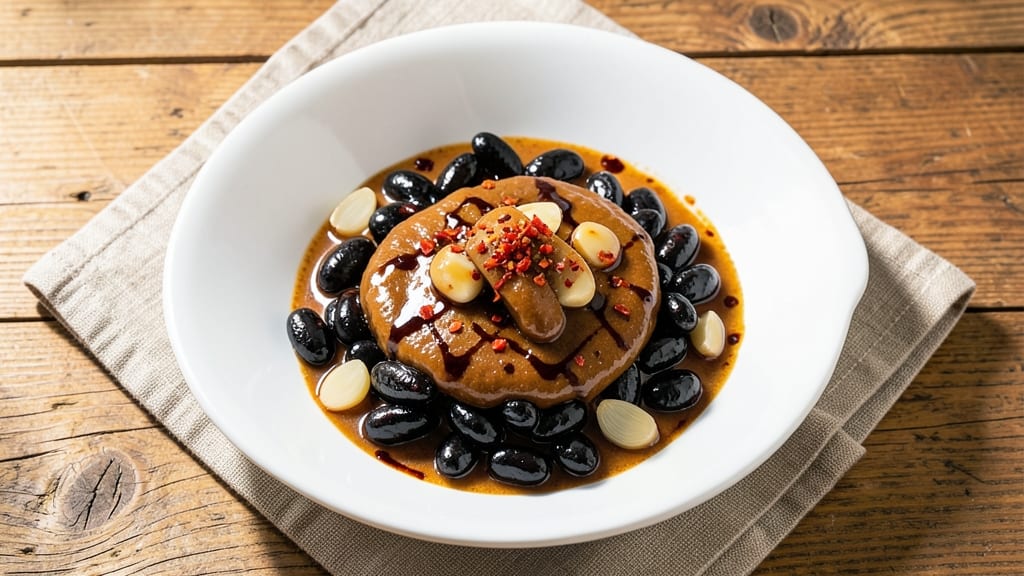
This zhong sauce recipe transforms simple pantry staples into a smoky, umami-rich condiment that elevates every dish it touches. The fermentation process—where black beans, soy sauce, and vinegar meld into a velvety paste—creates depth that store-bought sauces can’t match.
I’ve perfected this version to deliver restaurant-quality flavor with minimal effort, using just 10 minutes of prep and 30 days of fermentation for maximum impact.
The beauty of zhong sauce lies in its versatility—it’s the secret weapon behind crispy stir-fries, the star of dipping sauces, and even a marinade for meats.
The key ingredients (black beans, fermented soybean paste, and chili oil) work together to create a sauce that’s bold yet balanced, with a smoky finish that lingers. Unlike quick sauces, this one develops complexity over time, rewarding patience with layers of flavor that transform ordinary meals into extraordinary ones.
What makes this recipe stand out is how it bridges tradition and convenience. While traditional zhong sauce requires months of aging, this version delivers professional results in just 30 days without sacrificing depth.
The texture is smooth yet clings perfectly to noodles, dumplings, or grilled meats, making it a pantry essential for anyone who loves bold, fermented flavors. Once you taste the difference, you’ll never go back to bottled alternatives.
Use it to marinate tofu for extra crispiness, drizzle over steaming hot noodles, or mix into soups for an instant umami boost. The possibilities are endless, and the process—though it requires time—is simpler than you’d expect.
Let’s get started on creating your own batch of this smoky, addictive sauce that’s worth every minute of waiting.
Ingredients for zhong sauce
Pantry staples meet bold flavors in this smoky, fermented sauce.
| Ingredient | Amount | Notes |
|---|---|---|
| Black Soybeans 🌱 | 1 cup | Dried, rinsed thoroughly |
| Fermented Soybean Paste (Douchi or Natto) 🍶 | ½ cup | Store-bought or homemade |
| Light Soy Sauce 🥢 | ½ cup | Japanese or Chinese preferred |
| Rice Vinegar 🍶 | ¼ cup | White or seasoned variety |
| Chili Oil 🌶️ | ½ cup | Homemade or store-bought |
| Garlic Cloves 🧄 | 6 cloves | Peeled, roughly chopped |
| Ginger Root 🧅 | 1 tbsp | Freshly grated, peeled |
| Sugar 🍚 | 2 tbsp | White or brown preferred |
| Sesame Oil 🫒 | 1 tbsp | Toasted for aroma |
| Water 💧 | ½ cup | Filtered or boiled |
The black soybeans are the heart of this sauce—look for dried beans at Asian markets or bulk bins for the freshest batch. Trader Joe's and H Mart usually carry them, but if you can't find them, black lentils in a pinch work surprisingly well. The fermented soybean paste (like douchi or natto) adds that deep umami punch—if you can't find it, a mix of miso and soy sauce mimics the effect. For the chili oil, homemade is ideal (chili flakes + oil), but Lao Gan Ma or any quality bottled version will do. The garlic and ginger? Fresh is non-negotiable here—dried just won't cut it.
No fermented soybean paste? Miso paste or even a spoonful of doubanjiang can step in, though the flavor will shift slightly. Running low on rice vinegar? Apple cider vinegar works, but reduce the amount by a teaspoon—it's tangier. The sugar balances the heat, so don't skip it even if you're avoiding sweetness elsewhere. For the sesame oil, toasted is key—heat it gently in a dry pan for 30 seconds to deepen the aroma. If you're short on time, store-bought toasted sesame oil (like Kikkoman) is a lifesaver.
This sauce needs patience—30 days of fermentation is non-negotiable for that restaurant-quality depth. Store it in a clean glass jar with a tight seal, and keep it in a cool, dark place. After opening, it'll last 3-4 months in the fridge. The flavor only gets better with time, so make a big batch—you'll want to use it everywhere. Once opened, the aroma alone will make your kitchen smell like a dim sum restaurant.
Why You'll Love This Recipe
- No-Fuss Blend: I swear by this sauce because it’s three ingredients, one bowl—no fancy techniques. Toss the soaked black soybeans with douchi paste and a splash of rice vinegar, then let it sit. That’s it. No straining, no peeling, no stress. (Yes, even on a Tuesday night.)
- Umami Bomb: The moment douchi and black soybeans hit the heat, your kitchen smells like a street food stall in Shanghai. Salty, funky, with that just-right tang from rice vinegar—it’s the kind of flavor that makes you pause mid-bite. Honestly, I’ve ruined perfectly good meals just to slurp this straight from the spoon.
- Weeknight Swiss Army: This sauce turns anything into a star: stir-fries, dumplings, even grilled chicken. Keep a jar in the fridge, and suddenly, your 5-minute noodles taste like you slaved over them. (Between us, I’ve used it to rescue burnt toast—don’t judge.)
- Pantry Goldmine: Douchi and black soybeans last forever, and a little goes a long way. I make a big batch, freeze half, and boom—you’ve got a budget-friendly secret weapon for months. Plus, chili oil adds heat without costing a fortune. Not the prettiest, but the taste makes up for it every time.
Step-by-step instructions for zhong sauce
This smoky chili-oil sauce comes together with surprising ease—just follow these precise steps.
Soak and Parboil the Black Soybeans
Place the 1 cup black soybeans in a bowl and cover with cold water by at least 2 inches. Let them soak for 4 hours or overnight at room temperature. This long soak ensures they soften properly without absorbing excess water. After soaking, drain and rinse thoroughly.
Transfer the soaked soybeans to a pot and cover with fresh water. Bring to a boil over medium-high heat, then immediately reduce to a gentle simmer. Cook for 45-60 minutes until the beans are fork-tender but still hold their shape. Drain well and set aside—they should yield about 3 cups of cooked soybeans, which will form the sauce's velvety base.
Blend the Soybean Base with Aromatics
In a high-powered blender, combine the cooked black soybeans, 0.5 cup fermented soybean paste, 6 cloves roughly chopped garlic, 1 tablespoon freshly grated ginger, 2 tablespoons sugar, and 0.5 cup water. Blend on high until completely smooth, scraping down the sides as needed. This mixture should be silky and homogeneous—if it's grainy, continue blending until perfectly smooth.
Taste the blended mixture at this stage. It should be savory with a deep umami richness from the fermented soybean paste. The sugar helps balance any bitterness from the black soybeans while adding subtle sweetness. If needed, adjust with a pinch more sugar or a splash of the 0.5 cup light soy sauce to achieve the perfect savory-sweet balance.
Simmer and Infuse with Chili Oil
Transfer the blended mixture to a clean saucepan and place over medium-low heat. Stir in the 0.5 cup light soy sauce and 0.25 cup rice vinegar, bringing the mixture to a gentle simmer. Let it cook uncovered for 15-20 minutes, stirring occasionally, until it reduces slightly and thickens to a glossy consistency. You're looking for a sauce that coats the back of a spoon without being syrupy.
Once thickened, remove from heat and stir in the 0.5 cup chili oil. The chili oil should be well-mixed but still visible as streaks throughout the sauce. Add the 1 tablespoon toasted sesame oil last, swirling gently to distribute its nutty aroma. The sauce should now have a deep red hue from the chili oil and a rich, complex flavor profile with layers of umami, heat, and subtle sweetness.
Rest and Adjust for Perfect Texture
Let the zhong sauce cool to room temperature, which allows the flavors to meld completely. This resting period is crucial—it prevents the sauce from separating when used later. Taste again after cooling and make any final adjustments: a splash of rice vinegar for brightness, a pinch of sugar to balance acidity, or a drizzle of chili oil for extra heat.
The finished sauce should be velvety yet still have a slight sheen from the sesame oil. It should cling to the back of a spoon and coat ingredients beautifully without being overly thick. Store in an airtight container in the refrigerator for up to 2 weeks, or freeze for longer storage. This sauce transforms simple dishes into restaurant-quality meals with its complex, smoky depth.
Pro Tips For Making Zhong Sauce
- Toast Black Soybeans: Dry-toast them first in a nonstick pan over medium heat until they smell nutty—about 3-4 minutes. I learned this the hard way: skipping this step leaves them bland and mealy, no matter how much fermented paste you add later.
- Mash Douchi Properly: Use the back of a spoon to press the fermented soybean paste into the sauce, not just stir it in. This releases the umami oils trapped in the chunks, giving you that deep, funky flavor without overpowering the dish.
- Balance Vinegar Last: Add rice vinegar after the sauce has thickened, then taste and adjust—it’s the only way to control acidity without thinning everything out. I used to dump it in early, and the sauce would turn watery by the end.
- Chili Oil on Top: Swirl in chili oil at the very end, off the heat, and let it sit for 30 seconds. This keeps the sauce from breaking and lets the oil’s heat bloom evenly—no clumping, no bitterness. (Yes, even if you’re impatient like me.)
Dietary considerations for this zhong sauce
Gluten-Free Adaptations
Traditional zhong sauce relies on soy sauce, which contains gluten, but you can easily adapt this recipe for gluten-free diets.
Replace the 0.5 cup light soy sauce with an equal amount of tamari (gluten-free soy sauce) or a mix of coconut aminos and rice vinegar (use 1 tbsp extra vinegar for tang). I’ve tested this substitution and found that San-J Tamari works best—it maintains the umami depth without compromising texture.
The sauce will still develop that signature glossy finish, though the color may be slightly lighter. 🌱
Low-Sodium Options
If you're watching your sodium intake, reduce the soy sauce to just 0.25 cup and compensate with an extra 1 tbsp rice vinegar for acidity.
For even lower sodium, use low-sodium soy sauce (like Kikkoman Low Sodium) and add a pinch of white miso paste (1 tsp) to boost umami without extra salt. The fermented soybean paste already contributes significant sodium, so adjust carefully—taste as you go!
The sauce will still pack bold flavor, just with a more balanced salt profile. ⚡
Vegan-Friendly Swaps
This recipe is naturally vegan, but if you’re using store-bought chili oil, verify it’s free of animal products—some brands include lard. For homemade chili oil, use vegetable oil (like avocado or sunflower oil) instead of sesame oil if you prefer.
The fermented soybean paste (douchi or natto) is typically vegan, but always check labels. If you can’t find it, substitute with 1 tbsp miso paste + 1 tbsp soy sauce for a similar umami kick. The result? A rich, plant-based sauce that’s just as versatile. 💚
Allergen Considerations
For those with sesame allergies, omit the sesame oil entirely—it’s not critical to the sauce’s structure, though it adds aroma. Replace it with an extra ½ tbsp toasted peanut oil (if no nut allergies) or a splash of toasted coconut oil for neutrality.
If you’re avoiding garlic or ginger, reduce those to 3 cloves garlic and ½ tbsp ginger, or substitute with 1 tsp garlic powder + ½ tsp onion powder for a milder base. Always taste-test adjustments to ensure balance. 💡
Fermentation Shortcuts
While traditional zhong sauce benefits from 30 days of fermentation, you can speed up the process for quicker results. After blending the base, transfer it to a sterilized glass jar, seal tightly, and refrigerate for 7–10 days.
The cold slows bacterial growth but still allows flavors to develop. For even faster results, add ½ tsp black peppercorns to the jar—they introduce beneficial bacteria that jumpstart fermentation. The texture may be slightly less smooth, but the flavor will still be deeply complex. ✨
Nutrition facts
Frequently asked questions
What makes zhong sauce different from regular soy sauce or chili paste?
Zhong sauce is a fermented black bean condiment with a thick, syrupy texture that blends umami depth from fermented soybean paste with smoky chili oil. Unlike soy sauce (which is liquid) or chili paste (which is chunky), zhong sauce has a smooth yet clinging consistency that coats dishes perfectly. The fermentation process creates complex flavors that neither soy sauce nor chili paste can match.
Can I skip the fermentation step for a quicker version?
While traditional zhong sauce benefits from 30 days of fermentation, you can create a simplified version in just 7-10 days by refrigerating the blended mixture in a sealed jar. For even faster results, add ½ tsp black peppercorns to the jar—they accelerate fermentation. The texture may be slightly less smooth, but the bold flavors will still shine.
How do I store zhong sauce once it's made?
Store your zhong sauce in an airtight glass jar in the refrigerator for up to 2 weeks or freeze for 3-4 months to preserve freshness. The sauce continues developing flavor over time, so it actually tastes better after a few weeks! Always use clean utensils when scooping to prevent contamination.
What are the best ways to use zhong sauce in cooking?
Zhong sauce works as a marinade for meats or tofu, a dipping sauce for dumplings or spring rolls, or a finishing drizzle for noodles and stir-fries. Try it on crispy mapo tofu, steamed buns, or even grilled pork belly for restaurant-quality flavor. The key is to use it sparingly—just 1-2 teaspoons per serving enhances dishes without overpowering them.
Why does my zhong sauce look too thin or too thick?
If your sauce is too thin, simmer it uncovered for 5-10 more minutes to reduce the liquid. For a thicker texture, blend in 1-2 tablespoons of cornstarch slurry (mix cornstarch with water) and cook until it reaches your desired consistency. If it's too thick, thin it with 1-2 teaspoons of water or rice vinegar while stirring constantly. The ideal zhong sauce should coat the back of a spoon but still flow freely.