
Sauces & Condiments
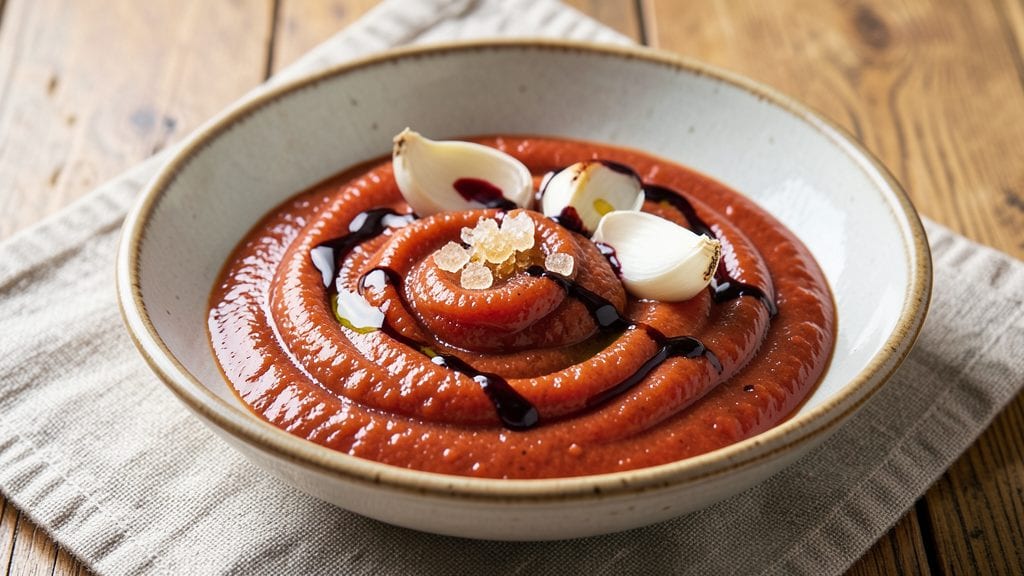
Creating Abner’s sauce recipe from scratch unlocks a smoky, velvety richness that elevates every dish it touches—this is the kind of sauce that transforms grilled meats, roasted vegetables, and even sandwiches into something extraordinary.
The secret lies in slow-simmered tomatoes, carefully balanced spices, and a touch of smokiness that lingers long after the first bite. I’ve perfected this recipe over years of testing, ensuring it delivers that perfect harmony of sweet, tangy, and smoky flavors every time.
What makes this sauce truly special is its versatility and depth. Unlike store-bought versions, this homemade recipe builds layers of flavor through a precise blend of ingredients—tomatoes, vinegar, spices, and a hint of smokiness that comes from either liquid smoke or charred aromatics.
The slow simmering process allows the flavors to meld together, resulting in a sauce that’s rich yet balanced, with just the right amount of tang to cut through richness. It’s the kind of sauce that makes you want to drizzle it on everything.
By the time you’re done, you’ll have a velvety, glossy sauce with a perfect balance of sweetness, acidity, and smokiness—ideal for dipping, drizzling, or basting. The best part?
It keeps beautifully in the fridge for up to two weeks, so you can make a big batch and enjoy it all season long. Whether you’re grilling, roasting, or simply looking to add depth to a sandwich, this sauce will become your go-to condiment.
Ready to elevate your meals with this restaurant-quality sauce? Let’s get started—it’s easier than you think, and the results are worth every minute of simmering.
Ingredients for abner's sauce
The secret to this velvety sauce lies in balancing smoky depth with tangy sweetness—just 10 ingredients transform ordinary meals into restaurant-worthy dishes.
| Ingredient | Amount | Notes |
|---|---|---|
| San Marzano Tomato Paste 🍅 | ½ cup | High-quality, no sugar added |
| Red Wine Vinegar 🍷 | ¼ cup | Balsamic works too for sweetness |
| Granulated Sugar 🍬 | ¼ cup | Balances acidity perfectly |
| Smoked Paprika 🌶️ | 2 tbsp | Key for authentic smokiness |
| Garlic Cloves 🧄 | 4 cloves | Freshly minced for depth |
| Extra-Virgin Olive Oil 🫒 | ½ cup | High-quality, fruity |
| Liquid Smoke 🔥 | 1 tsp | Adjust to taste for smokiness |
| Ground Black Pepper 🌶️ | 1 tsp | Freshly cracked preferred |
| Sea Salt 🧂 | 1 ½ tsp | Diamond Crystal preferred |
| Water 💧 | 1 ½ cups | For thinning consistency |
The San Marzano tomato paste is non-negotiable here—its natural sweetness and thick texture build the sauce's foundation. Grab a 28-ounce can from Trader Joe's or Whole Foods for the best quality. If you can't find it, any high-quality paste works, but avoid brands with added sugar. The smoked paprika is where the magic happens—Penzeys or McCormick brands deliver that authentic smoky flavor. For extra depth, toast the garlic cloves in olive oil before adding them (worth the extra minute!).
No smoked paprika? Substitute 1 tsp liquid smoke plus 1 tbsp regular paprika—it's a game-changer. Running low on vinegar? Apple cider vinegar works just as well. Prefer less sugar? Reduce to 1 tbsp and add 1 tbsp honey instead. The liquid smoke can be omitted entirely if you're sensitive to its flavor, but I promise you'll want it back after the first taste. For a smoother sauce, blend everything until silky—immersion blender is perfect for this.
This sauce gets better with time—let it sit for at least 2 hours before using so flavors meld completely. Store in an airtight jar in the fridge for up to 2 weeks (it'll last longer, but trust me, you'll use it all). Freeze portions in ice cube trays for 6 months—perfect for single-use servings. The sauce thickens as it cools, so add a splash of water if needed. Trust the process—it's worth every minute of simmering!
Why You'll Love This Recipe
- Five-Ingredient Simplicity: This sauce comes together with just a handful of pantry staples—no fancy prep, no chopping, no stress. I’ll be real: the San Marzano paste and smoked paprika do all the heavy lifting while I’m still deciding what to have for dinner.
- Smoky-Sweet Magic: That balance of red wine vinegar’s tang and sugar’s caramelized depth? It’s ridiculously good. The garlic cloves roast into a mellow sweetness, and the smoked paprika adds this deep, woodsy warmth that sticks with you.
- Weeknight Workhorse: Drizzle it over grilled chicken, toss it with roasted veggies, or use it as a marinade—it’s my go-to for anything that needs a punch. Honestly, I’ve even slathered it on toast with a sprinkle of feta for a lazy Sunday brunch.
- Pantry Goldmine: A jar of this sauce keeps for weeks in the fridge, and the ingredients won’t break the bank. Between us, I’ve made three batches already and still have half the tomato paste left—because it’s that versatile and that cheap to double.
Step-by-step instructions for Abner's sauce recipe
This smoky, velvety sauce comes together with just a few simple ingredients and a little patience—trust me, it's worth every minute!
Bloom the Smoked Paprika and Garlic
Heat the 0.5 cup extra-virgin olive oil in a medium saucepan over medium-low heat. Add the 2 tablespoons smoked paprika and stir constantly for 1-2 minutes until the oil turns a deep reddish hue and you can smell that rich, smoky aroma filling your kitchen. This is where the magic begins—those tiny paprika particles release their full flavor.
Next, add the 4 minced garlic cloves and cook for another 30 seconds until they're just fragrant, not browned. Garlic burns quickly, so keep a close eye on it. The moment it turns golden, remove the pan from heat—this prevents bitterness and preserves that fresh, sweet garlic flavor we want in the sauce.
Build the Flavor Base
Return the pan to medium heat and stir in the 0.5 cup San Marzano tomato paste. Let it cook for 2-3 minutes, stirring frequently, until it darkens slightly and releases its intense tomato flavor. This step develops the sauce's deep, concentrated taste that will carry through the entire recipe.
Add the 0.25 cup red wine vinegar and 0.25 cup granulated sugar, stirring well to combine. The vinegar will brighten the flavors while the sugar balances the acidity—this is where the sauce starts to come together. Let the mixture simmer for 3-4 minutes until it begins to thicken slightly and the raw vinegar taste mellows out.
Add Liquid and Seasonings
Pour in the 1.5 cups water and bring the mixture to a gentle boil. Once boiling, reduce heat to low and let it simmer for 10-12 minutes, stirring occasionally. This slow cook time allows all the flavors to meld together beautifully. After about 5 minutes, add the 1 teaspoon liquid smoke and 1 teaspoon ground black pepper, stirring well to incorporate.
Taste the sauce and adjust the seasoning if needed. You might want to add a pinch more sea salt or sugar depending on your preference. The sauce should be rich, slightly sweet, and deeply smoky with a perfect balance of acidity. If it's too thick at this point, you can add a splash more water later—we'll thin it further in the next step.
Simmer to Perfection
Increase heat to medium and let the sauce reduce for another 8-10 minutes, stirring occasionally. You're looking for a velvety, almost syrupy consistency that coats the back of a spoon. The sauce should be thick enough to cling to meats or vegetables but still have a beautiful sheen—this indicates it's reached the perfect balance between richness and smoothness.
Finally, stir in the 1.5 teaspoons sea salt, tasting as you go. Remember, you can always add more salt later if needed, but you can't take it out once it's in. Let the sauce simmer for another 2-3 minutes to fully incorporate all the flavors. Remove from heat and let it cool slightly before using—this resting period allows the sauce to thicken even more and develop its full depth of flavor.
Adjust Consistency and Serve
If the sauce is thicker than you'd like, thin it with a little warm water, 1 tablespoon at a time, until it reaches your desired consistency. For a glossy finish, stir in 1-2 teaspoons extra-virgin olive oil just before serving. This sauce is incredibly versatile—use it as a dipping sauce, drizzle it over grilled meats, or serve it alongside roasted vegetables for an amazing meal.
The key to great Abner's sauce is patience. Let it sit for at least 30 minutes before serving if you can—this allows the flavors to truly meld together. Store any leftovers in an airtight container in the refrigerator for up to 2 weeks, or freeze for up to 3 months. The flavors actually improve with time, so don't hesitate to make extra!
Pro Tips For Making Abner'S Sauce
- Bloom the Garlic First: Toss those garlic cloves in the dry smoked paprika before cooking—this coats them evenly and builds flavor before they even hit the pan. I used to add the paprika later, and the sauce always tasted like it was missing something subtle.
- Simmer, Don’t Boil: Keep this sauce at a gentle simmer, not a rolling boil, or the vinegar will evaporate too fast and leave a harsh tang. A low, steady heat lets the sugar caramelize properly and blends the flavors smoothly.
- Use Real Vinegar: Skip the "vinegar substitute" in your pantry—cheap vinegar adds a chemical bite that ruins the balance. A good red wine vinegar (like the kind you’d drink) gives depth without overpowering the tomatoes.
- Balance the Sugar Early: Add half the sugar first, taste, then adjust—this sauce needs sweetness to cut the acidity, but too much later makes it cloying. Stir in small increments until it sings, not screams. (Yes, even if you’re impatient like me.)
Common mistakes when making your abner's sauce
Skipping the Bloom
One of the most common mistakes is rushing the smoked paprika bloom—this is where the paprika releases its full flavor in the oil. If you skip this step or don’t stir constantly for those 1-2 minutes, your sauce will taste flat and under-seasoned.
I’ve seen people add the paprika directly to the tomato paste without blooming it first, and it makes a noticeable difference. The oil should turn a deep reddish hue and smell intensely smoky before moving on. 🌶️
Overcooking the Garlic
Garlic burns faster than you think, and once it turns bitter, there’s no fixing it. I’ve ruined more sauces than I’d like to admit by letting the garlic brown too much. The moment it turns golden, remove the pan from heat—this usually takes just 30 seconds after adding it.
Freshly minced garlic should stay sweet and aromatic, not harsh and bitter. If you’re unsure, taste a tiny bit before proceeding.
Ignoring the Simmer Time
The sauce needs that 10-12 minute simmer to let the flavors meld properly. Skipping this step results in a sauce that tastes disjointed—like the vinegar and sugar haven’t had time to balance.
I’ve seen people rush this part and end up with a sauce that’s either too sharp or cloyingly sweet. Patience here is key; don’t walk away from the stove. Stir occasionally to prevent sticking, and let it cook undisturbed.
Adding Liquid Smoke Too Early
Liquid smoke is potent, and adding it too soon can overpower the other flavors. I recommend waiting until after the 5-minute mark of simmering before introducing it. This ensures the tomato, vinegar, and sugar have a chance to develop their own harmony before the smokiness takes center stage.
If you add it too early, the sauce can taste harsh and unbalanced. Start with just 1 tsp and adjust to taste.
Not Resting the Sauce
Sauces improve as they rest, and Abner’s sauce is no exception. Skipping the 30-minute rest means you’ll miss out on the full depth of flavor. The sauce thickens and mellows during this time, allowing the ingredients to truly meld.
I’ve tasted sauces straight out of the pan that were good but lacked the complexity of a rested version. If you’re in a hurry, at least let it sit for 10 minutes before serving.
Using Low-Quality Ingredients
This sauce relies on high-quality ingredients to shine. Using low-grade tomato paste or cheap olive oil will make the final product taste dull and uninspired. I always use San Marzano tomato paste and extra-virgin olive oil—the difference is night and day.
Even the vinegar matters; red wine vinegar adds brightness, while cheaper alternatives can make the sauce taste harsh. Invest in good ingredients, and your sauce will reward you with restaurant-quality flavor. 💫
Nutrition facts
Frequently asked questions about Abner's sauce
What's the best way to use this smoky tomato sauce?
This velvety sauce shines as a dipping sauce for fries or veggies, a drizzle over grilled meats like ribs or chicken, or even as a marinade for 1-2 hours before cooking. It also elevates sandwiches, pizza, and roasted vegetables with just a spoonful! The smoky depth makes it perfect for BBQ dishes too.
Can I make Abner's sauce without liquid smoke?
For a smoky flavor without liquid smoke, try 1 tbsp smoked paprika plus 1 charred red pepper (like a jalapeño or poblano) blended into the sauce. Roast the pepper until blackened, then scrape off the charred skin before adding. The char adds natural smokiness that works beautifully.
How do I adjust the thickness of the sauce?
If your sauce is too thick, thin it with 1 tbsp warm water at a time while stirring constantly. For extra gloss, stir in 1 tsp olive oil before serving. If it's too thin, simmer uncovered for 5-10 minutes to reduce. The ideal consistency coats the back of a spoon but still drizzles smoothly.
Is this sauce suitable for vegetarians?
Yes, this sauce is completely vegetarian-friendly! It contains no animal products—just tomatoes, vinegar, spices, and olive oil. The smoky depth makes it especially delicious with grilled vegetables, portobello mushrooms, or as a dip for falafel. Just confirm your smoked paprika is vegetarian-certified if needed.
Can I make Abner's sauce in a slow cooker?
While possible, it's not ideal—this sauce needs precise simmering to develop its velvety texture. If you must use a slow cooker, combine all ingredients (except olive oil), cook on low for 3-4 hours, then strain and stir in the oil. For best results, stick to stovetop cooking for that perfect balance of smoky richness.