
Sauces & Condiments
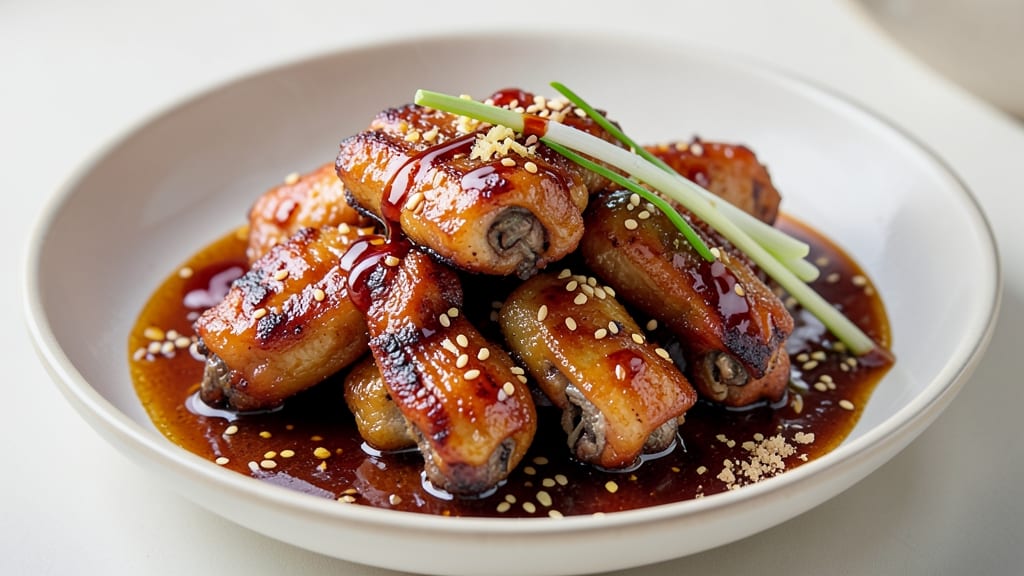
This teriyaki wing sauce recipe transforms ordinary wings into restaurant-quality bites with its perfect balance of sticky sweetness and savory umami depth. The secret lies in simmering soy sauce, mirin, and brown sugar until thickened—creating a glossy glaze that clings beautifully to crispy wings.
I’ve perfected this sauce over years of testing, ensuring it’s never too cloying or overly salty, but always deeply flavorful.
The sauce builds complexity through garlic, ginger, and a touch of honey, which caramelizes during simmering to enhance the natural sweetness. Unlike store-bought versions, this recipe uses high-quality ingredients like mirin (or sub with rice vinegar) and a splash of sesame oil for that signature aroma.
It’s designed to coat wings evenly, delivering that signature sticky finish without overwhelming the crispy exterior.
What makes this sauce truly professional is its versatility—it works just as well on chicken thighs, tofu, or even grilled vegetables. The simmering process reduces the sauce to a perfect consistency, ensuring it stays glossy and clingy even after reheating.
Once made, it keeps for up to two weeks in the fridge, so you can batch-cook and glaze wings whenever cravings strike.
For best results, simmer the sauce until it thickens slightly—this is where the magic happens. The reduced liquid creates that signature teriyaki stickiness while deepening the umami flavor.
Whether you’re prepping for game day or a weeknight dinner, this sauce elevates every bite with its perfect balance of sweet, salty, and savory notes.
Ingredients for teriyaki wing sauce
Eight ingredients transform ordinary wings into restaurant-quality bites with perfect sticky-sweet umami depth.
| Ingredient | Amount | Notes |
|---|---|---|
| Kosher Soy Sauce 🥫 | ½ cup | Low-sodium preferred for balance |
| Mirin 🍶 | ¼ cup | Sweet cooking rice wine |
| Light Brown Sugar 🍚 | ¼ cup | Packed, not scooped |
| Garlic Cloves 🧄 | 4 cloves | Minced, not powdered |
| Fresh Ginger 🌿 | 1 tbsp | Finely grated, peel included |
| Honey 🍯 | 2 tbsp | Wildflower preferred |
| Sesame Oil 🫒 | 1 tbsp | Toasted, not refined |
| Rice Vinegar 🍶 | 1 tbsp | Substitute for mirin if needed |
| Water 💧 | ¼ cup | For thinning if needed |
| Diamond Crystal Kosher Salt 🧂 | ½ tsp | Adjust to taste |
The mirin is non-negotiable for that signature teriyaki sweetness—Trader Joe's or Makura brands are my go-tos, but any quality mirin works. Fresh ginger needs to be finely grated (the good stuff, not powdered), and I always double-check the jar isn't past its prime (it should smell vibrant, not musty). For the brown sugar, packed means no scooping—use a spoon to fill the measuring cup. The garlic should be minced, not pressed, to avoid bitter juice. Sesame oil? Toasted is key—it adds that nutty aroma that separates this from store-bought sauces.
No mirin? Rice vinegar plus 1 tsp sugar mimics the sweetness (though not the depth). Fresh ginger powder is a last resort—use half the amount of the fresh grated version. For the honey, agave or maple syrup works in a pinch, but honey's floral notes caramelize beautifully during simmering. The soy sauce is where umami happens—low-sodium lets you control the saltiness better. If you're gluten-sensitive, tamari replaces soy sauce perfectly. And that sesame oil? Don't skip it—it's what makes this sauce smell like a Japanese izakaya.
This sauce thickens as it cools, so simmer until slightly reduced—about 10-15 minutes. Store in a sealed jar in the fridge for up to 2 weeks, or freeze for 3 months (portion into ice cube trays for single servings). The sauce clings best when warmed gently before using—microwave 20 seconds, stir, repeat. Leftovers? Toss with extra sesame seeds for garnish—game day upgrade right there.
Why You'll Love This Recipe
- Five-Ingredient Magic: I swear by this combo—just soy, mirin, sugar, ginger, and garlic. No fancy techniques, no waiting for hours. Honestly, the mirin alone makes it taste like you spent all day simmering.
- Sweet-Savory Balance: That caramelized brown sugar and umami soy sauce? It’s the kind of glaze that makes you lick the bowl. The ginger adds a little kick, but it’s the garlic that ties it all together—like a hug for your taste buds.
- Game Day Hero: Between us, this sauce is my go-to for game nights, potlucks, or when I’m too tired to cook. Toss it on wings, drizzle it over rice, or even brush it on tofu. It’s the flavor equivalent of a Swiss Army knife.
- Leftovers That Last: Make a double batch—it keeps for weeks in the fridge. I’ve used it to glaze chicken thighs, stir-fry veggies, and even drizzle over noodles. Not the prettiest, but the taste makes up for it every time.
Step-by-step instructions for teriyaki wing sauce
This sauce delivers that perfect balance of sticky-sweet glaze and deep umami punch—ideal for wings or any protein.
Bloom the Aromatics in Sesame Oil
Heat a small saucepan over medium-low heat and add the 1 tablespoon sesame oil. Once the oil shimmers but doesn't smoke—around 2 minutes—add the 4 minced garlic cloves and 1 tablespoon finely grated fresh ginger. Cook for 1-2 minutes until the garlic turns golden and fragrant, but never lets it brown or burn. This step unlocks the aromatic foundation of your sauce.
I like to stir constantly here because garlic burns faster than you think. If you see the edges darkening, immediately reduce the heat to low and keep stirring. The goal is to infuse the oil with those bright, fresh flavors before moving to the next ingredients.
Combine Wet Ingredients for the Base
Pour in the 0.5 cup kosher soy sauce, 0.25 cup mirin, and 0.25 cup light brown sugar (packed). Stir vigorously to dissolve the sugar completely—this prevents grainy texture in the finished sauce. Let the mixture simmer gently over medium heat for 3-4 minutes, until it begins to thicken slightly and the sugar fully integrates.
You'll notice the sauce darkening slightly as it reduces, which is perfect—this is where the umami depth starts building. If you see any sugar crystals still clinging to the pan, add 1 tablespoon water and stir until smooth. This step ensures your sauce will coat evenly without clumping.
Sweeten and Acidify for Balance
Lower the heat to low and stir in the 2 tablespoons honey and 1 tablespoon rice vinegar. Simmer for another 2-3 minutes, stirring occasionally, until the honey melts completely and the sauce reaches a glossy, syrupy consistency. The vinegar brightens the flavors while the honey adds that signature sticky-sweet quality.
Taste the sauce at this stage—it should be rich and slightly tangy, with a deep savory note from the soy. If it's too thick, gradually add the 0.25 cup water one tablespoon at a time until it reaches a smooth, coatable texture. The sauce should be thick enough to cling but still flow easily when drizzled.
Season and Simmer to Perfection
Remove the pan from heat and stir in the 0.5 teaspoon diamond crystal kosher salt. Let the sauce rest for 5 minutes—this allows the flavors to meld and the salt to fully dissolve. Return the pan to low heat and simmer for another 2 minutes to ensure everything is perfectly balanced.
For the best results, strain the sauce through a fine-mesh sieve to remove any ginger or garlic bits if you prefer a completely smooth texture. The finished sauce should be glossy, aromatic, and ready to glaze wings or drizzle over rice. If you're not using it immediately, let it cool to room temperature before storing in an airtight container in the fridge for up to 1 week.
Pro Tips For Making Teriyaki Wing Sauce
- Simmer Low and Slow: After burning the first batch trying to rush it, I learned—this sauce needs a gentle simmer, not a boil. Keep it at a steady, barely-there bubble (around 180°F) to let the sugar caramelize properly without turning bitter. Yes, it’ll take 20-25 minutes, but that’s when the flavors meld into something smooth and sticky.
- Grind Ginger Fresh: Pre-packaged ginger paste is convenient, but fresh ginger makes a real difference here. Use a microplane or finely grate it—you’ll need about 1 teaspoon—because it adds brightness that jarred ginger can’t match. (And skip the peeling; the skin’s flavor is worth the extra 30 seconds.)
- Balance Sugar First: Taste the sauce after dissolving the brown sugar, before adding garlic or ginger. If it’s cloyingly sweet, add a splash of water or a pinch of salt to cut through it. I used to ignore this step, and the sauce would end up tasting like dessert instead of wings.
- Strain for Smoothness: This isn’t the prettiest method, but trust me: strain the sauce through a fine-mesh sieve after simmering to remove garlic and ginger bits. It’ll look weird, but your wings will glide in a velvety sauce instead of chewing on texture. (Save the pulp for a stir-fry—it’s not wasted.)
Make-ahead tips for teriyaki wing sauce
Batch Prep Sauce
Make a double batch of this teriyaki wing sauce—it’s perfect for meal prep. Simply double all ingredients and use a 3-quart saucepan to simmer. Store in glass mason jars (I use Ball 16-ounce jars) in the fridge for up to 2 weeks.
The sauce thickens as it cools, so reheat gently with 1 tablespoon water per ½ cup sauce to restore glossiness. 💛
Freeze for Later
Portion the sauce into ice cube trays or silicone molds before freezing. Once frozen, transfer cubes to a ziplock freezer bag and flatten for space-saving storage.
Thaw overnight in the fridge or microwave for 10 seconds to soften before using. This method prevents clumping and keeps the sauce’s vibrant color. 🧊
Prep Wings Ahead
Marinate raw wings in ½ cup sauce for 2-4 hours before cooking—they’ll absorb incredible flavor. Store in a ziplock bag in the fridge, turning occasionally. For extra crispiness, pat wings dry before air-frying or baking. I like to use Oster air fryers at 400°F for 12 minutes after marinating. 🍗
Sauce Stability
The sauce’s sesame oil and honey can separate slightly when refrigerated. Before using, gently reheat in a saucepan over low heat and stir until smooth. If the sauce thickens too much, thin with 1 teaspoon water at a time. The texture should remain glossy and coatable, not clumpy. 🔥
Game Day Hack
Pre-mix sauce with 1 tablespoon cornstarch and 1 tablespoon water in a small bowl. Add this slurry to the sauce just before reheating for a thicker, glossier finish—ideal for dipping or drizzling. This trick works wonders for buffet-style serving. 🏈
Versatile Uses
This sauce isn’t just for wings! Toss it with grilled shrimp, tofu skewers, or even roasted Brussels sprouts. Store extra sauce in the freezer for up to 3 months—it’s a pantry staple that elevates any protein.
The key is reheating gently to maintain its signature stickiness. ✨
Nutrition facts
Frequently asked questions
Can I substitute mirin in this teriyaki wing sauce?
Yes! If you don't have mirin, use 1 tablespoon rice vinegar plus 1 teaspoon sugar per 0.25 cup called for. For deeper flavor, try 1 tablespoon dry sherry instead—it mimics mirin's sweetness and complexity. The sauce will still be delicious, though slightly less glossy.
How do I fix overly thick or grainy sauce?
For a grainy texture, strain through a fine-mesh sieve. If too thick, thin with 1 teaspoon water at a time while stirring over low heat. The sauce should coat the back of a spoon but still flow smoothly. If it’s too thin, simmer uncovered for 2-3 minutes to reduce.
Can I make this sauce in a slow cooker?
Combine all ingredients in a 1-quart slow cooker on low heat for 1.5-2 hours, stirring occasionally. The slow cooker’s gentle heat prevents burning and deepens the flavors naturally. Just check occasionally to avoid over-reducing.
Why does my sauce taste too salty?
This usually happens if you used high-sodium soy sauce or didn’t adjust the 0.5 teaspoon salt at the end. Balance it by adding 1 teaspoon honey or 1 tablespoon water to dilute the saltiness. Taste as you go—teriyaki should be savory-sweet, not briny.
What’s the best way to store leftover sauce?
Transfer cooled sauce to an airtight container and refrigerate for up to 2 weeks. For longer storage, freeze in ice cube trays or small jars. Thaw in the fridge overnight or microwave for 10 seconds to soften. Always reheat gently to preserve its glossy texture.