
Sauces & Condiments
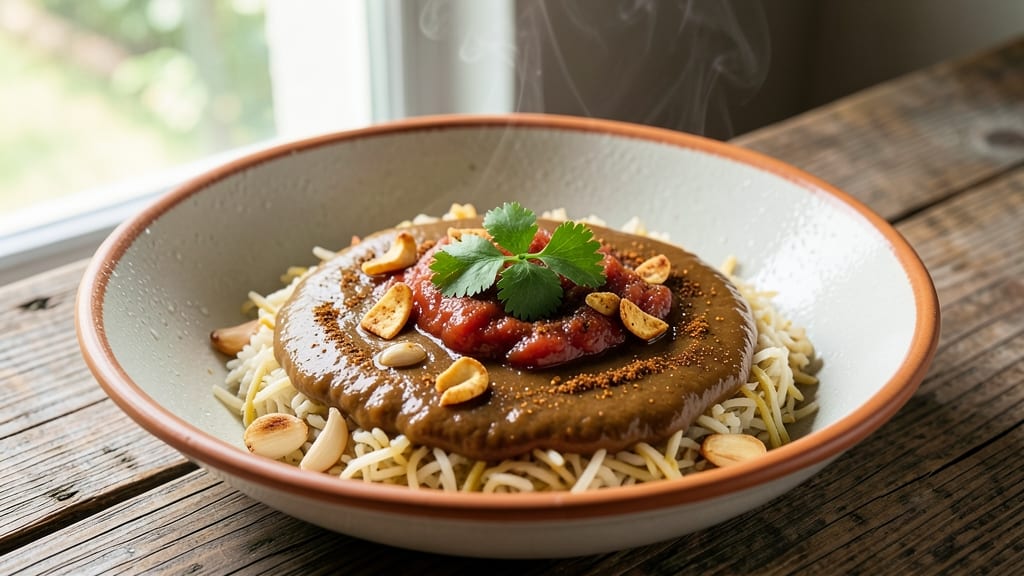
This African sauce recipe transforms simple ingredients into a complex, aromatic blend that elevates grilled meats, rice, and stews with restaurant-quality depth. The key lies in balancing bold spices—like smoked paprika, ginger, and garlic—with rich tomato and peanut bases, creating a sauce that’s both vibrant and versatile.
I developed this after years of experimenting with West African flavors, and it’s become my go-to for adding authentic warmth to any dish.
The beauty of this sauce is its adaptability—whether you’re cooking a hearty chicken stew or a simple bowl of jollof rice, it delivers layers of flavor without overpowering the main ingredients.
The process is straightforward: toast whole spices in oil to unlock their aromatic potential, then simmer with tomatoes, peanuts, and broth until thick and velvety. What you’ll end up with is a sauce that’s rich, slightly sweet, and packed with earthy, spicy notes that linger on the palate.
This recipe yields about 2 cups of sauce, perfect for 4 servings, and keeps well in the fridge for up to 5 days or frozen for 3 months. The peanut base adds creaminess, while the tomato and spice blend ensures a balance of sweet, smoky, and tangy flavors.
It’s vegetarian-friendly and can be made vegan by using vegetable broth and skipping honey if needed. The sauce’s depth comes from slow cooking, allowing the spices to meld and develop into a harmonious, complex flavor profile.
Use it as a marinade for grilled meats, a topping for rice, or a base for hearty stews. The possibilities are endless, and the results are consistently impressive. Let’s get started on creating this bold, flavorful sauce that will take your cooking to the next level.
Ingredients for african sauce
Simple ingredients, bold flavors—this sauce is your secret weapon for grilled meats and rice dishes.
| Ingredient | Amount | Notes |
|---|---|---|
| Extra-Virgin Olive Oil 🫒 | ½ cup | High-quality, fruity variety |
| Smoked Paprika 🌶️ | 2 tbsp | For deep smoky flavor |
| Ground Ginger 🌿 | 1 tbsp | Freshly ground preferred |
| Garlic Cloves 🧄 | 5 cloves | Peeled and roughly chopped |
| Peanut Butter 🥜 | ½ cup | Natural, unsweetened preferred |
| Tomato Paste 🍅 | ½ cup | High-quality, no sugar added |
| Vegetable Broth 💧 | 1 ½ cups | Low-sodium preferred |
| Honey 🍯 | 1 tbsp | Optional for sweetness |
| Lemon Juice 🍋 | 1 tbsp | Freshly squeezed |
| Salt 🧂 | 1 tsp | Adjust to taste |
| Black Pepper 🌶️ | ½ tsp | Freshly ground |
The peanut butter and tomato paste are the sauce's soul. Natural, unsweetened peanut butter from Trader Joe's or Skippy keeps things balanced—no added sugars or oils. For tomato paste, Muir Glen or Rao's are my go-tos; they’re rich and consistent. Smoked paprika is non-negotiable here—Penzeys or Goya brands deliver that authentic smoky depth. Garlic? Fresh is best, but if you’re in a pinch, jarred minced works. Just toast it in the oil first to wake up those flavors. Ginger can be fresh or ground, but freshly ground has way more punch—spice markets often sell pre-ground ginger that’s fresher than the grocery store stuff.
No peanut butter? Substitute tahini at the same amount—it’s got a similar richness. Short on tomato paste? Canned crushed tomatoes work in a bind, but you’ll need about 1 cup. Want extra depth? Add 1 tsp of fish sauce for umami (trust me, it’s amazing). No honey? Maple syrup or agave works too, but honey’s the classic. The broth can be beef or chicken if you’re not vegan—just adjust the salt. And if you’re feeling fancy, toasted peanuts instead of peanut butter add texture (blend them first).
This sauce keeps beautifully—5 days in the fridge or 3 months frozen. For freezing, portion it into ice cube trays first; it’s perfect for single-use servings later. If it thickens too much, just stir in a splash of water or broth. The flavors actually improve overnight, so make a double batch if you’re planning to use it over a few meals. Store it in a jar with a tight lid, and it’ll stay vibrant and ready to elevate any dish.
Why You'll Love This Recipe
- Pantry Magic: This sauce comes together with stuff you already have—no last-minute grocery runs. I’ve made it with olive oil straight from my kitchen, a jar of peanut butter from the back of the pantry, and spices that sit in my spice rack collecting dust. Honestly, the only thing I need to buy is fresh ginger if I don’t have it, but even then, it’s one ingredient for a whole week’s worth of flavor.
- Smoky-Sweet Fix: That smoky paprika and peanut butter combo? It’s the kind of flavor that makes you pause mid-bite. The garlic cloves sizzle in the olive oil until they’re golden and fragrant, then the ground ginger adds this warm, earthy kick—like a hug in sauce form. Between us, it’s the secret weapon for when I want something rich but not heavy.
- Meal Prep MVP: I make a big batch on Sundays and use it all week—tossed with roasted veggies, drizzled over grilled chicken, or stirred into rice. It even freezes like a dream, so I’ve got a backup for lazy nights. My roommates call it the “emergency sauce” because it turns whatever’s left in the fridge into something special.
- Budget Booster: Peanut butter and spices don’t break the bank, and a little goes a long way. I’ve fed four people for under $10 with this sauce as the star. Plus, it’s the kind of dish that tastes expensive but costs next to nothing—my wallet and my taste buds both win.
Step-by-step instructions for African sauce recipe
This bold spice blend comes together in minutes with simple techniques.
Bloom the Spices in Olive Oil
Heat the 0.5 cup extra-virgin olive oil in a medium saucepan over medium heat. Once the oil shimmers, add the 2 tablespoons smoked paprika and 1 tablespoon ground ginger, stirring constantly for 30 seconds. You'll see the spices release their aroma immediately—the pan should smell rich and earthy. This step develops the sauce's deep, smoky foundation.
Don't walk away. The spices burn quickly, and you want them to toast gently, not scorch. After 30 seconds, reduce heat to low and let the spices bloom for another 1 minute. You'll notice the oil becomes slightly darker and more fragrant—this is exactly what you want.
Add Garlic and Tomato Paste
Push the spices to one side of the pan and add the 5 peeled garlic cloves. Stir them gently for 30 seconds until they turn golden around the edges but don't burn. Then add the 0.5 cup tomato paste and mix well to combine with the spices. The paste should melt into the oil, creating a thick, glossy base.
Cook for 2-3 minutes on low heat, stirring occasionally, until the tomato paste darkens slightly and the mixture smells intensely savory. This step builds the sauce's rich, umami depth. If the paste sticks, add 1 tablespoon vegetable broth to loosen it.
Incorporate Peanut Butter and Broth
Lower the heat to medium-low and stir in the 0.5 cup peanut butter and 1.5 cups vegetable broth. The peanut butter will thicken the sauce immediately, creating a velvety texture. Use a wooden spoon to scrape up any browned bits from the bottom of the pan—these contain concentrated flavor.
Bring the mixture to a gentle simmer and let it cook for 5 minutes, stirring occasionally. You'll see the sauce thicken as the peanut butter and broth meld together. If it becomes too thick, add 1-2 tablespoons more broth to reach your desired consistency.
Finish with Sweet and Tangy Flavors
Stir in the 1 tablespoon honey and 1 tablespoon lemon juice, mixing well to combine. The honey will mellow the heat slightly, while the lemon juice adds brightness that cuts through the richness. Taste and adjust seasoning with the 1 teaspoon salt and 0.5 teaspoon black pepper—this sauce should balance sweet, smoky, and tangy flavors.
Let the sauce simmer for another 3-4 minutes until it reaches your preferred thickness. It should coat the back of a spoon but still be pourable. For grilled meats, a slightly thinner consistency works best, while for rice, you might prefer it thicker. Serve immediately over grilled chicken, fish, or steamed rice.
Pro Tips For Making African Sauce
- Bloom the Spices First: Heat your olive oil until it shimmers—then toss in the smoked paprika and ground ginger for 30 seconds before adding garlic. I learned this the hard way: skipping this step makes the sauce taste raw and bitter. The spices release their depth right away, and the garlic won’t burn as fast.
- Toast the Peanut Butter: Warm the peanut butter with the oil on low heat for 2 minutes before adding liquids. It smooths out the texture and deepens the nutty flavor—no lumps, no weird aftertaste. (Yes, even if it looks weird melting into the oil.)
- Crush Garlic Like a Pro: Smash the garlic cloves flat with the side of your knife before mincing—this keeps them from burning and maximizes flavor. I used to chop them finely and they’d turn bitter halfway through. A few extra seconds here saves the whole sauce.
- Simmer Slow and Steady: Reduce the heat to medium-low once everything’s combined and let it bubble gently for 10 minutes. Rushing it makes the peanut butter separate or the sauce turn grainy. Patience here guarantees a silky, cohesive texture—no thin, sad sauce.
Storing and reheating this dish
Fridge Storage Tips
Transfer your sauce to an airtight glass container—I prefer Mason jars or Pyrex storage containers—and let it cool completely before refrigerating. The sauce will thicken slightly in the fridge, but a quick stir with 1-2 tablespoons of water or broth restores its ideal consistency.
Store it for up to 5 days, but I recommend making fresh batches weekly to capture peak flavor. The peanut butter and spices retain their richness best when fresh. 💪
Freezer Prep
For longer storage, portion the sauce into ice cube trays—each cube makes a perfect single-use serving later. Once frozen, transfer the cubes to a freezer bag with all air removed to prevent freezer burn.
This sauce keeps for 3 months without losing its vibrant flavor profile. When ready to use, thaw overnight in the fridge or quickly in a saucepan over low heat with a splash of broth. 🧊
Reheating Methods
My preferred method is stovetop reheating—simmer the sauce in a saucepan over medium-low heat for 3-5 minutes, stirring occasionally. Add 1-2 tablespoons of water or broth if it thickens too much.
For microwave reheating, transfer to a microwave-safe bowl and heat in 20-second intervals, stirring between each, until warmed through. Never microwave on high power—it can split the sauce's delicate balance of flavors. 🔥
Thickness Adjustments
If your sauce thickens after storage, thin it with warm water or broth—start with 1 tablespoon at a time and stir until smooth. For extra richness, add a dash of peanut butter or a teaspoon of olive oil.
The sauce should be pourable but still coat the back of a spoon—this consistency works perfectly for drizzling over grilled meats or rice. 🥄
Flavor Refresh
After reheating, taste and adjust seasonings—this sauce often needs a pinch of salt or a squeeze of lemon juice to brighten it up. If the smoky flavors seem muted, add ½ teaspoon of smoked paprika or a crushed garlic clove to revive its depth.
A sprinkle of fresh cilantro or parsley adds a fresh finish before serving. 🌿
Meal Prep Strategy
Double the recipe and store half in the fridge for immediate use while freezing the other half. This way, you always have a flavorful sauce ready for spontaneous meals. Label containers with the date—fresh sauce tastes best within 5 days of making it.
I keep a batch in my freezer at all times for quick weeknight cooking. ✨
Nutrition facts
Frequently asked questions
Can I make this sauce without peanut butter?
For a nut-free version, substitute ½ cup tahini or ¼ cup coconut milk blended with 1 tablespoon olive oil. Tahini adds a similar richness while keeping the sauce creamy. If you prefer a lighter texture, use ¼ cup tomato paste plus ½ cup vegetable broth instead. The sauce will still pack bold flavors without peanuts.
How spicy is this sauce, and can I adjust the heat?
The recipe balances smoky and earthy flavors with mild heat from ginger and garlic. For extra spice, add ½ teaspoon cayenne pepper or 1 chopped Scotch bonnet pepper when blooming the spices. To mellow it, reduce the ginger to ½ teaspoon or add 1 extra tablespoon honey at the end. Always taste as you go!
What’s the best way to use leftover sauce?
This sauce is incredibly versatile! Use it as a marinade for grilled chicken or fish (30–60 minutes before cooking), a drizzle over steamed rice or couscous, or a base for hearty stews. For extra richness, stir in 1 tablespoon melted butter or coconut cream before serving. It also works as a dipping sauce for fried plantains or samosas.
Why did my sauce turn out too thick or too thin?
Thickness depends on cooking time and liquid ratios. If it’s too thick, whisk in 1–2 tablespoons warm broth or water until smooth. For a thinner sauce, add ¼ cup extra broth during cooking. Pro tip: Simmer uncovered to evaporate excess moisture. If using peanut butter, ensure it’s unsweetened and natural—sweetened versions can alter texture.
Is this sauce gluten-free or vegan?
This recipe is naturally vegetarian and can be easily adapted for vegan diets by using vegetable broth and omitting honey (substitute maple syrup or agave). For gluten-free, check your tomato paste and broth labels—most store-bought versions are gluten-free, but some contain wheat. The spices and peanut butter are always safe for gluten-free diets.