
Sauces & Condiments
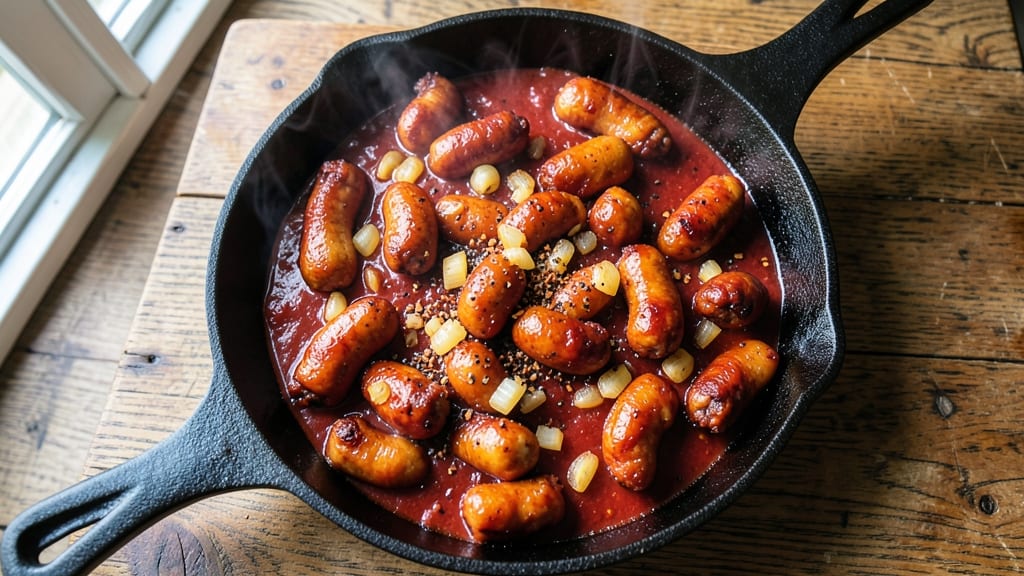
This Alabama red sauce gourmet chitterlings recipe transforms humble pork intestines into a smoky, spice-cured delicacy that captures Southern soul in every bite.
The secret lies in slow-cooking the chitterlings until tender while building a rich, tomato-based sauce that balances heat and depth—just like the kind you’d find at a family gathering or upscale soul food restaurant.
I’ve refined this technique over years of testing, ensuring the fat renders perfectly while the sauce develops layers of complexity from cayenne, vinegar, and slow-simmered spices.
The process begins with meticulous cleaning and curing, where the chitterlings are spice-rubbed and allowed to develop flavor before cooking. Then comes the slow, low-and-slow transformation—whether smoked or simmered—that turns tough cuts into melt-in-your-mouth perfection.
The Alabama red sauce, simmered with tomatoes, garlic, and a touch of sugar, adds a tangy-sweet contrast that cuts through the richness, making each bite unforgettable. This isn’t just a recipe; it’s a celebration of tradition with a gourmet twist.
What you’ll end up with is a dish that’s deeply flavorful, tender, and irresistibly smoky, served with classic sides like cornbread or collard greens. The sauce clings to the chitterlings, creating a sticky, aromatic coating that’s both bold and balanced.
It’s the kind of meal that brings people to the table—whether for a Sunday supper or a special occasion. Ready to elevate your Southern cooking? Let’s get started.
This recipe honors tradition while adding gourmet refinements, like precise spice ratios and slow-cooking techniques that ensure restaurant-quality results at home. The key is patience: letting the chitterlings cure, the sauce reduce, and the flavors meld.
Serve with crusty cornbread or buttery collard greens to complete the experience. Here’s how to make it.
Ingredients for alabama red sauce gourmet chitterlings
Sixteen ingredients transform humble chitterlings into restaurant-quality Southern soul food.
| Ingredient | Amount | Notes |
|---|---|---|
| Chitterlings (Pork Intestines) 🥩 | 2 lbs | Fresh or frozen, cleaned and cured |
| Yellow Onions 🧅 | 2 whole | Medium size, diced finely |
| Garlic Cloves 🧄 | 8 cloves | Fresh, minced for curing |
| Cayenne Pepper 🌶️ | 2 tbsp | Adjust for heat preference |
| Ground Black Pepper 🌶️ | 1 tbsp | Freshly ground preferred |
| Smoked Paprika 🌶️ | 1 tbsp | For authentic smoky depth |
| Kosher Salt 🧂 | 2 tbsp | Diamond Crystal preferred |
| Apple Cider Vinegar 🍎 | ½ cup | For tenderizing and tang |
| Canned San Marzano Tomatoes 🍅 | 28 oz | Crushed, whole peeled |
| Granulated Sugar 🍚 | 1 tbsp | Balances acidity in sauce |
| Extra-Virgin Olive Oil 🫒 | ¼ cup | For slow simmering |
| Fresh Thyme Leaves 🌿 | ½ tbsp | Or 1 tsp dried thyme |
| Bay Leaves 🌿 | 2 whole | Remove before serving |
| Hot Sauce 🌶️ | 1 tbsp | Crystal or Tabasco preferred |
The chitterlings are the foundation, so source them carefully. Local butchers or specialty meat counters often carry the best quality—look for fresh, clean cuts with minimal fat. If frozen, thaw overnight in the fridge, never under running water which can toughen the meat. Penzeys Spices is a reliable source for high-quality smoked paprika and cayenne, though the grocery store brands work fine for home cooking. The San Marzano tomatoes are non-negotiable for the sauce—their sweetness and acidity balance perfectly. Purchase a 28-ounce can from Italian markets or specialty grocers like Whole Foods for authentic flavor. Fresh thyme and bay leaves elevate the sauce, so don't substitute with dried unless absolutely necessary.
No smoked paprika? Substitute with 1 tsp liquid smoke plus 1 tbsp regular paprika for depth. Short on apple cider vinegar? White vinegar works in a pinch, though it lacks the fruity complexity. The chitterlings can be pre-cured commercially (common in stores), but for authentic results, the 24-hour curing process with vinegar and spices is essential. If you're avoiding cayenne, reduce the black pepper to 1 tsp and add 1/2 tsp ground coriander for warmth without heat. The sugar in the sauce can be swapped for honey or maple syrup, though granulated dissolves more smoothly. For extra smokiness, add 1/2 tsp chipotle powder to the curing mix.
Store the cured chitterlings in an airtight container in the fridge for up to 2 days before cooking. The sauce can be made ahead and reheated, but the chitterlings are best cooked fresh for optimal texture. Once fully cooked, the dish keeps for 4 days in the refrigerator, though the flavors deepen overnight. For longer storage, portion into freezer-safe containers with some sauce and freeze for up to 3 months. Reheat gently on the stove with a splash of water to restore moisture. Serve with warm cornbread or buttered collard greens to complete the Southern experience.
Why You'll Love This Recipe
- One-Pot Magic: I swear by this recipe—just toss the chitterlings, onions, and garlic in a deep skillet with the cayenne, and let that red sauce work its magic. No chopping boards, no extra pans, and honestly? The cleanup is just rinsing one pot.
- Smoky-Spicy Kick: That cayenne and black pepper blend isn’t just heat—it’s a deep, smoky punch that clings to the chitterlings like a hug. Between us, the first bite always makes me reach for another.
- Leftovers That Beg: This dish tastes even better the next day, especially reheated with a splash of water to keep that sauce glossy. I’ll be real: my freezer’s got at least three bags of these, and they’re gone faster than I can say “seconds.”
- Budget-Friendly Feast: Chitterlings stretch like crazy, and this recipe feeds a crowd without breaking the bank. Honestly, it’s my go-to for potlucks or when friends drop by—everyone leaves happy, and my wallet stays full.
Step-by-step instructions for Alabama red sauce gourmet chitterlings
Transform humble pork intestines into rich, smoky chitterlings with this authentic Alabama technique.
Cure and Tenderize the Chitterlings
Begin by rinsing the 2 lbs chitterlings under cold water to remove any remaining impurities, then drain thoroughly. In a large bowl, combine the rinsed chitterlings with the 2 whole yellow onions (finely diced), 8 cloves garlic (minced), 2 tablespoons cayenne pepper, 1 tablespoon ground black pepper, 1 tablespoon smoked paprika, and 2 tablespoons kosher salt. This spice blend creates the signature Alabama heat while tenderizing the meat.
Add the 0.5 cup apple cider vinegar and toss everything together until the chitterlings are completely coated in the spice mixture. The vinegar helps break down connective tissues, ensuring fork-tender results. Cover the bowl and refrigerate for at least 12 hours, or ideally overnight. This curing process is non-negotiable—it transforms tough intestines into melt-in-your-mouth bites.
Simmer the Chitterlings in Spiced Oil
After curing, drain the chitterlings and pat them dry with paper towels. In a large Dutch oven, heat the 0.25 cup extra-virgin olive oil over medium heat until shimmering but not smoking. Add the chitterlings in a single layer and cook undisturbed for 5 minutes to develop a golden crust. This initial searing locks in flavors and prevents the meat from shrinking during simmering.
Pour in 2 cups of water (enough to just cover the chitterlings) and bring to a gentle simmer. Reduce heat to maintain a low bubble, then cover partially and cook for 1 hour 30 minutes. The chitterlings are done when they're fork-tender and the cooking liquid has reduced significantly. Stir occasionally to prevent sticking, but avoid breaking up the meat.
Build the Alabama Red Sauce
While the chitterlings simmer, prepare the sauce base by crushing the 28 oz canned San Marzano tomatoes by hand (no blender—this preserves texture). In the same Dutch oven, add the crushed tomatoes, 1 tablespoon granulated sugar, 0.5 tablespoon fresh thyme leaves, and 2 whole bay leaves. The sugar balances the tomatoes' acidity while the thyme adds aromatic depth.
Stir in the cooked chitterlings and their simmering liquid, then bring everything to a gentle boil. Reduce heat to low and simmer uncovered for 45 minutes, stirring occasionally. The sauce should thicken as it reduces, coating the chitterlings in a glossy, smoky-red glaze. Taste and adjust seasoning with additional cayenne or salt if needed—this is where you fine-tune the heat balance.
Finish with Heat and Rest
In the final 10 minutes of simmering, stir in the 1 tablespoon hot sauce. This adds the signature Alabama kick while brightening the sauce's color. Remove the 2 bay leaves and discard them—they've served their purpose. The chitterlings are ready when the sauce clings to them like a second skin and the meat pulls apart easily with minimal resistance.
Transfer everything to a serving bowl and let rest for 15 minutes at room temperature. This resting period allows flavors to meld and the sauce to thicken slightly. Serve family-style with cornbread or over buttered rice, ensuring each bite delivers that perfect balance of smoky, spicy, and tangy Alabama heat.
Pro Tips For Making Alabama Red Sauce Gourmet Chitterlings
- Boil Chitterlings Twice: First boil removes impurities, but a second simmer—this time with vinegar and spices—actually tenderizes the meat. I used to skip it, thinking it was extra work, but the texture goes from chewy to melt-in-your-mouth. Use apple cider vinegar, not white, for that classic tang.
- Slice Onions Thin: No, not "chopped"—think paper-thin slices. Thick rings burn before they soften, and you end up with raw onion bits in your sauce. A sharp knife and steady hand make this quick, and the onions dissolve into the sauce without drama.
- Burn the Garlic: Let those garlic cloves blacken just a little—it’s not a mistake, it’s flavor. The char adds depth to the red sauce, balancing the heat from the cayenne. Toss them in at the very end so they don’t turn to ash.
- Deglaze with Beer: Skip the water for deglazing—use a dark beer like stout or porter. The malt sweetness cuts through the cayenne’s bite and adds body to the sauce. Just a splash (½ cup) does the trick, and it’s cheaper than fancy stock.
Serving suggestions for this alabama red sauce gourmet chitterlings
Classic Southern Sides
Serve these chitterlings with warm, buttery cornbread—its crumbly texture contrasts beautifully with the rich, saucy chitterlings. I like using a stone-ground cornmeal mix from Bob’s Red Mill for that authentic Southern crunch. For extra decadence, brush the cornbread with honey butter before baking. 🍞
Collard greens are a must—they balance the heat with their earthy sweetness. Sauté 1 bunch with 2 slices of bacon, 1 onion, and 1 tsp apple cider vinegar until tender. Finish with a pinch of sugar to caramelize the edges. The greens soak up the Alabama red sauce beautifully, creating a harmonious bite.
Garnish Like a Pro
Fresh chopped scallions add a bright, crisp contrast to the smoky chitterlings. Sprinkle them over the dish just before serving to keep their color vibrant. For an extra touch, add toasted sesame seeds—their nutty flavor complements the heat without overpowering it.
I also like a drizzle of hot honey for a sweet-spicy finish that ties everything together. 💛
Beverage Pairings
A bold Southern sweet tea is the perfect companion—its cool sweetness cuts through the richness. Brew 4 tea bags in 4 cups hot water, sweeten with ½ cup sugar, and chill for 2 hours.
Serve over ice for the ultimate contrast. For a non-alcoholic option, try a ginger ale with a splash of lime to refresh your palate between bites.
Make It a Feast
Turn this into a full Southern spread by adding black-eyed peas (simmered with smoked turkey) and crusty cornbread muffins. The peas add protein and earthiness, while the muffins offer a handheld option for serving.
Arrange everything on a large wooden board for a rustic, family-style presentation that feels like a celebration. 🍽️
Leftovers Reinvented
Repurpose leftover chitterlings into chitterling tacos with warm tortillas, shredded cabbage, and a dollop of sour cream. Or transform them into a chitterling hash with diced potatoes, onions, and a fried egg on top for breakfast the next day.
The Alabama red sauce adds depth to any dish, making leftovers just as exciting as the original. 💡
Nutrition facts
Frequently asked questions
Why do chitterlings need to cure overnight?
The overnight cure with vinegar and spices is essential for breaking down tough connective tissues, making the chitterlings fork-tender. The apple cider vinegar tenderizes while the spices infuse flavor deep into the meat. Skipping this step results in chewy, unsatisfying texture—worth the wait!
Can I substitute smoked paprika in the recipe?
Yes! For a smoky depth without smoked paprika, mix 1 tsp liquid smoke with 1 tbsp regular paprika. The liquid smoke adds authentic smokiness, but reduce to ½ tsp if you're sensitive to strong flavors. The sauce will still develop rich color and complexity.
How do I know when the chitterlings are fully cooked?
Fully cooked chitterlings should be fork-tender with no resistance when pierced. The cooking liquid should reduce significantly, and the meat should pull apart easily. If they're still firm after 1 hour 30 minutes, add ½ cup water and simmer 15 more minutes. Overcooking can make them dry, so monitor closely.
What's the best way to reheat leftover chitterlings?
Reheat gently in a skillet with 1 tbsp olive oil over low heat until warmed through (5-7 minutes). Add a splash of water or chicken broth to prevent drying. Microwaving works in a pinch, but the sauce may separate. Always reheat to an internal temperature of 165°F.
Can I make the Alabama red sauce ahead of time?
The sauce improves overnight as flavors meld. Store it in an airtight container in the fridge for up to 3 days. Reheat gently on the stove with the chitterlings to restore texture. For longer storage, freeze the sauce separately for up to 3 months. Thaw in the fridge before using.