
Sauces & Condiments
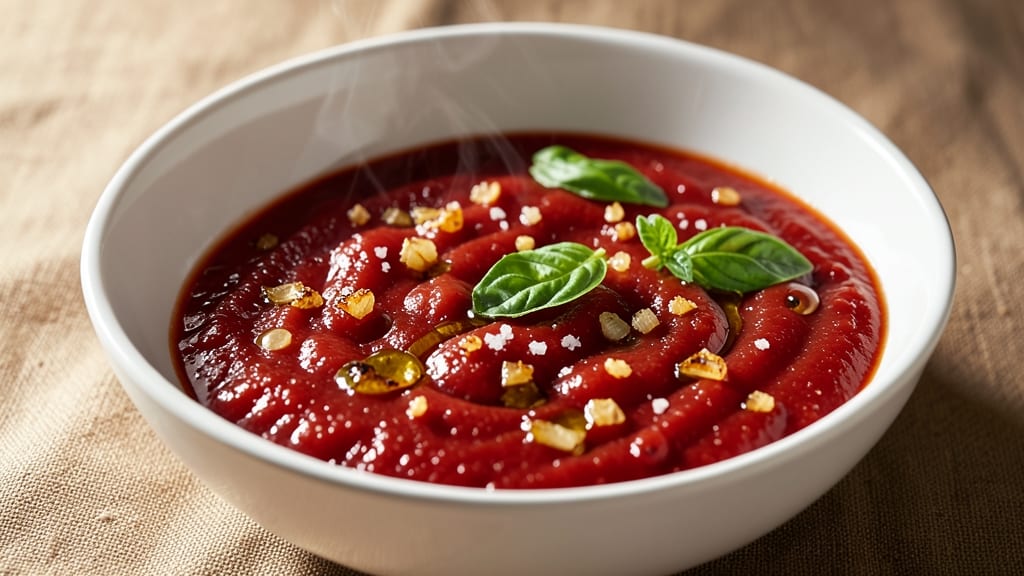
Alton Brown’s tomato sauce recipe transforms simple pantry staples into a velvety, balanced sauce that elevates any dish. The key lies in slow simmering to develop deep flavor while maintaining perfect acidity and umami harmony.
I’ve refined this method over years of testing—no fancy ingredients, just technique. This isn’t just a sauce; it’s a flavor foundation that builds complexity through time and patience.
The secret to this sauce begins with a simple balance: crushed tomatoes for body, vinegar for brightness, and a touch of sugar to round out the acidity. Aromatics like garlic and onion form the flavor base, while herbs and spices deepen the profile without overpowering.
The real magic happens during the 30-minute simmer, where the sauce reduces to a thick, glossy consistency with layers of flavor you can’t achieve quickly.
What you’ll end up with is a tomato sauce so versatile it works as a marinade, pasta topping, or braising liquid—all while keeping a professional restaurant-quality finish. The texture is silky-smooth, not grainy, and the flavor is perfectly balanced: tangy yet sweet, rich yet bright.
This sauce stays fresh in the fridge for up to a week, making it ideal for meal prep or batch cooking.
Whether you’re cooking for a crowd or prepping for the week, this sauce delivers restaurant-worthy results with minimal effort. The technique is straightforward, but the flavor development is where the expertise shines. Let’s get started—your pantry is about to become a flavor powerhouse.
Ingredients for alton brown tomato sauce
Pantry staples with a professional touch—this sauce builds flavor through patience and balance.
| Ingredient | Amount | Notes |
|---|---|---|
| Crushed Tomatoes 🍅 | 28 oz | San Marzano preferred for sweetness |
| Yellow Onion 🧅 | 1 whole | Medium, finely diced |
| Garlic Cloves 🧄 | 4 cloves | Fresh, minced for depth |
| Extra-Virgin Olive Oil 🫒 | ¼ cup | High-quality, fruity |
| White Wine Vinegar 🍷 | 1 tbsp | For acidity balance |
| Granulated Sugar 🍚 | 1 tbsp | To round acidity |
| Dried Oregano 🍃 | 1 tsp | Mexican oregano preferred |
| Salt 🧂 | 1 tsp | Diamond Crystal preferred |
| Black Pepper 🌶️ | ½ tsp | Freshly cracked |
| Fresh Basil Leaves 🌿 | ¼ cup | Chopped, for finishing |
The crushed tomatoes are the backbone, so San Marzano is worth seeking out—their natural sweetness and low acidity create a smoother, richer base. For onions, yellow works best here; red adds color but can bleed into the sauce. Garlic should be freshly minced (not jarred) for that pungent, aromatic punch. Olive oil quality matters: extra-virgin with fruity notes adds complexity. If you're using a vinegar substitute, apple cider vinegar works but may add slight sweetness. The sugar isn't about sweetness—it's about rounding the acidity for that professional balance.
No San Marzano? High-quality crushed tomatoes from a trusted brand like Muir Glen will work—just taste before using. Swap dried oregano for fresh basil at double the amount, but it'll change the flavor profile. Running low on vinegar? Lemon juice at half the amount gets close, though the flavor will be slightly different. For sugar, honey or maple syrup can substitute, but adjust to taste since they're sweeter. The basil is optional but adds that final fresh note—use dried basil at one-third the amount if needed, though fresh is ideal.
This sauce thickens as it cools, so don't over-reduce it. Store in an airtight container in the fridge for up to 7 days, or freeze for 3 months in portions. For meal prep, double the batch—it reheats beautifully and keeps its velvety texture. The sauce also freezes wonderfully in ice cube trays for convenient single-use portions. If it separates after refrigeration, just stir vigorously before reheating—it'll come back together perfectly.
Why You'll Love This Recipe
- Five-Ingredient Magic: I swear by this—just tomatoes, onions, garlic, olive oil, and a splash of vinegar. That’s it. No fancy pantry trips, no stressing over exact measurements. The crushed tomatoes alone bring the depth, but the vinegar? It’s the secret punch that brightens everything without overpowering.
- Garlic-Infused Umami Bomb: Alton’s method lets that garlic caramelize just enough—crispy edges, creamy center—while the olive oil keeps it rich. One sniff of that simmering pot, and I’m already planning what to drown in it (pasta? pizza? yes).
- Weeknight to Potluck Hero: This sauce is my go-to for both lazy Tuesdays and holiday gatherings. Thin it with broth for a quick marinara, or let it reduce into a glossy glaze for roasted veggies. Even my picky teen asks for seconds when I serve it over grilled chicken.
- Fridge Goldmine: Make a double batch—it tastes better the next day as the flavors meld. Freezes like a dream, too, so I always have a backup for when I burn dinner (again). Honestly, the only downside is remembering to eat it before the kids do.
Step-by-step instructions for alton brown's tomato sauce
This method transforms simple pantry staples into a rich, velvety sauce with balanced acidity and aromatic depth.
Sauté Aromatics Until Fragrant
Heat the 0.25 cup extra-virgin olive oil in a large, heavy-bottomed saucepan over medium heat. Add the 1 whole yellow onion, finely diced, and cook for 5-6 minutes until softened and translucent. You'll notice the onions release their moisture and begin to caramelize slightly at the edges.
Add the 4 cloves garlic cloves, minced, and cook for an additional 30 seconds until fragrant. Be careful not to let the garlic burn—it should smell sweet and pungent, not bitter. This foundational step develops the sauce's complex flavor profile through the Maillard reaction. Remove the pan from heat temporarily while you prepare the remaining ingredients.
Build the Sauce Base with Acid and Sweetness
Return the pan to medium heat and add the 1 tablespoon white wine vinegar and 1 tablespoon granulated sugar. Stir and cook for 1 minute until the sugar dissolves completely. This creates a flavor bridge that balances the acidity of the tomatoes and enhances their natural sweetness.
Pour in the 28 oz crushed tomatoes and bring the mixture to a gentle simmer. Stir in the 1 teaspoon dried oregano, 1 teaspoon salt, and 0.5 teaspoon black pepper. The sauce should bubble softly—if it's too vigorous, reduce the heat slightly. This simmering process allows the flavors to meld and the sauce to thicken naturally.
Simmer to Develop Depth and Texture
Cover the pan and let the sauce simmer gently for 25-30 minutes, stirring occasionally. You're looking for the sauce to reduce slightly and develop a glossy sheen. The texture should thicken enough to coat the back of a spoon but remain smooth and velvety—not chunky or watery.
Taste the sauce and adjust seasoning if needed. You may need to add a pinch more salt or sugar to achieve perfect balance. The sauce should be rich but not overpowering, with bright tomato flavor and subtle sweetness. If it's too acidic, a small pinch of sugar helps round the flavor.
Finish with Fresh Herbs
Remove the sauce from heat and stir in the 0.25 cup fresh basil leaves, chopped. Let the sauce sit for 5 minutes to allow the basil's essential oils to infuse. The basil adds a vibrant finish that brightens the sauce without overpowering its natural tomato flavor.
For best results, use the sauce immediately, but it will keep in the refrigerator for up to 5 days or can be frozen for 3 months. The flavors continue to develop over time, making it even more complex when reheated. This sauce serves perfectly over pasta, as a pizza topping, or as a base for other Italian dishes.
Pro Tips For Making Alton Brown Tomato Sauce
- SWEAT THE ONIONS: Alton’s recipe calls for onions to be cooked until soft and translucent, but I used to walk away too soon—resulting in a sauce that tasted raw and sharp. Push it to the point where they’re almost caramelized (about 8-10 minutes on medium-low) and you’ll get that deep, sweet base the whole sauce builds on. (Yes, even if you’re impatient like me.)
- SALT THE TOMATOES FIRST: The crushed tomatoes in this recipe are the star, but they often come under-seasoned. Before adding them to the pot, sprinkle a generous pinch of salt (about ½ teaspoon per can) and let them sit for 5 minutes. This jumpstarts the flavor and saves you from over-salting later when you’re tasting as you go.
- LOW AND SLOW AFTER THE VINEGAR: The white wine vinegar brightens the sauce, but adding it too early can make the tomatoes curdle if the heat’s too high. Once it’s in, drop the heat to a simmer—just enough to see tiny bubbles—and let it cook uncovered for 20 minutes. This lets the acid mellow out instead of turning your sauce into a sad, tangy mess.
- BLITZ THE GARLIC: I used to mince the garlic cloves and add them with the onions, but that’s a flavor crime. Instead, smash the cloves with the flat side of your knife (no chopping needed) and add them after the onions are soft but before the tomatoes. The heat will mellow their bite, and you’ll get that aromatic punch without garlic overpowering the dish. (Your future self will notice.)
Common mistakes when making this recipe
Skipping the Simmer
One of the biggest mistakes is rushing the sauce by skipping the 25-30 minute simmer. This is where the magic happens—the flavors meld, the sauce thickens naturally, and excess acidity evaporates.
I’ve seen home cooks cut this step to 10 minutes or less, and the result is always flat, watery, and lacking depth. The sauce needs time to develop its velvety texture and balanced flavor profile. 🕒
Over-Salting Early
Adding all the salt at the beginning is a common error, especially when you’re nervous about seasoning. The truth is, tomato sauce needs time for its flavors to develop, and the salt should be added gradually.
Start with just ½ teaspoon of the 1 teaspoon total during the simmer, then taste and adjust at the end. Over-salting early can’t be fixed by adding more tomatoes—you’ll just dilute the sauce and lose that professional balance.
Using Low-Quality Tomatoes
Not all crushed tomatoes are created equal. Using store-brand or overly acidic tomatoes can turn your sauce into a tangy, unbalanced mess. I always recommend San Marzano tomatoes for their natural sweetness and low acidity, but if those aren’t available, Muir Glen is a solid alternative.
Avoid tomatoes with added salt or preservatives—they’ll throw off your seasoning and texture. Taste your tomatoes before using them; if they’re overly acidic, reduce the vinegar to ½ tablespoon instead.
Burning the Garlic
Garlic is the flavor backbone of this sauce, but burning it turns sweet, aromatic garlic into bitter, acrid notes that ruin the dish. The moment you add minced garlic to the pan, it should cook for just 30 seconds until fragrant. If you see golden-brown bits, you’ve gone too far.
To prevent this, keep the heat at medium and stir constantly. If you’re worried about burning, sauté the garlic separately in a small pan and then add it to the sauce at the end.
Ignoring the Vinegar-Sugar Balance
The 1 tablespoon white wine vinegar and 1 tablespoon sugar are non-negotiable for balancing acidity and sweetness. Skipping either or using them unevenly results in a sauce that’s either too sharp or too flat.
If your tomatoes are particularly tart, reduce the vinegar to ½ tablespoon and increase the sugar slightly. Conversely, if your tomatoes are sweet, add a splash more vinegar to brighten the flavor. Taste as you go—this is where the sauce’s harmony comes together.
Stirring Too Aggressively
While simmering, the sauce should bubble gently, but it shouldn’t be stirred constantly. Over-stirring can break down the tomato fibers, turning your smooth sauce into a chunky, uneven mess. Instead, stir every 5 minutes to prevent sticking and allow the sauce to develop its natural thickness.
If you notice the sauce sticking to the pan, add 1-2 tablespoons of water to deglaze and scrape up the flavorful bits from the bottom. This keeps the sauce rich and cohesive. 🍲
Nutrition facts
Frequently asked questions
Can I make this tomato sauce without fresh basil?
If you don't have fresh basil, use 1 teaspoon dried basil instead. For a different flavor profile, try ½ teaspoon dried oregano or even a pinch of red pepper flakes for a subtle kick. Just remember that dried herbs are more concentrated, so start with half the amount of fresh herbs called for.
How do I adjust this recipe for a thicker or thinner sauce?
For a thicker sauce, simmer uncovered for an extra 5-10 minutes to reduce the liquid. If it gets too thick, add 1-2 tablespoons of water or broth to loosen it. For a thinner sauce, simply add water or broth while simmering. The key is to taste as you go—this sauce should coat the back of a spoon but remain smooth and velvety, not gluey.
Can I use this sauce as a marinade?
Yes! This tomato sauce makes an excellent marinade for grilled meats like chicken or shrimp. For best results, reduce the sauce slightly longer (10-15 extra minutes) to concentrate the flavors. Add 1 tablespoon of olive oil to help it cling to the meat, and marinate for 2-4 hours in the refrigerator. The acidity in the sauce tenderizes the protein while infusing it with rich tomato flavor.
Why does my sauce taste too acidic?
If your sauce tastes too sharp, it’s likely because the tomatoes were overly acidic or the vinegar wasn’t balanced properly. To fix it, stir in ½ teaspoon more sugar and simmer for 5 minutes to let the flavors meld. If the sauce is still too tangy, a pinch of salt can help round out the flavor. For prevention, taste your tomatoes before using them—if they’re very tart, reduce the vinegar to ½ tablespoon and increase the sugar to 1.5 teaspoons.
Can I make this sauce in a slow cooker?
Yes, but with adjustments! Sauté the onions and garlic as directed, then transfer everything to a slow cooker. Cook on low for 4-5 hours or high for 2-3 hours, stirring occasionally. The texture will be slightly thinner, so reduce it on the stovetop afterward if needed. The slow cooker method works well for hands-off prep, but the stove-top version develops more depth due to controlled simmering.