
Sauces & Condiments
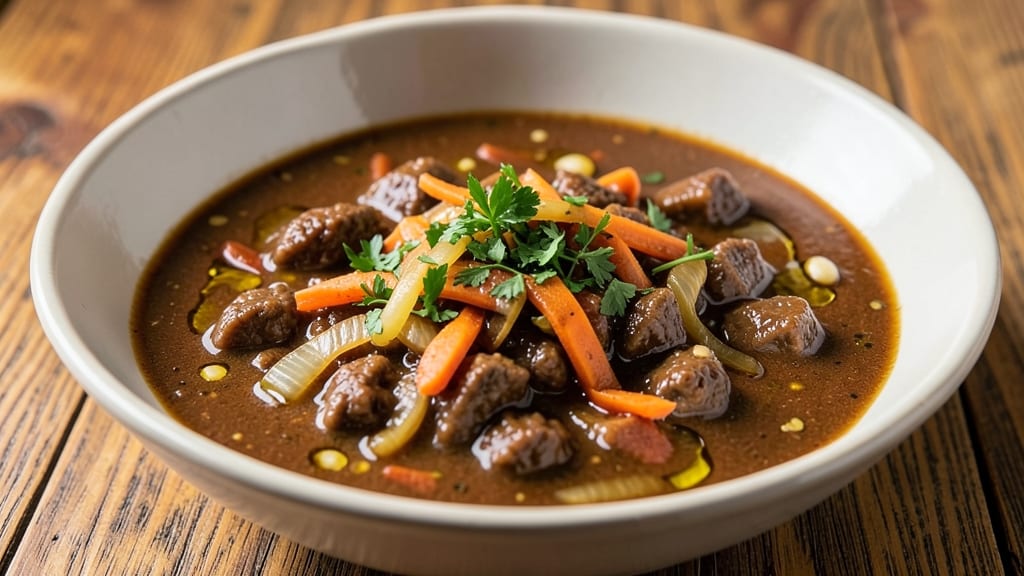
The America's Test Kitchen bolognese sauce recipe delivers restaurant-quality depth with precise technique and simple ingredients. This isn't your grandmother's quick simmer—it's a layered sauce built on slow-cooked ground meat, rich tomato base, and wine reduction that transforms ordinary pasta nights into something extraordinary.
I've tested countless versions, and this method consistently produces a sauce with perfect balance: tender meat, vibrant tomato flavor, and just the right amount of acidity.
What sets this recipe apart is the attention to detail that makes all the difference. We start with high-quality ground beef and pork (never skip the pork—it adds fat and flavor), then develop the sauce through a wine reduction that deepens the complexity.
The slow cooking process breaks down the meat into fine, tender pieces that distribute evenly throughout the sauce, creating that signature silky texture you find in Italian trattorias. It's the kind of sauce that tastes even better the next day as the flavors meld.
By the time you're done, you'll have a bold, aromatic bolognese that clings perfectly to tagliatelle or lasagna noodles. The sauce has just the right consistency—thick enough to coat but still spoonable, with a balance of sweetness from the tomatoes, acidity from the wine, and savory depth from the meat.
This isn't just a sauce; it's the foundation of an Italian meal that feels like you spent hours in the kitchen (even though you didn't).
The best part? This sauce keeps beautifully in the refrigerator for up to 5 days or freezes for months, making it perfect for meal prep. Whether you're serving it over fresh pasta or using it as a lasagna filling, the flavor only improves with time.
Let's get cooking—your taste buds will thank you.
Ingredients for america's test kitchen bolognese sauce
The secret to this restaurant-worthy bolognese lies in these carefully chosen ingredients—where quality meets technique for that signature layered depth.
| Ingredient | Amount | Notes |
|---|---|---|
| Extra-Virgin Olive Oil 🫒 | ½ cup | High-quality, fruity variety for richness |
| Ground Beef (80% lean) 🥩 | 1 ½ lb | Finely ground for even cooking |
| Ground Pork (80% lean) 🐷 | ½ lb | Essential for fat and flavor |
| Yellow Onion 🧅 | 1 whole | Finely diced for sweet base |
| Garlic Cloves 🧄 | 4 cloves | Minced for aromatic depth |
| Carrots 🥕 | 1 whole | Finely diced for subtle sweetness |
| Celery Stalk 🌿 | 1 whole | Finely diced for classic sofrito |
| Dry Red Wine 🍷 | 1 cup | Bold, dry variety like Cabernet |
| Canned San Marzano Tomatoes 🍅 | 28 oz | Crushed by hand for texture |
| Tomato Paste 🍅 | 2 tbsp | Concentrated flavor foundation |
| Fresh Basil Leaves 🌿 | ¼ cup | Packed, stems removed |
| Diamond Crystal Kosher Salt 🧂 | 1 ½ tsp | Adjust to taste throughout |
| Freshly Ground Black Pepper 🌶️ | ½ tsp | Freshly cracked for intensity |
| Low-Sodium Chicken Broth 💧 | 1 cup | For final flavor boost |
The meat is non-negotiable here—ground beef and pork in that 80/20 ratio create the perfect balance of tenderness and richness. Whole Foods or your local butcher for the finest grind, or grab the pre-ground from the meat department at Costco if you're short on time. For the tomatoes, San Marzano cans are worth the splurge—they're sweeter, meatier, and less acidic than regular canned tomatoes. The wine? Cabernet Sauvignon or Merlot work perfectly, but whatever bold red you have open will do. Pro tip: Toast the spices in the olive oil for 30 seconds before adding the meat—this releases their essential oils and builds an aromatic foundation that makes all the difference.
No pork? Swap for an extra 0.5 lb ground beef, but you'll lose some of that signature fat content. Short on San Marzano? Crushed tomatoes in a jar work in a pinch, but add an extra pinch of sugar to balance the acidity. The fresh basil is ideal, but dried basil at one-third the amount gets you close if you're out. For the wine reduction, don't skip it—it's what transforms this from good to extraordinary. If you're avoiding alcohol, substitute with extra chicken broth, but you'll miss that depth of flavor. The tomato paste is crucial too—Trader Joe's has the best squeeze tubes for this, no waste, and it keeps for months in the pantry.
This sauce only gets better with time—5 days in the fridge is perfect, and it freezes beautifully for up to 3 months. Portion into containers before freezing for easy reheating. The consistency will thicken as it cools, so add a splash of broth when reheating if it's too stiff. Store the fresh basil separately in a damp paper towel—it'll keep for 5 days in the fridge. Double the batch if you can; you'll want leftovers for pasta, lasagna, or stuffed shells. The flavor develops like a fine wine, so patience here is key.
Why You'll Love This Recipe
- No-Fuss Sauté: I swear by the way this sauce handles onions and garlic—slow-cooked until sweet, not bitter. No crying, no stress, just that rich base that makes everything else sing.
- Meat Magic Combo: That beef-and-pork blend? It’s the secret weapon. The pork keeps it juicy, the beef adds depth, and the olive oil caramelizes the edges into little flavor bombs.
- Leftovers That Shine: Between us, this sauce only gets better the next day. I double the batch on Sundays, freeze half, and still have enough for lazy nights when I just want to reheat and eat.
- Weeknight Workhorse: Pasta dinners, sandwiches, even stuffed peppers—this sauce does it all. Honestly, I’ve used it for everything from a quick weeknight meal to a potluck crowd-pleaser.
Step-by-step instructions for america's test kitchen bolognese sauce
This is where precision meets passion—where layered flavors transform simple ingredients into extraordinary depth.
Build the Sofrito Foundation
Heat the 0.5 cup extra-virgin olive oil in a large Dutch oven over medium heat. Add the finely diced yellow onion, finely diced carrots, and finely diced celery stalk all at once. Cook for 8-10 minutes, stirring occasionally, until the vegetables soften and the onion becomes translucent. This is your aromatic base—don't rush it.
Add the 4 minced garlic cloves and cook for 30 seconds until fragrant. The garlic should sizzle gently without browning. Here's the thing—if it starts to darken, you've gone too far. Immediately remove the pot from heat and let it cool for 1 minute before proceeding. This sofrito is the flavor backbone of your sauce, and proper development here ensures everything that follows sings with complexity.
Brown the Meat in Batches
Push the vegetable mixture to one side of the Dutch oven, leaving space in the center. Add half of the 1.5 lb ground beef (80% lean) and half of the 0.5 lb ground pork (80% lean) to the empty space. Cook over medium-high heat for 5-6 minutes, breaking the meat into small pieces with a wooden spoon, until it loses its raw color and develops a deep brown crust.
Transfer the browned meat to a plate and repeat with the remaining meat mixture. The key here is high heat for proper browning—this creates the Maillard reaction that builds rich, meaty depth. Don't overcrowd the pan or you'll steam the meat instead of searing it. Work in batches if needed, but maintain that medium-high heat throughout.
Deglaze and Simmer the Wine
Return all the browned meat to the Dutch oven and stir to combine with the vegetables. Pour in the 1 cup dry red wine and scrape up all those delicious browned bits from the bottom of the pan with a wooden spoon. This deglazing step captures all the concentrated flavor you've built so far.
Bring the mixture to a simmer over medium heat and cook for 5-6 minutes until the wine has completely evaporated. You'll notice the alcohol smell dissipating—this is crucial for balanced flavor. The sauce should reduce to a syrupy consistency with visible meat particles. If it looks too dry at this stage, add 2 tablespoons low-sodium chicken broth to maintain moisture while developing the base.
Develop the Tomato Base
Add the 2 tbsp tomato paste and stir to distribute evenly. Cook for 2 minutes to toast the paste slightly—this deepens its caramelized flavor. Then add the 28 oz crushed canned San Marzano tomatoes, 1.5 tsp diamond crystal kosher salt, and 0.5 tsp freshly ground black pepper. Stir well to combine.
Bring the mixture to a gentle simmer, then reduce heat to low. Partially cover the Dutch oven and let it cook for 1 hour 30 minutes, stirring occasionally. The sauce should thicken gradually as moisture evaporates. This long, slow cook time is essential—it allows the flavors to meld and develop that signature Bolognese depth. If the sauce looks too thick before the time is up, add 2 tablespoons low-sodium chicken broth to maintain proper consistency.
Finish with Fresh Basil and Broth
Remove the Dutch oven from heat and stir in the 0.25 cup packed fresh basil leaves. Let the sauce sit for 5 minutes to allow the basil to infuse its bright, aromatic qualities. Then add the 1 cup low-sodium chicken broth and stir well. Return to low heat and simmer for an additional 10 minutes to blend all the flavors together.
Taste and adjust seasoning if needed—you might need a touch more salt or pepper to balance the acidity from the tomatoes. The finished sauce should be rich, velvety, and deeply flavorful with visible meat particles suspended throughout. Serve immediately over al dente pasta or freeze for up to 3 months for future meals. This sauce gets better with time, developing even more complexity as it rests.
Pro Tips For Making America'S Test Kitchen Bolognese Sauce
- Brown the Meat Slowly: Don’t rush the browning—this is where flavor hides. After breaking up the meat with your hands, let it sizzle undisturbed for 2-3 minutes per spot until deeply browned, then stir and repeat. I used to flip it constantly, and the sauce ended up tasting like raw meat. Let it develop that crust first.
- Slice Onions Thinly: The ATK recipe calls for onions, but if you chop them too thick, they’ll turn mushy before caramelizing. Use a sharp knife and slice them paper-thin—almost like for a French onion soup. Thin slices cook faster and sweeten up properly without turning to mush.
- Crush Garlic Properly: Smash those garlic cloves with the flat side of your knife before mincing—this releases more flavor. If you just chop them, you’ll end up with bitter, uneven bits. I learned this after tasting a sauce where the garlic was just there instead of singing.
- Simmer Without Boiling: Keep the sauce at a gentle simmer, not a rolling boil—this prevents the meat from toughening and the sauce from breaking. If it starts to bubble hard, lower the heat and stir. I’ve ruined batches by walking away and coming back to a skinned sauce. Stay vigilant.
Dietary considerations for this america's test kitchen bolognese sauce
Gluten-Free Adaptations
Traditional bolognese sauce isn't naturally gluten-free due to the wine reduction and potential cross-contamination, but you can easily adapt this recipe. Use a gluten-free red wine like Freixenet 0.0% or Bartles & Jaymes gluten-free red blend—both are widely available and designed for safe consumption.
For extra precaution, deglaze with gluten-free chicken broth instead of wine, though you'll lose some depth. 🌾
Dairy-Free Considerations
This sauce is naturally dairy-free, but always check labels on ingredients like tomato paste and chicken broth to ensure no hidden dairy additives. The fresh basil and olive oil are safe, but store-bought tomato products sometimes contain casein.
For added richness, stir in nutritional yeast (about 1 tbsp) after cooking—it mimics a cheesy flavor without dairy. The texture remains perfectly velvety.
Low-Carb/Keto Options
To make this keto-friendly, reduce the San Marzano tomatoes to 14 oz (cutting carbs by 50%) and replace the 1 cup chicken broth with ½ cup beef broth for deeper meatiness. The tomato paste remains essential for flavor, but use only 1 tbsp instead of 2.
For extra thickness, blend ¼ cup of the cooked sauce and stir it back in—this creates a silky consistency without excess carbs. 🥩
Vegetarian Substitutions
Replace the meat with 1.5 lbs finely chopped mushrooms (cremini or portobello) and 1 lb lentils (cooked) for texture and protein. Sauté the mushrooms first to develop their umami, then proceed with the wine reduction and tomato base as written.
For a meatier bite, add 1 cup crumbled tempeh after the wine reduction. The lentils will break down into a tender, meat-like consistency that absorbs flavors beautifully.
Allergen-Friendly Swaps
For nut allergies, avoid any cross-contamination with shared utensils or surfaces—this sauce is naturally nut-free. If you have soy concerns, use coconut aminos (1 tsp) instead of soy sauce (though it's not traditional). For egg allergies, no modifications are needed as this recipe contains no eggs.
Always check your olive oil label—some brands process in facilities with egg products. Store-bought tomato products are typically safe, but fresh basil should be washed thoroughly.
Protein-Packed Boosts
Add ½ cup cooked quinoa or ½ cup black beans for extra protein without altering the sauce's texture. For a paleo version, replace the pork with ground turkey (93% lean) and use gluten-free chicken broth.
The quinoa blends seamlessly into the sauce, adding a subtle nutty depth that complements the tomatoes. For high-protein diets, consider doubling the meat portion to 2.5 lbs total while reducing the broth to ½ cup to maintain balance. 💪
Nutrition facts
Frequently asked questions
Why does this recipe use both beef and pork instead of just beef?
The pork adds essential fat and richness that beef alone can't match. The fat from pork renders during cooking, creating a silky texture while preventing the sauce from becoming dry. The 80/20 lean ratio in both meats ensures tender meat that breaks down beautifully into the sauce, giving you that signature Italian texture.
Can I make this sauce in a slow cooker instead of a Dutch oven?
Brown the meat first in a skillet, then transfer everything to your slow cooker. Cook on low for 6-7 hours or high for 3-4 hours, stirring occasionally. The slow cooker method is even more forgiving—just add ½ cup extra broth to prevent drying out. The flavors will meld beautifully, though you'll lose some of the caramelized depth from the Dutch oven.
What's the best pasta to serve with this sauce?
This rich sauce pairs perfectly with tagliatelle or pappardelle—their wide, flat surfaces catch the sauce beautifully. For a lighter option, try fettuccine or linguine. Avoid thin noodles like spaghetti—the sauce is too substantial. Pro tip: Toss the pasta with a little pasta water first to help the sauce cling.
My sauce turned out too thick—how can I fix it?
Simmer the sauce with 2-3 tablespoons low-sodium chicken broth or water, stirring constantly, until it reaches your desired consistency. For a smoother texture, blend ¼ cup of the sauce and stir it back in. If it's still too thick after reheating, add a splash more liquid—this sauce thickens as it cools, so don't worry about adjusting too early.
How do I prevent the meat from becoming greasy?
Work in batches when browning the meat—don't overcrowd the pan. Use medium-high heat and break the meat into small pieces with a wooden spoon to release excess fat. After browning, drain the meat on paper towels before adding it back to the pot. The wine reduction also helps balance any residual fat by adding acidity and depth.