
Sauces & Condiments
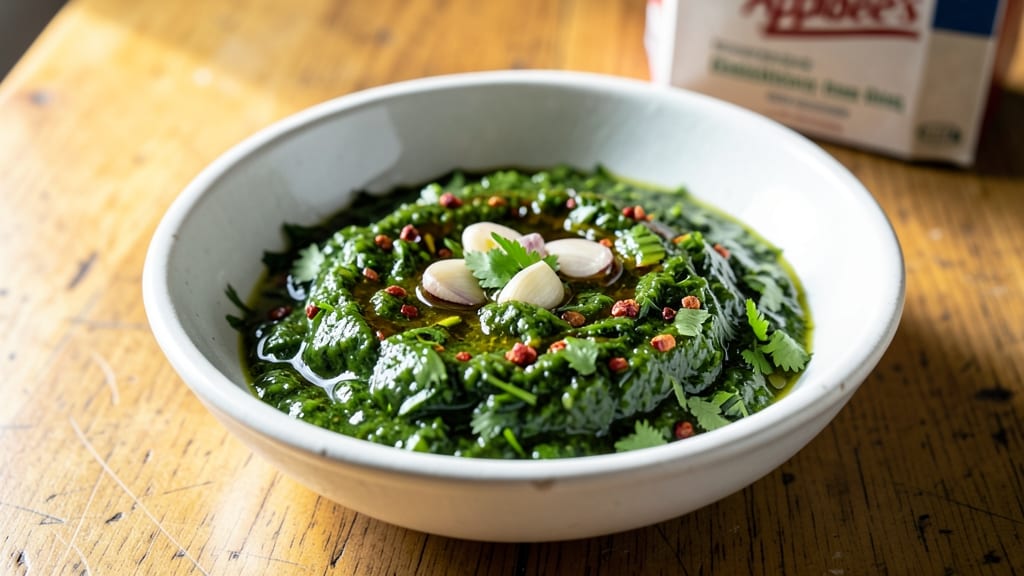
Applebee's chimichurri sauce recipe delivers that signature herb-forward brightness you crave, but with fresh ingredients and no preservatives. This vibrant sauce balances fresh parsley, garlic, and tangy vinegar with just the right amount of oil for a silky finish—exactly like the restaurant version, but better.
The secret lies in finely chopping the herbs and letting the sauce rest for at least 30 minutes before serving, allowing all those bright flavors to meld perfectly.
What makes this chimichurri stand out is its simplicity—just six core ingredients transform into a sauce that elevates grilled meats, fries, or even as a dip for crusty bread.
Unlike store-bought versions, this recipe uses fresh herbs (parsley and cilantro) for that unmistakable aromatic punch, while red pepper flakes add a subtle heat that lingers just enough.
The sauce keeps well in the fridge for up to a week, so you can make a batch ahead and have it ready whenever cravings strike.
Imagine the first tangy, herby bite cutting through perfectly grilled steak or chicken, or how this sauce transforms simple fries into a restaurant-worthy appetizer. The bright green color alone makes it visually appealing, but it’s the explosion of fresh parsley, garlic, and vinegar that makes it irresistible.
This is the kind of sauce that turns ordinary meals into something special—no fancy techniques required, just fresh ingredients and a little patience.
Perfect for weeknight dinners, game day spreads, or as a marinade for meats, this chimichurri sauce is versatile enough to adapt to any meal. Whether you're serving it alongside grilled favorites or using it as a bold dip, the flavor will leave everyone asking for the recipe.
Let’s get started on making this herb-packed sauce that tastes like a taste of Applebee’s, but made fresh at home.
Ingredients for applebee's chimichurri sauce
Six fresh ingredients transform into Applebee's signature herb-packed sauce, brighter and fresher than anything bottled.
| Ingredient | Amount | Notes |
|---|---|---|
| Fresh Flat-Leaf Parsley 🌿 | 1 ½ cups | Stems removed, finely chopped |
| Fresh Cilantro 🌿 | ½ cup | Stems removed, finely chopped |
| Garlic Cloves 🧄 | 6 cloves | Peeled, minced into fine paste |
| Red Wine Vinegar 🍷 | ¼ cup | Dry variety preferred |
| Extra-Virgin Olive Oil 🫒 | ½ cup | Light, fruity flavor |
| Red Pepper Flakes 🌶️ | 1 tsp | Adjust for desired heat |
| Kosher Salt 🧂 | 1 tsp | Fine grain preferred |
The herbs are non-negotiable for that signature Applebee's flavor. Fresh flat-leaf parsley (not curly) and cilantro from the grocery store's produce section are ideal—look for vibrant green leaves with no wilt. If cilantro's flavor is too strong, reduce to 2 tbsp. For garlic, roasted cloves add subtle sweetness, but fresh minced works perfectly. The vinegar should be dry and aged—avoid balsamic or flavored varieties. Whole Foods or Trader Joe's carry excellent options, but any reputable grocery store will have suitable choices.
No fresh parsley? Cilantro alone works at double the amount, though texture differs slightly. Substitute white wine vinegar if red wine is unavailable, but the color will be paler. Olive oil quality matters—avoid strong, peppery varieties that overpower the herbs. The red pepper flakes can be omitted entirely for a mild version, or swapped for finely minced jalapeño (seeds removed) for fresh heat. For a smoother texture, pulse the herbs in a food processor before mixing, but hand-chopping yields the best color and texture.
This sauce keeps beautifully in an airtight container in the fridge for up to 7 days, with flavor actually improving as it rests. For longer storage, freeze in ice cube trays—thaw quickly in the fridge before using. The sauce thickens as it sits, so add 1-2 tbsp water or olive oil if needed. Double the batch if you plan to use it as a marinade—chimichurri works wonders on grilled meats and seafood alike.
Why You'll Love This Recipe
- No Pulse Required: I swear by this sauce because it’s basically a chop-and-pulse operation. Toss those herbs—parsley and cilantro—into the food processor with garlic, vinegar, and olive oil, then let it do the work. Honestly, I’ve made it while waiting for my pasta to boil, and it still comes out vibrant and bright.
- Garlic Kiss Without Guilt: That raw garlic and red wine vinegar combo? It’s the secret weapon. The vinegar cuts through the richness while the garlic adds this bold, almost spicy depth that makes it way more exciting than store-bought. Plus, the olive oil ties it all together so smoothly—no weird aftertaste here.
- Weeknight Superhero: This sauce is my go-to for anything from grilled chicken to scrambled eggs (yes, really). I keep a jar in the fridge for those nights when I’m too tired to think, and it still feels like a restaurant-worthy meal. Between us, it’s the only sauce I’ll let my kids dunk fries in without judgment.
- Pantry Magic: Here’s what sold me—the ingredients are cheap, and the leftovers last forever. A big batch costs me less than $5, and it keeps for weeks in the fridge. I’ll be real: I’ve even frozen it in ice cube trays for quick single-serving use. That’s right, no waste, all flavor.
Step-by-step instructions for Applebee's chimichurri sauce
This herb-packed sauce delivers the same bright, tangy flavor you know from Applebee's, made fresh in minutes.
Prepare the Herb Base
In a food processor, combine the 1.5 cups of finely chopped fresh flat-leaf parsley and 0.5 cup of finely chopped fresh cilantro. Pulse until the herbs are finely minced but not completely pureed—you want visible texture. Stop occasionally to scrape down the sides and ensure even blending. The herbs should resemble a coarse green paste with visible flecks of both parsley and cilantro.
This step is critical for achieving that signature Applebee's chimichurri texture. If you don't have a food processor, you can finely chop the herbs by hand using a sharp chef's knife, but it will take more time and effort. The goal is to create a balance between finely chopped herbs and a slightly rustic appearance that holds up well when tossed with meats or vegetables.
Incorporate Garlic and Seasonings
Add the 6 cloves of peeled, minced garlic cloves to the food processor along with the 1 teaspoon of red pepper flakes and 1 teaspoon of kosher salt. Pulse again until the garlic is completely incorporated and the mixture becomes a thick, vibrant green paste. The garlic should be finely minced but not paste-like—just small, even pieces that will distribute evenly throughout the sauce.
At this stage, you'll notice the mixture becomes more aromatic. The red pepper flakes will add a subtle heat that builds as the sauce sits, while the kosher salt enhances all the flavors. Taste the mixture now—it should be bright, slightly spicy, and herbaceous. If you prefer more heat, add an additional ¼ teaspoon of red pepper flakes, but be cautious as the sauce will intensify in flavor as it sits.
Emulsify with Vinegar and Olive Oil
With the food processor running, slowly drizzle in the 0.25 cup of red wine vinegar. This acid component is essential for balancing the richness of the olive oil and brightening the herbs. Once the vinegar is fully incorporated, continue to drizzle in the 0.5 cup of extra-virgin olive oil while the processor is running. The sauce should begin to emulsify, becoming smooth and well-combined.
This emulsification process is what creates the signature silky texture of chimichurri. If the mixture appears too thick, add 1 tablespoon of water at a time until it reaches a pourable consistency. The sauce should coat the back of a spoon smoothly but still maintain a vibrant green color. If it separates, simply pulse again briefly to re-emulsify. The final texture should be thick enough to cling to proteins but still flow easily when tossed.
Rest and Adjust for Optimal Flavor
Transfer the chimichurri sauce to a bowl and let it sit at room temperature for at least 15 minutes. This resting period allows the flavors to meld together and the sauce to reach its full potential. Stir occasionally to ensure the ingredients are evenly distributed. The color should deepen slightly, and the aroma will become more pronounced and inviting.
After resting, taste the sauce again and make any final adjustments. If it needs more acidity, add a splash of additional red wine vinegar. If it requires more salt, add it gradually—chimichurri can become overly salty if not balanced properly. The sauce should now have a perfect balance of bright, tangy, and slightly spicy flavors with a smooth, velvety texture. This is the moment when all the individual components come together to create that unmistakable Applebee's chimichurri flavor.
Pro Tips For Making Applebee'S Chimichurri Sauce
- STACK THE HERBS: Chop parsley and cilantro separately—don’t mix them before pulsing. Parsley’s stronger flavor needs more time to blend evenly, while cilantro can turn bitter if over-processed. I learned this after making a batch where the cilantro overpowered everything.
- PULSE DON’T GRIND: Use quick bursts in the food processor—2-3 seconds at a time—until just combined. Over-blending turns chimichurri into pesto, losing that bright, textured finish. Stop when it still looks chunky; you’ll fix it with the vinegar and oil.
- SALT THE GARLIC: Mince the garlic cloves and toss them with a pinch of salt before adding to the herbs. This softens the bite and prevents that harsh, raw garlic taste that ruins the balance. (Yes, even if you’re impatient like me.)
- REST THE SAUCE: Let the chimichurri sit for 10 minutes after mixing before using. The flavors meld, and the acidity mellows out. I used to skip this and wondered why my sauce tasted sharp and unfinished—now I just wait, and it’s always better.
Regional styles of this applebee's chimichurri sauce
Argentinian Roots
While Applebee's chimichurri sauce has its own signature twist, it draws inspiration from Argentina's traditional salsa verde, which originated in the pampas region. Argentine chimichurri traditionally uses oregano instead of cilantro, but Applebee's version swaps it for cilantro to align with American palates.
The sauce is typically served with grilled meats like asado (Argentinian barbecue) or bife de chorizo (sirloin steak). 🌶️
Texas Twist
In Texas, chimichurri gets a smoky, bold adaptation by adding smoked paprika or chipotle powder to the mix. This version pairs perfectly with brisket or ribeye steaks cooked over oak or mesquite wood.
Some Texan chefs even incorporate jalapeño or serrano peppers for extra heat, creating a fusion that’s both tangy and fiery. The sauce’s bright green color contrasts beautifully with the deep reds of grilled meats. 🔥
Southern U.S. Style
The Southern U.S. takes chimichurri in a sweeter direction by adding honey or maple syrup (about 1 tbsp) to balance the acidity. This variation works wonderfully with fried chicken, pulled pork, or even as a dipping sauce for hushpuppies.
Some Southern cooks also include mustard powder for a tangy kick, making it a crowd-pleaser at barbecues and family gatherings. 🍯
California Fusion
California’s take on chimichurri leans into fresh, local ingredients like avocado or lime zest, giving it a creamy, citrusy twist. This version is often paired with grilled salmon or vegetable skewers, reflecting the state’s love for bold, bright flavors.
Some chefs even blend in basil or mint for a Mediterranean-inspired touch, making it a versatile sauce for everything from tacos to grain bowls. 🌿
Mexican-Inspired
Mexican chimichurri often incorporates lime juice instead of vinegar, along with cilantro and jalapeño for a zesty, spicy kick. This variation is perfect for tacos al pastor, grilled shrimp, or even as a topping for queso fresco and avocado slices.
The lime brightens the dish, while the jalapeño adds a refreshing heat that complements Mexican cuisine’s bold flavors. 🍋
Global Adaptations
Chimichurri’s versatility extends worldwide—Italian chefs might add basil and garlic for a pesto-like twist, while Greek versions incorporate oregano and lemon. In Australia, chimichurri is often paired with lamb chops or sausages, reflecting local meat preferences.
No matter the adaptation, the core principle remains: fresh herbs, acid, and oil create a sauce that elevates any dish. ✨
Nutrition facts
Frequently asked questions
Can I make this chimichurri sauce ahead of time?
This sauce actually tastes better when made 24 hours ahead. Store it in an airtight container in the fridge, and the flavors will meld beautifully. Stir before using, as it may thicken slightly. For longer storage, freeze in ice cube trays and thaw in the fridge before serving.
What’s the best way to store leftover chimichurri?
Keep it in an airtight container in the fridge for up to 7 days. If it thickens, simply add 1-2 tablespoons of water or olive oil to restore the ideal consistency. Avoid freezing for extended periods, as the texture may break down over time.
Can I adjust the heat level in this recipe?
Yes! For a milder sauce, reduce the red pepper flakes to ½ teaspoon or omit them entirely. For extra heat, add ¼ teaspoon cayenne pepper or finely minced jalapeño. Taste as you go—chimichurri’s flavor intensifies when resting, so start conservative.
What’s the difference between chimichurri and pesto?
Chimichurri is vinegar-based and uses fresh herbs (parsley + cilantro) with no nuts, while pesto is oil-heavy with basil, garlic, and pine nuts or Parmesan. Chimichurri is tangier and brighter, perfect for grilled meats, while pesto shines on pasta and sandwiches.
How can I use this sauce beyond grilled meats?
Try it as a dip for fries, pretzels, or crusty bread, a marinade for chicken or shrimp, or a topping for tacos, grain bowls, or even deviled eggs. Its bright flavors also work well with roasted vegetables like zucchini or eggplant.