
Sauces & Condiments
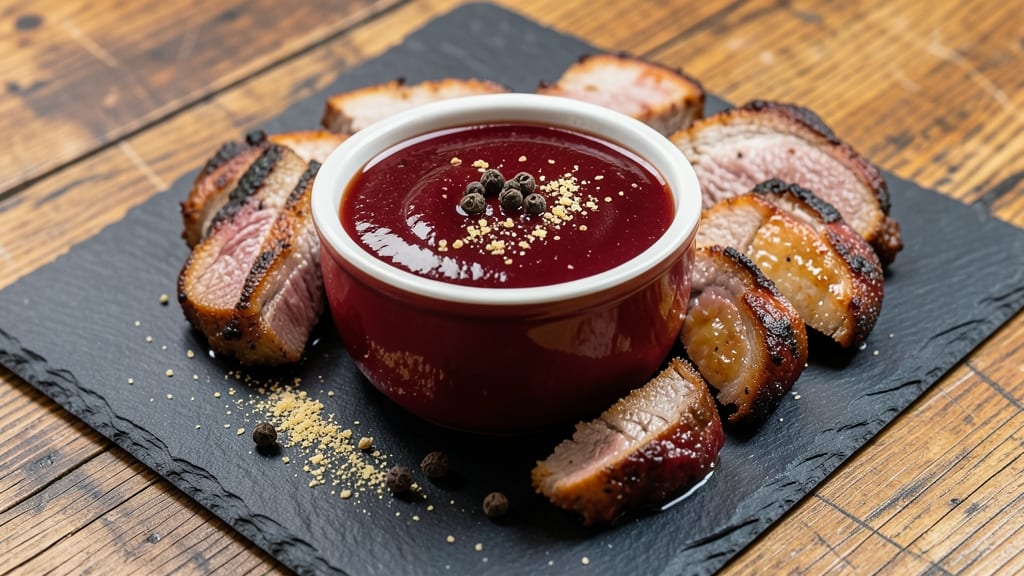
Recreating Arby's au jus sauce at home delivers that signature deep, savory umami flavor that makes every bite of roast beef sing. This isn't just a copycat version—it's a refined, foolproof method using 5 pantry staples that build complex layers of beefy richness without beef broth.
The secret lies in balancing vinegar's tang, Worcestershire's umami depth, and just enough sweetness to round out the flavor profile.
What sets this sauce apart is the two-stage reduction technique that intensifies the flavors while maintaining that perfect velvety-smooth texture. No special equipment needed—just a saucepan, patience, and precise timing.
The result is a sauce that's restaurant-quality at home, with that signature Arby's tanginess that clings to every bite of meat or fries.
This sauce transforms ordinary roast beef sandwiches into something extraordinary—bold, savory, and packed with that unmistakable umami punch. The best part? It keeps well in the fridge for up to a week, so you can make a big batch and enjoy it all week long.
Let's get started on this game-changing condiment.
Whether you're serving it with roast beef, meatloaf, or even as a dipping sauce for fries, this au jus will elevate any meal. The balance of sweet, tangy, and umami creates a flavor profile that's impossible to resist. Here's how to make it perfectly every time.
Ingredients for arby's au jus sauce
Five simple ingredients unlock that iconic Arby's umami punch—no beef broth needed.
| Ingredient | Amount | Notes |
|---|---|---|
| Red Wine Vinegar 🍷 | ½ cup | High-quality, aged variety preferred |
| Worcestershire Sauce 🍶 | ¼ cup | Lea & Perrins brand recommended |
| Granulated Sugar 🍬 | 2 tbsp | White or brown preferred |
| Black Peppercorns 🌶️ | 1 tsp | Freshly cracked for texture |
| Garlic Powder 🧄 | 1 tsp | Freshly ground preferred |
The red wine vinegar is your flavor anchor here. Bartles & Jaymes or Bragg are solid choices—avoid the cheap stuff with that harsh aftertaste. Worcestershire sauce? Lea & Perrins is the gold standard, but Annie's works too if you're gluten-free. The sugar might seem odd, but it's what balances the acidity and mimics that caramelized beefy depth. Freshly cracked peppercorns add texture and heat that pre-ground can't match—use a mortar and pestle if you're fancy, or just pulse them in a spice grinder. Garlic powder is non-negotiable for that signature umami kick.
No red wine vinegar? Apple cider vinegar works in a pinch (use the same amount), though it'll be slightly sweeter. Worcestershire out of stock? Soy sauce plus a splash of balsamic gets you close, but you'll lose some depth. Running low on peppercorns? Crushed black pepper at double the amount works, but you'll miss the little crunch. The sugar can be swapped for honey or maple syrup (reduce to 1.5 tbsp)—just taste as you go. For a vegetarian version, add 1 tsp mushroom powder to mimic beefy umami.
This sauce keeps beautifully—1 week refrigerated in an airtight jar. The flavors actually deepen overnight, so make a big batch. Freezes for 3 months too, though texture might separate slightly. For serving, reheat gently in a saucepan (don't boil) or microwave in 20-second bursts. The two-stage reduction means it thickens as it cools, so stir well before using. Perfect for dipping, drizzling, or even deglazing pans for extra flavor.
Why You'll Love This Recipe
- Five-Ingredient Magic: I swear, this is the kind of sauce where you measure, stir, and boom—flavor explosion. No fancy techniques, no hidden steps, just a simmer that takes less time than waiting for takeout.
- Tangy Umami Bomb: That first sip? Chef’s kiss. The red wine vinegar cuts through the richness while Worcestershire and garlic powder deliver a deep, savory punch—like biting into a perfectly balanced roast beef sandwich without the hassle.
- Game Day Ready: Between us, this sauce is my go-to for tailgates, BBQs, or even a lazy Sunday brunch. Drizzle it over fries, toss it with baked potatoes, or serve it on the side—it’s the MVP of easy entertaining.
- Pantry Staple Power: Honestly? I keep every ingredient stocked just for this. A few tablespoons of vinegar and a dash of sugar won’t break the bank, and the leftovers? They last in the fridge for weeks, ready to elevate whatever’s on the menu.
Step-by-step instructions for Arby's au jus sauce recipe
This sauce delivers that iconic Arby's umami punch in minutes—no secret ingredients, just smart technique.
Crack the Peppercorns and Toast Them
Start by cracking the 1 teaspoon black peppercorns using a mortar and pestle or a clean spice grinder. You want them reduced to tiny granules—this releases their aromatic oils and prevents any gritty texture in the finished sauce. Toast these cracked peppercorns in a dry skillet over medium heat for 30 seconds until they darken slightly and fill your kitchen with a sharp, peppery aroma. This step deepens their flavor and removes any raw bite—don't skip it.
Transfer the toasted peppercorns to a small bowl and set aside. The residual heat will keep them warm while you work, ensuring their flavor integrates fully. If you're using freshly ground pepper instead, toast 1 teaspoon freshly ground black pepper in the skillet for 20 seconds—just until it smells intensely aromatic. This quick toasting step is where the sauce's signature peppery depth begins.
Combine Wet Ingredients and Simmer
In a medium saucepan, combine the 0.5 cup red wine vinegar and 0.25 cup Worcestershire sauce over medium heat. Bring the mixture to a gentle simmer, then reduce the heat to low to maintain a steady, barely bubbling state. You're not looking for a rolling boil here—just enough heat to gently warm and blend the liquids. This slow simmer prevents the vinegar from becoming harsh and allows the Worcestershire sauce to mellow into the base.
Simmer for 5 minutes while stirring occasionally with a wooden spoon. The mixture will darken slightly as the acidity begins to break down the components, creating a rich, caramelized foundation. If you notice any sediment forming at the bottom of the pan, stir gently to incorporate it—those flavorful bits are essential for that authentic Arby's taste. This step builds the sauce's umami backbone.
Add Sugar and Pepper for Balance
Remove the pan from heat and whisk in the 2 tablespoons granulated sugar and 1 teaspoon garlic powder until completely dissolved. The sugar will dissolve quickly, but give it a few seconds to fully integrate—you want a smooth, glossy consistency without any graininess. Taste the mixture at this stage; it should be tangy with a hint of sweetness and a subtle garlic note. If it tastes too sharp, you can add 1 additional teaspoon of sugar to balance the acidity.
Return the pan to low heat and stir in the toasted peppercorns. Let the sauce simmer for another 2-3 minutes, stirring constantly to ensure even distribution. The peppercorns will infuse their aroma into the liquid, creating that signature peppery kick. The sauce should now have a glossy sheen and a thick, syrupy texture—this is your signal that it's ready. If the sauce thickens too much, whisk in 1 tablespoon of water to adjust the consistency.
Strain and Adjust for Perfection
Line a fine-mesh strainer with a clean cheesecloth or coffee filter and pour the sauce through it into a clean bowl. This step removes any peppercorn fragments, leaving you with a smooth, velvety sauce. Press gently on the solids with a spoon to extract every last drop of flavor—don't rush this, as the remaining liquid holds concentrated umami. Discard the solids in the strainer. The strained sauce should now be completely smooth with a deep, reddish-brown hue.
Taste the sauce one final time and adjust the seasoning if needed. If it lacks brightness, add 1 teaspoon more red wine vinegar. If it needs more depth, stir in ½ teaspoon Worcestershire sauce. The sauce should be perfectly balanced—tangy, slightly sweet, with a lingering peppery finish and a touch of garlic warmth. Transfer the sauce to a clean jar or bottle and let it cool to room temperature before serving. This sauce keeps well in the refrigerator for up to 1 week, making it perfect for meal prep.
Pro Tips For Making Arby'S Au Jus Sauce
- CRUSH THE PEPPERCORNS: Skip the whole peppercorns—crack them with a mortar and pestle or roll them with a heavy pan first. I learned this the hard way after straining out half my batch trying to remove stubborn whole peppercorns later.
- SIMMER LOW AND SLOW: Don’t boil this sauce. A gentle simmer—just small bubbles at the edges—keeps the vinegar from turning harsh and lets the sugar dissolve smoothly. I used to rush it, and the flavor always tasted sharp afterward.
- USE REAL GARLIC POWDER: Cheap garlic powder tastes like sawdust. Splurge on a small jar of high-quality garlic powder—it’s the difference between "meh" and "oh yeah." The extra umami makes this sauce sing, especially with Worcestershire.
- STRAIN THE SUGAR: Dissolve the sugar in warm water first, then strain it into the sauce. This avoids grainy bits and ensures the sugar blends perfectly. I was lazy once and ended up with a gritty mess—don’t make my mistake.
Regional styles of arby's au jus sauce
Midwest Roast Beef Tradition
Arby's was born in Ohio in 1964, and their au jus sauce reflects that Midwestern love of hearty, meat-forward flavors. The original recipe emphasized beefy depth with just enough tang to cut through the richness.
In Ohio and the Rust Belt, this sauce became synonymous with roast beef sandwiches—often served with crispy fries for dipping. The key regional touch? A slightly thicker consistency than you'd find on the West Coast, designed to cling to both meat and fries without dripping. 🥩
Southern BBQ-Inspired Twist
In Southern states like Georgia and Alabama, Arby's au jus took on a smokier profile, often paired with their "Smoked Half Pound" sandwich.
Locals adapted the sauce by adding 1 teaspoon smoked paprika and ½ teaspoon liquid smoke to the base recipe, creating a deeper, charred flavor that mirrors regional BBQ traditions. The sugar content was also increased slightly (2.5 tablespoons) to balance the extra smokiness.
This version works exceptionally well with pulled pork sandwiches too.
West Coast Tangy Adaptation
On the West Coast—especially in California—Arby's au jus became lighter and more vinegar-forward, reflecting the region's preference for bright, fresh flavors. The classic recipe was modified by using apple cider vinegar instead of red wine vinegar and reducing the sugar to 1.5 tablespoons.
This version pairs perfectly with their "Curly Fries" and lighter sandwich options like the "Horsey" (horseradish sauce alternative). The tangier profile also makes it a favorite for dipping spicy chicken sandwiches. 🌶️
Northeast Sweet-and-Sour Variation
In the Northeast, particularly around New York and Pennsylvania, the au jus sauce often incorporated a touch of sweetness inspired by regional Italian-American influences. The adaptation includes 1 tablespoon honey instead of granulated sugar and a pinch of dried oregano to mimic the flavors found in Italian-American meat dishes.
This sweeter, herb-infused version is commonly served with their "Meatball Marinara" sandwiches or as a dipping sauce for mozzarella sticks. The result is a sauce that bridges the gap between Arby's signature tang and Italian-American comfort food traditions.
Texas-Style Spicy Kick
In Texas, Arby's au jus gets a fiery upgrade to match the state's love of heat. The classic recipe is enhanced with ½ teaspoon cayenne pepper and a dash of hot sauce (like Tabasco) stirred in at the end.
Some Texas locations even serve it with a side of pickled jalapeños for an extra kick. This spicier version is especially popular with their "Texas Toast" sandwiches or as a dipping sauce for loaded cheese fries.
The heat level can be adjusted by reducing the cayenne to ¼ teaspoon for a milder but still spicy version.
Great Lakes Regional Adjustment
Around the Great Lakes region (Michigan, Wisconsin, Illinois), the au jus sauce often includes a subtle note of maple syrup instead of granulated sugar, reflecting the area's love of maple products.
This adaptation also incorporates a pinch of cinnamon for warmth, creating a sauce that's slightly sweeter and more aromatic. This version pairs beautifully with their "Maple Bacon" sandwiches or as a glaze for roasted vegetables.
The maple twist adds a unique depth that locals swear by, especially during colder months when maple flavors are celebrated. 🍁
Nutrition facts
Frequently asked questions
Can I make this au jus sauce without Worcestershire sauce?
Yes, but you'll need to substitute carefully. Use 2 tablespoons soy sauce plus 1 teaspoon balsamic vinegar for a similar umami depth. For extra richness, add ½ teaspoon beef bouillon powder dissolved in 1 tablespoon hot water. The sauce will be slightly less complex, but still delicious for dipping or drizzling.
Why does my homemade au jus taste too sharp?
Too much acidity usually means the vinegar or Worcestershire overpowered the sweetness. Balance it by adding ½ teaspoon more sugar or 1 teaspoon honey while warm. For a deeper flavor, simmer the sauce longer (10-15 minutes) to let the acidity mellow. The sugar should dissolve completely before tasting.
How can I use this sauce beyond roast beef sandwiches?
This versatile sauce elevates grilled steaks, meatloaf, or even fried chicken as a dipping sauce. Try drizzling it over roasted potatoes or using it as a marinade for beef or pork (reduce to ¼ cup and marinate for 2-4 hours). The peppery notes also make it perfect for spicy dishes to balance heat.
Can I make a vegetarian version of this sauce?
Replace the Worcestershire with 2 tablespoons soy sauce and add 1 teaspoon mushroom powder or 1 tablespoon nutritional yeast for umami depth. Use beet juice (1 tablespoon) instead of red wine vinegar for color. The sauce will have a slightly different profile but works beautifully with veggie burgers or roasted mushrooms.
How do I prevent my au jus from getting too thick?
If the sauce thickens too much during cooking, immediately whisk in 1 tablespoon water or apple cider vinegar while warm. For a smoother texture, strain it through a fine-mesh sieve lined with cheesecloth. The two-stage reduction in the recipe helps control thickness—never boil it vigorously. If it thickens after cooling, reheat gently and thin with a splash of liquid.