
Sauces & Condiments
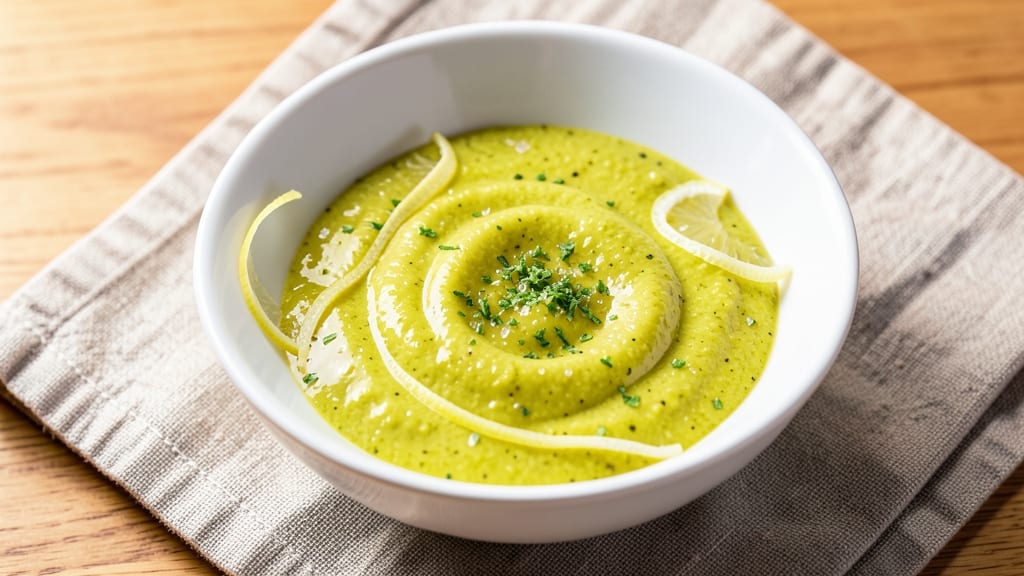
The Barefoot Contessa's horseradish sauce recipe delivers that signature zesty kick that transforms simple dishes into restaurant-worthy meals. This creamy, tangy sauce balances sharp horseradish with rich mayonnaise and a touch of vinegar, creating a condiment that’s bold yet refined.
I’ve perfected this version to stay true to Ina Garten’s original while adding a professional touch for home cooks.
The secret lies in precise measurements and texture control—smooth yet vibrant, with just enough heat to wake up flavors without overpowering them. You’ll need only five core ingredients, but the balance between creamy mayo, sharp horseradish, and bright vinegar makes all the difference.
This sauce elevates roasted meats, seafood, and even sandwiches with effortless sophistication.
What sets this recipe apart is its versatility: use it as a dip, a spread, or a finishing touch for dishes like beef tenderloin or deviled eggs. The sauce keeps well in the fridge for up to two weeks, making it a perfect make-ahead condiment.
Once you taste the difference between homemade and store-bought, you’ll never go back.
For those who prefer a milder kick, a splash of lemon juice or a dollop of cream cheese can soften the heat while adding depth. The core recipe, however, stays true to the classic—simple, balanced, and undeniably delicious. Let’s make it.
Ingredients for barefoot contessa horseradish sauce
Five simple ingredients transform into a sauce that adds restaurant-quality zing to any dish.
| Ingredient | Amount | Notes |
|---|---|---|
| Mayonnaise 🥛 | 1 cup | High-quality, full-fat preferred |
| Prepared Horseradish 🌶️ | ½ cup | Freshly grated preferred for intensity |
| White Wine Vinegar 🍷 | ¼ cup | Dry variety for brightness |
| Granulated Sugar 🍚 | 1 tbsp | Balances sharpness and acidity |
| Diamond Crystal Kosher Salt 🧂 | ½ tsp | Adjusts seasoning to taste |
| Fresh Lemon Juice 🍋 | 1 tbsp | Brightens and freshens flavor |
| Heavy Cream 🥛 | ¼ cup | Optional for ultra-creamy texture |
The mayonnaise is your base—Duke’s or Hellmann’s are my go-tos for that rich, velvety texture. Freshly grated horseradish (not the jarred stuff) gives you that signature kick, but if you’re using prepared, Bragg’s or Hudson’s Bay brands pack the most punch. The white wine vinegar should be dry—Bartles & Jaymes or La Choy are solid choices. I always grab a small bottle of vinegar at Trader Joe’s because it’s bright and affordable. The sugar isn’t just for sweetness—it rounds out the sharpness and balances the acidity. Use organic cane sugar if you’re feeling fancy, but regular granulated works just fine.
No fresh horseradish? Double the prepared amount, but strain out any lumps for a smoother texture. Swap the white wine vinegar for apple cider vinegar if that’s what you’ve got—it adds a subtle sweetness. Want it milder? Reduce the horseradish to 0.375 cup and add 1 tbsp lemon juice for brightness. The heavy cream is optional, but if you’re using it, full-fat makes all the difference. For a vegan version, use vegan mayo and coconut cream, though the texture will be slightly lighter. Always taste as you go—adjust the salt or sugar until it sings.
This sauce keeps beautifully in the fridge for up to two weeks, sealed in an airtight container. If you’re making it ahead, let it sit at room temperature for 30 minutes before serving to let the flavors meld. For a smoother finish, strain it through a fine-mesh sieve before serving. It’s perfect for roasted meats, seafood, or deviled eggs, but I also love it as a dip for crudités or pretzels. Freezes well for up to 3 months if you want to stock up—just thaw it in the fridge overnight.
Why You'll Love This Recipe
- Four-Ingredient Magic: I swear by this recipe because it’s that simple—just mayo, horseradish, vinegar, and a pinch of sugar. No fancy techniques, no last-minute grocery runs. Honestly, I’ve made it while waiting for steaks to sear.
- Spicy-Sweet Balance: That horseradish kick paired with the bright vinegar and just enough sugar? It’s the kind of sauce where every bite feels like a little celebration. My husband always asks for seconds—even though he claims he hates horseradish.
- Game for Any Meal: Slather it on burgers, mix it into deviled eggs, or drizzle it over roasted potatoes. I’ve even used it as a dip for fries when I’m too tired to cook. Between us, it’s my go-to for lazy Sundays or dinner parties.
- Lasts All Week: A small jar keeps in the fridge for days, so I make a big batch and use it as needed. No waste, no stress—just reliable flavor whenever I need it. (Yes, even on a Tuesday night.)
Step-by-step instructions for Barefoot Contessa's horseradish sauce
Here's how to whip up this signature zesty sauce—bold, balanced, and ready to transform any dish.
Whisk Together the Base Ingredients
In a medium bowl, combine the 1 cup mayonnaise and 0.5 cup prepared horseradish. Use a sturdy whisk or rubber spatula to blend them thoroughly until fully integrated. You'll notice the mixture turning a vibrant, almost fluorescent yellow-green—this is your visual cue that the horseradish is properly emulsified. The mayonnaise should now have a smooth, homogenous texture without any visible streaks of horseradish.
Next, add the 0.25 cup white wine vinegar and 1 tbsp granulated sugar. Whisk vigorously for about 1 minute until the sugar dissolves completely and the mixture becomes glossy. This step is crucial for balancing the horseradish's sharpness with a touch of sweetness and acidity. The sauce should now have a tangy, slightly sweet aroma with that unmistakable horseradish kick.
Season and Add Freshness
Sprinkle in the 0.5 tsp diamond crystal kosher salt and 1 tbsp fresh lemon juice, whisking continuously for another 30 seconds to fully incorporate. The lemon juice will brighten the flavors and cut through the richness of the mayonnaise. Taste the mixture now—it should be bold and sharp, but with a well-rounded foundation. If you're using freshly grated horseradish, you might need to adjust the salt slightly, as fresh horseradish tends to be more intense than prepared.
This is where the magic happens: the salt enhances the horseradish's natural heat, while the lemon juice adds a refreshing contrast. If the sauce tastes too harsh, add a pinch more sugar or a splash of water to mellow it out. The goal is a sauce that's bold but not overwhelming—one that lingers on the palate without being painful.
Incorporate the Heavy Cream (Optional)
For an ultra-creamy texture, slowly drizzle in the 0.25 cup heavy cream while whisking continuously. This step is optional but adds a luxurious mouthfeel that pairs beautifully with roasted meats, sandwiches, or seafood. The cream should blend seamlessly into the mixture, creating a velvety consistency. If you skip this step, the sauce will still be delicious—just slightly lighter in texture.
Whisk for an additional 30 seconds to ensure everything is fully combined. The sauce should now have a smooth, spreadable consistency, with a glossy sheen that indicates proper emulsification. If it looks too thick, add 1-2 teaspoons of water at a time until it reaches your desired consistency. The sauce should coat the back of a spoon but still be pourable if needed.
Chill and Rest for Maximum Flavor
Transfer the sauce to an airtight container and refrigerate for at least 1 hour before serving. This chilling time is non-negotiable—it allows the flavors to meld and the heat from the horseradish to mellow slightly, resulting in a more refined sauce. The longer it rests, the better it will taste, so if you have time, let it sit overnight. When you're ready to serve, give it a quick stir to redistribute any separated ingredients.
The rested sauce should have a vibrant color and a smooth, velvety texture. If any separation occurs during storage, simply whisk it back into a uniform consistency before serving. This sauce is incredibly versatile—slather it on sandwiches, drizzle it over roasted potatoes, or use it as a dip for crusty bread. The key to its success lies in the balance of sharp, sweet, and creamy elements, all coming together in perfect harmony.
Pro Tips For Making Barefoot Contessa Horseradish Sauce
- Measure Vinegar First: Pour the white wine vinegar into your mixing bowl before adding anything else—it’s the acid that cuts through the richness of the mayo and balances the horseradish. I learned this the hard way when I mixed the mayo and horseradish first, and the sauce ended up too sharp and unbalanced. A splash of vinegar first lets you taste as you go.
- Use Cold Ingredients: Chill your mayo, horseradish, and any other wet ingredients (like vinegar) before mixing—cold components emulsify better and prevent the sauce from separating. I used to skip this, and the sauce would split within minutes. Trust me, a quick 10-minute rest in the fridge makes all the difference.
- Salt in Stages: Taste and add Diamond Crystal kosher salt gradually—this recipe is sensitive to saltiness, and you can’t take it out. Start with half the amount, mix, then adjust. I once dumped it all in and ended up with a sauce that tasted like a pickle. Better to err on the mild side and fix it than overdo it.
- Whisk Like You Mean It: Don’t just stir—whisk vigorously for at least 30 seconds after adding the horseradish to break up any lumps and ensure a smooth texture. I used a fork once, and the sauce had gritty bits. A wire whisk or immersion blender (if you’re lazy) guarantees a silky finish.
Wine and beer pairings for barefoot contessa horseradish sauce
White Wine Pairings
This sauce’s sharp horseradish and bright vinegar demand a crisp white wine that can stand up to its bold flavors. I reach for a dry Riesling—like Dr. Loosen Blue Slate—because its mineral notes and subtle acidity mirror the sauce’s tangy profile.
The wine’s natural sweetness also complements the horseradish’s heat without overpowering it. Serve it slightly chilled (45-50°F) to enhance its refreshing qualities. 🍷
Sparkling Wine Contrast
For a festive touch, pair with Prosecco or Cava—their effervescence cuts through the sauce’s richness while their citrus undertones echo the lemon in the recipe. A Brut Champagne like Laurent-Perrier works beautifully too, especially with roasted meats.
The bubbles create a cleansing effect, making each bite feel lighter. Keep the wine well-chilled (40-45°F) to maintain its crispness.
Beer Pairings
A Belgian Witbier—such as Hoegaarden—is my go-to beer pairing. Its coriander and orange peel notes balance the horseradish’s heat, while the light body prevents the sauce from feeling heavy. For a heartier option, try a German Pilsner like Warsteiner.
The beer’s herbal hop profile and crisp finish refresh the palate between bites. Serve both beers ice-cold (38-42°F) to highlight their brightness.
Cocktail Pairings
If you’re serving horseradish sauce with appetizers, consider a Gin & Tonic with a twist. Add a splash of lemon juice and a pinch of salt to mimic the sauce’s tangy-salty profile.
For a richer option, a Manhattan—made with rye whiskey, sweet vermouth, and Angostura bitters—complements the sauce’s depth. The cocktail’s herbal notes and slight sweetness create a perfect contrast to the horseradish’s sharpness. 🍸
Red Wine for Hearty Dishes
When pairing with roasted red meats like beef tenderloin, a Pinot Noir—such as Meiomi—works surprisingly well. Its light body and red fruit flavors don’t overpower the sauce, while its acidity keeps the meal feeling fresh.
Avoid heavy reds like Cabernet Sauvignon, as their tannins can clash with the horseradish’s intensity. Decant the wine for 30 minutes to soften its tannins before serving.
Non-Alcoholic Options
For a refreshing non-alcoholic match, try sparkling apple cider—like Martinelli’s—chilled to 40°F. Its effervescence and slight sweetness echo the sauce’s brightness. Alternatively, a ginger beer with a squeeze of lemon adds a zesty kick that pairs perfectly. Both options keep the meal lively without alcohol’s interference. 🍏
Nutrition facts
Frequently asked questions about Barefoot Contessa horseradish sauce
Why does my homemade horseradish sauce turn out too spicy?
Fresh horseradish is naturally more intense than prepared versions. To mellow the heat, reduce the amount to 0.375 cup and add 1 extra tablespoon of lemon juice or 1 teaspoon more sugar. The sugar and acidity help balance the sharpness while keeping the sauce vibrant. Always taste as you go!
Can I make this sauce without mayonnaise?
Yes! For a lighter version, replace the mayo with ½ cup sour cream or Greek yogurt (full-fat for best texture). The sauce will have a tangier profile but still deliver that signature kick. If you want a vegan option, use vegan mayo or cashew cream (blend soaked cashews with water and lemon). The texture will be slightly thinner but equally flavorful.
How do I fix separated horseradish sauce?
Separation happens when oil from the mayo rises to the top. Simply whisk vigorously for 1-2 minutes to re-emulsify. For stubborn separation, add 1 teaspoon of Dijon mustard or 1 tablespoon of water while whisking. The mustard acts as a natural emulsifier, while water thins the mixture enough to blend smoothly. Always store in an airtight container to prevent future separation.
What’s the best way to store homemade horseradish sauce?
Transfer to an airtight container and refrigerate for up to 2 weeks. For longer storage, freeze in ice cube trays (thaw as needed) or a sealed container for 3 months. To preserve freshness, press plastic wrap directly onto the sauce’s surface before sealing the container. The sauce may thicken slightly when refrigerated—whisk in 1 teaspoon of water or lemon juice to restore consistency.
Can I use this sauce on vegetables or just meats?
This versatile sauce elevates roasted Brussels sprouts, asparagus, or even mashed potatoes. The tangy kick cuts through richness, while the creamy texture adds luxury. For veggies, drizzle lightly over blistered shishito peppers or mix into hummus for a zesty twist. Just avoid pairing with delicate flavors like cucumber—save it for heartier dishes where the sauce can shine.