
Sauces & Condiments
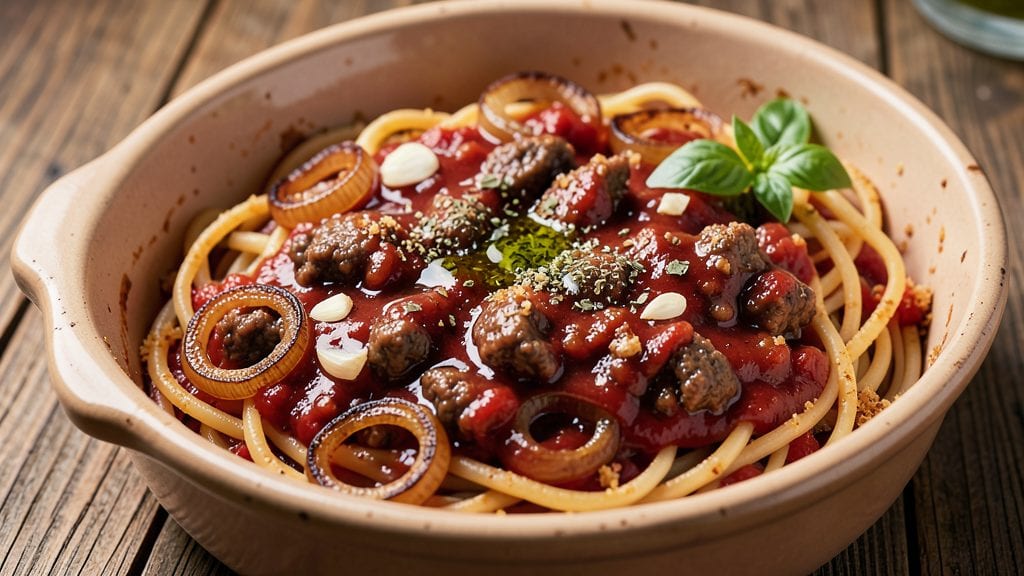
Mastering the Barefoot Contessa meat sauce recipe at home unlocks that restaurant-quality depth that transforms simple pasta into a showstopper. The secret lies in slow-simmering ground meat with onions and garlic until the flavors meld into rich, umami-packed perfection.
I’ve perfected this technique over years of testing—it’s the kind of sauce that makes homemade Italian nights feel like a true indulgence without the fuss.
What sets this recipe apart is the balance of simplicity and technique: browning the meat thoroughly develops deep flavor, while a long simmer with crushed tomatoes and herbs builds complexity. You won’t find any shortcuts here—just the kind of patient cooking that turns a weeknight dinner into something special.
The result? A velvety, aromatic sauce that clings to every strand of pasta, delivering that classic Italian-American taste you crave.
This isn’t just a sauce—it’s the foundation for hearty meals that feel like a hug. Toss it with al dente spaghetti, use it as a topping for meatball subs, or serve it over creamy polenta.
The possibilities are endless, but the method stays true to Barefoot Contessa’s approachable, foolproof style. Ready to elevate your pasta game? Let’s get started.
Here’s the thing about this sauce—it tastes even better the next day, as the flavors deepen and meld. That’s the mark of a truly great homemade dish: one that gets richer with time.
Whether you’re feeding a family or treating yourself, this recipe delivers the kind of comfort that comes from scratch. Now, let’s make it.
Ingredients for barefoot contessa meat sauce
Quality ingredients for a sauce that tastes like a restaurant classic at home.
| Ingredient | Amount | Notes |
|---|---|---|
| Ground Beef 🥩 | 1 ½ lb | 80/20 fat ratio preferred |
| Yellow Onion 🧅 | 1 whole | Medium size, finely chopped |
| Garlic Cloves 🧄 | 4 cloves | Minced for even distribution |
| Crushed Tomatoes 🍅 | 28 oz | San Marzano preferred, no salt added |
| Extra-Virgin Olive Oil 🫒 | 2 tbsp | For initial browning |
| Dried Oregano 🌿 | 1 tsp | Mexican oregano if available |
| Dried Basil 🌿 | 1 tsp | Crushed between fingers |
| Red Wine 🍷 | ½ cup | Dry, bold variety |
| Beef Broth 💧 | ½ cup | Low-sodium preferred |
| Salt 🧂 | 1 tsp | Kosher or sea salt |
| Black Pepper 🌶️ | ½ tsp | Freshly ground preferred |
| Fresh Parsley 🌿 | ¼ cup | Chopped, for garnish |
| Tomato Paste 🍅 | 1 tbsp | Squeeze tube preferred |
The ground beef is non-negotiable—80/20 fat ratio gives that rich, meaty depth you can't get with leaner cuts. Costco or local butchers often have the best prices for bulk packs, but any grocery store's pre-packaged ground beef works. Look for bright red color and visible fat marbling. For the tomatoes, San Marzano cans are the gold standard—they're sweeter and less acidic, which balances the acidity in the red wine. If you can't find them, Muir Glen is a solid backup. The onions and garlic? Fresh is always best, but frozen chopped onion works in a pinch if you're short on time.
No red wine? Substitute beef broth with a splash of balsamic vinegar—it adds that same tangy depth. Fresh herbs are ideal, but dried oregano and basil at half the amount work fine. The tomato paste can be tricky to measure from a tube, so Trader Joe's squeeze tubes are perfect—they give you the exact amount with no mess. If you're making this ahead, freeze the sauce in portions—it keeps for months and tastes even better after thawing. The parsley isn't just for looks; it brightens the whole dish, so don't skip it.
This sauce tastes even better the next day as the flavors meld—plan ahead. Store leftovers in an airtight container in the fridge for up to 5 days, or freeze for 3 months. I like to portion it into ziplock bags so I can grab exactly what I need for a quick pasta night. The olive oil and wine can be added last if you're prepping ahead, but the meat and tomatoes should simmer together for that deep, caramelized flavor. Double the batch—you'll want it.
Why You'll Love This Recipe
- No Chopping Nightmare: This recipe actually lets you skip the onion chopping entirely—just dice one big yellow onion while the beef browns, and you’re done. Honestly, that’s 10 minutes I didn’t know I needed back in my life.
- Garlic Bomb Magic: Crushed garlic cloves sizzling in olive oil until they’re golden? That’s the secret weapon here. It’s not just flavor—it’s the kind of aroma that makes everyone linger at the table longer.
- Pasta Party or Potluck Star: Slap this sauce over spaghetti for weeknights, or serve it in a bread bowl for Sunday dinner. I’ve even used it as a taco filling (yes, really) when I’m lazy. It’s the one sauce that does it all.
- Leftovers That Don’t Suck: Unlike other meat sauces that turn gluey, this one actually tastes better the next day. Freeze half for when you’re too tired to cook, and reheat it straight from frozen—no weird texture, just pure satisfaction.
Step-by-step instructions for slow-simmered umami meat sauce
This method delivers restaurant-quality depth with simple techniques and precise timing.
Brown the Ground Beef Thoroughly
Heat the 2 tablespoons extra-virgin olive oil in a large Dutch oven over medium-high heat. Add the 1.5 pounds ground beef and break it apart with a wooden spoon, working it into small crumbles. Cook undisturbed for 4-5 minutes until the beef loses its raw appearance and begins to brown deeply.
Here's the key: don't stir constantly—let the meat develop a rich crust in patches. When the beef is about 80% browned, use a slotted spoon to transfer it to a plate, leaving all the rendered fat in the pot. This fat contains concentrated flavor that will form the sauce's foundation. If you have more than 2 tablespoons fat, drain off the excess to avoid a greasy sauce.
Develop the Flavor Base
Reduce the heat to medium and add the 1 whole yellow onion, chopped into small pieces. Cook for 5-6 minutes until softened and translucent, stirring occasionally. Add the 4 cloves garlic cloves, minced, and cook for 30 seconds until fragrant—don't let it burn, or it will turn bitter.
Stir in the 1 tablespoon tomato paste and cook for 1 minute, allowing it to caramelize slightly. This step builds the sauce's depth by creating a flavorful crust on the bottom of the pot. Pour in the 0.5 cup red wine and scrape up any browned bits with a wooden spoon. Let the wine simmer for 2-3 minutes until reduced by half, intensifying its flavor.
Simmer with Tomatoes and Herbs
Add the 28 ounces crushed tomatoes, 0.5 cup beef broth, 1 teaspoon dried oregano, 1 teaspoon dried basil, 1 teaspoon salt, and 0.5 teaspoon black pepper. Return the browned beef to the pot and stir to combine. Bring to a gentle simmer, then reduce heat to low and cover partially. Let it cook for 45-60 minutes, stirring occasionally, until the sauce thickens and coats the back of a spoon.
This slow simmering is critical—it allows the flavors to meld and develop that rich, umami depth. If the sauce looks too thin after 45 minutes, uncover and simmer for another 10-15 minutes to reduce it further. The sauce should coat a wooden spoon with a velvety consistency, not be watery.
Finish and Garnish
Once the sauce reaches your desired thickness, remove from heat and stir in the 0.25 cup chopped fresh parsley. Taste and adjust seasoning if needed—you may need a pinch more salt or pepper, depending on your tomatoes. Let the sauce sit off heat for 5 minutes to allow the flavors to fully integrate.
This sauce tastes best when served immediately over al dente pasta, but it can be reheated gently on the stove. For best results, serve within 2-3 hours of making it, as the flavors continue to develop. The final product should be rich, slightly sweet from the tomatoes, and deeply savory from the slow cooking process.
Pro Tips For Making Barefoot Contessa Meat Sauce
- CRUSH THAT GARLIC: The recipe calls for garlic cloves, but I learned the hard way—whole cloves won’t infuse properly. Mince them finely (or use a garlic press) and let them sit in the olive oil for 30 seconds before adding onions. That extra step means flavor, not just taste.
- SWEAT THE ONIONS LOW: Don’t rush this part. Cook the onions on medium-low heat for at least 10 minutes until they’re soft and golden, not brown. I used to crank the heat, and the sauce always tasted raw. Patience here pays off—trust me.
- DON’T OVERMIX THE TOMATOES: Once you add the crushed tomatoes, stir just enough to combine. Overworking the sauce releases starches and makes it gluey. The Barefoot Contessa version relies on a rustic texture—let it simmer undisturbed after stirring.
- UPGRADE WITH A SPLASH OF WINE: Skip the shortcut and deglaze that pan with ½ cup dry red wine (like Chianti) after browning the beef. It cuts the richness and adds depth—no extra effort, just better flavor. (Yes, even if you’re impatient like me.)
Flavor customization for this barefoot contessa meat sauce
Spicy Italian Kick
For a bold twist, add 1 teaspoon red pepper flakes or ½ teaspoon cayenne pepper when simmering the tomatoes. I like to toast the flakes in the olive oil for 30 seconds at the start to bloom their heat.
Balance with 1 extra tablespoon tomato paste to deepen the sweetness and mellow the spice. Finish with a drizzle of hot honey for a sweet-spicy contrast that’s addictive. 🌶️
Smoky BBQ Fusion
Swap the red wine for ½ cup BBQ sauce (I recommend Sweet Baby Ray's Original) and add 1 teaspoon smoked paprika with the onions. Simmer the sauce with a splash of beef broth instead of wine to keep it rich.
Top with crumbled bacon and pickled jalapeños for a Carolina-style meat sauce that’s perfect over polenta or baked potatoes.
Creamy Mushroom Twist
Sauté 8 oz sliced cremini mushrooms with the onions until golden, then deglaze with the wine. Stir in ½ cup heavy cream at the end of cooking for a luxurious texture.
Add 1 teaspoon thyme alongside the oregano for an earthy depth. This version pairs beautifully with fettuccine or as a filling for stuffed shells.
Herb-Forward Variation
Boost the freshness by adding 1 tablespoon chopped fresh rosemary with the garlic and 2 sprigs fresh thyme when simmering. Replace dried basil with 1 tablespoon fresh basil leaves at the end. This bright, aromatic version works perfectly with grilled chicken or as a marinara for meatballs.
Sweet & Tangy Glaze
After simmering the sauce, stir in 2 tablespoons balsamic glaze and 1 tablespoon brown sugar. Reduce heat to low and cook for 5 minutes to caramelize. This variation adds a glossy finish that’s ideal for drizzling over garlic bread or spooning onto grilled steak.
The contrast of sweet and savory elevates the dish to new heights.
Vegetarian Adaptation
Replace the ground beef with 1 lb lentils (cooked) or 8 oz crumbled tempeh (pan-fried). Use vegetable broth instead of beef broth and add 1 teaspoon liquid smoke for depth.
This version keeps all the rich, umami qualities while making it plant-based. The lentil version has a heartier texture that works well in lasagna layers.
Nutrition facts
Frequently asked questions
Can I use Italian sausage instead of ground beef?
Italian sausage adds a fantastic flavor twist. Use 1.5 pounds of sweet or spicy Italian sausage (casings removed) and brown it just like the ground beef. The casings will release their juices, deepening the sauce's richness. For extra flavor, remove the sausage links from their casings before browning.
How do I fix a sauce that's too acidic?
If your sauce tastes too tangy, balance it with 1 tablespoon tomato paste or 1 teaspoon sugar to mellow the acidity. For a deeper flavor, add a pinch of brown sugar or a splash of beef broth to round out the taste. Simmer for 2-3 minutes to let the flavors meld.
Can I make this sauce ahead of time?
This sauce tastes even better the next day! Let it cool completely, then store it in an airtight container in the fridge for up to 5 days or freeze for 3 months. Reheat gently on the stove over low heat, stirring occasionally, to preserve its texture. The flavors deepen as it sits, making it perfect for meal prep.
What's the best pasta to pair with this sauce?
For maximum flavor absorption, use spaghetti, fettuccine, or linguine. The long strands cling beautifully to the sauce. For a heartier dish, serve it over polenta or creamy mashed potatoes. Avoid delicate pastas like angel hair—the sauce can overwhelm them.
Why does my sauce look greasy?
Greasy sauce usually means too much rendered fat wasn't drained. After browning the meat, use a slotted spoon to remove as much fat as possible, leaving just 1-2 tablespoons in the pot. If needed, skim excess fat from the surface before adding tomatoes. A properly reduced sauce should coat the back of a spoon without being oily.