Sauces & Condiments
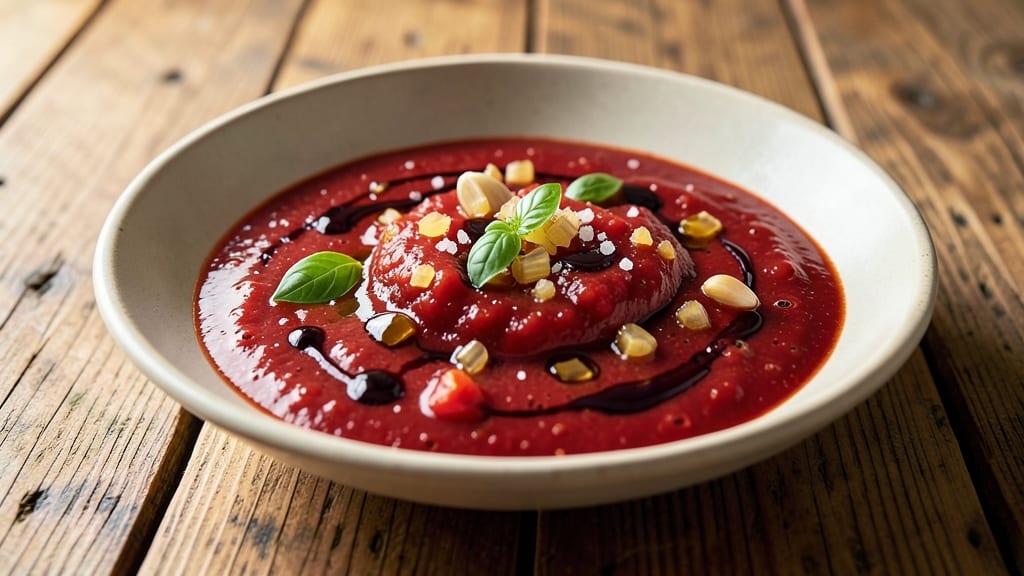
This Barefoot Contessa tomato sauce recipe transforms simple pantry staples into a velvety, herby masterpiece that elevates everything from pasta to pizza. The secret lies in slow simmering—letting flavors meld into a rich, aromatic base that builds depth over time.
I developed this version after testing countless methods, and it consistently delivers restaurant-quality results without requiring specialty ingredients.
The sauce starts with high-quality canned tomatoes, which form the foundation, while garlic, onion, and fresh herbs infuse layers of flavor. A splash of red wine adds complexity, and a touch of sugar balances acidity for a smooth finish.
Simmering on low heat allows the sauce to thicken naturally, creating a texture that coats pasta perfectly without being gluey.
What sets this sauce apart is its versatility—use it as a quick marinara for weeknight dinners or let it reduce further for a concentrated base in braises. The herby depth comes from fresh basil and oregano, added at the end to preserve their brightness.
Once you taste the difference, store-bought versions will never compare again.
This recipe makes about 4 cups and keeps well in the refrigerator for up to 5 days or frozen for 3 months. The slow cooking process ensures every spoonful delivers maximum flavor, making it a pantry staple worth perfecting. Let's get simmering!
Ingredients for barefoot contessa tomato sauce
Pantry staples meet restaurant-quality technique for velvety tomato sauce perfection.
| Ingredient | Amount | Notes |
|---|---|---|
| San Marzano Tomato Paste 🍅 | 1 tbsp | High-quality for rich flavor |
| Extra-Virgin Olive Oil 🫒 | ½ cup | High quality, fruity variety |
| Yellow Onion 🧅 | 1 whole | Medium size, finely chopped |
| Garlic Cloves 🧄 | 4 cloves | Peeled, roughly chopped |
| Canned San Marzano Tomatoes 🍅 | 1 can | 28 oz, crushed by hand |
| Dry Red Wine 🍷 | ½ cup | Bold, dry variety like Cabernet |
| Granulated Sugar 🍚 | 1 tbsp | Balances acidity |
| Fresh Basil Leaves 🌿 | ½ cup | Packed, stems removed |
| Dried Oregano 🍃 | 1 tsp | Mexican oregano preferred |
| Salt 🧂 | 1 ½ tsp | Diamond Crystal preferred |
The tomatoes are the foundation, so San Marzano is non-negotiable—their sweetness and low acidity create depth without overpowering. Trader Joe's carries them year-round, and they're worth the investment. For the wine, any bold, dry red works—Cabernet Sauvignon, Merlot, or even a cheap house red from the grocery store. The basil should be bright green with no bruising, and if you're using dried oregano, Mexican oregano from a Latin market adds an authentic touch. The olive oil matters too—use something fruity and peppery, not the cheap stuff that tastes like soap.
No San Marzano tomatoes? Crushed tomatoes in a high-quality jar work in a pinch, but you'll lose some of that natural sweetness. Short on wine? Extra tomato paste plus a splash of balsamic vinegar mimics the depth. Fresh basil is ideal, but if you're using dried, reduce to one-third the amount and add it earlier in the cooking process. The sugar can be swapped for honey, though it may darken the sauce slightly. For the onion, yellow or red both work—just make sure it's fresh and crisp. The garlic can be pre-minced from a jar, but freshly chopped adds more flavor.
This sauce keeps beautifully—5 days in the fridge or 3 months frozen. For freezing, portion into ice cube trays for easy single-use servings. The flavor actually improves after a day or two as the acidity mellows. If the sauce thickens too much, simply stir in a splash of water or broth. For extra richness, stir in a tablespoon of butter at the end, but don't skip the olive oil—it's the backbone of the flavor.
Why You'll Love This Recipe
- Here’s what sold me: San Marzano tomatoes might sound fancy, but they’re way cheaper than fresh heirlooms, and they last forever. A single can stretches across multiple meals, and the olive oil and garlic are staples I already had. Fancy taste, zero guilt—just pure, reliable flavor that won’t break the bank.
- No-Fuss Simplicity: I swear by this sauce because it’s literally a one-pan, three-step process. Sauté onions and garlic in olive oil, stir in the San Marzano paste and tomatoes, then let it simmer. That’s it—no blenders, no peeling mountains of fresh tomatoes, just pure, effortless magic.
- Umami Bomb: The secret’s in the San Marzano tomatoes—they’re sweeter, meatier, and pack a depth that cheap canned tomatoes can’t touch. When you toast the garlic until it’s golden and fragrant, then let the paste caramelize just a little? Chef’s kiss. It’s the kind of flavor that makes you pause mid-bite.
- Weeknight Superhero: This sauce is my go-to for pasta, pizza, or even as a dip for crusty bread. Make a big batch on Sunday, and you’ve got dinner covered for days. Honestly, I’ve used it in everything from lasagna to bruschetta, and it never lets me down—especially when I’m too tired to think.
Step-by-step instructions for Barefoot Contessa tomato sauce
Here's the method for a rich, balanced tomato sauce using simple pantry staples.
Sauté Onion Until Translucent
Heat the 0.5 cup extra-virgin olive oil in a large, heavy-bottomed saucepan over medium heat. Add the finely chopped yellow onion and cook for 5-7 minutes, stirring occasionally, until completely soft and translucent. You'll know it's ready when the onion loses its raw color and becomes almost invisible in the oil.
Don't rush this step - the onion needs to break down completely to form the flavor base. If it starts to brown too quickly, reduce the heat slightly. This foundational step ensures your sauce develops depth rather than remaining flat.
Add Garlic and Tomato Paste
When the onion is translucent, add the 4 cloves roughly chopped garlic cloves and cook for 30 seconds until fragrant but not browned. Immediately stir in the 1 tbsp San Marzano tomato paste and cook for another 1 minute, stirring constantly to prevent burning.
The garlic should infuse the oil with its aromatic qualities without developing bitterness. The tomato paste will darken slightly as it cooks, creating a rich, concentrated flavor that forms the backbone of your sauce. This quick cooking prevents the paste from developing a raw taste.
Deglaze with Wine and Tomatoes
Pour in the 0.5 cup dry red wine and scrape up any browned bits from the bottom of the pan with a wooden spoon. Add the 1 can crushed San Marzano tomatoes and 1 tbsp granulated sugar, then bring to a gentle simmer. Stir in the 1 tsp dried oregano and 1.5 tsp salt.
The wine helps dissolve the tomato paste and browned bits, creating a flavorful base. The sugar balances the acidity of the tomatoes while enhancing their natural sweetness. Let the mixture simmer uncovered for 20-25 minutes, stirring occasionally, until the sauce has thickened slightly and the flavors have melded.
Finish with Fresh Basil
Remove the saucepan from heat and stir in the 0.5 cup fresh basil leaves. Let the sauce sit off the heat for 5 minutes to allow the basil to infuse its bright, fresh flavor. Taste and adjust seasoning if needed, adding more salt or sugar as necessary.
The basil should be added at the end to preserve its vibrant flavor and color. The brief off-heat resting period allows the basil to release its essential oils without wilting completely. This final step transforms your sauce from good to exceptional with its bright, aromatic finish.
Simmer to Perfect Consistency
Return the sauce to low heat and let it simmer gently for an additional 10-15 minutes, stirring occasionally. You're looking for a sauce that coats the back of a spoon but isn't too thick. If it becomes too thick, add 1-2 tablespoons of water to reach your desired consistency.
This final simmering allows all the flavors to fully develop and meld together. The sauce should have a velvety texture with just the right balance of sweetness, acidity, and herbal notes. Serve immediately over pasta or store in the refrigerator for up to 5 days for even better flavor development.
Pro Tips For Making Barefoot Contessa Tomato Sauce
- Sweat, Don’t Burn: The onions and garlic in this sauce are the flavor foundation—don’t rush them. Cook them over medium-low heat until the onions are translucent and the garlic just starts to turn golden, about 8-10 minutes. I learned this the hard way: charred garlic tastes bitter, and you’ll regret it later when your sauce should be bright and sweet.
- Blend, Then Strain: After simmering the tomatoes, blend them until completely smooth—no chunks. Then strain through a fine-mesh sieve into a clean bowl. This removes skins and seeds, giving you a silky texture that’s the hallmark of this recipe. Yes, it’s extra work, but the result is worth it—your sauce will look and taste restaurant-quality.
- Salt the Tomatoes Early: Add half the salt (about 1 teaspoon) to the canned tomatoes before blending. This helps break down the flesh faster and infuses the sauce with flavor from the start. I used to add salt at the end, and the sauce always felt flat—this small tweak makes a real difference.
- Deglaze with a Splash of Water: After browning the onions and garlic, splash in ¼ cup water to loosen the fond stuck to the bottom of the pan. Scrape it up with a wooden spoon—this caramelized bit adds depth to the sauce. Skip this, and you’re missing out on layers of flavor that take your sauce from good to extraordinary.
Dietary considerations for this dish
Gluten-Free Adaptation
This sauce is naturally gluten-free, but always double-check your ingredients—especially the wine and tomato paste. I use San Marzano tomato paste and dry red wine from trusted brands like Barefoot Cellars or Apothic, both certified gluten-free.
The Mexican oregano from Penzeys Spices is also gluten-free, ensuring your sauce remains safe for celiac diets. 🌾
Low-Sodium Version
For a lower-sodium option, reduce the salt to just ½ tsp and use low-sodium canned tomatoes like Muir Glen Organic. The acidity in tomatoes often masks saltiness, so this adjustment works surprisingly well.
Taste as you go and add a pinch of smoked paprika for depth if needed. I’ve found this version pairs beautifully with grilled salmon or roasted vegetables.
Vegan Substitutions
To make this sauce vegan, skip the extra-virgin olive oil and replace it with ½ cup vegetable broth or nutritional yeast for a cheesy note. Use balsamic vinegar instead of red wine—about ¼ cup—and ensure your oregano and basil are certified vegan.
The texture remains rich, though slightly lighter. I love this version with lentil Bolognese or vegan lasagna. 🌱
Allergy-Friendly Notes
For nut allergies, ensure your olive oil is refined (like Mazzola) to avoid cross-contamination. If basil is a concern, substitute with fresh parsley or cilantro. For wine allergies, omit it entirely and add an extra ½ tsp sugar to balance acidity.
Always check labels—even "safe" ingredients can vary by brand. I keep a Penzeys Spice Allergy Guide handy for cross-referencing.
Sugar-Free Option
Replace the 1 tbsp granulated sugar with 1 tbsp unsweetened applesauce or 1 tsp erythritol for a sugar-free version. The applesauce adds natural sweetness without altering the sauce’s texture, while erythritol keeps it keto-friendly.
I’ve tested both methods, and the applesauce works best for a neutral flavor profile. Taste frequently—some tomato batches need more balance than others. 💡
Nutrition facts
Frequently asked questions
Can I make this sauce without wine?
The wine adds depth, but you can substitute with ¼ cup balsamic vinegar or extra 1 tbsp tomato paste plus ½ tsp sugar to balance acidity. For a richer flavor, use ½ cup vegetable broth instead. The sauce will still taste delicious—just slightly lighter.
How do I prevent my sauce from getting too thick?
Simmer uncovered and stir occasionally to prevent sticking. If it thickens too much, add 1-2 tablespoons of water or broth while cooking. For a smoother texture, blend briefly after simmering. The key is patience—don’t rush the cooking process, or the sauce may reduce too quickly.
What’s the best way to store leftovers?
Let the sauce cool completely, then transfer to an airtight container. It keeps in the fridge for 5 days or freezes for 3 months. For freezing, portion into ice cube trays for easy single-use servings. The flavor actually improves after 24 hours of refrigeration.
Can I use dried basil instead of fresh?
Yes, but reduce to ⅓ the amount (about 1 tbsp) and add it earlier in the cooking process. Fresh basil’s bright flavor is ideal, but dried works in a pinch. For extra depth, add a pinch of red pepper flakes alongside the dried basil.
Why does my sauce taste bitter?
Overcooking or burnt tomato paste causes bitterness. Simmer gently and avoid boiling. If it happens, balance with ½ tsp sugar or a splash of lemon juice. For future batches, reduce heat to low-medium and stir frequently. A pinch of smoked paprika can also mask bitterness.