Sauces & Condiments
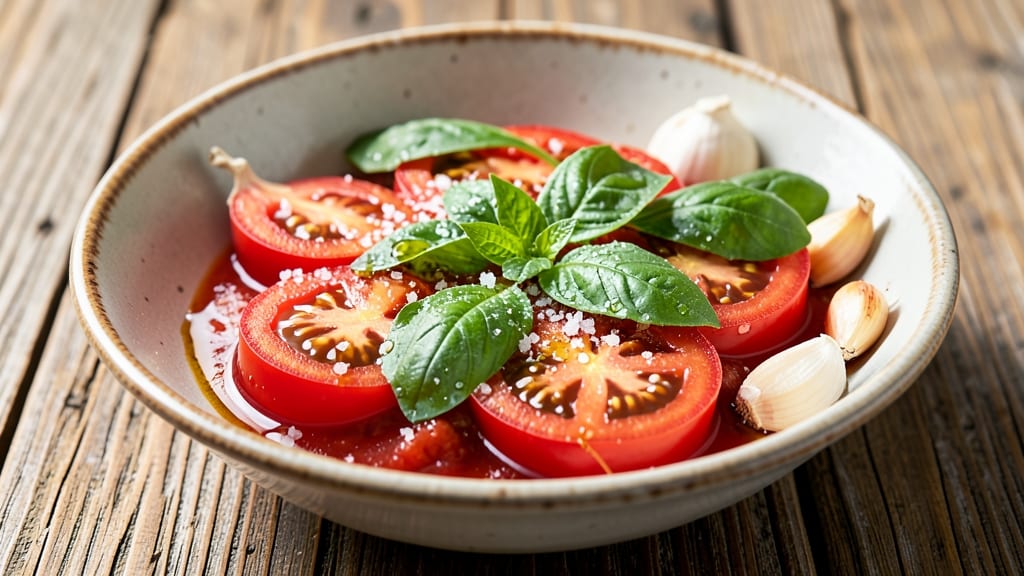
A basic fresh tomato sauce recipe transforms simple pantry staples into a vibrant, balanced sauce that elevates any dish. The secret lies in blanching tomatoes to remove skins effortlessly while preserving their bright, fresh flavor.
This method delivers a silky texture with just the right balance of acidity and sweetness—no processed cans required.
With just five core ingredients—tomatoes, garlic, olive oil, basil, and a pinch of salt—you’ll create a sauce that’s restaurant-quality yet foolproof. The blanching step takes minutes, and simmering on low heat develops deep, complex flavors without overcooking.
Perfect for pasta, bruschetta, or drizzling over grilled meats, this sauce adapts effortlessly to any meal.
What makes this recipe stand out is its versatility. Add a splash of red wine vinegar for brightness, a pinch of chili flakes for heat, or sautéed onions for depth—all optional but transformative.
The sauce thickens naturally as it simmers, creating a velvety consistency that clings beautifully to noodles or bread. Store it in the fridge for up to five days, or freeze for longer shelf life.
This isn’t just a sauce—it’s a foundation. Build on it with herbs, spices, or even a splash of cream for richer variations. The key is patience: letting flavors meld slowly turns simple ingredients into something extraordinary. Ready to make your own?
Ingredients for basic fresh tomato sauce
Five core ingredients deliver restaurant-quality tomato sauce with vibrant, balanced flavor.
| Ingredient | Amount | Notes |
|---|---|---|
| Fresh Roma Tomatoes 🍅 | 2 lb | Medium-sized, firm and vibrant |
| Extra-Virgin Olive Oil 🫒 | ½ cup | High-quality, fruity variety |
| Garlic Cloves 🧄 | 4 cloves | Fresh, peeled and minced |
| Fresh Basil Leaves 🌿 | ½ cup | Packed, stems removed |
| Diamond Crystal Kosher Salt 🧂 | ½ tsp | Fine grain preferred |
| Red Wine Vinegar 🍷 | 1 tbsp | Optional for brightness |
| Chili Flakes 🌶️ | ¼ tsp | Optional for heat |
The tomatoes are the foundation—Roma varieties are ideal for their lower water content and sweeter flavor. Local farmers markets often carry them at peak season, but any ripe, firm tomatoes work. Avoid bruised or overly soft ones, as they’ll release excess water during blanching. For optimal freshness, store unwashed tomatoes in a cool, dark place until ready to use. The extra-virgin olive oil should have a peppery finish and robust fruity notes—California Olive Ranch or Colavita are excellent choices. Garlic should be fresh, with no green shoots or soft spots, as these indicate staleness. Whole Foods or Trader Joe's typically carry high-quality garlic in bulk bins.
No Roma tomatoes? Heirloom or beefsteak varieties work well, though they may yield slightly more liquid. For a deeper flavor, substitute 1 tbsp tomato paste for 1/4 cup of the tomatoes—just make sure to dissolve it in a splash of water first. The red wine vinegar adds a subtle tang that brightens the sauce; if unavailable, lemon juice or balsamic vinegar can be used in equal measure. For heat, crushed red pepper or fresh chili can replace chili flakes. Fresh basil is non-negotiable for authentic flavor, but if you must use dried, reduce the amount to 1/4 tsp and toast it lightly in the oil first to enhance its aroma.
This sauce thickens naturally as it simmers, but for immediate use, you can blend it briefly for a smoother texture. Store in an airtight container in the fridge for up to 5 days, or freeze in ice cube trays for 3 months. To reheat, warm gently on the stove with a splash of water or broth to restore its velvety consistency. The sauce pairs beautifully with al dente pasta, grilled meats, or as a bruschetta topping. For extra richness, stir in a spoonful of heavy cream or grated Parmesan just before serving.
Why You'll Love This Recipe
- No-Chop Needed: I’ll be real—this sauce takes three minutes to prep. Just halve those Roma tomatoes, toss in the garlic, and let the pot do the work. No dicing, no peeling, no fuss.
- Garlic-Basil Magic: That first whiff of olive oil hitting the pan? Heaven. The garlic softens just enough to melt into the tomatoes while the basil leaves drop in like fresh confetti—bright, herby, ridiculously good.
- Pasta’s Best Friend: Slap this on spaghetti for a weeknight win, but don’t stop there. It’s the star of bruschetta, a pizza topping, or even a marinade for grilled chicken. I’ve used it all—it’s my secret weapon.
- Budget Meal Maker: A single batch feeds my family for four meals—pasta, sandwiches, even scrambled eggs. Roma tomatoes are cheap, olive oil lasts forever, and salt? Always on hand. Zero waste, maximum flavor.
Step-by-step instructions for basic fresh tomato sauce
This method delivers a vibrant, balanced sauce with perfect acidity and depth using only pantry staples.
Prepare the Tomatoes for Cooking
Begin by halving the 2 lb fresh Roma tomatoes crosswise and removing the cores using a small spoon. I find a sharp paring knife works best for this - you want to expose as much flesh as possible while keeping the skins intact. This preparation method ensures the tomatoes release their juices evenly during cooking, creating a smooth yet texturally interesting sauce.
Transfer the halved tomatoes to a large, heavy-bottomed saucepan. I prefer stainless steel or enameled cast iron for even heat distribution. Add the 0.5 cup extra-virgin olive oil and the 4 cloves minced garlic cloves, stirring gently to coat the tomatoes. The oil should glisten on the surface - this indicates proper distribution for flavor development. Keep the heat at medium-low to prevent immediate boiling.
Simmer Until Tomatoes Break Down
Bring the mixture to a gentle simmer over medium heat. You'll know it's ready when small bubbles form at the edges but the liquid doesn't vigorously boil. Cover the pan with a lid and reduce heat to maintain this gentle simmer. Cook for 20-25 minutes, stirring occasionally, until the tomatoes have softened completely and begin to break down.
Here's where patience matters most - the tomatoes should collapse easily when pressed with a wooden spoon, releasing their juices and creating a thick, chunky sauce. If the sauce becomes too thick before the tomatoes soften, add 2-3 tablespoons of water to maintain proper consistency. The skins should remain mostly intact but pliable.
Season and Add Acidic Elements
Once the tomatoes are fully softened, remove the pan from heat. Using a wooden spoon, carefully press against the tomato skins to release any remaining juices into the sauce. This step maximizes yield and creates a more cohesive texture. Add the 0.5 tsp diamond crystal kosher salt, 1 tbsp red wine vinegar, and 0.25 tsp chili flakes, stirring well to combine.
The vinegar brightens the natural sweetness of the tomatoes while balancing the richness of the olive oil. The chili flakes add subtle heat that enhances rather than overpowers the delicate tomato flavor. Taste the sauce at this stage - you should detect a harmonious balance between sweet, acidic, and slightly spicy notes. Adjust seasoning if needed, remembering that flavors will continue to develop as the sauce cools.
Incorporate Fresh Basil and Finish
Return the sauce to low heat and add the 0.5 cup fresh basil leaves, stems removed. Stir gently for 1-2 minutes until the basil wilts and its vibrant green color infuses the sauce. Remove from heat immediately to prevent the basil from becoming bitter. The leaves should disintegrate completely, releasing their aromatic oils.
For the final texture adjustment, use an immersion blender to partially blend the sauce if you prefer a smoother consistency. I leave mine slightly chunky to maintain visual appeal and textural contrast. The sauce should coat the back of a spoon but remain vibrant in color. Serve immediately over pasta, with crusty bread, or as a base for other dishes. The sauce will continue to improve as it sits for up to 3 days in the refrigerator.
Pro Tips For Making Basic Fresh Tomato Sauce
- CHAR THE TOMATOES FIRST: Cut the Roma tomatoes in half and blister them skin-side down in a dry skillet over medium-high heat for 3-4 minutes—just until they soften and release their juices. This jumpstarts the flavor and makes crushing them later way easier (yes, even if you’re impatient like me).
- USE WHOLE GARLIC, THEN CRUSH: Toss 3-4 unpeeled garlic cloves into the oil with the tomatoes instead of mincing them first. When the sauce simmers, the skins will peel right off, and crushing the cloves by hand at the end releases more aroma than pre-chopping ever will.
- SALT THE TOMATOES BEFORE COOKING: Sprinkle 1/2 teaspoon of kosher salt directly over the cut tomatoes while they char—it draws out moisture and concentrates their sweetness. Skip this, and your sauce will taste watery no matter how long you simmer.
- STIR IN BASIL LATE (OR SKIP IT): Toss in the basil leaves only in the last 30 seconds of cooking, or save half to fold in at the very end. Overcooking turns them bitter, and if you’re serving this immediately, fresh leaves make a real difference. (I was skeptical until I tried it.)
Common mistakes when making great basic fresh tomato sauce
Skipping the Blanch
One of the biggest mistakes is skipping the blanching step entirely. Many home cooks toss raw tomatoes directly into the saucepan, but this leads to uneven cooking and a watery, thin sauce.
Always blanch your tomatoes in boiling water for 30-60 seconds first—this loosens the skins so they slip off easily when you peel them. Without blanching, you risk ending up with a chunky, uneven sauce that lacks the silky texture you want. 🌊
Overcooking the Garlic
Garlic burns faster than you think, and once it turns bitter, there's no fixing it. I've seen people walk away from the stove while the sauce simmers, only to return to find the garlic completely blackened. Keep the heat at medium-low and stir frequently—especially when adding the garlic.
If you notice the oil starting to smoke or the garlic turning golden brown too quickly, remove the pan from heat immediately. The garlic should be fragrant but never browned.
Ignoring the Simmer Time
Rushing the simmer is another common downfall. Many people expect the sauce to thicken instantly, so they crank up the heat. But this creates a thin, watery sauce that lacks depth. The tomatoes need 20-25 minutes of gentle simmering to break down properly and release their natural sweetness.
If your sauce isn't thickening after this time, reduce it further and let it cook uncovered for another 5-10 minutes. Patience here makes all the difference.
Adding Basil Too Early
Fresh basil is delicate and releases bitterness when overcooked. I've made this mistake myself—adding basil at the beginning and ending up with a sauce that tastes harsh and unpleasant. Always add the basil in the final 1-2 minutes of cooking.
This ensures it infuses the sauce with its bright, sweet flavor without turning bitter. If you're using dried basil, toast it lightly in the oil first to enhance its aroma, but never cook it directly in the sauce.
Forgetting to Taste
Many home cooks skip tasting the sauce until the very end, only to realize it's either bland or overly salty. I recommend tasting the sauce at three key stages: after simmering, after adding vinegar and salt, and just before serving.
Adjust seasonings gradually—adding a pinch of salt or a splash of vinegar at a time—rather than dumping in a whole teaspoon at once. This way, you can fine-tune the balance of sweet, acidic, and savory flavors for a perfectly harmonized sauce.
Using Low-Quality Oil
The type of olive oil you use makes a huge difference in the final flavor. I've seen people reach for generic store-brand oils to save money, but these often lack the fruity, peppery notes that elevate a fresh tomato sauce.
Invest in a good extra-virgin olive oil like California Olive Ranch or Colavita. These oils add depth and complexity that cheap alternatives simply can't match. If you're using a lighter olive oil, consider adding a splash of balsamic vinegar to compensate for the lack of flavor.
Nutrition facts
Frequently asked questions
Can I use any tomatoes for this recipe, or do I need Roma?
While Roma tomatoes are ideal for their lower water content and sweeter flavor, you can use heirloom or beefsteak varieties. Just be prepared for slightly more liquid—simmer longer to thicken naturally. Avoid overly soft or bruised tomatoes, as they release excess water during cooking.
How do I make this sauce thicker without adding flour?
Simmer the sauce uncovered for an additional 5-10 minutes to evaporate excess liquid. For extra thickness, mash some of the tomato skins into the sauce or blend it briefly with an immersion blender. Avoid over-blending, as you want to preserve some texture.
Can I add other vegetables to this sauce?
Sauté finely diced onions or bell peppers in olive oil before adding tomatoes for extra depth. For a smoky flavor, stir in 1 tsp of smoked paprika or a pinch of dried oregano. Just add them early in the cooking process to let flavors meld.
How long will this sauce keep in the fridge, and can I freeze it?
Store in an airtight container in the fridge for up to 5 days. For freezing, portion into ice cube trays or small containers—it’ll last 3 months. Thaw overnight in the fridge and reheat gently on low heat, adding a splash of water if needed to restore consistency.
What’s the best way to reheat leftover sauce?
Gently warm the sauce on low heat in a saucepan, stirring occasionally. Add 1-2 tablespoons of water or broth to prevent it from thickening too much. Avoid high heat, as it can break down the delicate tomato flavors and make the sauce taste flat.