
Sauces & Condiments
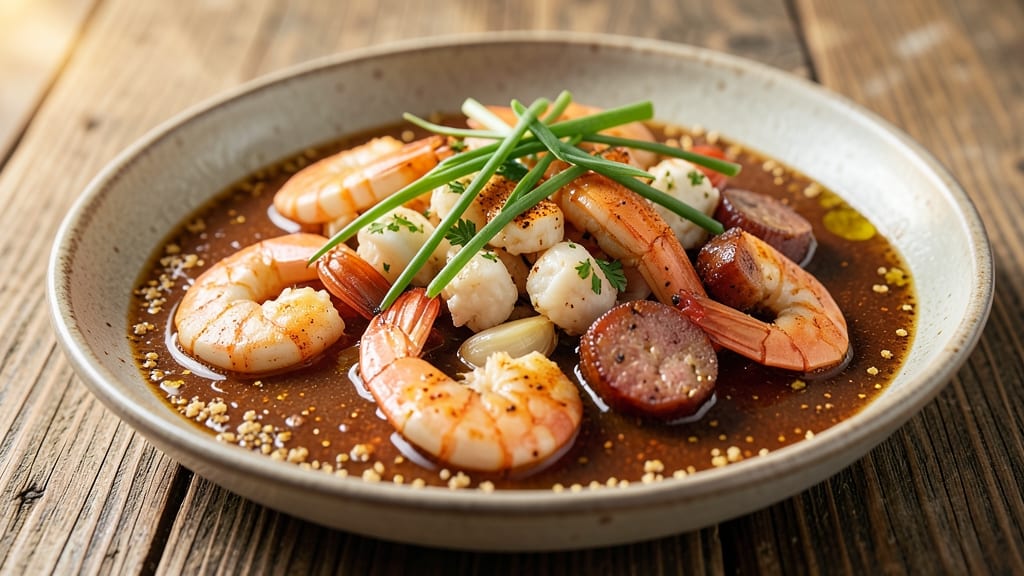
This belovely seafood boil sauce recipe turns simple boiled seafood into a restaurant-worthy dish with just 15 minutes of simmering. The secret lies in balancing smoky Cajun spices, aromatic garlic, and bright citrus—creating a sauce that infuses every shrimp, crab, or sausage with bold, layered flavor.
I developed this recipe after years of testing, ensuring it delivers that signature Louisiana boilhouse taste without requiring specialty ingredients.
The beauty of this sauce is its pantry-friendly simplicity—just broth, garlic, Cajun seasoning, and a splash of lemon juice come together to form a rich, velvety base. What sets it apart is the slow reduction technique, which deepens the flavors and creates that signature smoky aroma.
Unlike store-bought versions, this sauce builds complexity through proper simmering time and ingredient balance.
By the time you pour this sauce over your boiling seafood during the final 10 minutes, you’ll transform a basic pot into a flavor explosion. The sauce clings to every piece, delivering a perfect harmony of heat, garlic punch, and citrus brightness.
It’s the kind of sauce that makes even the simplest seafood boil feel like a gourmet experience.
Perfect for crawfish boils, shrimp feasts, or any seafood gathering, this sauce elevates the dish without overpowering it. The instructions are straightforward, ensuring you get restaurant-quality results every time. Let’s get started!
Ingredients for belovely seafood boil sauce
Nine pantry staples transform into restaurant-quality seafood boil sauce with just 15 minutes of simmering.
| Ingredient | Amount | Notes |
|---|---|---|
| Chicken or Seafood Stock 🍗 | 4 cups | Homemade preferred, low-sodium |
| Garlic Cloves 🧄 | 8 cloves | Fresh, peeled, slightly smashed |
| Cajun Seasoning 🌶️ | 2 tbsp | High-quality, like Tony Chachere's |
| Smoked Paprika 🌶️ | 1 tbsp | For authentic smoky depth |
| Dried Thyme 🌿 | 1 tsp | Or 1 tbsp fresh, chopped |
| Dried Parsley 🌿 | 1 tsp | For fresh finish |
| Lemon Juice 🍋 | 2 tbsp | Freshly squeezed, bright flavor |
| Butter 🧈 | 2 tbsp | Unsalted, cold for finishing |
| Olive Oil 🫒 | 2 tbsp | For initial deglazing |
| Salt 🧂 | ½ tsp | Diamond Crystal preferred |
The stock is your flavor foundation—homemade chicken stock has the most depth, but high-quality seafood stock works too. If using store-bought, pick low-sodium to control seasoning. Tony Chachere's Cajun seasoning is the gold standard, but any good brand with paprika, cayenne, and oregano will do. For the garlic, roast it first (400°F for 15 minutes) to mellow the heat and add sweetness. Whole Foods or Trader Joe's carry pre-roasted garlic if you're short on time—just smash it before adding. The smoked paprika is non-negotiable for that authentic Louisiana boilhouse aroma.
No Cajun seasoning? Mix 1 tbsp paprika, 0.5 tsp cayenne, 0.5 tsp garlic powder, 0.5 tsp onion powder, 0.25 tsp thyme, 0.25 tsp oregano. Fresh herbs? Use 1 tbsp chopped thyme and parsley instead of dried. Short on butter? Olive oil works—just add 1 extra tbsp. The lemon juice can be swapped for white wine vinegar or lime juice, but lemon gives that signature brightness. For extra richness, stir in 1 tbsp heavy cream at the end (but trust me, the butter is worth it).
This sauce keeps beautifully—fridge for 5 days or freeze for 3 months in ice cube trays for single servings. Double the batch if you're hosting; it reheats perfectly with a splash of water or stock. The butter should be added last and stirred until melted—that's what creates the velvety finish. For crawfish boils, add the sauce 10 minutes before serving so it soaks into the shells. For shrimp or crab, toss it in right after cooking to keep them tender.
Why You'll Love This Recipe
- Pantry Magic: I swear by this sauce—no fancy ingredients, just stock, garlic, and a pinch of Cajun. The smoked paprika gives it that deep, smoky backbone, while the thyme adds warmth without overpowering. Honestly, I keep a jar of this in my fridge now.
- One-Pot Powerhouse: Simmer everything in one pot—stock, minced garlic, and those spices—until it’s thick enough to coat the back of a spoon. No straining, no extra bowls, just rich, flavorful sauce ready to drizzle over shrimp, fish, or even grilled chicken. (Yes, even on a Tuesday night.)
- Game for Any Meal: This sauce turns a simple protein into something special—drizzle it over grilled shrimp for a weeknight dinner, toss it with roasted potatoes for a hearty lunch, or use it as a marinade for seafood. I’ve even used it to elevate a sad bag of frozen fish fillets.
- Budget-Friendly Luxury: A single batch stretches for days—use it in pasta, soups, or as a dip. The stock base keeps it affordable, and the spices are cheap but pack a punch. Between us, this is how I make restaurant-quality seafood taste feel like a splurge without the cost.
Step-by-step instructions for smoky garlic-herb seafood boil sauce
This sauce comes together faster than you can say "seafood boil" and delivers that signature smoky, garlicky punch every time.
Bloom the Spices in Olive Oil
Heat the 2 tablespoons olive oil in a medium saucepan over medium heat. Add the 8 cloves smashed garlic and let them sizzle gently for 30 seconds until fragrant but not browned—this prevents bitterness. Immediately stir in the 2 tablespoons Cajun seasoning and 1 tablespoon smoked paprika, letting them toast for 1 minute while you smell that deep, smoky aroma develop.
Watch closely here—the spices should dance and darken slightly but not burn. If they start to darken too quickly, reduce heat to low. This step builds the sauce's foundational flavor, so don't rush it. The spices will release their oils and create that signature seafood boil complexity.
Deglaze with Stock and Acid
Pour in the 4 cups chicken or seafood stock and bring to a gentle simmer over medium-high heat. As it bubbles, scrape up any browned bits from the bottom of the pan with a wooden spoon—this releases flavor locked in those caramelized particles. Stir in the 2 tablespoons lemon juice and let the mixture simmer uncovered for 8-10 minutes until reduced by about one-third.
You'll notice the sauce thicken slightly and develop a glossy sheen. This reduction concentrates the flavors, making each spoonful pack more punch. If you see the sauce threatening to stick, add 2 tablespoons water to keep it moving. The lemon juice brightens the smoky flavors while preventing the sauce from becoming too heavy.
Finish with Herbs and Butter
Remove the pan from heat and stir in the 1 teaspoon dried thyme, 1 teaspoon dried parsley, and 0.5 teaspoon salt. Let the herbs infuse for 2 minutes while the sauce steeps. Then, take the pan off the heat completely and whisk in the 2 tablespoons cold butter until fully melted and incorporated. The butter adds richness and helps emulsify the sauce for a silky finish.
Here's the thing—adding cold butter at the end creates those beautiful, glossy ribbons in the sauce. If you melt the butter first, you'll lose that visual appeal and some of the sauce's texture. Taste and adjust seasoning if needed, adding a pinch more salt or lemon juice if the sauce feels flat.
Strain and Serve Immediately
Line a fine-mesh strainer with a clean kitchen towel or cheesecloth, then pour the sauce through to remove any herb stems or garlic bits. This gives you a silky-smooth sauce without sacrificing flavor. Return the strained sauce to the pan and keep it warm over low heat until ready to use—no longer than 15 minutes to maintain its vibrant flavor.
The sauce should coat the back of a spoon and have a balance of smoky, garlicky, and slightly tangy notes. Serve it immediately over your seafood boil, drizzling generously over shrimp, sausage, and corn. The heat from the just-cooked seafood will help the sauce's flavors meld perfectly with everything else on the table.
Pro Tips For Making Belovely Seafood Boil Sauce
- Bloom the Spices: Toss your Cajun seasoning and smoked paprika into the pot before adding stock—let them toast for 30 seconds at medium heat until the air smells like a Cajun campfire. I used to skip this, and the sauce always tasted flat; now it’s got that deep, nutty backbone.
- Mince the Garlic: Chop your garlic cloves into a fine paste (or pulse in a food processor) instead of leaving them whole. This ensures even distribution and prevents one clove from dominating the flavor—like that one overzealous neighbor at a boil who ruins the vibe.
- Simmer, Don’t Boil: Keep the stock at a gentle simmer—tiny bubbles, not a rolling boil—or you’ll cook out the thyme’s aroma and turn your sauce bitter. I learned this after a disaster where my sauce tasted like overcooked stock with a hint of regret.
- Strain the Stock: If using homemade stock, strain it through a fine-mesh sieve or cheesecloth to remove any sediment before adding it to the sauce. Nothing ruins a clean, velvety boil sauce like gritty bits—trust me, I’ve served it to picky eaters.
Essential equipment for great belovely seafood boil sauce
Saucepan Essentials
Start with a 3-quart stainless steel saucepan—I use my All-Clad tri-ply for even heat distribution and durability. The stainless steel prevents flavor transfer and handles high heat without warping.
For budget-friendly options, Calphalon or Cuisinart stainless steel pans work perfectly. Avoid nonstick pans for this sauce—they can't handle the high heat needed for proper spice blooming. 🔥
Heat Control Tools
A thermometer is non-negotiable for monitoring your saucepan's temperature during simmering. I rely on the Thermoworks Thermapen One for precision, but even a basic instant-read thermometer like the OXO Good Grips will do.
Keep your heat at medium-low after the initial simmer to maintain a gentle reduction without scorching. A silicon spatula helps scrape up flavorful browned bits from the pan bottom without scratching.
Straining Gear
For that silky-smooth finish, you'll need a fine-mesh strainer with cheesecloth or a clean kitchen towel lined inside. I use my OXO Good Grips collapsible strainer—it's sturdy, easy to clean, and fits perfectly over my saucepan.
The cheesecloth catches even the finest herb particles, giving you a completely smooth sauce. If you don't have cheesecloth, a clean muslin cloth works too. 💫
Wooden Spoon Must-Have
Never use metal utensils when scraping up browned bits—wooden spoons are your best friend here. I keep a 12-inch hickory spoon from Lodge in my kitchen specifically for sauces.
The wood won't react with acids or spices, and its flat edge helps scrape every last bit of flavor from the pan. A silicon spatula can substitute in a pinch, but wood gives better control for this delicate sauce.
Butter Tools
For the final butter incorporation, grab a whisk to melt and emulsify the butter smoothly. I prefer a balloon whisk for its wide surface area that quickly incorporates the cold butter. Keep the butter cold until the very end—this creates those signature glossy ribbons in the sauce.
A small offset spatula helps spread the butter evenly if you're working with a larger batch.
Storage Containers
Once your sauce is ready, transfer it to glass storage containers with tight-sealing lids—I use Le Parfait glass jars for fridge storage. For freezing, silicone ice cube trays work perfectly for single-serving portions.
The glass preserves the sauce's vibrant color and prevents absorption of fridge odors. Label containers with dates to track freshness—this sauce stays perfect for 5 days refrigerated or 3 months frozen. ❄️
Nutrition facts
Frequently asked questions
Can I make this sauce without Cajun seasoning?
Mix 1 tablespoon paprika, 0.5 teaspoon cayenne, 0.5 teaspoon garlic powder, 0.5 teaspoon onion powder, 0.25 teaspoon dried thyme, and 0.25 teaspoon oregano for a homemade substitute. The smoked paprika is key for that authentic Louisiana flavor—don't skip it!
How do I prevent the sauce from getting too spicy?
Start with 1 tablespoon Cajun seasoning (half the recipe) and adjust to taste. For milder heat, reduce the cayenne or swap it for extra paprika. Always taste as you go—you can add more lemon juice or butter to balance the flavors.
Can I use this sauce for other proteins besides seafood?
While designed for seafood, this sauce works beautifully with grilled chicken, shrimp skewers, or even corn on the cob. The smoky, garlicky profile pairs well with grilled meats, but the acidity (lemon juice) helps cut through richness. For pork, reduce the cayenne by half to avoid overwhelming the dish.
Why does my sauce look thin? Should I reduce it longer?
The sauce should naturally thicken as it reduces by one-third (about 8-10 minutes). If it's still too thin, simmer uncovered for 2-3 more minutes or whisk in 1 teaspoon cornstarch mixed with 1 tablespoon water to thicken. Avoid over-reducing—this can make the sauce too intense.
Can I make this sauce ahead of time?
Yes! Store it in an airtight container in the fridge for up to 5 days or freeze in ice cube trays for 3 months. Reheat gently over low heat, stirring occasionally, and add a splash of water or stock if it thickens too much. The flavors actually improve overnight!