
Sauces & Condiments
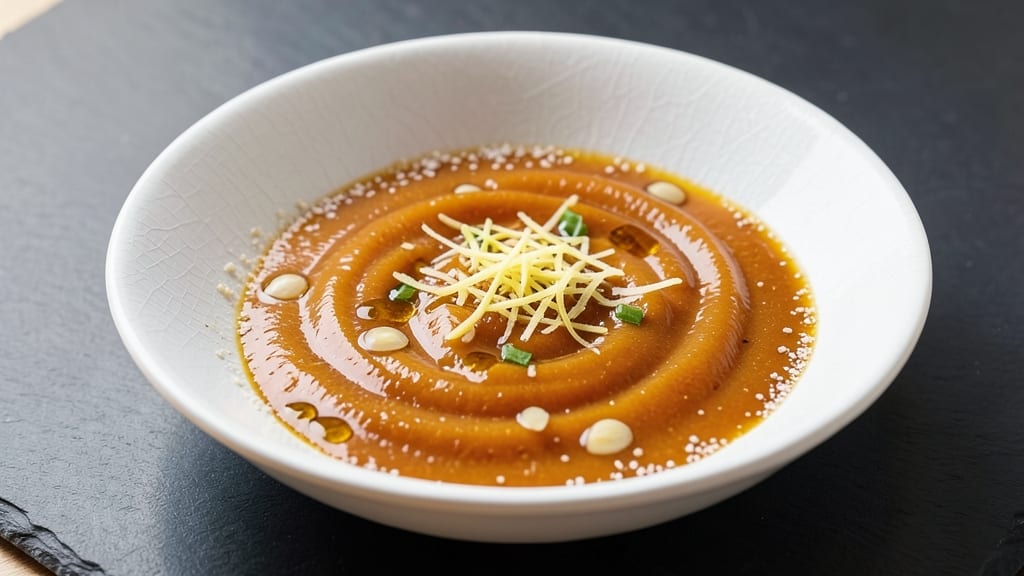
This Benihana ginger sauce copycat recipe delivers that signature zesty kick you crave—bright, tangy, and perfectly balanced with just 7 simple ingredients you already have.
The secret lies in fresh ginger, rice vinegar, and a touch of honey, all blended into a smooth, versatile sauce that elevates everything from sushi to grilled shrimp. I’ve replicated the restaurant’s signature flavor profile without shortcuts, so every spoonful tastes like you’re dining at Benihana.
The beauty of this sauce is its pantry-friendly simplicity: no special equipment, just a blender or whisk, and it comes together in 10 minutes flat. The ginger provides that signature heat, while the vinegar and soy sauce add depth, creating a sauce that’s both bold and approachable.
It’s the kind of condiment that transforms ordinary meals into something special—think grilled salmon, dumplings, or even a drizzle over popcorn for a savory-sweet twist.
What makes this recipe truly foolproof is the 1:1 ratio of vinegar to soy sauce, which ensures the right balance of tang and umami. The honey or sugar rounds out the sharpness, while a pinch of garlic powder adds that subtle, aromatic depth.
Once you taste it, you’ll wonder how you ever lived without this restaurant-quality sauce at home. Best of all, it keeps for up to 2 weeks in the fridge, so you can make a batch and enjoy it all week long.
Use it as a dipping sauce, a marinade, or a glaze—this ginger sauce is the secret weapon that turns simple dishes into standout meals. Ready to recreate that Benihana magic? Let’s get blending.
Ingredients for benihana ginger sauce copycat
Seven pantry staples make this restaurant-style ginger sauce—bright, tangy, and ready in minutes.
| Ingredient | Amount | Notes |
|---|---|---|
| Fresh Ginger Root 🧄 | ½ cup | Peeled and roughly chopped |
| Rice Vinegar 🍶 | ½ cup | White or seasoned variety |
| Soy Sauce 🍶 | ½ cup | Regular or low-sodium |
| Honey 🍯 | ¼ cup | Or substitute granulated sugar |
| Garlic Powder 🧄 | ½ tsp | Freshly ground preferred |
| Sesame Oil 🫒 | 1 tbsp | Toasted for authentic flavor |
| Water 💧 | ¼ cup | Adjust for desired consistency |
Ginger is the star here, so pick a fresh, plump root—the younger, the better. Asian markets usually have the best selection, but your grocery store’s produce section works too. Look for ginger that’s firm and free of wrinkles. If you’ve got a microplane, it’s a game-changer for getting fine ginger without overcrowding your blender. The rice vinegar should smell clean and sharp—Kikkoman or Mushroom Town are my go-tos. And trust me on the sesame oil—toasted makes all the difference.
No fresh ginger? Powdered works at half the amount, but it won’t have that same bright zing. Swap honey for sugar if you’re watching carbs—just use 1:1 ratio and dissolve it in the water first. Out of sesame oil? Toasted peanut oil or even a drop of vanilla extract adds depth. The sauce should be smooth but pourable—if it’s too thick, add a splash more water. Too thin? Simmer it for 2-3 minutes to reduce. And if you’re feeling fancy, add a pinch of red pepper flakes for that signature Benihana kick.
This sauce keeps beautifully—2 weeks in the fridge sealed in a jar. For extra shelf life, add a thin layer of oil on top before sealing. I like to make a big batch and freeze half in ice cube trays—perfect for single servings. The flavor actually improves after a day or two as everything melds together. Pro tip: if it separates, just give it a quick whisk before using. And if you’ve got leftover ginger? Toss it in smoothies or stir-fries—it’s versatile stuff.
Why You'll Love This Recipe
- Here’s what sold me: the ginger’s sharp bite gets softened by honey’s sweetness, then the soy and garlic powder tie it all into something dangerously good on chicken, eggs, or even straight from the spoon. (Yes, I’ve been there.)
- Pantry Magic: I swear by this—no special trips to the store. Just peel a knob of ginger, measure what’s already there, and blend. That’s it. The honey and rice vinegar do the heavy lifting while I’m still washing my hands.
- Zingy Balance: Here’s what sold me: the ginger’s sharp bite gets softened by honey’s sweetness, then the soy and garlic powder tie it all into something dangerously good on chicken, eggs, or even straight from the spoon. (Yes, I’ve been there.)
- Weeknight Hero: This sauce is my secret weapon for lazy nights—drizzle it over stir-fry in 10 minutes or toss it with takeout noodles to make them feel fancy. Between us, it’s the only thing that makes my freezer-burned veggies taste intentional.
Step-by-step instructions for Benihana ginger sauce copycat recipe
This zesty sauce comes together in minutes with simple pantry staples.
Grate and Simmer the Ginger
Start by peeling the 0.5 cup fresh ginger root and grating it using the fine side of a box grater. You'll want about 2 tablespoons of finely grated ginger—this is the aromatic base that gives the sauce its signature kick. Place the grated ginger in a small saucepan and add the 0.5 cup rice vinegar and 0.25 cup water. Bring this mixture to a gentle simmer over medium heat, then reduce the heat to low and let it cook for 5 minutes. This step extracts the full ginger flavor and softens the texture, preventing any graininess in the final sauce.
While simmering, you'll notice the mixture may bubble slightly and develop a fragrant aroma. The vinegar helps preserve the ginger's bright, citrusy notes while balancing its natural heat. If the mixture looks too thick, add 1 tablespoon of water to keep it fluid—this ensures smooth blending later. Keep the heat low to prevent the ginger from burning, which would turn the sauce bitter.
Sweeten and Season the Mixture
Once the ginger-vinegar mixture has simmered for 5 minutes, remove the saucepan from heat and stir in the 0.25 cup honey and 0.5 tsp garlic powder. The honey not only sweetens the sauce but also helps balance the acidity of the rice vinegar, creating a well-rounded flavor profile. Stir well until the honey is fully dissolved and the mixture is smooth. Here's the thing—adding the honey off the heat prevents it from crystallizing or burning, which can happen if you keep the pan on direct heat.
Taste the mixture at this stage. You should notice a bright, tangy-sweet balance with a hint of garlic. If the sauce tastes too sharp, add 1 more tablespoon of honey. If it needs more depth, you can add a pinch of salt (though the soy sauce later will handle most of the seasoning). The goal is to create a base that's harmonious before adding the final ingredients.
Blend and Finish with Soy Sauce and Sesame Oil
Return the saucepan to low heat and stir in the 0.5 cup soy sauce. Let the mixture simmer gently for 3-4 minutes, stirring occasionally, until it thickens slightly. The soy sauce adds umami depth and a salty backbone to the sauce, tying all the flavors together. While it simmers, you'll see the sauce reduce slightly and develop a glossy sheen—this is when you know it's coming together.
Once the soy sauce is fully incorporated, remove the saucepan from heat and stir in the 1 tbsp sesame oil. The sesame oil adds a nutty, aromatic finish that mimics the authentic Benihana flavor. Give it a final taste and adjust the seasoning if needed—you might want to add a splash more rice vinegar for tang or a touch more honey for sweetness. The sauce should be smooth, slightly glossy, and balanced in all flavors: sweet, tangy, spicy, and savory.
Strain and Serve
Let the sauce cool for 5 minutes, then strain it through a fine-mesh sieve into a clean bowl or jar. This step removes any ginger fibers, ensuring a silky-smooth texture that's perfect for drizzling over dishes. The strained sauce will have a vibrant amber color with a glossy finish—this is your signal that it's ready to use.
Serve the sauce immediately over your favorite dishes, such as grilled meats, fried rice, or noodles. For the best results, store any leftovers in an airtight container in the refrigerator for up to 1 week. The flavors will continue to meld, making the sauce even more complex over time. This copycat version captures the essence of Benihana's signature sauce with just a few simple ingredients and a little patience—you'll be amazed at how easy it is to recreate restaurant-quality flavor at home.
Pro Tips For Making Benihana Ginger Sauce Copycat
- GRATE GINGER COLD: Fresh ginger loses its bite when warmed—skip the preheating and grate it straight from the fridge. The shock of cold also makes it easier to break down fine, which cuts down on that fibrous texture you don’t want in your sauce. (Yes, even if you’re impatient like me.)
- STRAIN THE GINGER: After grating, let the ginger sit for 5 minutes, then strain out the liquid through a fine-mesh sieve. That pulp turns your sauce gritty and watery—trust me, you’ll taste the difference. I used to skip this, and the texture was always off.
- SIMMER LOW AND Slow: Heat the sauce on medium-low, not a rolling boil. High heat burns the honey and turns the rice vinegar sharp. You’re aiming for a gentle bubble, not a full-on party in the pot—this keeps the flavors balanced and the sauce glossy.
- THIN WITH VINEGAR: If your sauce is too thick, add rice vinegar a teaspoon at a time, not water. It brightens the flavor and keeps the honey from cloying. I learned this the hard way after drowning my sauce in water and ending up with something that tasted like syrup.
Creative variations of this recipe
Spicy Kick Boost
Want that signature Benihana heat? Add 1-2 teaspoons of sriracha or ½ teaspoon of red pepper flakes to the simmering ginger-vinegar mixture. For a smoky twist, stir in ½ teaspoon of smoked paprika with the garlic powder.
I find 1 teaspoon of sriracha gives the perfect spicy-sweet balance without overpowering the sauce. 🌶️
Sweet Variations
Craving a sweeter sauce? Swap the honey for agave nectar or maple syrup—both add depth while keeping it vegan-friendly. For a caramelized note, simmer the ginger with 1 tablespoon of brown sugar before adding vinegar.
I love using date syrup for a richer, earthier sweetness that pairs beautifully with grilled meats.
Umami Depth
For extra umami, replace ¼ cup of the soy sauce with 2 tablespoons of miso paste (white or red). Stir it in during the final simmer to let the flavors meld.
Alternatively, add 1 teaspoon of fish sauce for a deeper, more complex taste. I recommend white miso for a smoother texture that won’t overpower the sauce. 💫
Herbal Infusions
Brighten the sauce with fresh herbs like cilantro or mint. Add 2 tablespoons of finely chopped cilantro during the final simmer or stir in 1 tablespoon of fresh mint leaves after blending.
For a citrusy twist, zest ½ a lime and add it with the garlic powder. The herbs add freshness that cuts through the richness of grilled dishes.
Smoky-Garlic Twist
Infuse the sauce with smoky depth by adding ½ teaspoon of smoked garlic powder (instead of regular) and ½ teaspoon of liquid smoke during the final simmer. For a bolder flavor, sauté 1 minced garlic clove in ½ teaspoon sesame oil until fragrant, then blend it into the sauce.
This variation is perfect for barbecue or grilled pork dishes.
Thicker or Thinner
Need a thicker sauce for drizzling? Simmer the strained sauce uncovered for 5-7 minutes to reduce it. For a thinner consistency, stir in 1-2 tablespoons of water or rice vinegar after blending.
I often adjust the thickness based on how I plan to use it—thicker for dipping, thinner for glazing. A splash of water also helps if the sauce separates after refrigeration.
Nutrition facts
Frequently asked questions
Can I make this ginger sauce without fresh ginger?
Yes! Use 2 tablespoons of powdered ginger instead of fresh, but the flavor won't be quite as bright. For best results, toast the powdered ginger in a dry pan for 1 minute to enhance its aroma before mixing. If you're in a pinch, 1 teaspoon of ground ginger can work, but it lacks the fresh zing.
How long does the sauce keep, and can I freeze it?
The sauce stays fresh for 2 weeks in the fridge when stored in an airtight container. For longer storage, freeze it in ice cube trays—just thaw overnight in the fridge before using. The texture may thicken slightly after freezing, so stir in 1 teaspoon of water to restore smoothness.
What’s the best way to use this sauce?
This versatile sauce works as a dipping sauce for sushi, dumplings, or spring rolls, a glaze for grilled meats or shrimp, or even a marinade for tofu or chicken. Try drizzling it over fried rice or noodles for instant flavor. The balance of sweet, tangy, and spicy makes it perfect for both savory and slightly sweet dishes.
Why does my sauce taste too sharp or bitter?
Overcooking the ginger or using too much vinegar can make the sauce bitter. To fix it, stir in 1 extra tablespoon of honey or sugar to balance the acidity. If it’s still too sharp, add ½ teaspoon of sesame oil or a pinch of salt to round out the flavors. Always taste as you go!