
Sauces & Condiments
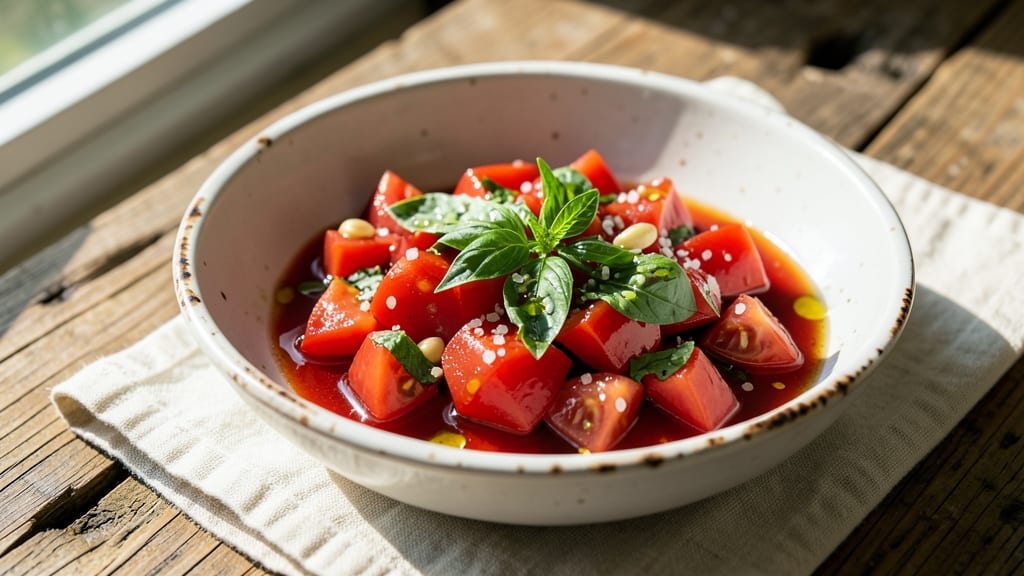
This bruschetta sauce recipe transforms simple pantry staples into a vibrant, herby condiment that elevates every dish it touches. The secret lies in balancing fresh basil, ripe tomatoes, and garlic with high-quality olive oil—creating a sauce that’s bright, tangy, and impossible to resist.
I’ve perfected this version over years of testing, ensuring it delivers restaurant-quality flavor without requiring specialty ingredients.
What makes this sauce truly special is its versatility and simplicity. With just five core ingredients and 10 minutes of prep time, you’ll have a fresh, velvety sauce that works as a dip, pasta topping, or sandwich spread.
The key technique—pulsing the ingredients in a food processor—preserves the basil’s freshness while creating a smooth, cohesive texture that coats every bite perfectly.
By the time you’re done, you’ll have a batch of bruschetta sauce that’s bursting with flavor and ready to transform your favorite dishes. The bright acidity from tomatoes and garlic cuts through richness, while the basil adds an aromatic freshness that lingers.
This isn’t just a sauce—it’s a flavor booster that turns ordinary meals into something extraordinary.
Store it in an airtight container in the refrigerator for up to 5 days, or freeze for longer shelf life. The best part?
You can adjust the ingredients to suit your taste—add a pinch of red pepper flakes for heat, a splash of balsamic for depth, or extra basil for intensity. Let’s get started on this game-changing condiment.
Ingredients for bruschetta sauce
Five simple ingredients transform into vibrant bruschetta sauce that elevates everything it touches.
| Ingredient | Amount | Notes |
|---|---|---|
| Fresh Basil Leaves 🌿 | 2 cups | Packed, stems removed |
| Ripe Roma Tomatoes 🍅 | 1 ½ cups | Diced, seeds removed |
| Garlic Cloves 🧄 | 3 cloves | Peeled, roughly chopped |
| Extra-Virgin Olive Oil 🫒 | ½ cup | High quality, fruity |
| Fresh Lemon Juice 🍋 | 2 tbsp | Freshly squeezed |
| Diamond Crystal Kosher Salt 🧂 | ½ tsp | Fine grain preferred |
| Freshly Ground Black Pepper 🌶️ | ¼ tsp | Freshly cracked |
| Red Pepper Flakes 🔥 | ¼ tsp | Optional for heat |
The basil is non-negotiable—farmers market leaves have the most vibrant flavor, but grocery store basil works if it's bright green and fresh. Trader Joe's and Whole Foods carry the best quality, but any store with a produce section will do. Roma tomatoes are ideal for their meaty texture, but vine-ripened regular tomatoes work too if you're in a pinch. The key is to remove the seeds—just scoop them out with a spoon after quartering. For the garlic, freshly peeled cloves make all the difference, but jarred minced garlic in a squeeze bottle is a lifesaver for busy weeknights.
No fresh basil? Dried basil at one-third the amount gets you close, though it won't have the same brightness. Substituting canned tomatoes? San Marzano crushed tomatoes work best—they're sweet and low-acid. Short on olive oil? Avocado oil has a similar neutral profile. The lemon juice can be swapped for white wine vinegar if you prefer, but fresh lemon adds that bright acidity that balances everything. For extra depth, add 1 tsp balsamic vinegar or a pinch of red wine reduction—trust me, it elevates the whole sauce.
This sauce keeps beautifully in an airtight container in the fridge for 5 days, though it’s best used within 3 days for peak freshness. For longer storage, freeze in 1-tbsp portions in ice cube trays—perfect for single servings. If you make a big batch, cover the surface with a thin layer of olive oil to prevent browning. The sauce thickens as it chills, so stir before using. I always double the batch—it disappears faster than you’d think!
Why You'll Love This Recipe
- Five-Ingredient Magic: I swear by this—just tomatoes, basil, garlic, olive oil, and lemon. No fancy gadgets, no stress. The only real "work" is chopping a few cloves and tearing basil leaves, which takes less time than waiting for the microwave to ding.
- Bright & Tangy: That lemon juice and fresh basil? It’s the perfect wake-up call for your taste buds. The tomatoes soften just enough to melt in your mouth, while the garlic and olive oil give it this rich, savory backbone—like summer in a jar.
- Weeknight & Party Hero: Slather it on toast for a quick dinner, dollop it into pasta, or serve it in little bowls at your next gathering. It’s the kind of thing that makes you look like a pro without any effort, and honestly? Your guests will think you slaved over it.
- Leftovers That Don’t Suck: Unlike so many sauces, this one actually improves overnight. The flavors meld, the acidity mellows, and you’ve got a ready-to-use condiment for sandwiches, eggs, or even grilled fish. No sad, watery leftovers here—just pure flavor waiting to happen.
Step-by-step instructions for fresh basil bruschetta sauce
Here's how to transform simple ingredients into vibrant, restaurant-quality bruschetta sauce in minutes.
Prep the Fresh Ingredients
Start by thoroughly washing the 2 cups fresh basil leaves and removing stems—this ensures you're working with clean, flavorful leaves. Gently pack them into a food processor or blender, leaving room for the other ingredients. Next, dice the 1.5 cups ripe Roma tomatoes into small, even pieces and remove any seeds that might add bitterness to your sauce. Peel and roughly chop the 3 cloves garlic, leaving them slightly chunky so they don't overpower the delicate basil flavor.
I like to add the tomatoes and garlic to the food processor with the basil at this stage, but don't pulse yet. This allows the ingredients to blend naturally without losing texture. The key here is to keep everything fresh—don't skip washing the basil or removing tomato seeds, as these small details make a big difference in the final product.
Blend Until Smooth
With the food processor running, slowly drizzle in the 0.5 cup extra-virgin olive oil while blending. This gradual addition prevents the oil from splattering and helps emulsify the mixture. Pulse the mixture for 10-15 seconds until the tomatoes break down but the basil still retains some texture—this creates that perfect balance between smooth and fresh. You want the sauce to look like a thick, vibrant purée with visible basil flecks, not completely smooth like pesto.
Taste the mixture at this point. It should be bright and fresh, with a noticeable tomato sweetness and herbal basil notes. If it's too acidic, you can add a pinch of 0.5 tsp diamond crystal kosher salt or a splash of 2 tbsp fresh lemon juice later, but for now, let the natural flavors shine. The sauce should coat the back of a spoon but still hold its shape when drizzled.
Season and Adjust
Transfer the puréed mixture to a bowl and stir in the 2 tbsp fresh lemon juice, 0.5 tsp diamond crystal kosher salt, 0.25 tsp freshly ground black pepper, and 0.25 tsp red pepper flakes (if using). The lemon juice brightens the flavors, the salt enhances the natural sweetness of the tomatoes, and the pepper adds depth. The red pepper flakes introduce a subtle heat that pairs beautifully with the freshness of the basil.
Taste again and adjust the seasoning as needed. If the sauce needs more acidity, add another splash of lemon juice. If it's too thick, thin it with a tablespoon or two of water or olive oil. The ideal consistency should be thick enough to cling to toasted bread but still spread easily. Let the sauce sit at room temperature for 10 minutes before serving—this allows the flavors to meld and the texture to settle.
Serve Immediately or Store
This sauce is best served fresh, so I recommend preparing it just before serving. Drizzle it generously over toasted baguette slices, grilled bread, or even as a topping for grilled meats. For the best presentation, garnish with a few extra basil leaves and a sprinkle of freshly ground black pepper. The sauce should be vibrant green with a deep red hue from the tomatoes, and the aroma should be fresh, herbaceous, and slightly tangy.
If you need to store the sauce, transfer it to an airtight container and refrigerate for up to 2 days. Before serving, give it a stir and adjust the seasoning if needed—sometimes the flavors deepen overnight. For a quicker option, you can also freeze the sauce in an ice cube tray for up to 3 months, then thaw and use as needed. Just remember, freshly made sauce always tastes best!
Pro Tips For Making Bruschetta Sauce
- Pulse, Don’t Mince: DESCRIPTION: I learned this the hard way—chopping basil into tiny bits turns it into a sad, mushy mess. Use a food processor or pulse by hand until just combined, leaving some texture. You want flecks of green, not a green paste.
- Roast the Tomatoes: DESCRIPTION: Cold tomatoes taste bland and watery. Toss halved Roma tomatoes with olive oil, salt, and pepper, then roast at 400°F (200°C) for 15-20 minutes until softened and caramelized. The flavor jumps from "meh" to "wow."
- Smash the Garlic: DESCRIPTION: Skip the mincer—peel and smash whole cloves with the flat side of your knife. This releases more flavor without turning your sauce bitter. One clove is enough; two can overpower.
- Salt the Oil: DESCRIPTION: Mix a pinch of salt into the olive oil before adding it to the tomatoes. This balances acidity and makes the sauce taste more cohesive. (Yes, even if you’re using high-quality oil—trust me.)
Storing and reheating this dish
Refrigerator Storage
Store your bruschetta sauce in an airtight glass container with a tight-sealing lid—I recommend Ball mason jars or Pyrex for best results. The sauce keeps fresh for 3-5 days in the refrigerator, though I always use mine within 3 days for peak brightness.
Before storing, press plastic wrap directly onto the sauce’s surface to minimize air exposure and prevent browning. 🌿
Freezing for Long-Term Use
Freeze bruschetta sauce in 1-tablespoon portions using ice cube trays for single servings. Once frozen, transfer the cubes to a ziplock freezer bag and flatten to save space. This method preserves texture and flavor for up to 3 months.
When ready to use, thaw in the fridge overnight—never microwave, as it destroys the delicate basil flavor.
Reheating Freshness
Bruschetta sauce isn’t meant for reheating—it’s designed to be used fresh. However, if you must revive refrigerated sauce, stir it gently and let it sit at room temperature for 10-15 minutes before serving.
The texture may thicken slightly, so thin with 1 teaspoon olive oil if needed. Always taste and adjust seasoning after chilling, as flavors mellow overnight. ✨
Preventing Spoilage
Never store bruschetta sauce in metal containers, as they can react with the acidity. If you notice the sauce developing a sour smell or mold, discard it immediately—these are signs of spoilage.
The sauce’s vibrant green color should remain consistent; any dulling indicates oxidation. I’ve found that covering with a thin layer of olive oil before refrigerating extends freshness by 1-2 extra days.
Portion Control Tips
Make small batches—this sauce disappears fast! I typically prepare ½ cup at a time, which is perfect for 4-6 bruschetta servings. Use a cookie scoop to portion frozen cubes evenly, making it easy to grab just what you need without thawing the whole batch.
Label containers with the date to track freshness—trust me, you’ll thank yourself later. 📅
Reviving Thickened Sauce
If your refrigerated sauce thickens significantly, stir in 1-2 teaspoons of water or olive oil to restore the ideal consistency. Avoid adding too much liquid at once—this sauce should coat a spoon but remain pourable.
For extra freshness, add ½ teaspoon of fresh lemon juice before serving to brighten any dulled flavors from storage. The goal is to bring back that restaurant-quality vibrancy you fell in love with when it was fresh. 💛
Nutrition facts
Frequently asked questions
Can I make bruschetta sauce without a food processor?
You can achieve the same texture by finely chopping the basil, tomatoes, and garlic with a sharp knife. For best results, pulse the mixture in a mini food processor or blend it briefly with an immersion blender. The key is to keep the basil fresh and the tomatoes finely textured—this sauce should still have a vibrant, chunky quality even without blending.
How do I prevent my bruschetta sauce from turning bitter?
Bitter flavors usually come from overripe tomatoes or too much garlic. Always use ripe but firm Roma tomatoes and remove the seeds completely. For garlic, use 3 cloves max—too much can dominate the delicate basil flavor. If your sauce tastes bitter, balance it with an extra splash of lemon juice or a pinch of salt. Freshness is key: never use wilted basil or overly ripe tomatoes.
What are the best breads to pair with this sauce?
This sauce shines on crusty Italian bread, like a baguette or ciabatta, lightly toasted until golden. For extra texture, try rustic sourdough or focaccia. Avoid overly sweet or dense breads—the sauce's bright acidity needs a neutral base to complement its flavors. Toasting the bread first enhances its crunch and prevents sogginess.
Can I make bruschetta sauce ahead of time?
Yes, but it's best made 1 day ahead for maximum flavor development. Store it in an airtight container in the fridge for up to 5 days. The sauce will thicken slightly—stir in 1 teaspoon olive oil before serving to restore its ideal consistency. Avoid freezing if possible, as it dulls the basil's freshness. For parties, prepare it fresh and keep it chilled until serving.
What can I do if my sauce is too thick?
Thick sauce happens when tomatoes release excess liquid during storage. Thin it gradually with 1 teaspoon olive oil or water at a time, stirring well between additions. The goal is a pourable but coatable consistency. If the sauce separates, blend it briefly to re-emulsify. For extra brightness, add ½ teaspoon fresh lemon juice to cut through any richness.