
Sauces & Condiments
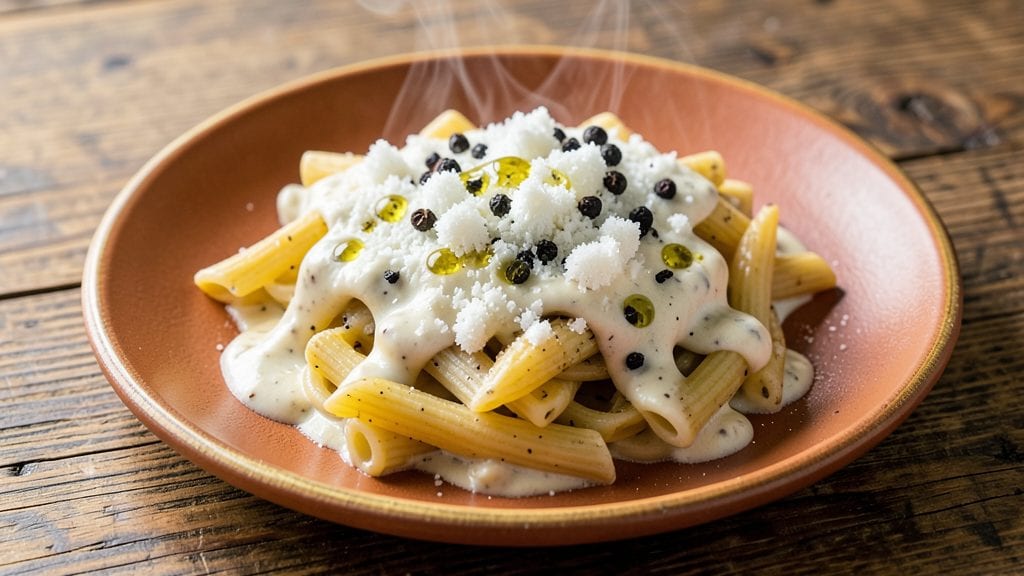
This Cacio e Pepe sauce using Trader Joe’s ingredients delivers the same restaurant-quality richness you crave, but with a foolproof method that takes just minutes.
The secret lies in combining finely grated Pecorino Romano with black pepper and pasta water to create a velvety, umami-packed sauce that clings perfectly to al dente pasta.
What makes this sauce special is its simplicity—no heavy cream or complicated techniques required. Trader Joe’s pre-grated Pecorino Romano (or their high-quality imported version) ensures that signature sharp, salty flavor without the fuss of grating fresh.
The sauce develops its signature texture by emulsifying with starchy pasta water, creating a luxurious finish that’s both elegant and effortless.
Once you taste this sauce, you’ll understand why it’s a staple in Roman trattorias. The pepper infuses the cheese with warmth, while the pasta water binds everything together into a silky, cohesive sauce that’s impossible to resist.
It’s the kind of sauce that transforms a simple pasta dish into something extraordinary—without requiring advanced skills.
Store leftovers in an airtight container in the fridge for up to 3 days, or freeze for longer storage. Perfect for tossing with spaghetti, linguine, or even using as a dipping sauce for crusty bread. Let’s make this sauce—your taste buds will thank you.
Ingredients for cacio e pepe sauce trader joe's
Trader Joe’s shortcuts meet Roman trattoria magic—just eight ingredients for velvety perfection.
| Ingredient | Amount | Notes |
|---|---|---|
| Pecorino Romano Cheese 🧀 | 1 ½ cups | Trader Joe's pre-grated preferred |
| Freshly Ground Black Pepper 🌶️ | ½ cup | Freshly cracked for best flavor |
| Extra-Virgin Olive Oil 🫒 | ¼ cup | High-quality, fruity variety |
| Pasta Water 💧 | 1 ½ cups | Starchy, reserved from cooking |
| Salt 🧂 | 1 tsp | Diamond Crystal kosher preferred |
| Pasta 🍝 | 12 oz | Spaghetti or linguine preferred |
| Garlic Cloves 🧄 | 2 cloves | Minced, optional for depth |
| Parmigiano-Reggiano Cheese 🧀 | ½ cup | Freshly grated for extra richness |
Trader Joe’s pre-grated Pecorino Romano is your secret weapon—it’s already finely textured, so no grating fuss. Grab the imported version if you can find it; it’s sharper and more authentic. The freshly ground black pepper is non-negotiable—pre-ground loses its punch fast. For the olive oil, Trader Joe’s Italian variety (or any high-quality extra-virgin) adds fruity depth without overpowering. The pasta water? That’s the real MVP—save a cup or two while cooking your pasta (starchy is key). If you’re feeling fancy, add minced garlic to the sauce for extra umami, but it’s totally optional.
No Pecorino? Parmigiano-Reggiano works in a pinch, but it’s less sharp. Short on pepper? Crushed red pepper flakes at half the amount will add heat. Running out of pasta water? A splash of warm water or even reserved pasta cooking liquid from another batch does the trick. The sauce relies on emulsification, so if it looks too thick, add a splash of warm water and stir vigorously. Pro tip: Toast the pepper in a dry pan for 30 seconds before adding—it deepens the flavor (trust me on this).
This sauce is best made fresh, but leftovers keep in an airtight container for up to 3 days in the fridge. For longer storage, freeze in ice cube trays—perfect for single servings. The sauce thickens as it cools, so add a splash of warm water when reheating. Toss with al dente pasta (the starchy texture helps bind the sauce) and finish with extra freshly cracked pepper for that restaurant-worthy finish. Serve immediately—it’s that good.
Why You'll Love This Recipe
- Four-Ingredient Magic: I swear, this sauce comes together with literally four things—no fancy prep, no hidden steps. Just toss in the Pecorino, pepper, oil, and pasta water while the water boils, and stir. That’s it. No chopping, no measuring cups, no stress.
- Peppery Cheese Bliss: The moment that salty, sharp Pecorino hits your tongue with the fresh grind of black pepper? Chef’s kiss. It’s bold but balanced—no overpowering bitterness, just that perfect umami punch that makes you reach for another bite. (Yes, even on a Tuesday night.)
- Leftovers That Don’t Suck: Between us, most pasta leftovers are sad. Not this. The sauce clings to the noodles like glue, so reheating is a breeze—just splash in a little water, stir, and it’s back to creamy perfection. Honestly, I make double portions just for this reason.
- Trader Joe’s Hack: Here’s what sold me—their Pecorino shavings melt just right into the sauce, and the olive oil they sell is rich but not heavy. Pair it with their tonnarelli (if you’re lazy like me) or any pasta, and suddenly you’ve got a restaurant-worthy dish for half the cost. Budget win.
Step-by-step instructions for cacio e pepe sauce
This classic Roman sauce comes together in just minutes with minimal effort.
Cook the Pasta Al Dente
Bring a large pot of water to a rolling boil and add the 1 tsp salt, stirring until fully dissolved. Add the 12 oz pasta and cook until 1 minute before the package's recommended al dente time. I like to test a piece by biting it—it should offer slight resistance but still be tender. Reserve 1.5 cups pasta water before draining, as this starchy liquid is essential for emulsifying our sauce.
While the pasta cooks, prepare a large skillet or deep pan over medium-low heat. The sauce will be made directly in this pan, so choose one that's large enough to accommodate the drained pasta without overcrowding. The gentle heat will help create a smooth, velvety sauce without scrambling the eggs later.
Toast the Garlic and Infuse the Oil
Add the 0.25 cup extra-virgin olive oil to the warm skillet and let it heat through for 1 minute until shimmering. Add the 2 cloves minced garlic and toast gently for 30-45 seconds until fragrant—you should smell that unmistakable garlic aroma, but be careful not to let it brown. Remove the skillet from heat and set aside.
Here's the thing—garlic burns quickly, and once it does, the sauce takes on a bitter note. I've learned this the hard way, so I always keep the heat low and watch closely. The oil should be warm but not smoking when you add the garlic.
Create the Cheese Emulsion
Return the skillet to low heat and immediately add the 1.5 cups Pecorino Romano cheese and 0.5 cup freshly ground black pepper. Stir constantly for 1-2 minutes until the cheese begins to melt and the mixture becomes creamy. This is where the magic happens—the cheese should transform from granular to smooth and glossy.
If the mixture starts to look too thick, add 1-2 tablespoons of reserved pasta water at a time, stirring vigorously after each addition. The goal is to create a sauce that coats the back of a spoon but still clings beautifully to the pasta. I like to use a wooden spoon for this step—it helps distribute the heat evenly and prevents the cheese from scorching.
Combine with Pasta and Finish
Add the drained pasta to the skillet and toss vigorously with tongs for 1-2 minutes until every strand is coated in the creamy cheese mixture. The pasta should look glossy and well-coated. If the sauce starts to thicken too much, add more reserved pasta water 1 tablespoon at a time until you reach your desired consistency.
For extra richness, stir in the 0.5 cup Parmigiano-Reggiano cheese and toss until melted. The combination of Pecorino and Parmigiano creates a depth of flavor that's hard to beat. Serve immediately while the sauce is still creamy and clings perfectly to each strand of pasta.
Plate and Enjoy
Transfer the cacio e pepe to warmed plates and garnish with an extra sprinkle of freshly ground black pepper. The contrast of the pepper's sharp bite against the rich, salty cheese is what makes this dish so special. I like to serve it with a simple side salad and a glass of crisp white wine to balance the richness.
This sauce is all about simplicity and balance. The key is to work quickly and keep the heat low to prevent the cheese from separating. If you find the sauce has thickened too much after plating, simply toss it with a splash of hot pasta water to restore its silky texture. Enjoy immediately—cacio e pepe tastes best fresh off the stove.
Pro Tips For Making Cacio E Pepe Sauce Trader Joe'S
- Toast the Pepper First: Heat your black pepper in the dry pan for 10 seconds before adding oil—just until you smell it release. I used to skip this, but now I notice how it deepens the flavor and cuts through the richness of the cheese.
- Grate Cheese Like It’s Snow: Use a fine microplane or the smallest holes on a box grater for the Pecorino. The Trader Joe’s recipe works, but pre-grated cheese clumps and lacks texture. Do this fresh right before tossing with pasta.
- Save the Starchy Water: Reserve a full cup of pasta water before draining—this isn’t just for sauce consistency, it’s for emulsifying the cheese. I’ve learned the hard way that skimping here makes the sauce break.
- Finish Over Low Heat: After tossing the sauce, remove from heat and let it sit for 30 seconds. The residual heat melts the cheese evenly without scrambling it. I used to rush this and end up with a grainy mess.
Creative variations of this dish
Creamy Garlic Twist
Add 1 tbsp unsalted butter to the olive oil when toasting the garlic for a richer, silkier sauce. I like to use Trader Joe’s European-style butter—it’s cultured and has a deeper flavor. After melting the cheese, whisk in ¼ cup heavy cream (or whole milk) for extra creaminess.
This version feels indulgent but still keeps the signature peppery bite. The cream should be warmed to 110°F before adding to prevent curdling.
Spicy Arrabbiata Fusion
Swap half the black pepper for 1 tbsp Calabrian chili paste (Trader Joe’s has a great one) and add 1 minced garlic clove roasted in olive oil until golden. The paste brings heat and depth, while the roasted garlic adds sweetness.
For extra umami, stir in 1 tsp fish sauce at the end—it’s a secret weapon in many Roman sauces. Finish with a sprinkle of red pepper flakes for visual drama.
Herb-Infused Variation
Brighten the sauce with 1 tbsp fresh parsley and 1 tsp fresh rosemary, finely chopped. Add them to the skillet with the garlic for a fragrant infusion.
For a more pronounced herb flavor, blend ½ cup fresh basil leaves into the sauce at the end—it adds a vibrant green hue and freshness. This version pairs beautifully with bucatini pasta (Trader Joe’s has a great option) for a heartier dish.
Lemon-Zest Brightness
Finish the sauce with the zest of 1 lemon for a citrusy brightness that cuts through the richness. I like to add the zest while the sauce is still hot, so it infuses the oil and cheese.
For extra zing, whisk in 1 tsp lemon juice at the end. This variation works especially well with linguine pasta and complements seafood dishes like shrimp or scallops.
Smoky Chipotle Kick
For a smoky twist, add ½ tsp chipotle powder (Trader Joe’s has a great smoked paprika blend) to the cheese mixture. Toast 1 tsp cumin seeds in the olive oil before adding garlic for an earthy depth.
The chipotle adds warmth without overpowering the pepper. This version is perfect for a bold, smoky take on the classic sauce and pairs well with chicken or sausage additions.
Vegetarian Protein Boost
Stir in ½ cup cooked white beans (Trader Joe’s canned cannellini work great) at the end for extra protein and creaminess. Mash them slightly before adding to blend seamlessly into the sauce.
For a nutty touch, fold in 2 tbsp toasted pine nuts or walnuts. This version is heartier and more filling, making it ideal for a vegetarian meal with a satisfying texture.
Nutrition facts
Frequently asked questions
Can I use Trader Joe's pre-grated Pecorino instead of freshly grated?
Trader Joe's pre-grated Pecorino Romano is perfect for this sauce—it saves time and still delivers that sharp, salty flavor. For best results, use their imported version if available, as it's finer and more authentic. The pre-grated cheese works just as well in the sauce, so no need to grate fresh.
What if my sauce gets too thick after combining with pasta?
Don't worry—just add 1-2 tablespoons of warm pasta water at a time while stirring vigorously. The starch in the water helps thin the sauce and restore its creamy texture. If it's still too thick, add a splash more and keep tossing until smooth. The sauce should coat the pasta lightly but still cling beautifully.
How do I store leftover Cacio e Pepe sauce?
Store leftovers in an airtight container in the fridge for up to 3 days. The sauce will thicken as it cools, so simply add a splash of warm water or pasta water when reheating. For longer storage, freeze in ice cube trays—thaw and reheat gently over low heat, stirring in warm water if needed.
Can I make this sauce without pasta water?
Technically yes, but the sauce won't be as creamy or cohesive. If you're out of pasta water, use warm water or a splash of milk (for a richer version). The starch in pasta water is key for emulsifying the cheese, but warm water works in a pinch. Just expect a slightly thinner, less luxurious texture.
What's the best pasta shape for this sauce?
Classic choices are spaghetti or linguine, but any long pasta works well. For extra texture, try bucatini (Trader Joe's has a great option) or fettuccine. The sauce clings best to ridged or tubular pasta shapes, while smooth strands like spaghetti create a more elegant, silky finish.