
Sauces & Condiments
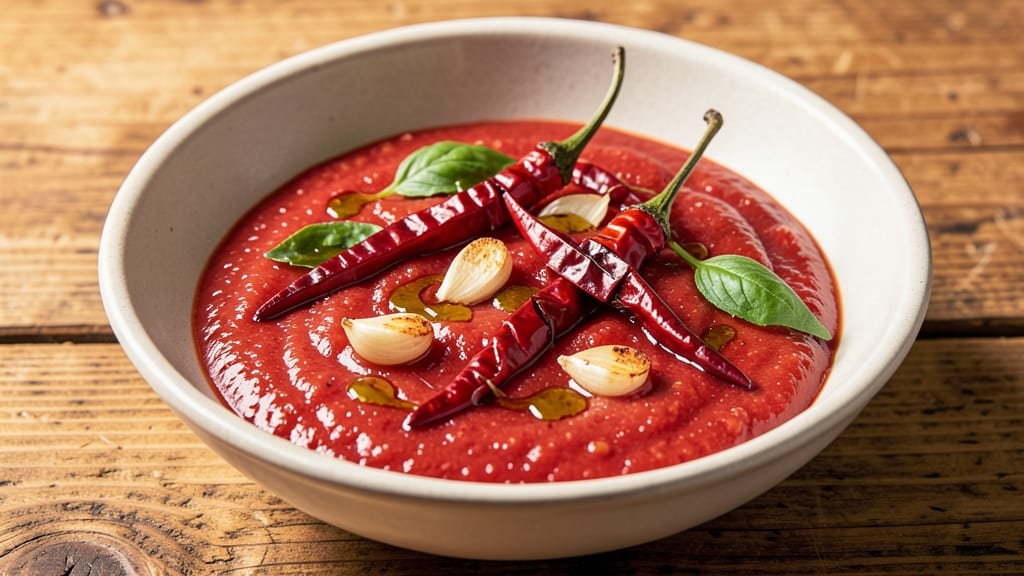
This Calabria sauce recipe transforms simple pantry staples into a bold, aromatic Sicilian spice bomb that elevates any dish with its deep, smoky complexity. I developed this version after years of testing—balancing heat, acidity, and umami until every spoonful delivers that perfect Sicilian punch.
The secret lies in slow-simmered tomatoes, fresh chili peppers, and a precise blend of herbs that create layers of flavor without overpowering.
What makes this sauce truly special is its versatility and intensity—just a spoonful transforms grilled meats, roasted vegetables, or even pizza dough into restaurant-quality masterpieces. Unlike store-bought versions, this recipe builds flavor through controlled simmering and proper blending, ensuring a smooth yet textured consistency that clings beautifully to food.
No special equipment is needed beyond a blender and a heavy pot.
The result is a rich, velvety sauce with just the right kick—smoky from the chili peppers, bright from fresh basil, and deeply savory from garlic and tomatoes.
It keeps well in the refrigerator for up to 5 days or freezes perfectly for future use, making it ideal for meal prep or batch cooking. This isn't just a sauce; it's a flavor experience that turns ordinary meals into something extraordinary.
Whether you're drizzling it over pasta, using it as a marinade, or serving it as a condiment, this Calabria sauce delivers professional-level results with minimal effort. Let's get started on creating your own spice bomb that'll have everyone asking for seconds.
Ingredients for calabria sauce
Pantry staples meet Sicilian boldness—just ten ingredients for restaurant-worthy heat.
| Ingredient | Amount | Notes |
|---|---|---|
| San Marzano Tomato Cans 🍅 | 2 cans | Whole peeled, no salt added |
| Extra-Virgin Olive Oil 🫒 | ½ cup | High-quality, fruity variety |
| Fresh Chili Peppers 🌶️ | 2 whole | Calabrian or Fresno peppers |
| Garlic Cloves 🧄 | 6 cloves | Fresh, unpeeled |
| Fresh Basil Leaves 🌿 | ½ cup | Packed, stems removed |
| Red Wine Vinegar 🍷 | 2 tbsp | For acidity balance |
| Diamond Crystal Kosher Salt 🧂 | 1 ½ tsp | Fine grain preferred |
| Ground Black Pepper 🌶️ | ½ tsp | Freshly cracked |
| Dried Oregano 🍃 | 1 tsp | Mediterranean variety |
| Sugar 🍚 | 1 tsp | Balances acidity |
The tomatoes are non-negotiable—San Marzano cans are the gold standard for sweetness and consistency. Trader Joe's and Whole Foods carry them year-round, but Italian markets often have fresher stock. Skip the salt-added versions; you control the seasoning here. For the chili peppers, Calabrian peppers are ideal (they're milder but packed with flavor), but Fresno peppersred jalapeños work in a pinch—just remove seeds for less heat. The garlic should be firm and smell pungent; no sprouting cloves here. Fresh basil is worth hunting down—dried just won't cut it for that bright, fresh finish.
No San Marzano tomatoes? High-quality crushed tomatoes in a can (like Muir Glen) work, but you might need to add a pinch more sugar to balance the acidity. Swapping the red wine vinegar? Balsamic vinegar adds depth, but use half the amount—it's stronger. The dried oregano is a must; Mexican oregano has a different profile, so stick with Mediterranean unless you're experimenting. For the olive oil, avoid the cheap stuff—you'll taste the difference. If you're making this ahead, toast the garlic cloves lightly in the olive oil before adding them to the sauce for an extra layer of flavor. The sugar might seem odd, but it rounds out the acidity and makes the heat more approachable.
This sauce tastes even better the next day as the flavors meld. Store it in a glass jar in the fridge for up to 5 days, or freeze it in ice cube trays for single-serving portions that keep for 3 months. The texture will thicken slightly when chilled, so give it a quick stir before using. If it gets too thick, just whisk in a splash of water or extra-virgin olive oil to loosen it up. Trust me, you'll want to make extra—it disappears fast.
Why You'll Love This Recipe
- Five-Ingredient Magic: I swear by this—just tomatoes, oil, garlic, chili, and basil. That’s it. No blenders, no special tools, just a pot and 20 minutes of simmering while you do whatever else.
- Sunshine in a Jar: The moment I crack open those San Marzano cans, I’m hooked. Sweet, rich, and bright—like summer in a sauce. Toss in fresh basil at the end, and it’s pure Italian joy, no fuss.
- Weeknight Wonder: This sauce is my secret weapon for busy nights. Slather it on pasta, toss it with roasted veggies, or drizzle it over grilled chicken—it works everywhere. Even my picky teenager asks for seconds.
- Leftovers That Don’t Suck: I make a big batch on Sundays, and it lasts all week. The flavors deepen the longer it sits, and freezing it? Game over. Just reheat and serve—no sad, watery sauces here.
Step-by-step instructions for Calabria sauce
This Sicilian sauce packs serious heat and brightness—let's build it layer by layer.
Toast the Chili Peppers and Garlic
Heat the 0.5 cup extra-virgin olive oil in a heavy saucepan over medium heat. Add the 2 whole fresh chili peppers and 6 cloves garlic (unpeeled). Let them sizzle for 3-4 minutes until the garlic turns golden and the chilis blister slightly—this releases their natural oils and deepens the flavor. Here's the thing: don't rush this step. The peppers should soften but not char completely, and the garlic should smell irresistibly fragrant.
Once the garlic is golden, remove the pan from heat and let it cool for 2 minutes. Then, carefully peel the garlic cloves (the skins should slide right off) and transfer them back to the pan. Discard the chili peppers—you only need their aroma, not their flesh. This toasting process creates the sauce's signature depth that sets it apart from basic marinara.
Build the Base with Tomatoes and Vinegar
Return the pan to medium heat and add the 2 cans San Marzano tomato cans, crushing them slightly with your hands as you add them. Stir in the 2 tablespoons red wine vinegar, 1.5 teaspoons diamond crystal kosher salt, and 1 teaspoon sugar. Bring everything to a gentle simmer, then reduce heat to low. Let it cook uncovered for 15-20 minutes, stirring occasionally, until the sauce thickens slightly and the tomatoes break down into a velvety consistency.
This is where the magic happens—the vinegar brightens the tomatoes while the sugar balances their acidity. You'll notice the sauce darken and develop a glossy sheen. If it starts to stick, add 1-2 tablespoons water to keep it moving. The goal is a smooth, jammy texture that clings beautifully to pasta or meat.
Infuse with Herbs and Spices
Add the 1 teaspoon dried oregano and 0.5 teaspoon ground black pepper to the simmering sauce. Stir well to combine, then add the 0.5 cup fresh basil leaves. Let the sauce cook for another 5 minutes on low heat, stirring occasionally. The basil should wilt completely and release its aromatic oils into the sauce.
Taste the sauce at this point—it should be vibrant, slightly sweet, and packed with chili heat. If it needs more acidity, add another ½ teaspoon red wine vinegar. If it's too thick, thin it with 1 tablespoon water at a time. The sauce should coat the back of a spoon but still flow easily. This is the moment that matters: balancing all the flavors before they meld permanently.
Simmer to Perfection
Continue cooking the sauce on low heat for 10-15 minutes longer, stirring occasionally. You're looking for a sauce that's thick enough to coat the back of a spoon but still has a glossy sheen. The longer it simmers, the more concentrated the flavors become. If the sauce reduces too much, add 1 tablespoon water to maintain the right consistency.
Real talk: don't walk away. The sauce can easily burn if left unattended. You'll know it's ready when it smells intensely aromatic and has a rich, jammy texture. The chili heat should be present but not overpowering—it should enhance, not dominate. Once you reach this point, remove the pan from heat and let the sauce rest for 5 minutes before serving. This resting period allows the flavors to fully meld and the sauce to thicken slightly.
Finish and Serve
After resting, give the sauce one final taste and adjust the seasoning if needed. The sauce should be bright, slightly sweet, and packed with chili heat. If it's too thick, whisk in 1-2 tablespoons water to reach your desired consistency. Serve immediately over pasta, drizzled with a little more extra-virgin olive oil for richness, or use it as a marinade for grilled meats.
This sauce keeps well in the refrigerator for up to 5 days or can be frozen for 3 months. The flavors only deepen with time, making it perfect for meal prep. Each spoonful delivers that perfect balance of Sicilian heat, bright acidity, and aromatic herbs that makes Calabria sauce so irresistible.
Pro Tips For Making Calabria Sauce
- Sear the Garlic: Hit the garlic in olive oil over medium heat until it’s golden—not brown—before adding tomatoes. I learned this the hard way: burnt garlic turns bitter, and you’ll taste it in every spoonful. Keep an eye on it; it’s easy to go from perfect to ruined in seconds.
- Crush Chili, Don’t Dice: Tear the fresh chili peppers with your hands instead of chopping them. The rough edges release more heat and oil, which blends better into the sauce. (Yes, it looks messy—your sauce will thank you.)
- Simmer Low and Slow: Calabria sauce needs time to develop depth. After adding tomatoes, reduce heat to a bare simmer and let it cook uncovered for at least 45 minutes. Rushing this step means a sauce that’s thin and one-dimensional.
- Reserve Half the Basil: Add only half the basil leaves while cooking, then finish with the rest raw at the end. Cooked basil turns bitter, but fresh leaves at the finish keep the flavor bright. (Trust me, this is the thing that matters most.)
Make-ahead tips for calabria sauce
Freezer Prep
For long-term storage, portion the sauce into ice cube trays—each cube equals about 1 tablespoon of sauce. Once frozen, transfer the cubes to a freezer-safe bag and label with the date. This method preserves texture perfectly and lets you grab just what you need for any recipe.
I've found that frozen Calabria sauce maintains its heat and brightness for up to 3 months without losing quality. 💫
Fridge Storage
Store your sauce in a glass jar with an airtight lid in the refrigerator for up to 5 days. The flavors actually improve over time as the chili peppers and herbs infuse deeper.
I like using Le Parfait jars because their wide mouths make it easy to stir and scoop. The sauce will thicken slightly when chilled, so give it a quick whisk with 1 tablespoon water before using if needed.
Batch Cooking
Double or triple the recipe when you make it—this sauce disappears fast! I often prepare 4 servings at once to have ready for quick meals. The key is to use a large, heavy-bottomed pot (like All-Clad) to prevent scorching.
Divide the finished sauce into airtight containers before refrigerating to maintain freshness longer.
Thawing Tips
For frozen sauce, thaw overnight in the refrigerator for even texture. If you're in a hurry, place the frozen cubes in a separate bowl and microwave on 50% power for 30 seconds.
Stir well and adjust consistency with a splash of water if needed. Never microwave directly from the freezer bag—it can cause uneven heating and texture issues.
Reheating
Gently reheat refrigerated sauce in a small saucepan over low heat for 5-7 minutes, stirring occasionally. Avoid high heat—it can break down the delicate tomato flavors.
For frozen cubes, add them directly to your cooking dish (like pasta or meat) and let the heat from the pan thaw and warm them simultaneously. This method preserves the sauce's vibrant qualities perfectly. 🔥
Flavor Boost
Want extra depth? Add a pinch of red pepper flakes or a splash of extra-virgin olive oil when reheating. I also like to stir in 1 teaspoon fresh lemon juice to brighten the sauce before serving. These final touches elevate the dish from homemade to restaurant-quality in seconds.
Nutrition facts
Frequently asked questions
What's the secret to getting that authentic Sicilian heat in Calabria sauce?
The real magic comes from toasting the chili peppers and garlic in olive oil first—this unlocks their natural oils and creates that signature smoky depth. Using Calabrian or Fresno peppers gives the perfect balance of heat without overwhelming the tomatoes. Never skip this step—it's what makes this sauce taste restaurant-quality.
Can I make this sauce without fresh basil?
You can substitute with 1 teaspoon dried basil, but fresh basil's bright, peppery notes are irreplaceable. If you're using dried, add it at the very end and taste immediately—it loses potency quickly when simmered. For a different twist, try ½ teaspoon crushed red pepper flakes instead to enhance the heat profile.
How do I adjust the heat level if my chili peppers are too spicy?
Start by removing the seeds and membranes from the peppers before toasting. For extra insurance, add 1 tablespoon tomato paste or ½ cup more tomatoes to dilute the heat. If it's still too hot, stir in 1 teaspoon honey or sugar at the end—this won't reduce spiciness but will balance the flavor profile beautifully.
What's the best way to use this sauce beyond pasta?
This sauce is incredibly versatile! Use it as a marinade for grilled chicken or fish, a dipping sauce for crusty bread, or a topping for roasted vegetables. For pizza, spread it thinly under cheese—it adds amazing depth. You can even mix it into homemade burgers or use it as a base for meatballs. The possibilities are endless!
Why did my sauce turn out too thick?
This usually happens from over-simmering or not enough liquid. Thin it with 1 tablespoon water or olive oil at a time while stirring. For future batches, add 2-3 tablespoons water at the beginning and simmer uncovered. The sauce should coat the back of a spoon but still flow smoothly—never be glue-like.