
Sauces & Condiments
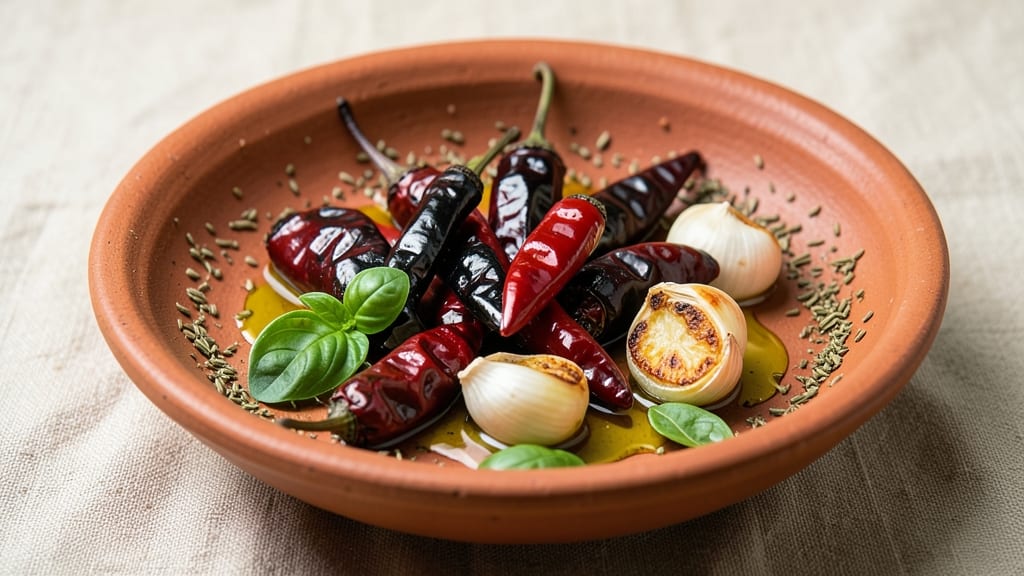
This Calabrian sauce recipe transforms simple pantry staples into a bold, smoky chili-pepper condiment that’s as versatile as it is flavorful—perfect for elevating seafood, drizzling over pasta, or marinating proteins. The secret lies in slow-cooked red chili peppers, garlic, and vinegar, which develop deep, complex flavors over time.
I’ve refined this version to balance authenticity with modern convenience, so you get restaurant-quality results without hours of prep.
The sauce’s signature heat and smokiness come from properly charring fresh chili peppers before simmering them in olive oil, garlic, and vinegar until tender. Fresh herbs like basil and oregano brighten the mix, while a touch of sugar balances the acidity.
Unlike store-bought versions, this recipe lets you control the spice level—adjust the pepper quantity to suit your taste. The sauce thickens as it cooks, creating a glossy, clingy consistency that clings beautifully to food.
Once complete, this Calabrian sauce keeps for up to 3 months in the fridge or 6 months when canned, making it a pantry essential. Use it as a marinade for grilled fish, a finishing drizzle on crusty bread, or a bold addition to tomato-based dishes.
The smoky depth pairs especially well with shellfish, roasted vegetables, and even pizza. Below, I’ll walk you through the exact steps to achieve that perfect balance of heat, acidity, and umami.
What sets this version apart is the two-stage cooking process: first simmering the peppers and garlic, then blending with vinegar and herbs to create a smooth, velvety sauce. The result is a condiment that’s rich enough to stand alone but adaptable enough to enhance any dish.
Ready to make your own? Let’s get started with the ingredients and technique.
Ingredients for calabrian sauce
Pantry staples meet bold flavors—just ten ingredients for restaurant-quality Calabrian sauce.
| Ingredient | Amount | Notes |
|---|---|---|
| Fresh Red Chili Peppers 🌶️ | 12 whole | Medium heat variety, charred |
| Extra-Virgin Olive Oil 🫒 | ¾ cup | High-quality, fruity variety |
| Garlic Cloves 🧄 | 6 cloves | Peeled, slightly charred |
| White Wine Vinegar 🍷 | ½ cup | Dry, aged variety |
| Fresh Basil Leaves 🌿 | ½ cup | Packed, stems removed |
| Dried Oregano 🍃 | 1 tsp | Mediterranean variety preferred |
| Granulated Sugar 🍚 | 1 tbsp | Balances acidity |
| Sea Salt 🧂 | 1 ½ tsp | Diamond Crystal preferred |
| Black Peppercorns 🌶️ | ½ tsp | Freshly cracked |
| Red Wine (optional) 🍷 | ¼ cup | Bold dry variety |
The chili peppers are non-negotiable—fresh, medium-heat varieties like Fresno or Arbol give the best smoky depth. Char them over an open flame or under a broiler until blackened all over (that’s where the smokiness comes from). Whole Foods or Latin markets usually carry the best selection, but any grocery store will have them. Skip the jarred peppers—they lack the complexity. For garlic, roast whole cloves first in the olive oil before mincing, or char them alongside the peppers for extra flavor. The olive oil should be extra-virgin and fruity—none of that cheap cooking oil stuff.
No fresh peppers? Dried arbol chiles work in a pinch—soak them first to soften. White wine vinegar can be swapped for apple cider vinegar or red wine vinegar, but white gives that classic brightness. Fresh basil is ideal, but dried basil at half the amount works if you’re in a hurry. The red wine is optional but adds depth—Cabernet Sauvignon or Merlot work best. For sugar, honey or maple syrup can replace the granulated, but sugar dissolves cleaner. And if you’re avoiding alcohol entirely, just add an extra splash of vinegar to compensate.
This sauce thickens as it cooks, so don’t rush it—simmer uncovered for 20-25 minutes to develop the flavors. Store in a clean, airtight jar in the fridge for up to 3 months. For longer storage, can it in sterilized jars for 6 months or more. The sauce tastes even better after a few days as the flavors meld. Freeze portions in ice cube trays for easy single-use servings—perfect for drizzling over pasta or tossing with seafood.
Why You'll Love This Recipe
- No-Fuss Freshness: I swear by this sauce because it’s the only one I make with raw chili peppers—no charring, no waiting for smoke to clear. Just slice, soak, and blend while I chop garlic for the pan. The vinegar cuts through the heat so fast, it’s like a breath of cool air after a spicy bite.
- Sunshine in a Jar: That first taste of bright, tangy garlic with the chili’s slow-building heat? It’s the kind of flavor that makes you pause mid-bite. The basil doesn’t just finish it—it turns the sauce into something alive, like a summer afternoon in a spoonful.
- Pantry-to-Plate Magic: This sauce turns my boring weeknight dinners into something special with zero effort. Drizzle it over grilled fish, toss it with pasta, or use it as a marinade for chicken—it’s the one ingredient that makes everything feel like a restaurant meal. (Yes, even on a Tuesday night.)
- Lasts Like a Champ: I make a big batch every few weeks and keep it in the fridge. The vinegar and olive oil preserve it perfectly, so I’m never stuck scrambling for a last-minute flavor boost. Plus, the chili peppers get milder over time—so it’s actually safer for the kids to sneak a taste.
Step-by-step instructions for Calabrian sauce
This smoky, vibrant sauce comes together with just a few simple techniques and pantry staples.
Char the Chili Peppers and Garlic
Heat a dry skillet over medium-high heat and add the 12 whole fresh red chili peppers. Let them char directly over the flame for 3-5 minutes until the skins blacken and blister in spots. Turn occasionally so they develop even char marks—this deepens the smoky flavor. Meanwhile, add the 6 peeled garlic cloves to the same skillet and char them lightly for 1-2 minutes until golden brown and fragrant.
Here's the thing—charred peppers develop their signature depth of flavor from the caramelization of their sugars. If you're using milder peppers, char them longer to intensify the heat. Transfer both the peppers and garlic to a heatproof bowl and cover tightly with plastic wrap for 10 minutes to steam and loosen their skins. This makes peeling effortless later.
Blister the Peppers and Remove Skins
After steaming, peel the charred peppers by making a small slit at the stem end and pulling the skin off like a glove. Discard the skins and seeds, then roughly chop the peppers into ½-inch pieces. The charred garlic should peel easily now—simply squeeze the cloves to remove their skins. Return the chopped peppers and garlic to the same skillet and cook over medium heat for 2-3 minutes until softened and slightly blistered.
This step builds flavor by developing the natural oils in the peppers through gentle cooking. If the peppers stick, add a splash of water to deglaze the pan. The goal is to create a fragrant base that will form the foundation of your sauce.
Build the Sauce Base
Reduce the heat to low and add the 0.75 cup extra-virgin olive oil to the skillet with the peppers and garlic. Let it simmer gently for 3-4 minutes until the oil becomes infused with their smoky aroma. Then pour in the 0.5 cup white wine vinegar and 0.25 cup red wine (if using), scraping up any browned bits from the bottom of the pan with a wooden spoon. This deglazing step captures all the concentrated flavors that would otherwise burn.
The vinegar and wine will bubble vigorously at first, then settle into a gentle simmer. Let it reduce by half—about 5-6 minutes)—until it thickens slightly and coats the back of a spoon. This reduction balances the acidity and intensifies the flavors. Taste and adjust seasoning with 1.5 teaspoons sea salt and 0.5 teaspoon freshly cracked black peppercorns.
Finish with Herbs and Sweetness
Remove the skillet from heat and stir in the 0.5 cup packed fresh basil leaves and 1 teaspoon dried oregano. Let the mixture sit off heat for 2 minutes to allow the basil's bright flavor to infuse. Then add the 1 tablespoon granulated sugar and stir until fully dissolved. The sugar balances the acidity and adds a subtle sweetness that rounds out the sauce.
For a smoother texture, transfer the sauce to a blender or food processor and pulse until nearly smooth, leaving just a few small pepper pieces for texture. If you prefer a chunkier sauce, simply mash the ingredients with a wooden spoon in the skillet. Either way, the result should be vibrant, smoky, and perfectly balanced.
Rest and Adjust
Let the sauce rest at room temperature for 10 minutes before serving. This allows the flavors to meld and the sauce to reach its ideal consistency. If it's too thick after resting, thin it with a splash of water or additional vinegar. Conversely, if it's too thin, simmer it gently for 2-3 minutes to reduce.
This sauce shines when served at room temperature, making it perfect for drizzling over pasta, bruschetta, or grilled meats. Its bright acidity and smoky depth cut through rich dishes beautifully. Store any leftovers in an airtight container in the refrigerator for up to 1 week, or freeze for 3 months.
Pro Tips For Making Calabrian Sauce
- CHAR THE PEPPERS LOW: I learned this the hard way—don’t blast those chilis on high heat. They’ll blacken before they soften. Simmer them gently in a splash of olive oil for 8-10 minutes, stirring occasionally, until they’re tender enough to mash but still hold shape. Patience here keeps the sauce vibrant, not bitter.
- PEEL GARLIC AFTER TOASTING: Skip the raw garlic clove toss-in. Toast the whole cloves in olive oil over medium-low heat until golden and fragrant (about 3-4 minutes). Then smash them with the back of a knife—this adds depth without overpowering. Raw garlic burns easily and can make the sauce taste harsh.
- STRAIN THE VINEGAR: Don’t just dump that white wine vinegar straight from the bottle. Strain it through a fine-mesh sieve first to remove sediment, which can make the sauce cloudy. A quick 10-second pour into a bowl lined with cheesecloth does the trick—your sauce will look cleaner and taste brighter.
- FINISH WITH COLD BASIL: Toss in the basil leaves when the sauce is off the heat. Hot oil kills their flavor faster than you’d think. A handful of cold, whole leaves (torn, not chopped) wilts beautifully and releases their aroma. If you’re impatient, at least let the sauce cool for 2 minutes before adding them—it makes a real difference.
Troubleshooting this dish
Peppers Too Spicy?
If your sauce ends up too fiery, reduce the heat by blending in 1-2 tablespoons of unsweetened applesauce or ½ cup plain Greek yogurt—this dilutes the capsaicin while adding creaminess.
For a quicker fix, stir in 1-2 tablespoons of extra-virgin olive oil, which coats the pepper receptors on your tongue. I’ve also found that adding 1 teaspoon of honey after blending helps mellow the heat while enhancing the sauce’s complexity. 🌶️
Sauce Too Thin?
Thin Calabrian sauce often results from over-blending or insufficient reduction. Simmer the sauce uncovered over low heat for 5-10 minutes to thicken naturally. For an instant fix, mix in 1 teaspoon of cornstarch with 1 tablespoon water and stir vigorously—this creates a slurry that thickens the sauce immediately.
Alternatively, mash a few roasted garlic cloves into the sauce; their natural oils help bind the mixture. 💡
Uneven Char Marks
Uneven charring happens when peppers aren’t turned frequently enough. To fix this, place the peppers directly over a gas flame (if using a stovetop) and rotate every 30 seconds until evenly blackened.
For broiler charring, position the rack 4-6 inches from the heat source and flip peppers halfway. If you’ve already charred them unevenly, simply discard the under-charred spots—they won’t contribute enough flavor. 🔥
Herbs Floating?
Fresh basil and oregano often float to the surface because they’re lighter than the oil-based sauce. To incorporate them fully, pulse the sauce in a blender for 5-10 seconds or use an immersion blender directly in the skillet.
If you prefer texture, gently press the herbs into the sauce with a wooden spoon while it’s still warm. For dried herbs, add them earlier in the cooking process to distribute evenly. 🌿
Sauce Separates After Storage
Separation occurs when the oil and vinegar components separate over time. To fix this, gently reheat the sauce over low heat while whisking continuously until fully emulsified.
For a permanent solution, blend the sauce again before storing or add 1 teaspoon of Dijon mustard (its emulsifying properties help bind the mixture). Stirring in 1 tablespoon of warm water also helps break up the separation. ❄️
Garlic Tastes Raw
Raw garlic flavor means the cloves weren’t charred or cooked enough. Next time, char the garlic cloves directly over the flame until golden brown and fragrant. If you’ve already made the sauce, blend in ½ teaspoon of smoked paprika or 1 teaspoon of roasted garlic powder to mask the rawness.
For a smoother texture, strain the sauce through a fine-mesh sieve to remove any uncooked garlic bits. 🧄
Nutrition facts
Frequently asked questions
What’s the best way to store homemade Calabrian sauce?
Transfer the sauce to a clean, airtight glass jar and store it in the refrigerator for up to 3 months. For longer preservation, can the sauce in sterilized jars for 6 months or more. The flavors actually improve over time as the ingredients meld together. Freeze portions in ice cube trays for easy single-use servings—just thaw overnight in the fridge before using.
Can I make this sauce without fresh chili peppers?
Yes! Use dried arbol chiles instead—soak them in warm water for 15 minutes to soften before charring. For a milder version, reduce the quantity by half. You’ll lose some smokiness, but the acidity and garlic will still create a bright, flavorful sauce. Just ensure you remove all seeds and stems for a smoother texture.
How does Calabrian sauce differ from other chili pastes?
Unlike thick, oil-heavy pastes like harissa or gochujang, Calabrian sauce is lighter and more acidic, thanks to the vinegar and wine base. It’s designed to enhance dishes rather than overpower them—think of it as a bright, smoky drizzle rather than a spread. The absence of tomatoes also sets it apart, giving it a cleaner, more herbaceous profile that pairs beautifully with seafood and delicate proteins.
What’s the ideal spice level for beginners?
Start with 6-8 chili peppers instead of 12 for a milder sauce. Remove the seeds and membranes before charring to reduce heat further. If you still find it too spicy, blend in 1 tablespoon of olive oil or ½ teaspoon of honey to balance the capsaicin. The sauce’s acidity also helps mellow the heat over time, so don’t worry if it tastes intense immediately—resting for 10 minutes before tasting makes a difference.
Can I use Calabrian sauce as a marinade?
Its acidity and smoky depth make it perfect for tenderizing proteins. Mix ¼ cup of sauce with ¼ cup olive oil and marinate fish, chicken, or shrimp for 30-60 minutes (no longer, or the acid may start to "cook" the meat). For vegetables like eggplant or zucchini, use it as a dip or finishing sauce after roasting. The sauce’s bright flavors work especially well with grilled or baked dishes.