
Sauces & Condiments
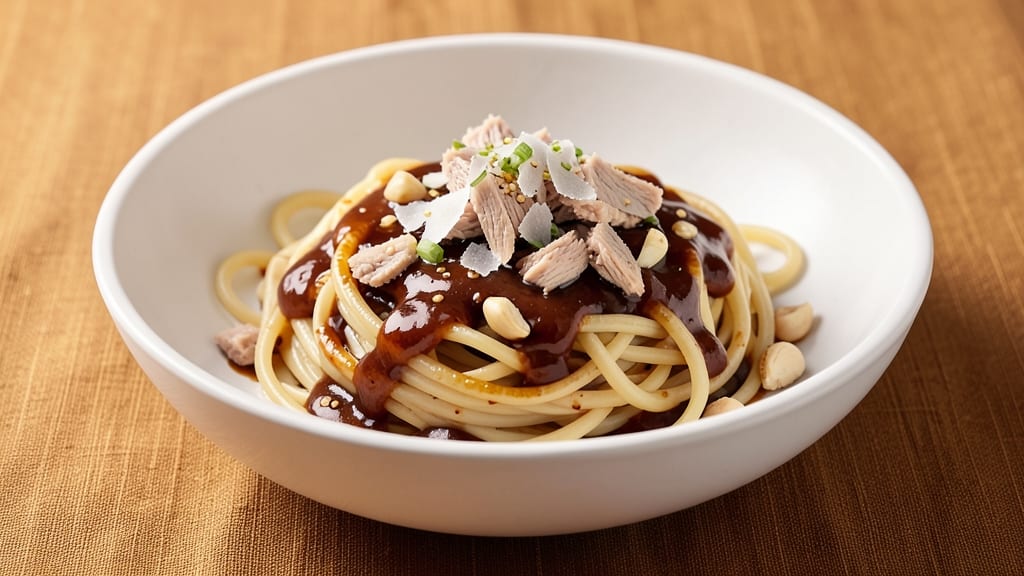
This quick canned tuna soy sauce recipe proves that a simple sauce and pantry staple can turn ordinary pasta into a bold, savory masterpiece.
This recipe harnesses the bold flavors of soy sauce to create a savory, protein-rich meal that comes together in just 15 minutes—perfect for busy weeknights when you need something satisfying without the fuss.
The secret lies in balancing the salty depth of soy with the richness of butter and garlic, turning basic pantry staples into a restaurant-worthy dish.
The beauty of this method is its simplicity: no fancy ingredients, no complicated techniques, just a few well-chosen components that work together seamlessly. You’ll start with canned tuna, drained and flaked, which absorbs the soy sauce’s umami punch while staying tender.
A quick sauté with garlic and butter builds a fragrant base, and the addition of pasta—cooked directly in the pan—ensures every bite is coated in that irresistible savory sauce. It’s the kind of dish that proves quick meals can be just as flavorful as slow-cooked favorites.
What you’ll end up with is a plate of golden, al dente pasta tossed with flaky tuna, glossy from the soy-garlic butter sauce. The aroma alone will have everyone at the table asking what’s for dinner, and the first bite delivers that perfect balance of salty, savory, and rich.
This isn’t just a meal; it’s a foolproof way to elevate canned tuna into something special without spending hours in the kitchen. Ready to make it?
Pair it with steamed broccoli or a simple green salad to round out the plate, or serve it as-is for a hearty, one-bowl dinner. The versatility is part of what makes this recipe so practical—it adapts to whatever you have on hand while delivering consistent, professional-quality results every time.
Let’s get cooking.
Ingredients for canned tuna soy sauce
Pantry staples meet bold flavors for this restaurant-worthy tuna pasta in minutes.
| Ingredient | Amount | Notes |
|---|---|---|
| Canned Tuna in Water 🐟 | 2 cans | 5 oz each, drained and flaked |
| Spaghetti 🍝 | 12 oz | Dry, al dente preferred |
| Soy Sauce 🍶 | ½ cup | High-quality, preferably Japanese |
| Unsalted Butter 🧈 | 3 tbsp | Full-fat for richness |
| Garlic Cloves 🧄 | 3 cloves | Freshly minced for aroma |
| Vegetable Oil 🫒 | 1 tbsp | For sautéing garlic |
| Salt 🧂 | ½ tsp | Adjust to taste |
| Black Pepper 🌶️ | ¼ tsp | Freshly cracked |
| Sesame Oil 🫒 | 1 tsp | Toasted, for finishing |
| Green Onions 🧅 | 2 whole | Thinly sliced, for garnish |
| Lemon Juice 🍋 | 1 tbsp | Freshly squeezed |
| Sesame Seeds 🌾 | 1 tsp | Toasted, for garnish |
The soy sauce is the heart of this dish, so Japanese brands like Kikkoman or Yamasa deliver the deepest umami. If you're using a lighter soy sauce, add 1 tsp of fish sauce to amplify the savory notes. The tuna should be high-quality, water-packed—avoid oil-packed for this recipe. For the garlic, freshly minced is non-negotiable; pre-minced can turn bitter. If you're short on time, garlic powder at half the amount works, but the flavor won’t be as vibrant. The butter matters too—full-fat, unsalted ensures a rich, velvety sauce without over-salting.
No soy sauce? Coconut aminos or tamari work in a pinch, though the flavor will be slightly different. Short on sesame oil? Toasted peanut oil adds a similar nutty depth. For the pasta, spaghetti or linguine are ideal, but rice noodles or udon can be swapped for a gluten-free option. The lemon juice brightens everything, so if you're out, rice vinegar at the same amount keeps the balance. For extra protein, add 1 cup cooked shrimp or 2 poached eggs at the end. The green onions and sesame seeds are purely for garnish, but they add that professional restaurant touch.
This dish reheats beautifully—just toss with a splash of water to keep it moist. Keeps for 3-4 days in the fridge, though the texture of the pasta may soften. For longer storage, freeze the sauce separately from the pasta—it’ll last up to 3 months. To serve, simply reheat the sauce and toss with fresh pasta. The flavors actually improve after the first night as the soy sauce melds with the butter. Double the recipe and freeze half for lazy weeknights—just thaw and reheat.
Why You'll Love This Recipe
- Pantry to Plate: I swear by this one—just open a can, boil water, and toss in noodles. No chopping, no fancy prep, and the garlic butter sauce comes together while you wait.
- Umami Bomb: That soy sauce and tuna combo? It’s like a tiny flavor explosion—salty, savory, and just enough richness from the butter to make it feel indulgent.
- Lunchbox Legend: Pack half the batch for work—it reheats beautifully and tastes even better the next day. Honestly, my kids beg for it in their lunches, and I don’t blame them.
- Budget Magic: A single can of tuna and a bag of pasta feed two for under $3. Between us, this is my go-to when groceries are tight but I still want something that feels like a meal.
Step-by-step instructions for canned tuna soy sauce pasta
This quick method transforms simple pantry staples into a restaurant-quality dish with bold umami flavors.
Cook the Spaghetti to Al Dente Perfection
Bring a large pot of water to a rolling boil and add 12 ounces spaghetti. Season generously with ½ teaspoon salt—the water should taste like the sea. Stir occasionally to prevent sticking, especially during the first 2 minutes of cooking.
Cook until the pasta is 1 minute shy of the package's recommended al dente time. This ensures it finishes cooking perfectly in the sauce. Reserve ½ cup pasta water before draining, as it contains vital starch that helps bind the sauce. Drain the pasta and return it to the pot, leaving it off the heat for now.
Create the Umami-Packed Sauce Base
In a large skillet, heat 1 tablespoon vegetable oil over medium heat. Add the 3 cloves minced garlic cloves and sauté for 30 seconds until fragrant, being careful not to let them brown. Remove the skillet from heat and stir in ½ cup soy sauce and 3 tablespoons unsalted butter.
Return the skillet to low heat and whisk continuously for 2-3 minutes until the butter melts completely and the sauce begins to thicken slightly. This step develops the rich, savory foundation of your dish. The sauce should coat the back of a spoon but remain pourable.
Combine Pasta and Sauce with Tuna
Add the drained spaghetti to the skillet with the sauce and toss vigorously to coat each strand evenly. Stir in the 2 cans drained and flaked canned tuna in water, breaking up any large chunks with a fork. Cook for 1-2 minutes over medium-low heat until everything is well combined and heated through.
If the mixture appears too thick, add 1-2 tablespoons reserved pasta water at a time until it reaches your desired consistency. The sauce should cling to the pasta without being overly watery. Season with ¼ teaspoon black pepper, then remove from heat.
Finish with Bright Aromatics
Stir in 1 tablespoon lemon juice and 1 teaspoon sesame oil, tossing gently to distribute evenly. The lemon juice brightens the rich flavors while the sesame oil adds depth. Garnish immediately with 2 whole sliced green onions and 1 teaspoon toasted sesame seeds for texture and visual appeal.
Serve immediately while hot, as the flavors meld best when fresh. Each bite should deliver a perfect balance of salty umami from the soy sauce, rich texture from the butter, and bright acidity from the lemon. The sesame oil and seeds add an extra layer of complexity that elevates this simple dish to something special.
Pro Tips For Making Canned Tuna Soy Sauce
- Drain Tuna Dry: I learned this the hard way—leaving excess water in the canned tuna makes your sauce thin and watery. Dump the tuna into a colander, press it gently with a spoon, and let it sit for 30 seconds. That extra moisture is the difference between a glossy, flavorful sauce and something that tastes like it’s swimming.
- Mince Garlic Fine: Skip the rough chopping—this isn’t a stir-fry. Use a knife to press the garlic into a paste (or pulse it in a tiny food processor) so it dissolves completely into the butter. Lumpy garlic just sits there like a bitter afterthought while the rest of the dish cooks.
- Toast Garlic Low: After melting the butter, reduce the heat to medium-low and let the garlic cook for 1-2 minutes until it’s just fragrant, not browned. I was skeptical until I tried it—overcooking garlic turns it bitter, and that ruins the whole dish. Think "golden aroma," not "charred crunch."
- Salt the Pasta Water: Yes, even if you’re using soy sauce later. Toss in 1 tablespoon of salt per 4 quarts of water—this ensures the pasta absorbs flavor from the start. The soy sauce will add depth, but salty pasta water is the foundation. Trust me, your taste buds will notice the difference.
Creative variations of this recipe
Asian-Inspired Stir-Fry
Transform this pasta into a quick stir-fry by swapping spaghetti for rice noodles or udon noodles. Cook the noodles according to package instructions, then toss them with the soy-garlic butter sauce and tuna.
Add 1 cup sliced bell peppers and ½ cup shredded carrots to the skillet during the final 2 minutes of cooking for a vibrant, veggie-packed dish. Finish with 1 tbsp toasted sesame seeds and 1 tsp chili crisp for a spicy kick. 🌶️
Creamy Miso Twist
For a richer, creamier texture, replace ½ cup soy sauce with ¼ cup white miso paste and ¼ cup soy sauce. Whisk the miso into the butter-garlic base until fully dissolved before adding the pasta.
The miso adds a deep, fermented umami that pairs beautifully with the tuna. Garnish with thinly sliced scallions and a drizzle of white sesame oil for an elegant touch.
Spicy Sriracha Kick
Add heat by stirring in 1 tbsp Sriracha with the soy sauce and butter. For extra depth, mix in 1 tsp fish sauce to enhance the savory notes. Serve over jasmine rice instead of pasta for a fusion-style bowl.
Top with crushed peanuts and cilantro for texture and freshness. This version is perfect for those who love a little fire with their umami. 🔥
Mediterranean Lemon-Garlic
Swap the soy sauce for ½ cup lemon juice and 2 tbsp olive oil, then add 1 tsp dried oregano and ½ tsp red pepper flakes to the garlic-butter base.
Toss with the pasta and tuna, then finish with ¼ cup crumbled feta cheese and 2 tbsp chopped kalamata olives. This version keeps the simplicity of the original while giving it a bright, zesty Mediterranean flair.
Thai-Inspired Coconut Curry
For a tropical twist, replace the soy sauce with ½ cup coconut milk and 1 tbsp red curry paste. Simmer the garlic in 1 tbsp coconut oil instead of vegetable oil, then add the coconut milk and curry paste.
Cook for 3 minutes before combining with the pasta and tuna. Garnish with fresh cilantro and lime wedges for a dish that feels like a vacation in a bowl. 🌴
Protein-Packed Egg Noodles
Boost the protein by serving the tuna-soy sauce over egg noodles and topping with 2 soft-boiled eggs, sliced in half. The runny yolk adds richness that complements the soy sauce perfectly.
For extra crunch, sprinkle with crispy fried shallots or toasted sesame seeds. This version is hearty enough for a full meal but still quick to prepare.
Nutrition facts
Frequently asked questions
Can I use oil-packed tuna instead of water-packed?
The recipe calls for water-packed tuna to keep the dish light and let the soy sauce shine. Oil-packed tuna will add extra fat, making the sauce heavier. If you must use it, drain thoroughly and reduce the butter to 2 tablespoons to balance the richness. The texture will be slightly different but still delicious!
How can I make this dish gluten-free?
Swap the spaghetti for rice noodles or gluten-free pasta, and use tamari instead of soy sauce. Tamari is a gluten-free soy sauce alternative that delivers the same umami punch. Double-check labels on all ingredients, including butter and broth (if used), to ensure they're certified gluten-free.
Why does my sauce turn out too salty?
Soy sauce is naturally salty, so balance is key. If your sauce tastes too strong, add 1-2 tablespoons lemon juice or rice vinegar to brighten flavors and cut the saltiness. You can also thin the sauce with reserved pasta water to dilute the intensity. Taste as you go!
Can I make this recipe ahead of time?
Yes! Cook the pasta and sauce separately, then refrigerate for up to 2 days. Reheat gently with a splash of water to restore moisture. For longer storage, freeze the sauce (without pasta) for up to 3 months. The flavors actually deepen when reheated, making it perfect for meal prep.
What are the best sides to serve with this dish?
Pair it with fresh, light sides to balance the richness. Try steamed broccoli with sesame seeds, a simple cucumber salad with rice vinegar, or miso soup for an Asian-inspired spread. For extra protein, serve with edamame or shrimp on the side.