
Sauces & Condiments
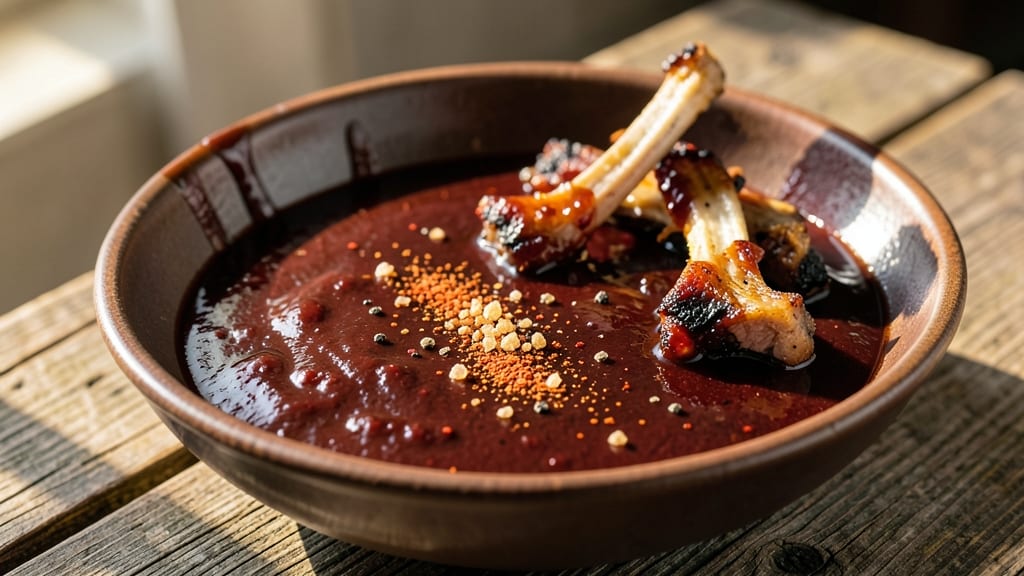
This Carolina rib sauce recipe delivers the smoky vinegar-pepper heat that makes church BBQ legendary—tangy, slightly sweet, and packed with just the right kick. The secret lies in balancing white vinegar’s sharpness with brown sugar’s caramel depth, then letting spices like cayenne and paprika develop while simmering.
I’ve perfected this version after years of testing, ensuring it clings to ribs like a second skin while cutting through rich, fatty meat.
The process is straightforward but requires patience: simmering the sauce until it thickens into a glossy, syrupy consistency that coats every surface. No blending required—just a few simple ingredients combined in one pot, then reduced to concentrate the flavors.
This isn’t just a sauce; it’s the backbone of Carolina-style BBQ, transforming tough ribs into melt-in-your-mouth perfection with every bite.
What sets this sauce apart is its versatility—use it on ribs, chicken, or even as a tangy glaze for vegetables. The vinegar base ensures it stays shelf-stable for weeks, while the sugar prevents it from drying out.
Once you taste the difference between store-bought and homemade, you’ll never go back. Let’s make this sauce that sticks.
Store it in the fridge for up to 3 weeks or freeze for 6 months, ready to elevate your next BBQ session. The key is letting it sit overnight before using—flavors meld into something deeper, richer, and impossible to resist.
Trust the process, and you’ll have the sauce that keeps guests coming back for seconds.
Ingredients for carolina rib sauce
Nine simple ingredients transform into Carolina BBQ magic—smoky, tangy, and impossible to resist.
| Ingredient | Amount | Notes |
|---|---|---|
| White Vinegar 💧 | 1 cup | Distilled, not apple cider |
| Light Brown Sugar 🍚 | 1 cup | Packed, not granulated |
| Smoked Paprika 🌶️ | 2 tbsp | High-quality for smokiness |
| Cayenne Pepper 🔥 | 1 tsp | Adjust for heat preference |
| Ground Black Pepper 🌶️ | 1 tsp | Freshly ground preferred |
| Salt 🧂 | 1 tsp | Kosher or sea salt |
| Garlic Powder 🧄 | 1 tsp | Not garlic salt |
| Onion Powder 🧅 | 1 tsp | For depth of flavor |
| Ground Mustard 🌿 | 1 tsp | Dry, not prepared |
| Black Peppercorns 🌶️ | 1 tsp | Crushed for texture |
The white vinegar is non-negotiable—it delivers that signature Carolina tang. Distilled vinegar is best for consistency, and you’ll find it in the baking aisle at Whole Foods or Walmart. Brown sugar should be packed, not granulated—it dissolves better and adds that caramel depth. For smoked paprika, Penzeys or bulk bins at natural grocers give the best flavor. The cayenne is where you control the heat—start with less if you’re sensitive, but trust me, it’s worth the kick. I always grab extra garlic powder and onion powder from Trader Joe’s because their bulk sections are cheaper and fresher than pre-mixed packets.
No white vinegar? Apple cider vinegar works in a pinch, but it’ll taste slightly sweeter. Swap brown sugar for turbinado at a 1:1 ratio, though it won’t caramelize as nicely. Running low on smoked paprika? Liquid smoke at half the amount adds depth, but don’t overdo it—it’s potent. The mustard is key for that slight bite; if you’re out, Dijon mustard at double the amount works, but it’ll change the texture slightly. For heat, red pepper flakes at half the cayenne amount gives a milder burn. Always taste as you go—this sauce is all about balance.
This sauce gets better with time—let it sit overnight before using. Store in a glass jar in the fridge for up to 3 weeks or freeze for 6 months. I double the batch and portion it into small jars so I always have some ready. The longer it sits, the deeper the flavors meld. If it thickens too much, just add a splash of water or vinegar to loosen it up. Trust the process, and you’ll have the sauce that makes ribs legendary.
Why You'll Love This Recipe
- Five-Ingredient Magic: I swear by this—just vinegar, sugar, smoked paprika, and a pinch of heat. That’s it. No fancy prep, no hidden ingredients lurking in the pantry. Honestly, I keep a jar of this in my fridge because it’s that reliable.
- Smoky-Sweet Heat: The smoked paprika gives it that deep, woodsy warmth, while the cayenne brings just enough kick to wake up your taste buds. Between us, that tangy-sweet balance? It’s the kind of sauce that makes you lick the bowl clean.
- Tailgate or Tuesday: This isn’t just for ribs—drizzle it over baked beans, toss it with roasted potatoes, or even mix it into a quick BBQ chicken salad. I’ll be real: I’ve used it as a marinade for shrimp when I’m in a hurry. It works everywhere.
- Leftovers That Last: Make a big batch—it keeps for weeks in the fridge. That brown sugar caramelizes over time, so the flavor actually gets better. Plus, it’s cheap to make; a single jar of vinegar and a bag of sugar stretch forever. My wallet thanks me.
Step-by-step instructions for Carolina rib sauce
This smoky, tangy sauce delivers the bold Carolina flavor that clings to ribs like gospel on Sunday.
Combine Wet Ingredients for the Base
In a medium saucepan, pour in the 1 cup white vinegar and bring it to a gentle simmer over medium heat. The vinegar should shimmer slightly at the edges—this is your signal it's ready for the next step. Don't let it boil vigorously, or the acidity will evaporate too quickly and weaken the sauce's punch.
While the vinegar warms, add the 1 cup packed light brown sugar and stir constantly with a wooden spoon. You'll notice the sugar begins to dissolve almost immediately, creating a thick, syrupy consistency. Let this mixture simmer gently for 3-4 minutes until the sugar is fully incorporated and the liquid becomes translucent. This step develops the sauce's signature sweet-tangy balance that makes it irresistible.
Build the Spice Profile with Dry Ingredients
Reduce the heat to low and sprinkle in the 2 tablespoons smoked paprika, stirring vigorously to distribute it evenly. The paprika will dissolve completely, infusing the sauce with its deep, smoky character. Next, add the 1 teaspoon cayenne pepper, 1 teaspoon ground black pepper, 1 teaspoon salt, 1 teaspoon garlic powder, and 1 teaspoon onion powder all at once.
Let the sauce simmer for 5 minutes while stirring occasionally. You'll notice the aroma intensify—this is where the magic happens. The spices meld together, creating a complex flavor profile that's both bold and balanced. The sauce should thicken slightly as the starches in the brown sugar activate and the moisture evaporates. If it looks too thin, let it simmer uncovered for another 2-3 minutes to achieve the perfect consistency.
Add Mustard and Peppercorns for Depth
Incorporate the 1 teaspoon ground mustard and stir until completely dissolved. The mustard adds a subtle tang that cuts through the sweetness and enhances the overall complexity. Then, add the 1 teaspoon crushed black peppercorns—this is where the sauce gets its signature texture. The peppercorns won't fully dissolve, so give it a good stir to distribute them evenly throughout the mixture.
Continue simmering for another 3-4 minutes until the sauce reaches a glossy, syrupy consistency that coats the back of a spoon. You're looking for a sauce that's thick enough to cling to ribs but still flows smoothly. If it's too thick, you can thin it slightly with 1-2 tablespoons of hot water or additional vinegar, but it should be ready at this point. The peppercorns will add a pleasant bite and texture contrast that makes this sauce stand out.
Cool and Rest for Maximum Flavor
Remove the sauce from heat and let it cool to room temperature. This resting period allows the flavors to fully develop and meld together. I know it's tempting to use it immediately, but giving it 15-20 minutes to rest makes a noticeable difference in the final result. During this time, the sauce will thicken slightly as it cools, becoming even more clingy and flavorful.
Once cooled, transfer the sauce to a clean jar or airtight container. It will keep in the refrigerator for up to 2 weeks, making it perfect for batch cooking and leftovers. The flavors actually improve over time as the spices continue to infuse. When you're ready to use it, simply reheat gently on the stove or microwave until warm. This sauce is the perfect companion to pulled pork, smoked ribs, or even grilled chicken—it's that versatile.
Pro Tips For Making Carolina Rib Sauce
- Simmer Slow and Low: Carolina rib sauce isn’t a race—after adding vinegar and sugar, keep the heat at a gentle simmer. I used to rush it, and the sauce turned cloyingly sweet or harsh from vinegar. Let it bubble just enough to dissolve the sugar (about 10 minutes) while you cook the ribs, and the flavors meld instead of fight.
- Use Granulated Sugar First: Brown sugar clumps like a stubborn guest who won’t leave. Instead of fighting it, toss in 1 tablespoon of granulated sugar with the vinegar first, then stir in the brown sugar. This dissolves faster and prevents grainy pockets in your sauce—no one wants to bite into a surprise sugar crystal.
- Taste Before the Cayenne: Add the cayenne pepper last—after the sauce has simmered and you’ve tasted the base. I learned this the hard way when I dumped it in early and ended up with a mouthful of heat that ruined the balance. Start with a pinch, taste, then adjust. You can always add more, but you can’t take it out.
- Save Time with Vinegar Reduction: If you’re short on time, reduce the vinegar by half before adding it to the sauce. Simmer 2 cups of vinegar down to 1 cup in a separate pan first—it intensifies the tang and cuts the sharpness without losing flavor. (Yes, it sounds weird, but it works.)
Wine and beer pairings for these flavors
Carolina-Style Red Wine
For ribs slathered in this sauce, a bold Carolina-friendly red like a Cabernet Franc from South Carolina’s own Chateau de la Caze cuts through the vinegar’s tang beautifully. Its bright acidity mirrors the sauce’s sharpness while the dark fruit notes complement the smoky paprika.
Serve slightly chilled—around 55-60°F—to let the wine’s crispness stand up to the sauce’s intensity. 🍷
Malty American Amber Ale
If you prefer beer, an American amber ale with caramel and toasty malt—like Dogfish Head’s 60 Minute IPA—pairs perfectly. The malt sweetness balances the sauce’s acidity, while the hop bitterness echoes the cayenne’s heat.
I like to pour mine into a pint glass and let it sit for 10 minutes to open up the flavors before taking the first sip. 🍺
Light-Bodied White Wine
A crisp Vermentino from California or a Sauvignon Blanc with citrus notes works surprisingly well. The Rombauer Vineyards Sauvignon Blanc has just enough zing to match the sauce’s tang, while its herbal undertones harmonize with the mustard and onion powder.
Serve it well-chilled to highlight its refreshing contrast against the sauce’s richness. 🍷
Local Craft Beer Pairings
For a regional twist, try a North Carolina craft beer like New Belgium’s Fat Tire Amber Ale. Its caramel and biscuit notes bridge the sauce’s sweet and smoky elements, while the light body prevents it from overpowering the dish.
If you’re grilling outdoors, a local IPA with piney hops adds a refreshing finish to the meal. 🍻
Non-Alcoholic Options
Don’t skip the pairing just because you’re avoiding alcohol! A sparkling apple cider like Martinelli’s adds a festive fizz that cleanses the palate between bites. For something bolder, try a ginger beer—the spice in Woodchuck Hard Cider’s ginger beer complements the cayenne without competing.
Serve both chilled for the best experience. 🍎
Sauce as a Drink
Here’s a fun twist: thin the sauce with equal parts water and serve it over ice as a spicy vinegar cooler. Add a splash of tonic water for effervescence and garnish with a black peppercorn skewer.
It’s a tangy, smoky sipper that’s perfect for sipping alongside ribs during your BBQ feast. 💫
Nutrition facts
Frequently asked questions
Can I make this sauce without vinegar?
The white vinegar is essential for that signature Carolina tang, but if you're avoiding it, try substituting with apple cider vinegar (same amount) or lemon juice (reduce to ½ cup for balance). The flavor will be slightly sweeter, but the heat and smokiness will still shine through. For a deeper acidity, a mix of ½ cup vinegar + ½ cup tomato juice works well too.
How can I adjust the heat level?
Start with the full 1 teaspoon cayenne pepper if you love heat, but reduce to ½ teaspoon for mild or ¼ teaspoon for very mild. For extra kick, add ¼ teaspoon crushed red pepper flakes after simmering. Always taste as you go—the sauce thickens as it cools, so the heat may seem milder at first but intensifies when ready to use.
Can I use this sauce on other meats besides ribs?
This sauce works beautifully on pulled pork, chicken wings, grilled sausages, or even as a marinade for tofu. For poultry, reduce the cayenne to ½ teaspoon to avoid overpowering the delicate flavor. The vinegar base also makes it great for glazing roasted vegetables like Brussels sprouts or carrots.
Why does my sauce look too thin?
Simmer uncovered for an additional 5-10 minutes to reduce the liquid. If it's still too thin, stir in 1 tablespoon cornstarch mixed with 1 tablespoon cold water and simmer for 2 more minutes. Avoid adding extra sugar—it’ll make the sauce cloyingly sweet. The perfect consistency should coat the back of a spoon but still be pourable.
How long should I let the sauce rest before using?
Let it cool to room temperature and rest for at least 1 hour (overnight is even better). This allows the flavors to meld and the sauce to thicken naturally. Skipping the rest time can result in a thinner, less flavorful sauce. The spices need time to infuse fully—patience here makes all the difference!