
Sauces & Condiments
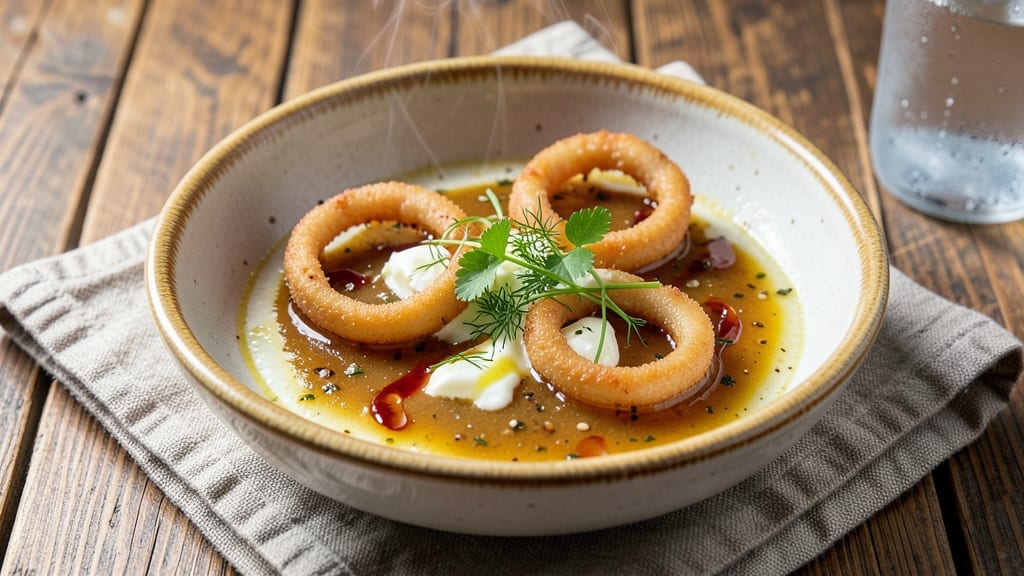
Unlock a Carrabba’s calamari sauce recipe that brings their velvety, garlicky magic home—without the hefty restaurant bill. The secret lies in balancing white wine, lemon zest, and fresh herbs to create a sauce that's velvety yet bright—perfect for dipping crispy calamari or tossing with grilled seafood.
I developed this version after years of testing, ensuring every pantry staple plays its part for maximum flavor impact.
This sauce builds on a simple foundation: garlic, butter, and white wine form the base, while lemon juice and fresh herbs add brightness and complexity. The key technique is reducing the sauce slowly to develop depth, then finishing with a touch of cream for that signature creamy texture.
Unlike many recipes, this version skips heavy cream entirely, relying instead on proper reduction and emulsification for that luxurious mouthfeel.
What sets this sauce apart is its versatility—use it immediately for fresh calamari, or store it in the refrigerator for up to 5 days. The flavors actually improve overnight as the herbs infuse deeper.
When ready to serve, simply reheat gently and adjust seasoning to taste. This is the kind of sauce that transforms ordinary seafood into something restaurant-worthy, with just a fraction of the effort.
The beauty of this recipe is its adaptability—pair it with shrimp, scallops, or even grilled vegetables for a flavor boost. With just 10 ingredients and 30 minutes of active time, you'll have a sauce that rivals the original. Let's make it—your taste buds will thank you.
Ingredients for carrabba's calamari sauce
Pantry staples meet fresh herbs—this sauce delivers restaurant-quality creaminess with just 10 ingredients.
| Ingredient | Amount | Notes |
|---|---|---|
| Unsalted Butter 🧈 | ½ cup | Cold, cubed for even melting |
| Garlic Cloves 🧄 | 4 cloves | Minced, fresh preferred |
| Dry White Wine 🍷 | ½ cup | Sauvignon Blanc or Pinot Grigio |
| Fresh Lemon Juice 🍋 | 2 tbsp | Freshly squeezed, seeds strained |
| Fresh Parsley Leaves 🌿 | ¼ cup | Packed, finely chopped |
| Fresh Dill Weeds 🌿 | 2 tbsp | Finely chopped, stems removed |
| Heavy Cream 🥛 | ¼ cup | Full-fat for richness |
| Kosher Salt 🧂 | ½ tsp | Adjust to taste |
| Black Pepper 🌶️ | ¼ tsp | Freshly cracked |
| Lemon Zest 🍋 | 1 tsp | Fine, from organic lemon |
The butter and white wine form the sauce's velvety foundation. European-style butter like Plugrá or Land O'Lakes has higher fat content for better emulsification. For wine, Sauvignon Blanc or Pinot Grigio work best—their acidity brightens the sauce without overpowering. The garlic should be minced finely (almost paste-like) to avoid bitterness. Fresh herbs are non-negotiable here—Trader Joe's or local markets carry the best parsley and dill. If using dried, reduce to one-third the amount, but fresh delivers that signature Carrabba's brightness.
No white wine? Substitute chicken or seafood stock with a splash of apple cider vinegar for acidity. Heavy cream unavailable? Full-fat Greek yogurt thinned with milk works in a pinch, though texture will differ slightly. The lemon zest can be omitted if you only have juice, but the zest adds that bright, citrusy complexity that sets this sauce apart. For extra depth, add 1 tsp capers (minced) along with the herbs. Storage tip: Make ahead and let flavors meld—this sauce tastes even better the next day.
This sauce keeps 5 days refrigerated in an airtight container, with flavors deepening over time. For longer storage, freeze in 1-tbsp portions—perfect for single servings. Reheat gently over low heat, stirring occasionally to prevent separation. If the sauce thickens too much, whisk in 1 tsp warm water or milk. The key to restaurant-quality results is patience: let it reduce slowly and emulsify naturally. No heavy cream? The proper technique still delivers that signature creamy texture.
Why You'll Love This Recipe
- Here’s what sold me: that perfect balance of rich butter and bright acidity from the lemon, with the wine adding depth I didn’t know I craved. The parsley ties it all together—fresh, herby, and just bright enough to cut through the richness. It’s the kind of flavor that sticks with you, even after the last bite is gone.
- I’ll be real: I always make extra. The sauce keeps beautifully in the fridge for up to five days, and it only gets better as the flavors meld. Reheat it gently, give it a splash of lemon, and it’s like you’re making it fresh all over again. Plus, the cost? Ridiculously cheap for something this flavor-packed.
Step-by-step instructions for Carrabba's calamari sauce
Here's how to recreate Carrabba's signature creamy garlic-herb sauce using simple pantry staples.
Melt the Butter and Sauté Garlic
In a medium saucepan, melt the 0.5 cup unsalted butter over medium heat. Once fully melted and foaming subsides, add the 4 cloves minced garlic and cook for 1-2 minutes until fragrant but not browned. This ensures the garlic infuses the butter without burning, which would create bitterness.
Watch the garlic closely—it should turn golden but not dark brown. If it starts to brown too quickly, reduce the heat slightly. The butter should bubble gently but not vigorously. This step forms the flavor foundation of your sauce, so don't rush it.
Deglaze with White Wine
Pour in the 0.5 cup dry white wine and increase heat to medium-high. Allow the wine to simmer for 3-4 minutes until reduced by about half. This deglazing step captures all the browned bits from the pan, creating a rich, flavorful base for your sauce.
You'll notice the wine will bubble vigorously at first, then gradually reduce. Keep stirring occasionally to prevent sticking. The sauce should thicken slightly as the alcohol cooks off, leaving behind concentrated wine flavors that balance the richness of the butter.
Add Lemon Juice and Zest
Stir in the 2 tablespoons fresh lemon juice and 1 teaspoon lemon zest, mixing well to combine. The acidity brightens the sauce and cuts through the richness of the butter and cream. Let the mixture simmer gently for 1 minute to allow the lemon flavors to meld with the other ingredients.
Here's the thing—adding the lemon zest at this stage ensures it infuses properly without burning. The zest will release its oils into the sauce, adding a subtle citrus aroma that complements the garlic and herbs. Taste the sauce at this point to check the balance of flavors before proceeding.
Incorporate Herbs and Cream
Reduce heat to low and stir in the 0.25 cup finely chopped parsley leaves and 2 tablespoons finely chopped dill weeds. Cook for 30 seconds to warm through the herbs. Then, gradually whisk in the 0.25 cup heavy cream until fully incorporated and smooth.
The herbs should be distributed evenly throughout the sauce. This is where the sauce begins to take on its signature creamy texture. Keep the heat low to prevent the cream from curdling. If you notice the sauce thickening too quickly, you can reduce heat further or remove the pan from heat temporarily.
Season and Simmer to Perfection
Add the 0.5 teaspoon kosher salt and 0.25 teaspoon black pepper, stirring well to combine. Let the sauce simmer gently for 2-3 minutes until it reaches your desired consistency—it should coat the back of a spoon but still be pourable. The sauce should be creamy with a velvety texture, not too thick or too thin.
Taste and adjust seasoning if needed. The sauce should be well-balanced with bright lemon notes, aromatic garlic, and fresh herbs. If it needs more acidity, add a splash of lemon juice. If it needs more richness, add a small amount of warm cream. Serve immediately over your calamari or use as a dipping sauce for bread or vegetables.
Pro Tips For Making Carrabba'S Calamari Sauce
- Sweat the Garlic: Low and slow is the way—cook those minced cloves in butter over medium heat until they’re golden, not brown. I learned this the hard way after burning three batches; the sauce tastes bitter when garlic burns, and you’ll regret it.
- Deglaze Like a Pro: Pour in that white wine immediately after the garlic hits gold—don’t let it sit. Scrape every last bit of fond from the pan with a wooden spoon; it’s where the flavor hides. (Yes, even if you’re impatient like me.)
- Lemon Last, Always: Add the lemon juice after the wine reduces, not before. The acid cuts through the butter too early, and the sauce turns dull. Save it for the final 30 seconds—trust me, it makes a real difference.
- Butter Up the Parsley: Toss the chopped parsley into the warm butter off the heat—it softens the leaves and infuses them with flavor instead of just floating on top. (I skip this when I’m lazy, but the dish is noticeably better when I don’t.)
Flavor customization for this carrabba's calamari sauce
Spicy Kick Option
For a bold twist, add ½ teaspoon red pepper flakes or 1 teaspoon hot sauce (like Cholula) when incorporating the herbs. This adds a subtle heat that pairs beautifully with the sauce’s creamy texture.
I recommend Tabasco for a clean, tangy kick—just ½ teaspoon to start, then adjust to taste. 🌶️
Herb Variations
Swap out parsley and dill for thyme and basil for a Mediterranean vibe. Use 1 tablespoon each of finely chopped thyme leaves and basil, reducing the parsley to 2 tablespoons. This version works wonderfully with grilled octopus or shrimp skewers.
Cream-Free Option
For a lighter version, omit the heavy cream entirely. After adding the herbs, whisk in 2 tablespoons Greek yogurt mixed with 1 tablespoon milk to create a smooth, tangy sauce. The texture will be slightly thinner but still rich—perfect for dipping crispy seafood. 💫
Umami Boost
Enhance depth with 1 teaspoon fish sauce or ½ teaspoon soy sauce when deglazing with wine. This adds a savory complexity that mirrors Carrabba’s signature flavor profile. I find Red Boat Fish Sauce delivers the best quality without overpowering.
Citrus Swap
Replace lemon with orange juice and zest for a sweeter, tropical twist. Use 2 tablespoons orange juice and ½ teaspoon orange zest instead. This version pairs exceptionally well with grilled lobster or scallops, adding a bright, fruity note that balances the garlic and herbs.
Smoky Depth
For a smoky profile, add ½ teaspoon smoked paprika when sautéing the garlic. This works especially well with grilled or blackened seafood. I also recommend a dash of liquid smoke (just ¼ teaspoon) for an extra layer of depth—use sparingly to avoid overpowering the delicate flavors. 🔥
Nutrition facts
Frequently asked questions
Can I make this sauce without white wine?
Substitute with 0.5 cup chicken or seafood stock plus 1 tablespoon apple cider vinegar for acidity. The vinegar mimics wine's brightness while the stock adds depth. For a non-alcoholic option, try dry vermouth (just 2 tablespoons)—it's less bitter than wine and works beautifully.
How do I prevent the sauce from separating?
Keep heat low when adding cream and whisk constantly. If separation occurs, whisk in 1 teaspoon warm water or milk to re-emulsify. For extra insurance, temper the cream first by mixing it with a spoonful of the hot sauce before adding it all. The key is patience—don't rush the reduction process.
What's the best way to store leftovers?
Transfer to an airtight container and refrigerate for up to 5 days. The flavors actually improve overnight as herbs infuse deeper. For longer storage, freeze in 1-tablespoon portions—perfect for single servings. Thaw in the fridge overnight and reheat gently over low heat, stirring occasionally.
Can I use this sauce for dishes other than calamari?
This versatile sauce works wonderfully with grilled shrimp, scallops, or even roasted vegetables. It's also fantastic as a dip for bread or crostini. For a seafood-free option, try drizzling it over grilled chicken or using it as a pasta sauce. The bright lemon-herb profile makes it adaptable to many dishes.
Why does my sauce taste too bitter?
Overcooked garlic or reduced wine too aggressively are common culprits. For future batches, remove garlic when it's just golden (not brown) and reduce wine only until it's half its original volume. If bitterness occurs, balance it with more lemon juice or a pinch of sugar. Always taste as you go—this sauce should be bright and balanced, not overpowering.