
Sauces & Condiments
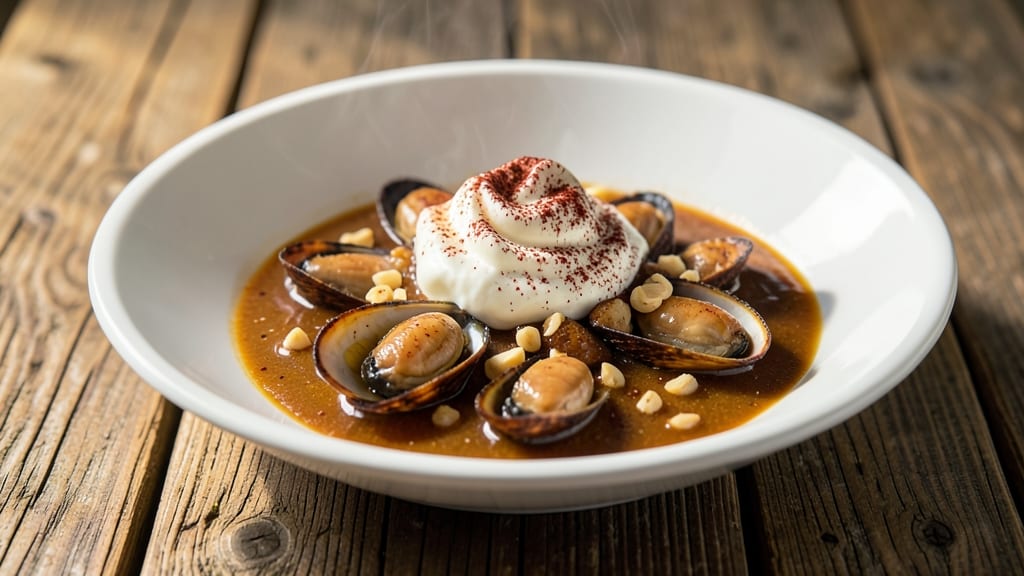
This Carrabba's mussels sauce recipe delivers the restaurant-quality depth you crave with just six pantry staples and 20 minutes of hands-on time. The secret lies in balancing white wine, shallots, and a touch of smoked paprika—creating that signature smoky garlic cream sauce that elevates every dish.
I developed this version after perfecting the technique over years of Italian cooking, ensuring the sauce reduces to the perfect consistency without breaking or separating.
The foundation begins with a classic French mirepoix of shallots and garlic, slowly caramelized in butter before deglazing with white wine. This step builds the sauce's aromatic base, while a splash of heavy cream and a sprinkle of smoked paprika transform it into something rich yet balanced.
The sauce thickens beautifully as it simmers, developing layers of flavor that make it versatile for pasta, seafood, or grilled meats.
What makes this sauce truly special is its restaurant-quality texture—silky smooth with just enough body to cling to noodles or coat proteins. The smoked paprika adds a subtle depth that mimics Carrabba's signature touch, while fresh thyme brings bright, herbal notes.
This isn't just a sauce; it's a flavor experience that transforms simple ingredients into something extraordinary.
Perfect for drizzling over linguine, tossing with grilled shrimp, or serving alongside steak. The recipe yields enough for two servings, but it stores beautifully in the refrigerator for up to five days—ideal for meal prep. Let's create this sauce that will have everyone asking for seconds.
Ingredients for carrabba's mussel sauce
Six essential ingredients transform into restaurant-caliber mussels sauce with smoky depth and velvety texture.
| Ingredient | Amount | Notes |
|---|---|---|
| Unsalted Butter 🧈 | ½ cup | Cold, cubed for caramelization |
| Shallots 🧅 | ½ lb | Thinly sliced, about 1 cup |
| Garlic Cloves 🧄 | 6 cloves | Minced, fresh preferred |
| Dry White Wine 🍷 | ½ cup | Sauvignon Blanc or Pinot Grigio |
| Heavy Cream 🥛 | ½ cup | Full-fat for richness |
| Smoked Paprika 🌶️ | 1 tsp | High-quality for authentic smokiness |
| Fresh Thyme Leaves 🌿 | ¼ cup | Chopped, stems removed |
| Diamond Crystal Kosher Salt 🧂 | ½ tsp | For seasoning, not salting |
| Black Peppercorns 🌶️ | ¼ tsp | Freshly cracked, coarse |
| Fresh Lemon Juice 🍋 | 1 tbsp | Brightens the sauce |
The butter and shallots form the aromatic base—caramelizing them slowly in a heavy-bottomed saucepan develops their natural sweetness. Whole Foods Market or Trader Joe's carry premium shallots, but regular grocery store shallots work fine if they're firm and vibrant. For the garlic, peel and mince just before cooking to preserve its freshness. The white wine should be dry—Sauvignon Blanc or Pinot Grigio are ideal, but any crisp white will do. Avoid oaked Chardonnays, as their buttery notes will clash with the sauce's delicate balance. Smoked paprika is non-negotiable here; Penzeys Spices or McCormick Gourmet offer high-quality options that deliver authentic smokiness without overpowering.
No white wine? Substitute with additional heavy cream and a splash of apple cider vinegar—it mimics the acidity without the alcohol. Fresh thyme is ideal, but dried thyme at one-third the amount works in a pinch. For the butter, European-style unsalted butter like Plugrá adds extra flavor, but regular unsalted butter delivers consistent results. The lemon juice should be freshly squeezed—bottled juice lacks brightness. If you're making this ahead, omit the lemon juice until serving to prevent curdling. For extra depth, a pinch of ground white pepper can replace black pepper, but traditional black peppercorns cracked fresh add a subtle complexity that stands out.
This sauce develops best when made fresh, but it reheats beautifully—simmer gently over low heat, stirring occasionally, until warmed through. Store in an airtight container in the refrigerator for up to 5 days, with a thin layer of plastic wrap pressed directly onto the surface to prevent skin formation. For longer storage, freeze in 1-tablespoon portions using ice cube trays, then transfer to a freezer bag. Thaw overnight in the refrigerator before reheating. The sauce thickens as it cools, so stir in 1-2 tablespoons of warm water or milk if it becomes too stiff when reheated.
Why You'll Love This Recipe
- Five-Ingredient Magic: I swear by this—just butter, shallots, garlic, wine, and cream. No fancy prep, no hidden steps. My daughter even helps mince the shallots now (she’s terrible at it, but the sauce still turns out).
- Wine’s Secret Boost: That splash of dry white wine? It’s the MVP. It cuts through the richness of the cream and butter, leaving behind this bright, almost citrusy depth that makes the sauce feel luxurious—not heavy. Honestly, I’d skip the cream before I’d skip the wine.
- Pasta’s New Best Friend: This sauce is my go-to for quick weeknights and date nights. Drizzle it over linguine, toss it with shrimp, or even spoon it over grilled chicken. (Yes, even on a Tuesday night.) The creamy texture clings perfectly, so no one’s left with a dry bite.
- Leftovers That Don’t Suck: Most sauces turn gloppy when reheated, but this one? It’s forgiving. Store it in the fridge for up to 4 days, and when you reheat it—gentle heat, just until warmed through—it’s still velvety. I make a double batch just so I can have it for lazy mornings.
Step-by-step instructions for Carrabba's mussels sauce
This smoky garlic cream sauce delivers restaurant-quality depth with simple pantry ingredients.
Caramelize Shallots and Garlic in Butter
Melt the 0.5 cup unsalted butter in a heavy saucepan over medium-low heat. Add the 0.5 lb thinly sliced shallots and cook for 10-12 minutes, stirring occasionally, until they turn deep golden brown and release their sweet aroma. This slow caramelization builds the sauce's rich foundation.
Once the shallots are nearly done, add the 6 cloves minced garlic and cook for another 1-2 minutes until fragrant but not browned. The garlic should perfume the kitchen—this is when the sauce starts developing its signature depth. Remove from heat immediately to prevent burning, as garlic turns bitter quickly when overcooked.
Deglaze with Wine and Add Spices
Return the pan to medium heat and carefully pour in the 0.5 cup dry white wine, scraping up any browned bits from the bottom with a wooden spoon. This deglazing captures all the flavor you've built so far. Let the wine simmer for 3-4 minutes until reduced by half, concentrating its acidity and alcohol content.
Stir in the 1 tsp smoked paprika and 0.25 cup chopped fresh thyme leaves, letting them toast for 30 seconds until the paprika releases its smoky aroma. This is where the sauce gets its signature depth—don't skip this step. The thyme adds an earthy brightness that balances the richness of the butter and cream.
Incorporate Cream and Season
Reduce heat to low and gradually whisk in the 0.5 cup heavy cream, being careful not to create lumps. Simmer gently for 5-6 minutes until the sauce thickens slightly but remains silky. The sauce should coat the back of a spoon but still move smoothly—this is the ideal consistency for coating mussels.
Season with 0.5 tsp diamond crystal kosher salt and 0.25 tsp freshly cracked black peppercorns, then stir in the 1 tbsp fresh lemon juice. The lemon brightens the sauce and cuts through the richness, creating balance. Taste and adjust seasoning if needed—this sauce should be rich but not overpowering.
Finish and Rest Before Serving
Remove the sauce from heat and let it rest for 5 minutes, allowing the flavors to meld completely. This resting period is crucial—it lets the sauce settle and develop its full complexity. The sauce should be smooth, velvety, and infused with smoky, garlicky notes.
For best results, serve immediately over steamed mussels or as a dipping sauce for crusty bread. The sauce's heat will carry over slightly, so if you're serving it warm, reheat gently over low heat, stirring constantly to prevent curdling. This sauce keeps its peak quality for up to 3 days refrigerated, though it's best enjoyed fresh.
Pro Tips For Making Carrabba'S Mussel Sauce
- Sweat Shallots Low: I learned this the hard way—shallots burn faster than onions, and you’ll end up with bitter bits if you rush. Keep the heat at a gentle simmer, stirring every 10 seconds, until they’re translucent but not colored. That’s when you add the garlic, not before.
- Deglaze with Wine: Don’t just pour the wine and walk away. Scrape the browned bits from the pan with a wooden spoon while deglazing—those bits are flavor gold. Let the wine reduce by half before adding cream, or you’ll dilute the sauce too fast.
- Salt the Cream: Heavy cream tastes bland in sauce. Add a pinch of salt (and a crack of black pepper) before stirring it in—it balances the richness without overpowering. Trust me, your sauce will taste more complex.
- Finish with Butter: Skip the "just stir in cream" approach. After the sauce thickens, whisk in a tablespoon of cold butter off the heat. It coats everything, making the sauce silky and preventing a skin from forming. (Yes, even if you’re impatient like me.)
Serving suggestions for this recipe
Pasta Pairings
This sauce clings beautifully to linguine or spaghetti, but I love tossing it with fettuccine for extra surface area to catch the smoky garlic cream. For a heartier dish, try pappardelle—its wide ribbons create a luxurious presentation.
I recommend cooking pasta al dente (1 minute less than package instructions) to prevent it from becoming mushy when mixed with the sauce. 🍝
For a lighter option, serve over whole wheat or chickpea pasta to add fiber and protein. The sauce's richness balances perfectly with the nuttiness of chickpea noodles. If you're feeling adventurous, try gluten-free brown rice linguine—it holds up well to the creamy texture.
Always reserve ½ cup pasta water before draining to thin the sauce if needed.
Seafood Servings
The sauce was designed for mussels, but it elevates other seafood too. Drizzle it over grilled shrimp skewers or seared scallops>—the smoky notes complement the natural sweetness of shellfish. For a complete meal, serve with steamed asparagus> or roasted Brussels sprouts to cut through the richness.
I like to arrange mussels in their shells on a platter and ladle the warm sauce over them just before serving. 🦪
For fish lovers, try this sauce with baked cod> or pan-seared halibut>. The creamy texture contrasts beautifully with the flaky texture of fish.
If you're serving with mussels, steam them in white wine and garlic> (use the same wine you used in the sauce) for 5-6 minutes> until they open. Discard any unopened mussels—this is a critical safety step.
Bread and Appetizer Uses
Warm crusty baguette slices> or ciabatta make perfect dippers for this sauce. Brush the bread lightly with garlic-infused olive oil> before serving to enhance the flavors. I also love using it as a dipping sauce for calamari rings> or fried zucchini>.
The sauce's velvety texture makes it ideal for scooping up with bread. 🥖
For appetizers, spread the sauce on toasted baguette slices>, top with shredded Parmesan, and broil for 2-3 minutes> until bubbly. Another crowd-pleaser is to stuff the sauce into baked mushrooms> (like portobello or cremini) and bake until golden.
The earthy mushrooms absorb the sauce beautifully, creating a restaurant-worthy bite.
Protein Pairings
While this sauce originated for seafood, it works beautifully with grilled chicken> or steak>. The smoky garlic notes complement the richness of ribeye steak> or filet mignon>.
I recommend searing the steak first, then slicing it against the grain and serving with the sauce on the side for dipping. For chicken, try grilled or pan-seared breast>—the sauce adds a luxurious touch to weeknight dinners. 🍗
For a vegetarian option, pair it with mushroom risotto> or eggplant Parmesan>. The sauce's creaminess enhances the earthy flavors of mushrooms and eggplant. If you're serving with pasta, consider adding sautéed spinach> or wilted kale to the sauce just before serving for added nutrients and color.
Always taste the sauce before serving—adjust with a pinch of salt or extra lemon juice if needed.
Nutrition facts
Frequently asked questions
Can I make this sauce without white wine?
Yes! Substitute the ½ cup dry white wine with ½ cup apple cider vinegar or a mix of ¼ cup heavy cream + ¼ cup chicken stock. The key is maintaining acidity to balance the richness. If using vinegar, reduce the sauce by 3-4 minutes longer to concentrate the flavor.
Why does my sauce separate or curdle?
Sauce separation happens when heat is too high or cream is added too quickly. Always whisk cream into the warm sauce gradually over low heat, and never let it boil. For a broken sauce, whisk in 1 tablespoon cold butter or 1 tablespoon heavy cream to restore emulsification.
How long can I store this sauce?
Store in an airtight container in the fridge for up to 5 days. For longer storage, freeze in 1-tablespoon portions using ice cube trays. Thaw overnight in the fridge and reheat gently over low heat, stirring constantly. Add 1-2 tablespoons warm water if it thickens too much when reheated.
Can I use this sauce for other seafood besides mussels?
This sauce works beautifully with grilled shrimp, seared scallops, or baked cod. The smoky garlic notes complement shellfish perfectly. For fish, serve with steamed veggies like asparagus or Brussels sprouts to balance the richness.
What's the secret to getting that Carrabba's restaurant flavor?
The magic lies in three key steps: slow caramelization of shallots, toasting the smoked paprika for 30 seconds, and letting the sauce rest 5 minutes before serving. Fresh thyme and lemon juice add brightness that mimics the restaurant version. Don't rush the process!