
Sauces & Condiments
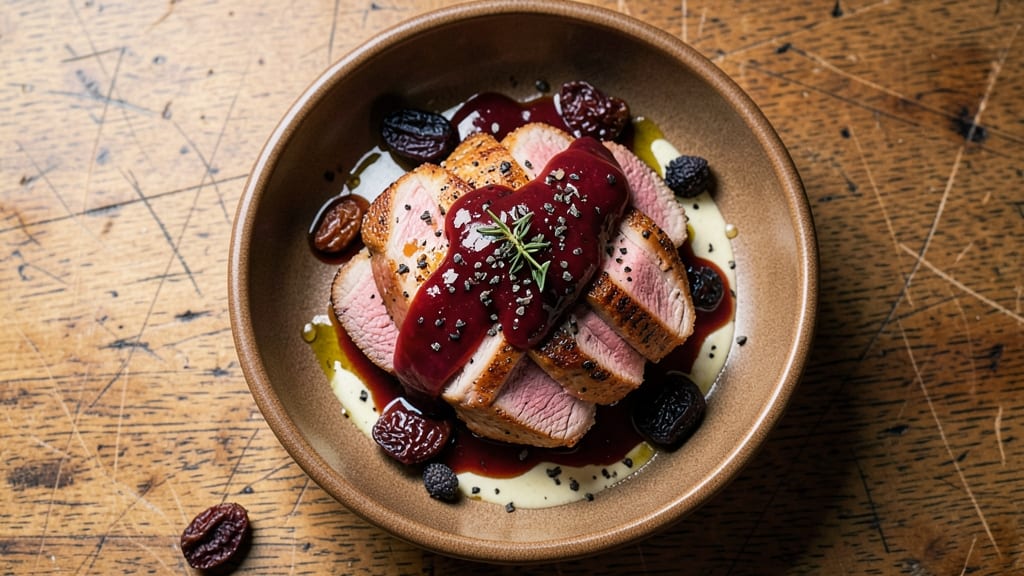
Recreating Carrabba's signature pork tenderloin with fig sauce at home delivers restaurant-quality results that rival their signature dish. The secret lies in balancing tender pork with a sweet-tart fig glaze that caramelizes to perfection—something I perfected after years of refining my own version.
This isn't just another pork recipe; it's a method that transforms simple ingredients into a showstopping main course worthy of any Italian trattoria.
The process begins with properly searing the pork tenderloin to lock in juices, followed by a precise roasting technique that ensures tender, even cooking throughout.
Meanwhile, the fig sauce requires careful reduction to achieve that signature balance of sweetness and acidity, with just a touch of balsamic to deepen the flavor. Every step matters—from the salt and pepper crust on the pork to the final glaze that caramelizes into a glossy, irresistible finish.
What you'll end up with is a perfectly cooked pork tenderloin, sliced into medallions that stay juicy and tender, topped with a glossy fig sauce that's rich yet bright. The sauce clings beautifully to each slice, offering bursts of sweet fig and tangy balsamic with every bite.
This dish is elegant enough for dinner guests but simple enough for a weeknight, proving that restaurant-quality meals are well within reach at home.
Pair it with creamy polenta or a crisp arugula salad to complete the meal. The fig sauce also works beautifully as a glaze for chicken or lamb—versatility that makes this recipe a true game-changer for your cooking repertoire. Let's get started on mastering this Carrabba's classic.
Ingredients for carrabba's pork tenderloin with fig sauce
Restaurant-quality pork tenderloin relies on precise ingredient selection and technique—start here for perfect results.
| Ingredient | Amount | Notes |
|---|---|---|
| Pork Tenderloin 🥩 | 1 ½ lb | Center-cut, trimmed of fat |
| Kosher Salt 🧂 | 1 ½ tbsp | Diamond Crystal preferred |
| Freshly Ground Black Pepper 🌶️ | 1 tsp | Coarse grind for texture |
| Extra-Virgin Olive Oil 🫒 | 2 tbsp | High-quality, fruity variety |
| Dried Figs 🍇 | ½ cup | Chopped, stemmed, quality dried |
| Balsamic Vinegar 🍷 | ¼ cup | Aged 25 years minimum |
| Fresh Garlic Cloves 🧄 | 4 cloves | Peeled, finely minced |
| Honey 🍯 | 2 tbsp | Wildflower or clover preferred |
| Red Wine 🍷 | ¼ cup | Dry, full-bodied like Cabernet |
| Unsalted Butter 🧈 | 2 tbsp | Cold, cubed for basting |
| Fresh Rosemary 🌿 | ½ tsp | Finely chopped, fresh preferred |
| Fresh Thyme Leaves 🌿 | ½ tsp | From sprigs, finely chopped |
| Fresh Lemon Juice 🍋 | 1 tbsp | Freshly squeezed, no pulp |
The pork tenderloin must be center-cut and free of fat to achieve that signature tenderness. Source it from a trusted butcher or high-end grocery like Whole Foods—look for vibrant color and firm texture. Costco often carries excellent quality at competitive prices. Trim any visible fat or silver skin before seasoning, as these can interfere with even cooking. The dried figs should be plump and moist; avoid those with a hard, leathery texture, as they won't break down properly during reduction. For the balsamic vinegar, invest in an aged variety—Giusti or Bartoli are industry standards for depth of flavor. Fresh herbs like rosemary and thyme should be aromatic and vibrant; if wilting, skip them entirely as they'll detract from the dish's elegance.
No aged balsamic? Red wine vinegar plus 1 tsp brown sugar mimics the depth, though it won't have the same complexity. Substituting dried figs? Dried apricots or prunes work in a pinch, but reduce the liquid by 1 tbsp to account for their moisture content. The red wine can be swapped for additional beef broth if unavailable, though the sauce will lack nuance. For the honey, avoid overly processed varieties—local raw honey adds subtle floral notes that elevate the glaze. The fresh lemon juice is critical for brightness; bottled versions contain preservatives that dull the flavor. If you must use bottled, add an extra pinch of salt to compensate.
Prep the pork and fig sauce components separately to streamline cooking. The pork tenderloin can be seasoned and refrigerated overnight for deeper flavor penetration, but bring it to room temperature before searing. The fig sauce reduces best when made ahead—store it in an airtight container in the fridge for up to 5 days, or freeze for 3 months in ice cube trays for portion control. Reheat the sauce gently over low heat, stirring occasionally, to preserve its glossy texture. Leftover pork reheats beautifully in a 350°F oven for 10-12 minutes, wrapped in foil with a splash of broth to retain moisture.
Why You'll Love This Recipe
- One-Pan Magic: I swear by this—just sear the pork, toss in the figs, and let the oven do the work. No chopping boards full of scraps, no fussing over multiple pans. That rich, caramelized fig sauce practically makes itself while the pork stays juicy and tender.
- Sweet-Savory Crush: The moment the dried figs soften into that sticky, jammy sauce? My mouth waters just thinking about it. The saltiness of the pork cuts through the figs’ natural sweetness, and a drizzle of olive oil ties it all together like a hug from your favorite chef.
- Weeknight or Dinner Party: Between us, this is my go-to when I need something impressive but still low-stress. Serve it with roasted potatoes for a casual family night, or pair it with crusty bread and a bold red wine for guests. Either way, it’s the star without stealing the show.
- Leftovers That Don’t Suck: Honestly, I almost always make extra because the pork reheats like a dream—sliced for sandwiches or tossed into salads the next day. And since pork tenderloin is lean and affordable, you’re not breaking the bank for seconds (or thirds).
Step-by-step instructions for Carrabba's pork tenderloin with fig sauce
Master this technique and you'll achieve restaurant-quality pork with a perfectly caramelized fig glaze.
Season and Sear the Pork Tenderloin
Begin by patting the 1.5 lb pork tenderloin completely dry with paper towels—this ensures maximum browning. In a small bowl, combine 1.5 tbsp kosher salt and 1 tsp freshly ground black pepper, then coat the pork evenly on all sides. Let it sit at room temperature for 15 minutes while you prepare the sear.
Heat 2 tbsp extra-virgin olive oil in a heavy skillet over medium-high heat until shimmering. Add the pork and sear for 4-5 minutes per side until developing a deep golden-brown crust. The internal temperature should reach 145°F at this point. Remove the pork and let it rest on a wire rack while you prepare the fig sauce—this resting period prevents overcooking during the final step.
Create the Fig Sauce Foundation
In the same skillet (no need to clean it—the browned bits add flavor), add the 4 cloves minced fresh garlic cloves and cook for 30 seconds until fragrant but not browned. Immediately pour in the 0.25 cup red wine and scrape up all the fond from the bottom. Let it simmer for 2 minutes until reduced by half.
Add 0.5 cup chopped dried figs, 2 tbsp honey, and 0.25 cup balsamic vinegar. Stir well and simmer for 5-6 minutes until the figs soften and the sauce thickens slightly. The mixture should coat the back of a spoon with a glossy, syrupy consistency. Remove from heat and stir in 0.5 tsp finely chopped fresh rosemary and 0.5 tsp fresh thyme leaves—this infuses the sauce with aromatic depth.
Finish the Pork and Glaze
Return the skillet to medium heat and add the 2 tbsp cold cubed unsalted butter. Let it melt completely, then add the 1 tbsp fresh lemon juice. Pour this butter-lemon mixture over the pork tenderloin and spoon the fig sauce evenly over the top. The acidity from the lemon juice will help balance the sweetness of the figs and cut through the richness of the pork.
Transfer the skillet to a 400°F oven and roast for 10-12 minutes until the internal temperature reaches 150°F and the fig sauce caramelizes into a glossy glaze. The sauce should coat the pork completely, forming a sticky, amber-colored crust. For even cooking, rotate the skillet halfway through if needed.
Rest and Serve with Perfection
Remove the pork from the oven and let it rest for 10 minutes before slicing. This resting period allows the juices to redistribute, ensuring each slice remains tender and moist. When ready to serve, slice the pork into ½-inch thick medallions and drizzle generously with the remaining fig sauce from the skillet.
Serve immediately with the sauce pooled on the plate or spooned over the top. The contrast of tender, juicy pork with the sweet-tangy fig glaze creates a harmonious balance of flavors. Pair with roasted vegetables or a simple arugula salad to complement the dish without overpowering it. The key to success lies in the precise timing of searing and the careful balance of sweet, acidic, and savory elements in the sauce.
Pro Tips For Making Carrabba'S Pork Tenderloin With Fig Sauce
- Trim the Fat First: Pork tenderloin is lean, but if yours has a thin fat cap, slice it off before seasoning—it’s the only part that might render unevenly. I learned this the hard way when a single stubborn strip turned rubbery while the rest stayed perfect.
- Salt the Figs Wet: Soak your dried figs in warm water for 10 minutes before chopping, then drain and pat dry. This keeps them from turning to paste in the sauce—trust me, you don’t want fig sludge. (Yes, even if you’re impatient like me.)
- Sear in Batches: Crowd the pan, and the pork will steam instead of sear. Work in 2 batches max, and don’t rush the second—hot oil is your friend here. After burning three batches, I finally figured out timing matters more than speed.
- Use a Meat Thermometer: Pull the pork at 140°F—it’ll hit 145°F while resting, and that’s where it’s juicy. No guessing, no dry meat. (Your future self will thank you.)
Best sauces and condiments for this carrabba's pork tenderloin with fig sauce
Classic Fig Sauce
The signature fig sauce from Carrabba's balances sweet dried figs with tangy balsamic and a touch of honey. I use 0.5 cup chopped dried figs simmered with 0.25 cup aged balsamic vinegar and 2 tbsp honey until glossy and reduced.
The key is patience—simmer for 5-6 minutes until the figs soften completely and the sauce thickens to a syrupy consistency. Finish with 1 tbsp fresh lemon juice to brighten the flavors and cut through any excess sweetness. 🍇
Balsamic Reduction
For a deeper flavor profile, reduce the balsamic separately before combining with figs. Heat 0.25 cup balsamic vinegar in a small saucepan over medium heat until reduced by half—about 5 minutes. This concentrated reduction adds complexity that store-bought balsamic glaze can't match.
I often use Giusti or Bartoli aged balsamic for that authentic restaurant taste. Add this reduction to the figs during the final 3 minutes of simmering. 🍷
Herb-Infused Variations
Fresh herbs elevate the fig sauce from good to extraordinary. After removing the sauce from heat, stir in 0.5 tsp finely chopped rosemary and 0.5 tsp fresh thyme leaves—these infuse aromatic depth that pairs perfectly with the pork.
For a different twist, add 1 tsp minced shallot along with the garlic to build savory layers. I also experiment with orange zest for a citrusy brightness that works beautifully with the figs. 🌿
Sweet-Savory Balance
Finding the right balance between sweet and savory is crucial. If your sauce tastes too sweet, add 1 tsp red wine vinegar or a splash of beef broth to cut through. For extra depth, stir in 1 tsp Dijon mustard or a pinch of smoked paprika during the final reduction.
The goal is a sauce that's rich but not cloying, with a perfect harmony of flavors that complements the tender pork. 💡
Alternative Sauce Options
If you prefer a lighter sauce, try a white wine reduction instead of balsamic. Simmer 0.25 cup dry white wine with the figs and add 1 tsp fresh thyme and 1 tsp lemon zest for brightness.
For a spicy kick, reduce 0.25 cup apple cider vinegar with the figs and finish with ½ tsp chili flakes. Both variations work beautifully with the pork tenderloin while offering a different flavor profile. 🌶️
Make-Ahead and Storage
The fig sauce tastes even better the next day as the flavors meld together. Store it in an airtight container in the refrigerator for up to 5 days or freeze in ice cube trays for portion control.
To reheat, warm gently over low heat and stir occasionally to maintain its glossy texture. I often make a double batch—it's perfect for glazing other proteins like chicken or lamb. 💫
Nutrition facts
Frequently asked questions
Can I substitute dried figs with fresh ones in the fig sauce?
Fresh figs work beautifully but require different handling. Use 1 cup chopped fresh figs instead of dried, and reduce the liquid by 2 tbsp (since fresh figs release more moisture). Simmer for only 3-4 minutes to avoid mushiness. Fresh figs add a brighter, fruitier taste that pairs wonderfully with the pork's richness.
How do I fix overcooked pork tenderloin?
If your pork feels dry, don't panic! Slice it thinly against the grain and serve immediately with extra fig sauce. For reheating, wrap slices in foil with 1 tsp broth and warm in a 325°F oven for 5 minutes. The sauce's glossy texture helps mask dryness beautifully. Prevention tip: Use a meat thermometer—pork is safe at 145°F internal temp.
What's the best way to store leftover fig sauce?
Store in an airtight container in the fridge for up to 5 days or freeze in ice cube trays for perfect portion control. To reheat, warm over low heat for 2-3 minutes while stirring constantly to maintain its glossy texture. I often double the batch—it's perfect for glazing chicken or lamb later!
Can I make this dish ahead of time?
Prepare the fig sauce up to 3 days ahead and store it in the fridge. For the pork, sear it completely but don't finish cooking—store in the fridge for up to 24 hours. Reheat in a skillet with 1 tbsp butter for 5 minutes before glazing with the pre-made sauce. This method saves time while keeping flavors vibrant.
What wine pairs best with this dish?
A medium-bodied red like Chianti or Pinot Noir complements the fig sauce's sweet-tart balance perfectly. For white wine lovers, try a crisp Viognier or Chardonnay with citrus notes. The key is avoiding overly tannic wines that might clash with the sauce's richness. I often serve this with a 2018 Tuscan Chianti for an authentic Italian experience.