
Sauces & Condiments
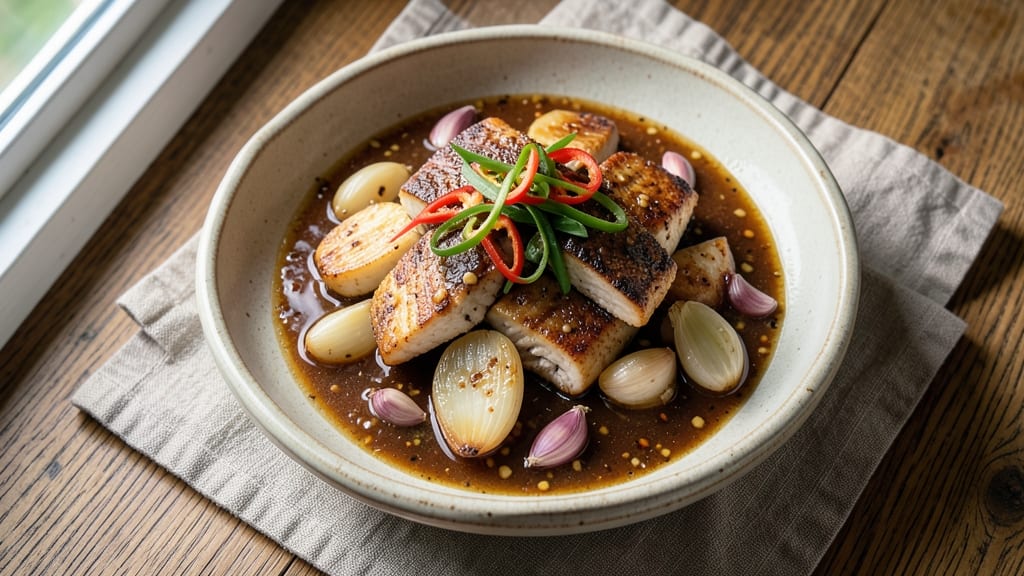
This catfish sauce recipe transforms simple ingredients into a bold, umami-rich condiment that elevates fried fish from good to unforgettable.
The process combines fermented fish with aromatic shallots, garlic, and a touch of sugar to create a sauce that's both tangy and complex—a perfect balance for dipping, marinating, or even enhancing cocktails.
My version simplifies traditional methods while preserving the depth of flavor that makes this sauce a staple in Southeast Asian cuisine.
The key to success lies in the fermentation stage, where fish, salt, and sugar work together to develop that signature tangy punch. You'll need about 7 days for the flavors to meld, but the wait is worth it for a sauce that's rich, slightly sweet, and packed with umami.
This isn't just a condiment—it's a flavor multiplier that turns ordinary meals into something extraordinary.
Once fermented, you'll blend the mixture with aromatics like shallots, garlic, and herbs to create a smooth, velvety sauce with layers of flavor. The result is a versatile condiment that works as a dipping sauce for fried fish, a marinade for meats, or even a bold addition to cocktails.
It’s the kind of sauce that turns simple dishes into restaurant-quality experiences.
Whether you're serving up crispy fried catfish or experimenting with new flavor combinations, this catfish sauce will become a staple in your kitchen. The best part? It keeps well in the refrigerator for months, so you can enjoy the fruits of your labor long after the initial fermentation.
Let's get started on creating your own batch of this indispensable sauce.
Ingredients for catfish sauce
Seven days of fermentation. Ten simple ingredients. One sauce that turns fried fish into a masterpiece.
| Ingredient | Amount | Notes |
|---|---|---|
| Fresh Catfish Fillets 🐟 | 1 lb | Skinless, boneless, cut into chunks |
| Diamond Crystal Kosher Salt 🧂 | ½ cup | Non-iodized for fermentation |
| Granulated Sugar 🍚 | ¼ cup | White or brown preferred |
| Shallots 🧅 | ½ cup | Minced, vibrant purple-red |
| Garlic Cloves 🧄 | 6 cloves | Peeled, lightly crushed |
| Fresh Thai Chili Peppers 🌶️ | 3 whole | Seeds removed for mild heat |
| Fresh Lemongrass 🌿 | ¼ cup | Bruised stems only, chopped |
| Kaffir Lime Leaves 🍋 | 4 whole | Stems removed, torn |
| Fish Sauce 🍶 | ¼ cup | Red Boat brand preferred |
| Extra-Virgin Olive Oil 🫒 | ¼ cup | Light, fruity variety |
The catfish is the foundation, so look for fresh, wild-caught fillets—they pack more flavor than farmed. Asian markets often have the best selection, but any seafood counter will do. If you can't find catfish, tilapia or cod works in a pinch, though the texture won't be identical. The salt and sugar are non-negotiable here—they're what kickstarts the fermentation. Diamond Crystal kosher salt is ideal because it dissolves cleanly. For the shallots, purple-red varieties add the most color and sweetness, but yellow shallots are fine too. The Thai chilies? Bird's Eye chilies from an Asian market are perfect, but any fresh chili will work if you adjust the seeds for heat preference.
No fish sauce? Soy sauce or Worcestershire sauce at half the amount gets you close, though the umami won't be as deep. Short on lemongrass? Substitute lime zest plus a splash of lime juice, but it won't be the same. The Kaffir lime leaves are crucial for that signature aroma—dried leaves lose potency, so fresh is a must. If you can't find them, lime zest plus a pinch of ground coriander mimics the vibe. The olive oil should be light and fruity—none of that heavy, peppery stuff that overpowers the sauce. And for the love of all things tangy, don't skip the fermentation. That's where the magic happens.
Once fermented, this sauce keeps for up to 6 months in the fridge, sealed tightly with a layer of olive oil on top. Portion it into small jars for easy use—ice cube trays work great for single servings. The flavor actually improves with age, so make a big batch. Freezes beautifully too, though texture might separate slightly. Always bring to room temperature before blending for the smoothest consistency. And trust me, the first time you dip crispy fried catfish into this sauce, you'll never go back to store-bought.
Why You'll Love This Recipe
- Few Ingredients, Big Payoff: I swear by this recipe because it’s all about focus—just fresh catfish, shallots, garlic, and a pinch of salt and sugar. No clutter, no stress, just that deep, savory-sweet balance that makes every bite sing.
- Sweet-Savory Magic: That sugar isn’t just for sweetness—it caramelizes with the shallots and garlic, turning the sauce into this ridiculously addictive glaze. Crispy edges on the catfish? Even better with the sticky, aromatic sauce clinging to it.
- Weeknight or Weekend: Make it for a lazy Tuesday with rice and steamed greens, or double the batch for a Sunday family feast. The sauce keeps well, so I often prep extra—it’s my go-to for quick meals that still feel special.
- Budget-Friendly Luxury: Catfish is affordable, and this recipe stretches it far. A single fillet feels indulgent, but a whole batch feeds four without breaking the bank. Honestly, it’s the kind of dish that makes me feel like I’m eating at a restaurant for half the price.
Step-by-step instructions for catfish sauce recipe
This aromatic marinade transforms simple catfish into a restaurant-worthy dish with bold Southeast Asian flavors.
Prepare the Catfish for Fermentation
Cut the 1 lb fresh catfish fillets into 1-inch chunks, removing any remaining skin or bones. Place them in a non-reactive bowl and sprinkle evenly with all 0.5 cup diamond crystal kosher salt. The salt will begin drawing out moisture immediately—this is normal and essential for developing flavor.
Add the 0.25 cup granulated sugar and massage it into the fish with your hands for 2 minutes. The sugar helps balance the salt while kickstarting fermentation. Cover the bowl and refrigerate for 1 hour, turning the fish occasionally. You'll notice the surface becoming slightly sticky—this indicates the marinade is working.
Build the Aromatic Base
In a food processor, pulse the 0.5 cup minced shallots, 6 cloves garlic cloves, 3 whole fresh Thai chili peppers (seeds removed), 0.25 cup chopped fresh lemongrass, and 4 whole kaffir lime leaves until finely chopped but not pasty. Transfer to a large mixing bowl and add the 0.25 cup fish sauce and 0.25 cup extra-virgin olive oil. Stir vigorously for 3 minutes until the mixture becomes emulsified and glossy.
The lime leaves and lemongrass will release their citrusy oils during this process—you'll smell that bright, herbal aroma. This is the moment where all the complex flavors begin to meld. If the mixture seems too thick, add 1 tablespoon water to help it blend smoothly.
Marinate the Catfish
Remove the catfish from the refrigerator and drain any excess liquid, reserving it for later. Add the fish to the aromatic mixture and toss gently to coat evenly. Work quickly—you want the fish fully coated without tearing the chunks. Transfer everything to an airtight container and refrigerate for at least 4 hours, preferably overnight.
Here's the thing—patience pays off. After 4 hours, the fish will absorb the marinade deeply, developing a subtle tang and developing a beautiful mahogany color. If you're short on time, 2 hours will still yield good results, but the flavor depth improves with longer marination. The catfish should smell intensely of garlic, lime, and chili by the end.
Prepare for Cooking
Remove the catfish from the marinade and pat dry with paper towels, pressing firmly to remove excess moisture. This step is crucial—wet fish won't develop a proper crust when fried. Return the reserved marinade to its container and set aside. The marinade will become your dipping sauce after cooking.
Heat 0.5 inch of oil in a heavy skillet over medium-high heat until it reaches 350°F. You'll know it's ready when a drop of water sizzles vigorously upon contact. This precise temperature ensures a crispy exterior without cooking the fish through too quickly. The catfish is now ready to transform into golden, flavorful bites.
Pro Tips For Making Catfish Sauce
- Sear the Fish First: Pat the catfish fillets bone-dry with paper towels, then hit them with a screaming-hot skillet for 2-3 minutes per side before adding sauce. I used to skip this, and the sauce would just turn into a watery soup—now the fish stays tender while the sauce clings like it should.
- Sweat, Don’t Burn: When cooking shallots and garlic, keep the heat low and stir like you’re stirring a pot of soup. After burning two batches, I learned to let them soften for 5-7 minutes before adding the sugar—this keeps the sauce silky, not bitter.
- Salt in Stages: Sprinkle half the kosher salt directly on the fish while searing, then finish the rest in the sauce. Too much upfront? The fillets turn tough. Too little? The sauce tastes flat. Balance is everything—trust your hands, not the recipe.
- Simmer, Don’t Boil: Once the sauce starts reducing, drop the heat to a gentle simmer—you’re not making jam, you’re building flavor. I used to rush it, and the sugar would crystallize into a gloppy mess. Let it bubble softly for 10-12 minutes, and you’ll get that glossy, balanced sauce.
Best sauces and condiments for this dish
Dipping Sauce Perfection
This catfish sauce shines as the ultimate dipping sauce for fried fish, balancing tangy, umami, and citrus notes in every bite. Serve it warm alongside crispy fried catfish or shrimp tempura—the sauce clings beautifully to the exterior, enhancing the Maillard crust.
For extra drama, garnish with thinly sliced Thai basil and a sprinkle of toasted sesame seeds right before serving. 🌿
Marinade Magic
Use the reserved marinade (after cooking the fish) as a marinade for grilled shrimp or chicken skewers. Let the protein soak for at least 2 hours—the fish sauce and aromatics will infuse deep flavor.
I love pairing it with grilled lemongrass chicken for a Southeast Asian-inspired feast. For extra richness, add 1 tablespoon coconut aminos to the marinade before applying.
Cocktail Elevator
This sauce isn’t just for food—it’s a flavor bomb in cocktails. Stir 1 tablespoon into a whiskey sour or gin fizz for a tangy, umami twist. For a non-alcoholic option, mix with tonic water, lime juice, and mint for a refreshing spritz.
The fish sauce adds depth, while the citrus and chili bring brightness. Pro tip: Strain the sauce through a fine-mesh sieve before using to remove any texture.
Glaze for Grilled Meats
Brush this sauce onto grilled pork chops or salmon during the last 2 minutes of cooking to create a sticky, caramelized glaze. The sugar in the sauce promotes browning while the fish sauce adds umami richness.
I recommend using it on thick-cut pork chops—the sauce clings perfectly and enhances the smoky grill flavors. For extra shine, finish with a drizzle of honey before serving.
Rice Bowl Enhancer
Drizzle this sauce over steamed jasmine rice bowls loaded with grilled vegetables, tofu, or shrimp. The tangy-sweet profile cuts through the richness of fried or fatty proteins. I often add quick-pickled cucumbers and crispy fried shallots for texture contrast.
For a vegetarian twist, use it as a dressing for stir-fried greens like bok choy or water spinach.
Fermented Upgrade
For a next-level version, ferment the sauce for an extra 3-5 days after blending. The flavors will deepen into a funky, complex profile reminiscent of traditional Southeast Asian fermented sauces. Store it in a glass jar with a layer of olive oil on top to preserve freshness.
This advanced version works beautifully as a dipping sauce for spring rolls or a base for curry pastes. 💫
Nutrition facts
Frequently asked questions
Can I substitute catfish with another type of fish?
Yes, but choose wisely! Tilapia or cod work well for texture, though they lack catfish's mild sweetness. Avoid strong-flavored fish like tuna or salmon—they'll overpower the sauce. For best results, stick with white fish that absorbs marinades well. If using shrimp, reduce fermentation time to 3-4 days since it cooks faster.
How do I know when the fermentation is complete?
The sauce is ready when it develops a tangy aroma (like fish sauce meets citrus) and the fish chunks smell intensely of garlic and lime. After 7 days, taste a small amount—it should be bold but not overly salty. If it smells sharp or sour, it's over-fermented. The color should shift from pale to mahogany-brown.
Can I make this sauce without fish sauce?
Use soy sauce or Worcestershire sauce at half the amount (so 1/4 cup instead of 1/2 cup). For deeper umami, add 1 tablespoon mushroom powder or 1/2 cup miso paste. The flavor won't be identical, but it'll still deliver that tangy-sweet profile. Balance with extra sugar if needed.
What's the best way to store leftover sauce?
Transfer to an airtight glass jar and cover with a thin layer of olive oil to preserve freshness. It keeps for 6 months refrigerated or 3 months frozen. For freezing, portion into ice cube trays—perfect for single-use additions to dishes. Always bring to room temp before blending to maintain smooth texture.
Why did my sauce turn cloudy or separate?
This usually happens from temperature fluctuations during fermentation. Keep your sauce in a consistent 60-70°F environment (like a pantry). If it separates, stir in 1 tablespoon water and blend until smooth. For cloudiness, add 1/2 teaspoon xanthan gum to thicken. Always use a food processor for blending—immersion blenders can create air pockets.