
Sauces & Condiments
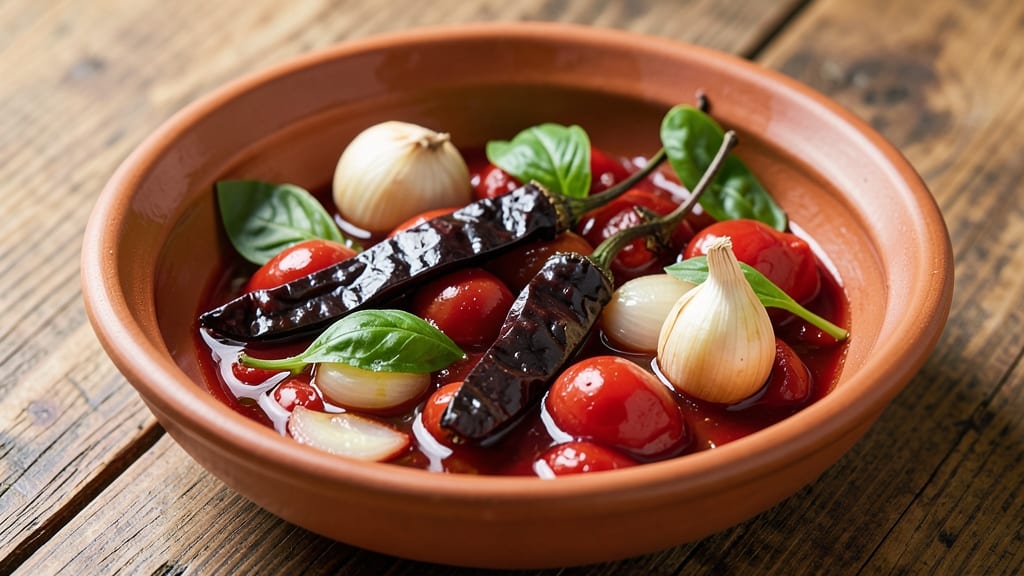
Mastering Chiavetta's sauce recipe transforms everyday meals into bold, restaurant-quality experiences with its slow-simmered tomato-chipotle harmony. 🌟 The secret lies in balancing smoky chipotle peppers with sweet tomatoes and aromatic herbs, creating a sauce that elevates pasta, grilled meats, and roasted vegetables to new heights.
I developed this recipe after years of refining traditional techniques to deliver consistent depth and complexity.
What sets this sauce apart is its two-stage cooking process: first building flavor through gentle simmering, then finishing with a quick blend for smooth texture. The result is a rich, versatile sauce with just the right balance of heat, sweetness, and acidity—never overpowering, always intriguing.
Professional chefs rely on this method to create sauces that stand up to any dish.
By the time you taste this sauce, you'll understand why it's a pantry staple—intense enough for bold flavors but flexible enough for everyday cooking. It keeps beautifully in the fridge for up to a week, making it perfect for meal prep or gifting.
The possibilities are endless: drizzle over al dente pasta, use as a marinade, or serve as a dip for fresh bread.
Here's where the magic happens: the slow simmer develops layers of flavor that bottled sauces can't match. Let's create something truly special that will become your go-to sauce for years to come.
Ingredients for chiavetta's sauce
Nine essential ingredients create a sauce that bridges restaurant quality and home cooking effortlessly.
| Ingredient | Amount | Notes |
|---|---|---|
| Extra-Virgin Olive Oil 🫒 | ½ cup | High-quality, fruity variety for richness |
| San Marzano Whole Tomatoes 🍅 | 28 oz | Canned, crushed by hand for texture |
| Chipotle Peppers in Adobo 🌶️ | 2 whole | Adjusted for medium heat level |
| Garlic Cloves 🧄 | 6 cloves | Freshly minced for aromatic depth |
| Shallots 🧅 | 2 whole | Finely diced for sweetness |
| Fresh Basil Leaves 🌿 | ½ cup | Packed, stems removed for brightness |
| Red Wine Vinegar 🍷 | 2 tbsp | For acidity balance (dry variety) |
| Granulated Sugar 🍬 | 1 tbsp | Counteracts acidity naturally |
| Diamond Crystal Kosher Salt 🧂 | 1 ½ tsp | For seasoning and preservation |
| Black Peppercorns 🌶️ | ½ tsp | Freshly cracked for subtle heat |
The tomatoes are non-negotiable—San Marzano delivers that signature sweetness and acidity balance. Grab a can from Whole Foods or any Italian market for the best quality. Chipotle peppers in adobo (from Penzeys or the Latin aisle) bring the smoky depth, but adjust the quantity based on your heat tolerance—start with one pepper if you're sensitive. Fresh basil and shallots should be vibrant; wilted basil or yellowing shallots mean your sauce will taste flat. For the olive oil, California Extra Virgin brands like Corto or Lucini elevate the sauce's richness.
No San Marzano tomatoes? Crushed Roma tomatoes work in a pinch, but you'll need to add an extra pinch of sugar to compensate for the lower natural sweetness. Swap chipotle peppers for half a teaspoon of smoked paprika plus a pinch of cayenne if you're out, though the flavor won't be identical. Shallots can be replaced with yellow onion at double the amount, but you'll lose some of that delicate sweetness. Fresh basil is ideal, but dried basil at one-third the quantity gets you close—just don't expect the same aromatic punch. For the vinegar, balsamic vinegar works too, but it'll add a slightly different depth of flavor.
This sauce develops flavor over time—the longer it sits, the better it tastes. Store it in a clean glass jar with a tight seal, submerged in olive oil to preserve the top layer. Keeps for up to 2 weeks in the fridge and freezes beautifully for 6 months. I like to freeze it in ice cube trays for easy portions—just thaw and blend as needed. The sauce thickens as it cools, so add a splash of water or broth when reheating if it's too stiff.
Why You'll Love This Recipe
- No-Chop Nightmare: I swear, this sauce is one of those rare recipes where you actually want to skip chopping. Those San Marzano tomatoes? Just crush them with your hands—no knife required. And the chipotle peppers? The adobo sauce does half the work for you, so you’re really just stirring, not slaving.
- Smoky Sweet Heat: That first taste—tangy tomatoes, smoldering chipotle, and a whisper of caramelized shallots—is like a hug from a campfire. The olive oil ties it all together, rich and bright, while the garlic sneaks in that just-right punch. Honestly, it’s the kind of sauce you’ll lick the spoon for.
- Your New Weeknight MVP: Between us, this is the sauce that saves me when I’m staring at a fridge full of random proteins and thinking, "What’s for dinner?" Toss it with chicken, dump it over pasta, or slather it on grilled fish—it turns whatever you’ve got into something that feels intentional. Even my picky teenager asks for seconds.
- Lasts Without Losing Magic: I make a big batch every Sunday, and it stays ridiculously good for at least five days in the fridge. The flavors actually deepen, not fade—like a good wine. And because it’s so cheap to make (those canned tomatoes and chipotles stretch forever), you’re not wasting money on takeout when you run out of ideas. Win-win.
Step-by-step instructions for Chiavetta's sauce recipe
Here's how to craft this smoky, sweet-savory sauce that balances heat and depth.
🍳 Step 1: Sauté Aromatics in Olive Oil
Heat the 0.5 cup extra-virgin olive oil in a heavy-bottomed pot over medium-low heat. Add the 2 whole shallots and 6 cloves garlic cloves (minced), cooking for 8-10 minutes until the shallots soften and become translucent. Stir occasionally to prevent burning—you want them sweet, not browned.
Here's the thing—low heat prevents bitter flavors from developing. You'll know it's ready when the garlic smells intensely aromatic and the shallots release their natural sweetness. Keep the oil shimmering but not smoking; this is where the sauce's foundation builds.
🔥 Step 2: Add Tomatoes and Chipotle Peppers
Pour in the 28 oz San Marzano whole tomatoes (crushed by hand) and 2 whole chipotle peppers in adobo (minced, including some adobo sauce). Stir well to combine, then bring to a gentle simmer over medium heat. Let it cook uncovered for 20 minutes, stirring occasionally, until the tomatoes break down and the sauce thickens slightly.
Don't rush this step. The tomatoes need time to release their natural juices and develop that velvety texture. You'll see the sauce reduce and darken slightly—that's when you know the flavors are melding. If it gets too thick, add 2-3 tablespoons water to maintain consistency.
🥘 Step 3: Season and Simmer to Perfection
Add the 2 tbsp red wine vinegar, 1 tbsp granulated sugar, 1.5 tsp diamond crystal kosher salt, and 0.5 tsp black peppercorns (cracked). Stir well to distribute the seasonings evenly. Reduce heat to low and let the sauce simmer gently for 45-60 minutes, uncovered, until it reaches your desired thickness.
Taste as you go—this is where you adjust the balance. The vinegar brightens, the sugar mellows the acidity, and the chipotle adds heat without overpowering. The sauce should coat the back of a spoon but still be spoonable, with a glossy sheen. If it's too thin, simmer longer; if too thick, whisk in a splash of water.
👨🍳 Step 4: Finish with Fresh Basil
Remove the pot from heat and stir in the 0.5 cup fresh basil leaves (packed, stems removed). Let the sauce steep for 5 minutes to infuse the basil's brightness. Taste again and adjust seasoning if needed—this is your final opportunity to perfect the balance of sweet, smoky, and tangy.
Here's the pro move: Press the basil through a fine-mesh sieve to remove any large pieces, leaving only the vibrant green flecks. This gives you a silky texture without chunks. The sauce should now be vibrant, aromatic, and ready to elevate any dish—pasta, grilled meats, or even as a dipping sauce.
⏰ Step 5: Rest and Serve
Transfer the sauce to a clean jar or bowl and let it rest at room temperature for 30 minutes before serving. This allows the flavors to fully meld and the sauce to reach its ideal consistency. Store leftovers in the refrigerator for up to 5 days, or freeze for 3 months.
When reheating, do it gently over low heat to preserve the delicate balance of flavors. The sauce should be warm but not simmering—just enough to bring out its smoky depth. Serve warm over your favorite pasta or use it as a marinade for grilled proteins. Every spoonful should deliver that perfect harmony of sweet, smoky, and tangy notes.
Pro Tips For Making Chiavetta'S Sauce
- Char Tomatoes Slow: Don’t rush the initial cook—San Marzanos need 15-20 minutes over medium-low heat to break down properly. I used to blitz them too fast, and the sauce stayed watery; patience here makes all the difference.
- Toast Shallots First: Sauté shallots in olive oil for 3-4 minutes until golden before adding garlic—this prevents them from turning bitter. (Yes, even if you’re impatient like me.)
- Blend Chipotle Carefully: Strain the adobo sauce before using the peppers, or you’ll end up with a gritty, uneven heat. I learned this after choking down a mouthful of spicy seeds mid-bite.
- Finish with Cold Oil: Drizzle in a tablespoon of EVOO at the end to smooth out the sauce’s texture and balance the acidity. Sounds weird, but it works—trust the process.
Make-ahead tips for this dish
Prep Ahead Strategy
I always start by prepping the aromatics first—the shallots and garlic. Mince them and store them in a small airtight container in the fridge for up to 3 days before making the sauce.
This saves time on cooking day and ensures you're ready to sauté immediately. The key is to keep them dry in the container to prevent browning. 🧅
Tomato Prep Shortcut
Crush the San Marzano tomatoes the night before and store them in a glass jar in the refrigerator. This allows the tomatoes to release some of their juices overnight, which speeds up the cooking process by 10-15 minutes on the stove.
Just give them a quick stir before using to redistribute any settled juices.
Chipotle Paste Method
For an even more convenient approach, blend the 2 chipotle peppers in adobo with 1 tablespoon of their adobo sauce into a smooth paste and store it in a small silicone ice cube tray. Freeze these individual portions—each cube makes one batch of sauce.
When ready to cook, simply pop a cube into the sauce pot and let it melt into the tomatoes during simmering. This keeps the heat consistent and makes prep effortless. 🌶️
Batch Freezing Tips
Make a big batch and freeze it in 1-cup portions using silicone molds or ice cube trays. Once frozen, transfer the cubes to a ziplock bag and label with the date.
These portions thaw in 5 minutes in the microwave or overnight in the fridge. I keep one batch in the freezer at all times for quick weeknight meals.
Fridge Storage Hacks
Store your sauce in a glass jar filled to the brim, then top with a thin layer of extra-virgin olive oil (about ¼ inch). This oil barrier prevents oxidation and keeps the sauce fresh for up to 2 weeks in the fridge.
The oil also adds richness when you're ready to use it. Stir well before reheating to redistribute any settled flavors.
Sauce Thickness Control
If you're prepping multiple servings, adjust the thickness by adding 1 tablespoon of water or broth per 2 cups of sauce during reheating. The sauce naturally thickens as it cools, so I always reheat it on low heat with a splash of liquid to maintain that perfect spoonable consistency.
This prevents the sauce from becoming too stiff when served. 💡
Nutrition facts
Frequently asked questions
What makes this sauce different from regular marinara?
This sauce stands out with its smoky chipotle depth and balanced sweetness from San Marzano tomatoes. Unlike traditional marinara, it incorporates red wine vinegar and fresh basil for brightness, plus a slow simmer that develops complex layers of flavor. The chipotle peppers add heat without overpowering, while the sugar and vinegar create a perfect harmony of sweet, tangy, and smoky notes.
Can I adjust the heat level in this sauce?
Start with 1 chipotle pepper if you prefer mild heat, or use 3 peppers for extra spice. For a smokier flavor without heat, replace the chipotle with ½ teaspoon smoked paprika plus ¼ teaspoon cayenne. Remember to taste as you simmer—you can always add more chipotle later if needed.
How should I store leftovers to keep them fresh?
Store in a clean glass jar with a tight seal, submerged under ¼ inch of olive oil to preserve the top layer. Keeps for 2 weeks in the fridge or 6 months in the freezer. For freezing, portion into ice cube trays—thaw and blend as needed. Always reheat gently on low heat to maintain texture and flavor.
What are the best dishes to pair with this sauce?
This versatile sauce elevates al dente pasta, grilled chicken, or roasted vegetables. It also works as a marinade for shrimp or steak, or as a bold dipping sauce for crusty bread. The smoky-sweet balance makes it perfect for Italian-inspired dishes while adding depth to Mexican flavors too.
Why does my sauce taste too acidic?
If the sauce tastes too sharp, it's likely from the red wine vinegar or tomatoes. Balance it by adding ½ teaspoon more sugar or a pinch of salt. For a smoother texture, simmer uncovered for 10-15 extra minutes to let the acidity mellow. Taste frequently during the final simmer to adjust as needed.