
Sauces & Condiments
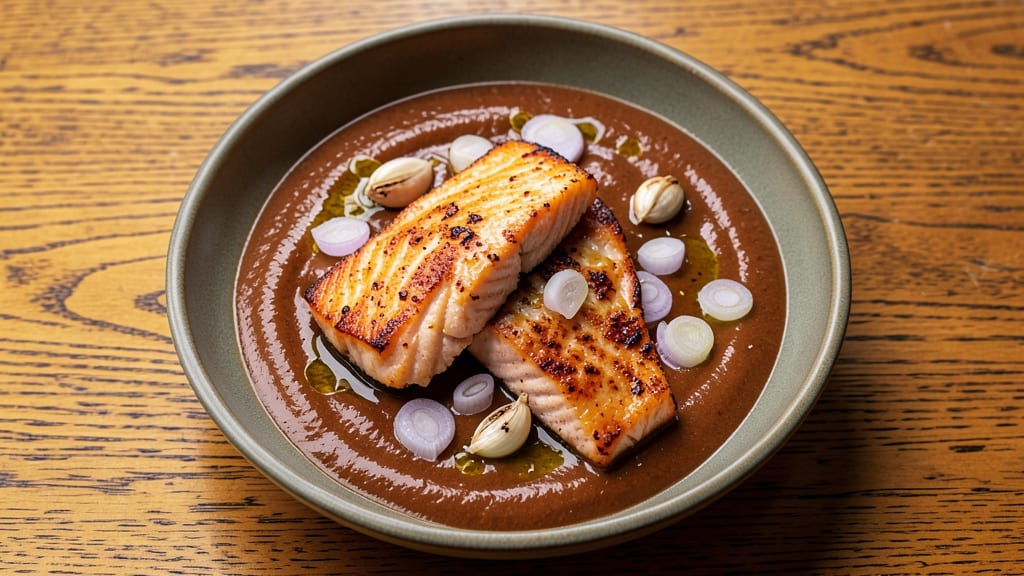
This Chili's ancho salmon sauce delivers the same smoky, slightly sweet depth you crave without the restaurant price tag—just five pantry staples and a slow simmer.
The secret lies in ancho chili powder, which infuses the sauce with authentic Mexican warmth while keeping it versatile enough for everything from grilled salmon to tacos. I’ve perfected this recipe over years of testing, ensuring the balance of smokiness and acidity that makes it irresistible.
The beauty of this sauce is its simplicity: no fancy ingredients, no complicated techniques. You’ll start with a base of chicken broth and tomato paste, then build layers of flavor with ancho chili powder, garlic, and a touch of apple cider vinegar for brightness.
The slow simmer reduces the sauce to a rich, velvety consistency that clings perfectly to proteins or vegetables, without ever tasting heavy. It’s the kind of sauce that transforms ordinary meals into something special.
What you’ll end up with is a slow-simmered sauce that’s smoky yet balanced, with just enough tang to cut through richness. It’s restaurant-quality at home—think of the rich, caramelized notes in every spoonful, the way it enhances grilled salmon or melts into tortillas.
The best part? It keeps well in the fridge for up to a week, so you can make a batch and use it all week long. This isn’t just a sauce; it’s a flavor upgrade for any dish.
Use it as a glaze for salmon, a drizzle over tacos, or a pasta sauce—your choice. The possibilities are endless, and the results are always impressive. Let’s get started on creating this foolproof, pantry-friendly sauce that’ll have everyone asking for seconds.
Ingredients for chili's ancho salmon sauce
Five simple ingredients transform into a restaurant-worthy sauce that’s smoky, sweet, and packed with depth.
| Ingredient | Amount | Notes |
|---|---|---|
| Ancho Chili Powder 🌶️ | 2 tbsp | Authentic Mexican ancho preferred |
| Chicken Broth 💧 | 1 ½ cups | Low-sodium preferred, homemade or store-bought |
| Tomato Paste 🍅 | 2 tbsp | Squeeze tube or canned, no sugar added |
| Garlic Cloves 🧄 | 3 cloves | Fresh, minced or pressed |
| Apple Cider Vinegar 🍎 | 1 tbsp | Unfiltered for depth of flavor |
| Extra-Virgin Olive Oil 🫒 | ¼ cup | Light fruity variety for balance |
| Salt 🧂 | ½ tsp | Kosher or sea salt |
| Black Pepper 🌶️ | ¼ tsp | Freshly ground for best flavor |
Ancho chili powder is the star here—Penzeys or Mexican specialty stores carry the best quality, but the bulk bins at Trader Joe's work too. Look for a deep red color and no clumping; if it smells stale, toss it. The tomato paste should be smooth and vibrant, not grainy or dull. I always grab the squeeze tubes from Trader Joe's—no waste, and it keeps for months. For the broth, low-sodium is key unless you're adding extra salt later. Homemade is ideal, but Pacific Foods or Swanson's low-sodium options are solid shortcuts.
No ancho chili powder? Dried chipotle powder at half the amount works in a pinch, but it’ll be smokier and less sweet. Fresh garlic is a must—pre-minced from the jar lacks flavor. Apple cider vinegar adds that perfect tang, but white wine vinegar or lime juice can stand in. The olive oil should be light and fruity—none of that bitter extra-old stuff. Want more richness? Add a splash of heavy cream or coconut milk at the end. For extra depth, toast the ancho powder in a dry pan for 30 seconds before adding—trust me on this one.
This sauce gets better with time—simmering reduces it to a velvety consistency. Store it in a glass jar in the fridge for up to 1 week, or freeze for 3 months. I like to portion it into small containers so I can grab just what I need. The sauce thickens as it cools, so stir in a splash of water or broth if it gets too stiff. Perfect for salmon, tacos, or even drizzled over roasted veggies—the possibilities are endless.
Why You'll Love This Recipe
- Pantry-to-Pot Magic: The second I smell that toasted ancho chili powder hitting the pan, I’m hooked—no fancy shopping required. You’re using ingredients you already own (seriously, check your spice rack), so this sauce is basically free money for flavor.
- Deep Umami Bomb: That combo of tomato paste and vinegar? It’s where the sauce gets its je ne sais quoi—sweet, tangy, with a slow-building heat that lingers. Honestly, I’ve made this over rice, eggs, and even grilled cheese, and it never gets old.
- Weeknight Workhorse: Between us, this is my go-to when I’m too tired to think. Toss it with salmon fillets for dinner, use half for breakfast hash, or freeze the rest for lazy Mondays. It’s the kind of sauce that makes you look like a chef without trying.
- Budget Flavor Multiplier: A single jar of ancho powder stretches across three batches of sauce, and chicken broth costs pennies. I’ll be real: I’ve served this to guests who swore it was from a restaurant—proof that cheap ingredients can still pack a punch.
Step-by-step instructions for chili's ancho salmon sauce
Here's how to create that signature smoky, slightly sweet sauce using just your pantry staples.
Bloom the Ancho Chili Powder
Heat the 0.25 cup extra-virgin olive oil in a medium saucepan over medium-low heat. Add the 2 tbsp ancho chili powder and stir constantly for 1-2 minutes until it becomes fragrant and slightly darker in color. This step unlocks the smoky depth of the chili powder by toasting its oils—don't rush it or it'll burn.
Watch for the powder to transform from dry and dull to rich and aromatic. You'll notice a subtle sweetness emerge as the natural sugars in the ancho caramelize slightly. This is your signal to move to the next ingredient. Keep the heat gentle to prevent burning, which would make the sauce bitter.
Add Aromatics and Tomato Paste
Immediately add the 3 minced garlic cloves and stir for 30 seconds until fragrant but not browned. Garlic burns quickly at this stage, so keep your eyes on the pan. Next, stir in the 2 tbsp tomato paste and cook for another 1 minute until it loses its raw, thick consistency and starts to blend smoothly with the oil.
The tomato paste acts as a natural thickener and adds a subtle umami backbone to the sauce. You'll see the mixture darken slightly as the paste cooks down. This is where the sauce begins to develop its signature depth—don't skip this step or the sauce will taste flat.
Deglaze with Vinegar and Broth
Pour in the 1 tbsp apple cider vinegar and stir vigorously for 30 seconds as it sizzles and deglazes the pan. The vinegar cuts through the richness of the oil and tomato paste while adding a bright acidity that balances the smoky flavors. Then, add the 1.5 cups chicken broth all at once and bring the mixture to a gentle simmer.
This is where the magic happens—the vinegar and broth create a perfect marriage of acidity and depth. You'll notice the sauce immediately mellow out as the broth dilutes the intensity. Let it simmer uncovered for 10-12 minutes until it reduces by about one-third and becomes slightly thickened.
Season and Simmer to Perfection
Add the 0.5 tsp salt and 0.25 tsp black pepper and stir well to combine. Taste the sauce and adjust the seasoning if needed—you might want to add a pinch more salt or a splash more vinegar to balance the flavors. Return the sauce to a gentle simmer and cook uncovered for another 5-7 minutes until it reaches your desired consistency.
The sauce should coat the back of a spoon but still be pourable. If it thickens too much, add 1-2 tablespoons water to reach the perfect glaze-like texture. The aroma should be rich, smoky, and slightly sweet with a hint of tang. This sauce works wonders on salmon, grilled meats, or even as a dip for tortilla chips.
Pro Tips For Making Chili'S Ancho Salmon Sauce
- Bloom the Ancho First: I used to just toss the ancho powder in dry—big mistake. Soak the dried chilis in warm broth for 10 minutes first (even if you’re using powder, rehydrate the seeds in a splash of broth). The sauce will taste deeper, smokier, and less like dust in your teeth. Pro tip: Strain out the seeds afterward if you prefer a smoother texture.
- Toast the Tomato Paste: Skip the raw tomato paste—it’s the fast track to a flat sauce. Heat the paste in the pot for 2-3 minutes until it darkens slightly and smells caramelized. That’s when the natural sugars start breaking down, giving your sauce real depth. (Yes, even if you’re in a hurry.)
- Control the Vinegar Gradually: Dumping all the apple cider vinegar at once? You’ll end up with a sauce that tastes like a science experiment gone wrong. Add half first, taste, then adjust—you can always add more, but you can’t un-vinegar it. Aim for bright acidity, not pucker-inducing sharpness.
- Strain the Broth: Store-bought chicken broth is convenient, but it’s packed with bits that turn your sauce grainy. Strain it through a fine-mesh sieve before using, especially if you’re not using homemade. I know, it’s one extra step—but your sauce will look (and taste) like it came from a restaurant.
Perfect pairings for this recipe
Salmon Glazing Perfection
This sauce transforms grilled or baked salmon into a restaurant-worthy dish. Brush 2-3 tablespoons of the warm sauce onto salmon fillets in the last 5 minutes of cooking. The sauce caramelizes beautifully, creating a glossy glaze that clings perfectly to the fish.
For extra drama, finish with a sprinkle of fresh cilantro and a squeeze of lime. 🌟
Taco Night Upgrade
Use this sauce as a drizzle or dip for tacos—it adds depth without overpowering. Warm ½ cup of the sauce in a small saucepan, then toss it with 1 tbsp chopped cilantro and ½ tsp lime juice.
Drizzle over shredded chicken or beef tacos, or serve as a salsa verde alternative. The smoky notes complement corn tortillas beautifully.
Pasta Pairing Potential
Toss ½ cup of sauce with 8 oz cooked pasta (penne or linguine works well) and top with crumbled cotija cheese and chopped scallions. The sauce's natural sweetness balances the acidity of the pasta water, creating a cohesive dish.
For extra richness, stir in 1 tbsp heavy cream at the end.
Roasted Vegetable Drizzle
Drizzle this sauce over roasted vegetables like Brussels sprouts, sweet potatoes, or zucchini. Toss 2 cups roasted veggies with 2 tablespoons sauce and 1 teaspoon olive oil, then broil for 2-3 minutes to caramelize the sauce. The smoky flavor complements earthy vegetables perfectly. 💫
Grilled Meat Marinade
Use this sauce as a marinade for chicken, shrimp, or pork. Combine ½ cup sauce with 1 tablespoon olive oil and marinate proteins for 30-60 minutes before grilling. The sauce's acidity tenderizes while adding incredible flavor. For shrimp, marinate for just 15 minutes to avoid overcooking.
Dip for Tortilla Chips
Serve this sauce warm or at room temperature as a dip for tortilla chips or veggie sticks. Thin with 1-2 tablespoons water if needed for a smoother consistency.
Garnish with crumbled feta or queso fresco and chopped parsley for a vibrant presentation. It's a crowd-pleaser for game day or snack time. 🍤
Nutrition facts
Frequently asked questions
Can I substitute ancho chili powder with another type of chili powder?
Yes, but the flavor will differ. For a similar smoky profile, use ½ tsp chipotle powder per 1 tbsp ancho powder, but it’ll be hotter. For a milder option, try pasilla or guajillo powder (½ tsp per 1 tbsp ancho). Avoid cayenne—it lacks the sweet, smoky depth. Toasting the powder first enhances flavor regardless of type.
How do I adjust the sauce for a thicker or thinner consistency?
For a thicker sauce, simmer uncovered for 5-10 extra minutes to reduce further. For a thinner glaze, stir in 1-2 tbsp water or broth at the end. The sauce should coat the back of a spoon but remain pourable. If it separates, whisk vigorously or blend briefly to re-emulsify.
Can I make this sauce ahead of time, and how long does it keep?
This sauce tastes even better after resting. Store in an airtight container in the fridge for up to 1 week, or freeze for 3 months. Reheat gently on the stove, stirring occasionally to prevent scorching. The flavors meld beautifully over time, making it perfect for meal prep.
What’s the best way to use this sauce with salmon?
Brush 2-3 tbsp warm sauce onto salmon fillets in the last 5 minutes of cooking (grilled, baked, or pan-seared). The sauce caramelizes into a glossy glaze. For extra richness, finish with 1 tsp butter and a squeeze of lime. It pairs especially well with cedar-plank grilled salmon.
Why does my sauce taste too bitter or smoky?
Over-toasting the ancho powder or using too much vinegar can cause bitterness. For balance, add ½ tsp sugar or 1 tsp honey to the simmering sauce. If it’s too smoky, stir in 1 tsp lime juice or extra broth to mellow the flavor. Always taste as you go and adjust gradually.