
Sauces & Condiments
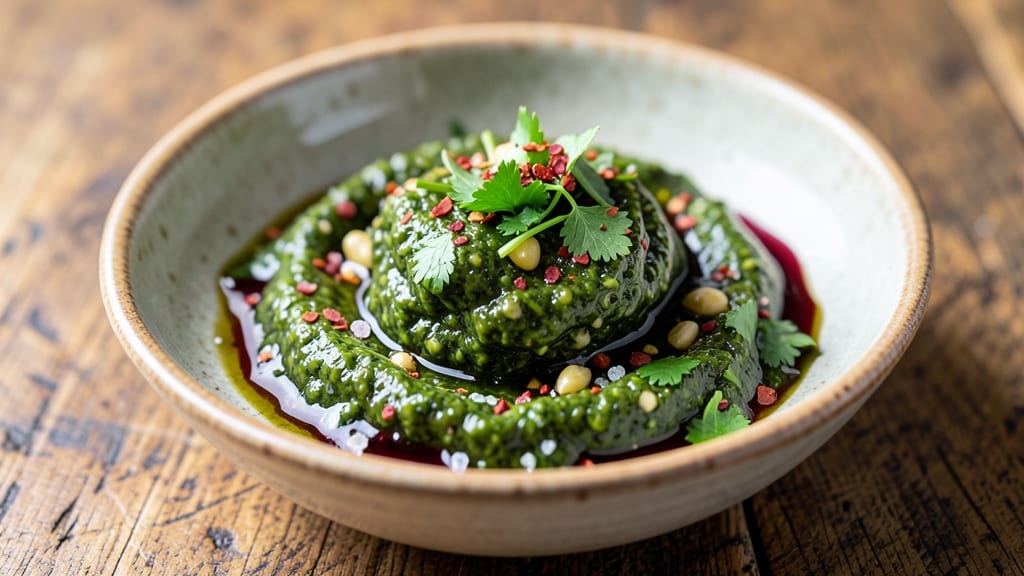
This chimchurri sauce recipe transforms simple ingredients into a vibrant, herb-packed condiment that elevates grilled meats and roasted vegetables with bold freshness. The secret lies in balancing finely chopped parsley, garlic, and red wine vinegar with high-quality olive oil—creating a sauce that’s bright, tangy, and impossible to resist.
I developed this version after testing countless ratios to ensure the perfect harmony of flavors without overpowering the dish.
The beauty of chimchurri is its versatility—it works as a marinade, dipping sauce, or finishing touch for everything from steak to seafood. Unlike store-bought versions, this recipe delivers a fresh, vibrant taste with no preservatives, thanks to the fresh herbs and acidity from the vinegar.
The texture is just thick enough to cling beautifully, yet light enough to enhance rather than dominate.
What sets this chimchurri apart is its foolproof simplicity: just 7 ingredients, no cooking required, and ready in 10 minutes. The parsley provides the signature freshness, while the garlic and vinegar add depth.
For an extra kick, add a pinch of red pepper flakes—though the classic version stands strong on its own. This sauce keeps well in the fridge for up to 5 days, making it perfect for meal prep.
Whether you're grilling, roasting, or serving as a dip, this chimchurri sauce will become a staple in your kitchen. Pair it with seared chicken, grilled shrimp, or even avocado toast for a restaurant-quality experience at home. Let’s make it—your taste buds will thank you.
Ingredients for chimchurri sauce
Seven essential ingredients craft this vibrant chimchurri sauce, blending fresh herbs and bold acidity for unmatched flavor.
| Ingredient | Amount | Notes |
|---|---|---|
| Fresh Flat-Leaf Parsley 🌿 | 1 ½ cups | Stems removed, tightly packed |
| Garlic Cloves 🧄 | 6 cloves | Peeled, roughly chopped |
| Extra-Virgin Olive Oil 🫒 | ¾ cup | High-quality, fruity variety |
| Red Wine Vinegar 🍷 | ¼ cup | Dry, aged variety preferred |
| Kosher Salt 🧂 | 1 ½ tsp | Diamond Crystal preferred |
| Red Pepper Flakes 🌶️ | ½ tsp | Adjust for heat preference |
| Ground Black Pepper 🌶️ | ½ tsp | Freshly ground preferred |
The parsley is non-negotiable—flat-leaf varieties provide the most robust flavor. Whole Foods or local farmers markets offer the freshest bunches, but any bright green, firm stems will work. Garlic should be plump and firm, not sprouting. For the olive oil, California extra-virgin brands like Corto or Lucini elevate the sauce with their peppery notes. Red wine vinegar from French or Spanish producers adds depth; avoid sweet balsamic substitutes. Salt quality matters—Diamond Crystal kosher salt dissolves cleanly, while table salt can leave graininess. Store all ingredients properly: parsley wrapped in damp paper towels, garlic in a cool dark place, and oils sealed tightly.
No fresh parsley? Cilantro or basil at half the amount works in a pinch, though flavor will differ. Substitute garlic powder at one-third the amount, but fresh is ideal. For vinegar, apple cider vinegar adds sweetness but lacks acidity; lemon juice at equal parts can mimic brightness. Short on olive oil? Avocado oil maintains neutrality, though texture may vary. Red pepper flakes can be omitted entirely for a classic version, or swap crushed cayenne at half the amount for heat. The black pepper should be freshly ground—pre-ground loses potency quickly. If you're prepping ahead, store all dry ingredients together in an airtight container for up to 3 months.
This chimchurri sauce thrives on freshness but keeps beautifully in the fridge for 5-7 days when stored in an airtight jar with a thin layer of olive oil on top. For longer storage, freeze in ice cube trays for up to 3 months, thawing at room temperature before use. The sauce thickens slightly when chilled—stir in a splash of water or vinegar if needed. To maximize flavor, let it sit at room temperature for 15 minutes before serving. Pair with seared proteins or grilled vegetables for optimal results.
Why You'll Love This Recipe
- Here’s what sold me: the vinegar’s tang cuts through the richness of olive oil, while the parsley stays vibrant. It’s fresh, zesty, and never boring.
- Five-Ingredient Magic: I swear by this—just chop, pulse, and pour. No fancy gadgets, no waiting for hours. That bright parsley and garlic punch lands the second you mix it.
- Herb Bomb Brightness: Here’s what sold me: the vinegar’s tang cuts through the richness of olive oil, while the parsley stays vibrant. It’s fresh, zesty, and never boring.
- Weeknight to Party: Slather it on grilled chicken for Tuesday dinners, drizzle it over steak for date night—same sauce, endless uses. Honestly, I keep a jar in the fridge for emergencies.
Step-by-step instructions for chimchurri sauce
This vibrant sauce comes together in minutes with simple technique and bold flavors.
Prepare the Herb and Garlic Base
In a food processor, combine the 1.5 cups fresh flat-leaf parsley (stems removed) and 6 cloves peeled garlic. Pulse until the parsley is finely chopped but not pureed—you want visible texture, not a smooth paste. The garlic should be minced but still retain some shape. This rough texture is essential for that signature chimichurri bite.
I like to work in batches if my processor is small, ensuring everything fits comfortably. Avoid over-processing, as this can turn the sauce into a dull green mush. You're aiming for a coarse, herby consistency that will cling beautifully to grilled meats.
Add Vinegar and Seasonings
With the processor running, slowly drizzle in the 0.25 cup red wine vinegar. This acidity brightens the herbs and balances the richness of the olive oil. Add the 1.5 teaspoons kosher salt, 0.5 teaspoon red pepper flakes, and 0.5 teaspoon ground black pepper. Pulse just until these dry ingredients are evenly distributed throughout the herb mixture.
The vinegar should immediately begin to soften the parsley slightly, releasing its vibrant green color. If using a high-quality, aged red wine vinegar, you'll notice a complex, slightly fruity aroma developing. This is the moment where the sauce starts to transform from raw ingredients into something truly special.
Incorporate the Olive Oil
With the processor still running, very slowly pour in the 0.75 cup extra-virgin olive oil. This step requires patience—adding the oil too quickly can cause the mixture to splatter. The oil should emulsify with the vinegar and herbs, creating a thick, vibrant sauce that coats the back of a spoon.
I recommend stopping the processor occasionally to scrape down the sides with a rubber spatula, ensuring all ingredients are fully incorporated. The sauce should have a thick, almost paste-like consistency at this stage. If it appears too loose, add another tablespoon of olive oil to achieve the perfect texture for drizzling.
Taste and Adjust
Transfer the chimichurri to a bowl and taste immediately. The sauce should be bright, herby, and slightly tangy with a gentle heat from the red pepper flakes. If it needs more acidity, add another teaspoon of vinegar. For more depth, incorporate another clove of minced garlic or a pinch of salt.
This is also the time to adjust the texture if needed. If the sauce is too thick, whisk in a teaspoon of water or additional vinegar. If it's too thin, add more olive oil. The ideal chimichurri should be thick enough to cling to meat but still flow smoothly when drizzled. Cover and let it rest at room temperature for at least 15 minutes before serving to allow the flavors to fully meld.
Serve Immediately or Store Properly
Chimichurri is best served fresh, but it can be refrigerated in an airtight container for up to 3 days. Before using, give it a good stir and adjust the seasoning if needed. The flavors actually improve slightly after resting, so if you're making this ahead of time, let it sit at room temperature for 30 minutes before serving to restore its vibrant texture.
This sauce pairs beautifully with grilled steaks, roasted vegetables, or even as a vibrant dip for crusty bread. The key to its success lies in the balance of fresh herbs, bright acidity, and high-quality olive oil—each element must be given equal attention to achieve that perfect chimichurri harmony.
Pro Tips For Making Chimchurri Sauce
- STACK THE GARLIC: Pulse those garlic cloves first, then add the parsley—this keeps the sauce smoother and prevents garlic chunks that turn to mush. I learned this the hard way after serving a batch with visible cloves that tasted like they’d been sitting in a jar for a week.
- CHOP PARSLEY COARSELY: No food processor here—use sharp scissors or a knife to cut parsley into uneven chunks. The texture should be chunky, not paste-like, or you’ll lose that bright, fresh bite chimchurri needs. (Yes, even if you’re in a hurry.)
- SALT THE VINEGAR: Add a pinch of kosher salt directly to the red wine vinegar before mixing it into the sauce. It balances the acidity and rounds out the flavor—something I skipped for years until I tasted the difference.
- REST THE SAUCE: Let it sit for at least 10 minutes before serving. The flavors meld better, and the parsley softens just enough to release its oils without turning to sludge. (I know, I know—waiting is the hardest part.)
Best sauces and condiments for these flavors
Classic Chimichurri
The foundational version of this sauce relies on the perfect balance of 1.5 cups fresh parsley, 6 garlic cloves, and 0.25 cup red wine vinegar for that signature tang. I use Corto extra-virgin olive oil—its fruity notes complement the herbs beautifully.
The 1.5 tsp kosher salt and 0.5 tsp red pepper flakes add depth without overpowering. This classic version is bright, herby, and just spicy enough to enhance grilled meats like ribeye steak or skirt steak. 🌿
Spicy Chimichurri
For heat lovers, double the red pepper flakes to 1 tsp and add 1 tsp smoked paprika for a smoky kick. I also swap half the parsley for cilantro to add a citrusy brightness that cuts through the heat.
This version pairs perfectly with grilled shrimp or spicy chorizo. Store any extra in an airtight container—it keeps its kick for up to 5 days in the fridge.
Creamy Chimichurri
For a richer texture, stir in 2 tbsp crumbled feta cheese or 1 tbsp sour cream after blending. This adds a creamy contrast to the herby sharpness, making it ideal for grilled chicken or roasted vegetables.
To keep it fresh, add the dairy just before serving—it prevents the sauce from separating. This version is a crowd-pleaser for those who prefer a smoother finish. 🥛
Herb-Forward Variation
Swap half the parsley for 1 tbsp fresh oregano and 1 tbsp chopped dill to create a more complex herb profile. The oregano adds earthiness, while the dill brings a bright, almost anise-like note.
This works wonderfully with grilled salmon or lamb chops. Let it rest for 20 minutes before serving to let the flavors meld fully.
Smoky Chimichurri
For a smoky twist, add 1 tsp chipotle powder or 1 tbsp smoked sea salt to the blend. This version pairs exceptionally well with smoked brisket or grilled pork ribs. The smokiness complements the natural char of grilled meats, creating a deeply satisfying flavor profile.
Store any leftovers in the fridge for up to 4 days—the smoky notes intensify over time. 🔥
Citrus-Infused Chimichurri
Brighten the sauce by adding 1 tbsp freshly squeezed lemon juice and 1 tsp lemon zest to the base. This version is perfect for grilled fish or seafood platters, as the citrus cuts through the richness of the oil.
The zest adds a subtle aroma that elevates the dish. For extra freshness, garnish with a sprinkle of lemon zest before serving.
Nutrition facts
Frequently asked questions
Can I make chimichurri without a food processor?
Use a sharp knife to finely chop 1.5 cups parsley and 6 garlic cloves on a cutting board. For extra texture, leave some small parsley pieces intact. Mix everything in a bowl, then whisk in the 0.75 cup olive oil and 0.25 cup vinegar until fully combined. This method takes 5-7 minutes but works beautifully.
How long does chimichurri last in the fridge?
This vibrant sauce keeps for 5-7 days when stored in an airtight container with a thin layer of olive oil on top. For longer storage, freeze in ice cube trays for up to 3 months. Thaw overnight in the fridge before using. The flavors actually improve slightly after resting!
What's the best way to use leftover chimichurri?
Leftover chimichurri works wonderfully as a marinade (up to 24 hours max), a dip for crusty bread, or a finishing sauce for tacos and bowls. For grilled meats, brush it on during the last 2 minutes of cooking. It also elevates roasted vegetables, deviled eggs, or even scrambled eggs for a herby kick.
Why does my chimichurri separate?
Separation usually happens when too much vinegar or oil is added too quickly. Fix it by whisking in 1 tsp extra olive oil or a splash of vinegar until smooth. For prevention, add oil slowly while blending. If storing, keep the sauce in a fully sealed container to maintain consistency.
Can I use dried herbs instead of fresh?
Fresh herbs are essential for authentic chimichurri, but in a pinch, you can use 1 tbsp dried parsley (not the same flavor) plus 1 tsp dried oregano for depth. The texture will be less vibrant, but it's better than skipping herbs entirely. For best results, always opt for fresh parsley when possible.