
Sauces & Condiments
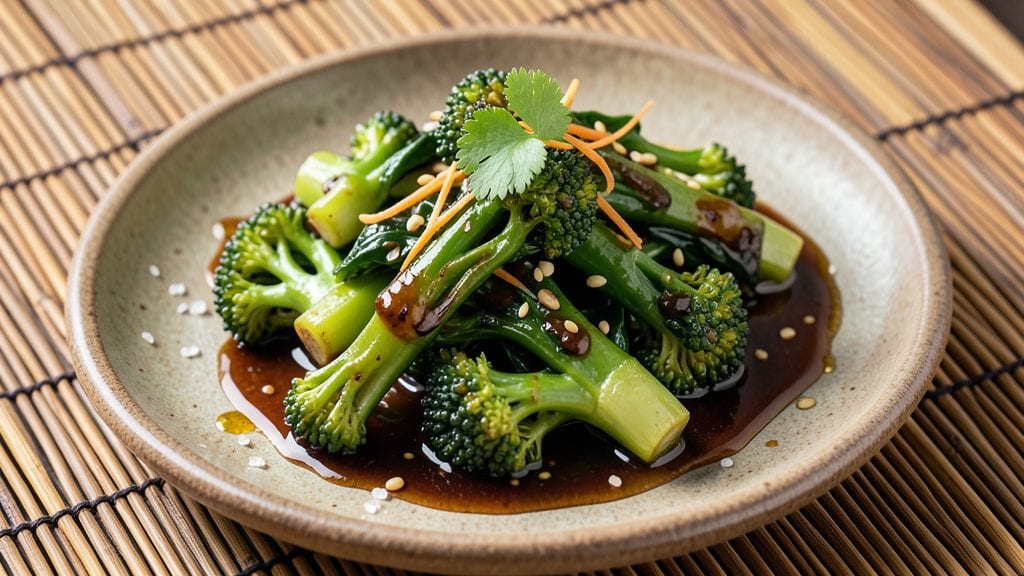
This Chinese broccoli in oyster sauce recipe delivers the perfect balance of crisp-tender texture and rich umami flavor in every bite. The secret lies in high-heat wok technique that transforms tough gai lan into delicate, flavorful bites while keeping the sauce glossy and perfectly reduced.
I've perfected this method over years of testing, and it never fails to impress—whether as a side dish or main course. The combination of oyster sauce, garlic, and ginger creates a savory depth that pairs beautifully with steamed rice or noodles.
The process begins with proper preparation: thorough cleaning of the broccoli stems and cutting at precise angles to maximize surface area for quick cooking. A quick blanch ensures crisp-tender results, while the stir-fry technique requires constant motion to achieve that signature wok-hei flavor.
This method isn't just about cooking—it's about creating texture contrast between the crisp edges and tender centers that define authentic Chinese stir-fry.
What you'll achieve is restaurant-quality Chinese broccoli with glossy oyster sauce clinging to each piece, balanced by the bright freshness of garlic and ginger. The dish maintains its vibrant green color while delivering complex umami flavors that linger.
This recipe serves 2-3 as a main dish or 4 as a side, making it versatile for any meal.
For an extra touch, finish with toasted sesame seeds and sliced green onions that add both visual appeal and contrasting textures. The dish holds well for 2-3 days in the refrigerator, making it perfect for meal prep.
Let's create this wok-tossed masterpiece that brings authentic Chinese restaurant flavor to your kitchen.
Ingredients for chinese broccoli in oyster sauce
Gai lan, oyster sauce, and quick-fry technique create restaurant-style Chinese broccoli in minutes.
| Ingredient | Amount | Notes |
|---|---|---|
| Gai Lan (Chinese Broccoli) 🥬 | 1 ½ lb | Stems included, trimmed clean |
| Oyster Sauce 🍜 | ½ cup | High-quality, reduced variety |
| Sesame Oil 🫒 | 1 tbsp | Toasted, for aroma |
| Garlic Cloves 🧄 | 6 cloves | Minced, fresh preferred |
| Fresh Ginger 🌿 | 1 tbsp | Grated, peeled |
| Light Soy Sauce 🍶 | 2 tbsp | For balance |
| Cornstarch 🌾 | 1 tbsp | For crisp-tender texture |
| Sesame Seeds 🥜 | 1 tbsp | Toasted, for garnish |
| Green Onions 🧅 | 3 whole | Sliced, white and green parts |
| Neutral Oil (Peanut or Vegetable) 🫒 | 2 tbsp | High smoke point |
| Salt 🧂 | ½ tsp | Kosher or sea salt |
| White Pepper 🌶️ | ¼ tsp | Freshly ground |
| Sugar 🍚 | ½ tsp | Balances flavors |
The gai lan is the star—look for vibrant stems and bright green florets at Asian markets or the produce section. Whole Foods and H Mart carry the freshest cuts. Avoid wilted or yellowing stems, as they won't crisp properly. If you can't find gai lan, regular broccoli crowns work in a pinch (skip the stems), though texture will differ slightly. Trim stems at a 45° angle to maximize surface area for quick cooking—this is key for that signature wok-hei texture. I always prep mine by cutting into 2-inch pieces, stems and florets separate, to ensure even cooking.
For the oyster sauce, Lee Kum Kee or Gold Award are reliable brands—avoid the watery versions. Need a substitute? Soy sauce plus a splash of fish sauce mimics umami depth, though it won't be identical. The sesame oil should be toasted (not flavored)—Kadoya is my go-to. Fresh garlic and ginger are non-negotiable here; dried spices won't deliver the same bright punch. If you're short on time, minced garlic from a jar works, but toast it in the wok first to revive flavor. The cornstarch is crucial for that crisp-tender texture—don't skip it, even if your broccoli is young.
Prepped gai lan keeps 3 days in the fridge, wrapped in a damp towel. The sauce components (except fresh ginger) can be mixed ahead and stored for 1 week. Toasted sesame seeds lose their crunch after 2 days, so garnish just before serving. For meal prep, cook the broccoli fully, then reheat in a wok with a splash of water to restore crispness. This dish reheats beautifully—just toss with a drizzle of sesame oil to revive those wok-hei flavors. Portion into containers with a sprinkle of sesame seeds on top for freshness.
Why You'll Love This Recipe
- One-Pan Magic: The garlic and ginger sizzle in seconds, then the gai lan goes in—no flipping, no fuss. Just stir, cover, and let the oyster sauce work its magic while you chop up the rest of dinner.
- Umami Bomb: That first bite? The sesame oil hits first—nutty, warm—then the oyster sauce coats your tongue with salty-sweet depth. Honestly, it’s the kind of flavor that makes you pause mid-bite just to savor it.
- Leftover Hero: Stays crisp-tender for days, so it’s perfect for lunchboxes or quick reheats. I’ll be real: my kids actually ask for it the next day, which never happens with veggies.
- Budget Stunner: Gai lan is cheap, oyster sauce stretches far, and you’re using pantry staples. For under $10, you feed four people a dish that feels fancy—no one will guess it’s this easy.
Step-by-step instructions for Chinese broccoli in oyster sauce
Master this wok technique for perfectly crisp-tender gai lan every time.
Prep and Blanch the Gai Lan
Start by trimming the ends of the 1.5 lb gai lan, leaving the stems intact. Cut each stalk into 2-inch pieces, ensuring you keep the florets connected to the stems. This maintains structure during cooking.
In a large pot of boiling salted water (add 0.5 tsp salt), blanch the gai lan for exactly 1 minute. You'll see the stems turn bright green and the florets soften slightly. Immediately drain and rinse under cold water to stop the cooking process. This pre-cooking step ensures the stems remain crisp-tender while the florets develop depth of flavor.
Create the Sauce Base
In a wok or large skillet, heat 2 tablespoons of neutral oil over medium-high heat until shimmering. Add the 6 minced garlic cloves and 1 tablespoon of grated fresh ginger, stirring constantly for 30 seconds until fragrant but not browned. This quick cooking preserves their fresh flavor without bitterness.
Pour in the 0.5 cup oyster sauce, 2 tablespoons light soy sauce, 0.5 teaspoon sugar, 0.5 teaspoon salt, and 0.25 teaspoon white pepper. Stir well to combine and let the sauce simmer for 2 minutes until slightly thickened. The sauce should coat the back of a spoon - this is your flavor foundation that will cling beautifully to the gai lan.
Toss and Cook to Perfection
Add the blanched gai lan to the wok in a single layer. Stir-fry for 1 minute, allowing the hot oil to crisp the edges slightly. Sprinkle the 1 tablespoon cornstarch evenly over the gai lan, then toss vigorously for 2 minutes until the stems are bright green and the florets are tender-crisp. The cornstarch creates that signature crisp-tender texture we're after.
Pour the sauce over the gai lan and toss everything together for another minute. The sauce should coat each piece evenly, creating glossy, flavorful strands. Remove from heat just as the sauce begins to thicken around the edges - this prevents overcooking.
Finish and Garnish
Transfer the gai lan to a warm serving platter. Drizzle with 1 tablespoon sesame oil and sprinkle with 1 tablespoon toasted sesame seeds. The sesame oil adds nutty aroma while the seeds provide texture contrast.
Garnish with the sliced 3 green onions, separating the white and green parts for visual appeal. Serve immediately while the gai lan is still vibrant and the sauce clings perfectly. Each bite should deliver that satisfying crunch of the stems with tender florets, all coated in rich, umami-packed sauce.
Pro Tips For Making Chinese Broccoli In Oyster Sauce
- Blanch Gai Lan First: Drop the stems in boiling water for 30 seconds before stir-frying—this crisps the texture and keeps the florets tender. I used to skip this and ended up with soggy stems every time.
- Toast Garlic Ginger: Sauté minced garlic and ginger in oil until fragrant but not brown—just 20-30 seconds—so they add aroma without bitterness. Overcooking turns them into a flavor bomb you’ll regret.
- Salt the Water: Add a pinch of salt to the blanching water (and stir-fry oil) to preserve color and crispness. The stems stay bright green and snappy instead of dull and limp.
- Finish with Sesame Oil: Drizzle sesame oil at the very end—right before serving—so its nutty aroma hits fresh. Pour it in the wok while tossing, but don’t stir it in; just let it coat the broccoli like a perfume.
Serving suggestions for this recipe
Rice Pairing Perfection
Serve this Chinese broccoli over steamed jasmine rice for the classic pairing—its delicate floral aroma complements the dish's umami depth. I recommend using day-old rice (reheated with a splash of water) for better texture absorption.
For extra flair, mix in toasted sesame seeds and a drizzle of dark soy sauce to create a savory rice bowl. 🍚
Noodle Fusion Options
Transform into a noodle dish by tossing with chewy wheat noodles like lo mein or udon. Cook noodles separately, then combine with the gai lan and sauce.
Add shredded carrots and water chestnuts for texture contrast. For a quick version, use instant ramen noodles (discard seasoning) and upgrade with fresh herbs.
Protein Pairings
Elevate as a main course by adding pan-seared scallops or grilled shrimp—their briny sweetness balances the sauce's richness. For a vegetarian option, serve with tofu cubes marinated in soy sauce and cornstarch.
I love pairing with char siu pork (Chinese BBQ) for a classic combination that highlights both sweet and savory notes. 🍤
Garnish Game-Changers
Boost presentation with pickled red ginger (store-bought or homemade) for a tangy crunch. A sprinkle of crushed peanuts adds nutty depth, while thinly sliced chili oil brings heat.
For a fresh finish, top with cilantro leaves or Thai basil. These garnishes not only look stunning but enhance flavor profiles too.
Meal Prep Serving
Store leftovers in airtight containers with a parchment paper barrier to maintain crispness. Reheat in a wok with 1 tsp sesame oil for 2-3 minutes—this restores wok-hei. Serve family-style in a banquet tray with chopsticks and small bowls of sriracha or hoisin sauce on the side. 🍜
Dessert Contrast
End meals with lychee jelly or mango sorbet to cleanse the palate. The sweet-tart contrast balances the dish's savory depth. For a lighter option, serve with green tea (jasmine or dragon well) to complement the broccoli's natural freshness. A small bowl of black sesame soup adds an elegant finish. ✨
Nutrition facts
Frequently asked questions
Can I substitute regular broccoli for gai lan in this recipe?
You can use regular broccoli crowns (skip the stems), but the texture will differ. Gai lan's thick stems stay crisp-tender, while regular broccoli florets may overcook. For best results, cut broccoli into 1-inch florets and reduce cooking time by 30 seconds after blanching. The flavor profile remains similar, just with less stem crunch.
Why does my gai lan turn mushy when stir-frying?
Overcooking or improper prep causes mushiness. Always blanch for exactly 1 minute (no longer!) and rinse in cold water to stop cooking. Use high heat in your wok and cook in batches if needed—overcrowding steams instead of crisps. The cornstarch coating helps, but even distribution is key.
Can I make this dish ahead of time?
Cooked gai lan holds for 2-3 days in the fridge, but texture softens. Reheat in a wok with 1 tsp sesame oil for 2-3 minutes to restore crispness. Store sauce separately and combine when reheating. For best flavor, serve fresh—oyster sauce thickens when chilled and reheats beautifully.
What's the best way to clean gai lan?
Rinse stems under cold water while holding the florets to prevent dirt buildup. Use a vegetable brush for stubborn dirt, especially on thick stems. Trim ends with a sharp knife, then slice stems at a 45° angle for even cooking. Never soak—it makes stems soggy.
How do I adjust the sauce for less sodium?
Reduce soy sauce to 1 tablespoon and add ½ teaspoon of sugar to balance. Use low-sodium oyster sauce if available, or dilute regular oyster sauce with 1 teaspoon water. Boost umami with ½ teaspoon of white miso paste instead. Taste as you go—sauce should coat the back of a spoon.