
Sauces & Condiments
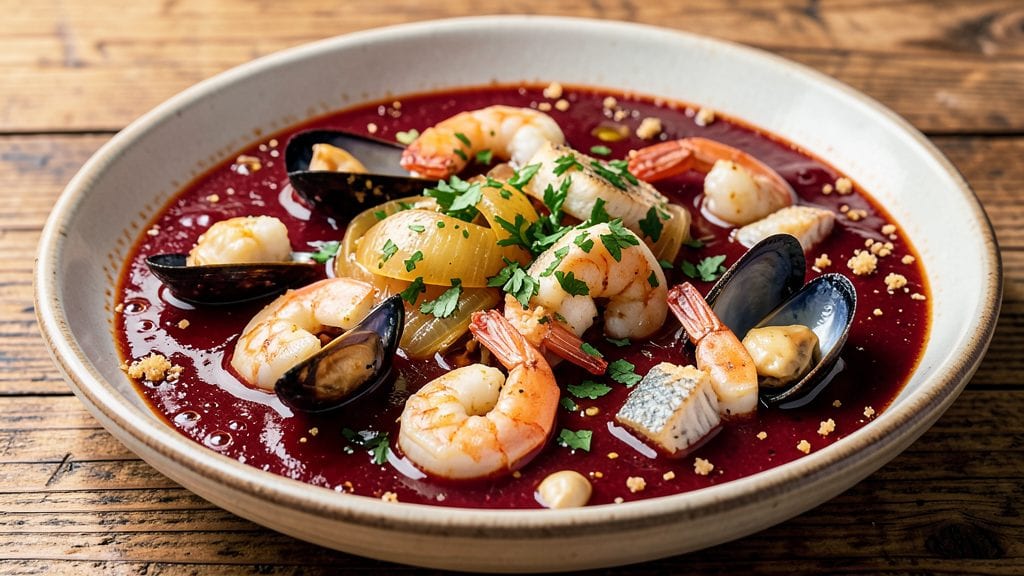
This San Francisco-style cioppino sauce delivers the rich, briny depth that makes the city’s signature seafood stew unforgettable. The secret lies in a slow simmer of tomatoes, garlic, white wine, and aromatic herbs—building layers of flavor that transform simple ingredients into something truly special.
I’ve perfected this sauce over years of testing, ensuring it’s bold enough to stand up to fresh seafood while remaining versatile enough to elevate any dish.
The foundation begins with a tomato base, where canned crushed tomatoes and olive oil create a velvety texture. White wine brightens the sauce, cutting through the richness while garlic and onions build a savory backbone.
Fresh herbs like basil and parsley add brightness, while a splash of fish stock deepens the seafood essence. The result is a perfectly balanced sauce—tangy, aromatic, and packed with umami that lingers long after the first bite.
What sets this cioppino sauce apart is its adaptability. Use it as the heart of a classic seafood stew, drizzle it over grilled fish or crusty bread, or even toss it with pasta for an instant flavor upgrade.
The sauce keeps well in the refrigerator for up to 5 days or freezes for 3 months, making it a pantry staple for seafood lovers. For dietary adjustments, simply swap the white wine for vegetable broth and use a gluten-free fish stock.
Ready to elevate your seafood dishes with restaurant-quality flavor? This sauce is your secret weapon—simple to make, impossible to resist. Let’s get started with the ingredients and techniques that make it shine.
Ingredients for cioppino sauce
Twelve ingredients. One rich, briny sauce that transforms any seafood dish into a restaurant-worthy experience.
| Ingredient | Amount | Notes |
|---|---|---|
| Extra-Virgin Olive Oil 🫒 | ½ cup | High-quality, fruity variety preferred |
| Crushed Tomatoes (28 oz can) 🍅 | 1 can | San Marzano preferred for sweetness |
| Dry White Wine 🍷 | ½ cup | Sauvignon Blanc or Pinot Grigio |
| Fish Stock 🐟 | 1 cup | Homemade or high-quality store-bought |
| Garlic Cloves 🧄 | 6 cloves | Minced, not powdered |
| Yellow Onion 🧅 | 1 whole | Diced, medium size |
| Fresh Basil Leaves 🌿 | ¼ cup | Packed, stems removed |
| Fresh Parsley Leaves 🌿 | ¼ cup | Chopped, flat-leaf preferred |
| Dried Oregano 🍃 | 1 tsp | Italian variety for authenticity |
| Red Pepper Flakes 🌶️ | ½ tsp | Adjust for heat preference |
| Kosher Salt 🧂 | 1 ½ tsp | Diamond Crystal preferred |
| Black Peppercorns 🌶️ | ½ tsp | Freshly cracked |
| Tomato Paste 🍅 | 1 tbsp | Squeeze tube or canned |
| Lemon Juice 🍋 | 1 tbsp | Freshly squeezed |
The tomatoes are the backbone—San Marzano cans from Trader Joe's or Whole Foods deliver that perfect balance of sweetness and acidity. I always grab a second can just in case, since this sauce is so versatile. The white wine? Sauvignon Blanc works best—it’s crisp and bright enough to cut through the richness without overpowering. Fish stock is non-negotiable here; Imagine or Pacific brand are my go-tos, but homemade is even better. The garlic and onion need to be cooked low and slow—don’t rush this part, or you’ll end up with bitter flavors. Fresh herbs are a must; basils from the farmers market have that extra pop compared to grocery store bunches.
No white wine? Vegetable broth plus a splash of lemon juice works in a pinch, though the sauce will be slightly less bright. Short on fish stock? Seafood or chicken stock in a 1:1 ratio keeps the umami going, but it won’t have that same briny depth. The tomato paste can be skipped if you’re using a really good crushed tomato, but I’ve found it adds a deep, concentrated flavor that ties everything together. Red pepper flakes are optional, but trust me—they add a subtle heat that balances the richness. And if you’re out of fresh parsley, dried works at half the amount, though it won’t have the same freshness.
This sauce gets better as it sits—24 hours in the fridge lets the flavors meld perfectly. Store it in an airtight container with a layer of olive oil on top to preserve freshness for up to 5 days. For longer storage, freeze in ice cube trays—just thaw and reheat gently. The sauce reheats beautifully, so double the batch if you’re planning to use it over multiple meals. It’s perfect for drizzling over grilled fish, tossing with linguine, or even using as a dip for crusty bread.
Why You'll Love This Recipe
- Pantry-Friendly Start: I swear by this recipe because it uses what I already have—no fancy ingredients, just a can of tomatoes, a bottle of wine I’d drink anyway, and garlic. The fish stock? I make it in bulk when I roast whole fish, so it’s never a chore.
- Garlic-Wine Magic: That splash of dry white wine cutting through the richness? It’s the secret weapon. The tomatoes caramelize just enough to balance the briny fish stock, and the garlic? Oh, it’s there—in the best way, like a warm hug for your taste buds.
- Weeknight to Dinner Party: Between us, this sauce works for both my lazy Tuesday and when I’m hosting. Simmer it with whatever fish I’m feeling (shrimp, cod, even clams), and it’s ready in time. Leftovers? Even better—reheat with a sprinkle of parsley, and no one will guess it’s not fresh.
- Budget-Smart Luxury: Honestly, this is my go-to for stretching a meal without sacrificing flavor. The wine and olive oil feel indulgent, but the canned tomatoes and stock keep it affordable. Plus, I can double the batch and freeze half—no wasted effort, just future dinners saved.
Step-by-step instructions for San Francisco-style seafood stew
Here's how to build a rich, aromatic base that becomes the soul of your cioppino.
Develop the Flavor Foundation
Heat the 0.5 cup extra-virgin olive oil in a large, heavy-bottomed pot over medium heat. Add the 1 whole yellow onion and cook for 5-6 minutes until softened and translucent, stirring occasionally. The onion should release its sweetness without browning—this prevents bitterness in your sauce.
Add the 6 cloves minced garlic and cook for 30 seconds until fragrant. Here's the thing—garlic burns fast, so keep the heat moderate. You'll know it's ready when the kitchen fills with that unmistakable aroma. Immediately add the 1 tbsp tomato paste and stir to coat the onions and garlic completely. This creates a flavorful paste that thickens the sauce and deepens its color.
Build Depth with Wine and Tomatoes
Pour in the 0.5 cup dry white wine and scrape up any browned bits from the bottom of the pot. This deglazing step captures all the concentrated flavors you've built so far. Let the wine simmer for 2-3 minutes until it reduces by about half—you want the alcohol to cook off but still retain enough liquid to blend with the tomatoes.
Add the 1 can crushed tomatoes, 1 cup fish stock, 1.5 tsp kosher salt, 0.5 tsp black peppercorns, 1 tsp dried oregano, and 0.5 tsp red pepper flakes. Stir well to combine, then bring the mixture to a gentle simmer. Partially cover the pot and let it cook for 15 minutes, stirring occasionally. This allows the flavors to meld and the sauce to develop its rich, complex character.
Finish with Fresh Herbs and Brightness
After 15 minutes, stir in the 1 tbsp lemon juice. This brightens the sauce and cuts through the richness of the tomatoes and fish stock. Add the 0.25 cup chopped fresh parsley leaves and 0.25 cup packed fresh basil leaves, reserving a small handful for garnish. The herbs should infuse the sauce with their fresh, vibrant flavors while adding color and texture.
Simmer the sauce uncovered for an additional 10 minutes to allow the flavors to meld completely. The sauce should be thick enough to coat the back of a spoon but still have a pleasant consistency. Taste and adjust the seasoning if needed—you might need a bit more salt or a splash of lemon juice to balance the flavors. The sauce is now ready to be combined with your choice of seafood for the perfect cioppino.
Pro Tips For Making Cioppino Sauce
- Sweat the Garlic Slowly: After burning three batches, I finally figured out—low heat is your friend here. Simmer those minced cloves in olive oil for 5-7 minutes until they’re golden but not crispy. Rushed garlic turns bitter, and nobody wants that in a rich tomato-wine sauce.
- Deglaze with Wine Early: Don’t wait until the tomatoes are added to pour in that white wine. After the garlic, splash it in right away while the pan is still hot—this dissolves the browned bits and starts building flavor. Let it reduce by half before adding tomatoes, or you’ll dilute the sauce too soon.
- Strain the Stock: I used to use store-bought fish stock straight from the can, and the sauce always tasted cloudy. Now I make my own or strain homemade stock through a fine-mesh sieve before adding it. That extra step removes impurities and keeps the sauce silky smooth.
- Simmer, Don’t Boil: This isn’t a race. Keep the sauce at a gentle simmer—tiny bubbles, occasional swirls—so the wine and tomatoes meld instead of turning into a thin, watery mess. A lid helps, but leave it slightly ajar to let excess steam escape. Patience here makes all the difference.
Perfect pairings for these flavors
Seafood Pairings
This sauce was designed to shine with fresh, briny seafood. I always pair it with firm white fish like cod or halibut—their mild flavor lets the sauce’s depth take center stage.
For extra richness, use shrimp or mussels, which absorb the sauce’s umami perfectly. Pro tip: Add seafood in the last 5-7 minutes of cooking to avoid overcooking. 🐟
Bread & Pasta Pairings
Crusty Italian bread is my go-to for serving this sauce—dip slices into the warm sauce or use it as a dipping vessel. For pasta lovers, toss the sauce with linguine or spaghetti and finish with extra parsley.
I like adding grilled zucchini or roasted cherry tomatoes to balance the richness. The sauce’s acidity cuts through the pasta beautifully.
Wine & Beer Pairings
A crisp Sauvignon Blanc or Pinot Grigio mirrors the sauce’s bright acidity and herbal notes. For beer lovers, try a Belgian witbier—its citrus and coriander notes complement the sauce’s tomato and basil flavors. Avoid heavy reds or malty beers that would overpower the delicate seafood essence. 🍷
Vegetable Sides
Light, fresh vegetables balance the sauce’s richness perfectly. I recommend steamed asparagus or sautéed green beans with garlic and lemon zest. Roasted fingerling potatoes tossed with rosemary add heartiness without competing with the seafood. Keep portions small—this sauce is the star!
Dietary Adaptations
For a vegan version, swap fish stock for vegetable broth and use white wine or apple cider vinegar. A splash of soy sauce adds umami depth. Gluten-free? Ensure your fish stock is certified gluten-free. The sauce’s natural flavors still shine through with these adjustments. 🌱
Nutrition facts
Frequently asked questions
Can I make this sauce without white wine?
For a non-alcoholic version, substitute with 0.5 cup vegetable broth plus 1 tbsp lemon juice. The acidity will still brighten the sauce, though the flavor will be slightly less complex. For extra depth, add 1 tsp soy sauce to mimic the umami from wine.
How do I prevent the sauce from tasting bitter?
Bitterness usually comes from overcooking onions or garlic. Always cook them over medium-low heat until softened but not browned. If the sauce tastes bitter after simmering, balance it with more lemon juice or a pinch of sugar. Fresh herbs at the end also help refresh the flavor.
Can I use this sauce for dishes other than cioppino?
This versatile sauce works beautifully for grilled fish, seafood linguine, or even as a marinade for shrimp. It also makes a fantastic dipping sauce for crusty bread or a topping for roasted vegetables. The key is to adjust seasoning based on your dish—add more salt for pasta or extra herbs for grilled meats.
What’s the best way to store leftovers?
Store in an airtight container in the fridge for up to 5 days. For longer storage, freeze in ice cube trays or small portions. To reheat, warm gently on the stove over low heat—never microwave directly, as it can break down the sauce’s texture. A splash of water or broth helps restore consistency.
Why does my sauce look too thin?
If the sauce is watery, simmer uncovered for 5-10 extra minutes to reduce it. For a thicker texture, mix 1 tbsp cornstarch with 2 tbsp water and stir in slowly. Avoid adding flour—it can make the sauce taste grainy. The perfect consistency should coat the back of a spoon but still be pourable.